
How To
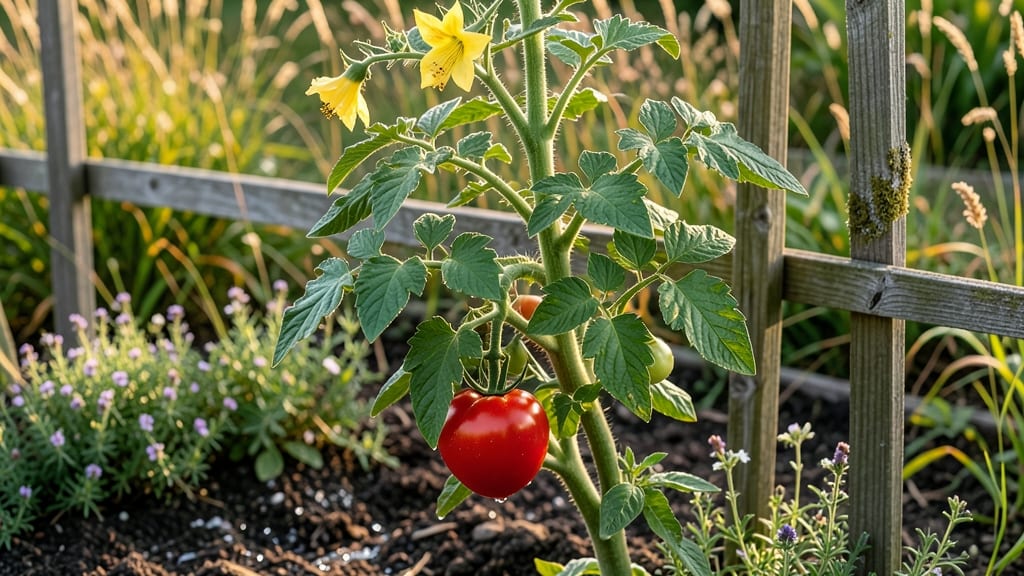
My Celebrity tomato leaves used to droop like overcooked pasta—until I discovered the right trellis hack. 🌱 The problem? Those beefy vines can't support themselves without proper support, leading to broken stems and lost fruit. The solution isn't complicated, but it does require thinking like an engineer with your tomatoes.
Start with a sturdy cage or wooden trellis that can handle 10+ pounds of vine weight. I switched to a heavy-duty tomato tower last season, and the difference was night-and-day—no more sagging leaves, no more snapped stems.
The key is securing the main stem early and weaving side shoots through the structure as they grow. It takes 10 minutes every few days during peak growth, but it prevents the heartbreak of watching your harvest collapse under its own weight.
What you'll end up with is a plant that stays upright, produces more fruit, and looks like it belongs in a nursery display. The leaves stay vibrant green instead of yellowing from stress, and the tomatoes ripen evenly without getting tangled in the foliage.
Plus, you'll avoid the dreaded "tomato slump" that turns your prized plants into a tangled mess by harvest time.
This works for any indeterminate variety in containers or in-ground, but Celebrity tomatoes—with their thick vines and large fruit—benefit the most. The same principles apply whether you're growing in a small patio pot or a full-size garden bed. Here's how to set it up right the first time.
Root Causes Of Leaf Stress
Understanding why your Celebrity tomato leaves develop stress—whether through yellowing, curling, or wilting—starts with identifying the underlying triggers. These plants are prized for their robust vines and sweet fruit, but their leaves often signal trouble before the harvest.
Let’s break down the scientific reasons behind common leaf issues and how to address them before they escalate.
Celebrity tomatoes are heavy feeders, and their leaves often reveal what’s lacking in the soil. Here’s how to spot and fix nutrient deficiencies:
- 🟡 Yellowing Between Veins (Chlorosis) - Cause: A classic sign of iron or magnesium deficiency, often worsened by alkaline soil (pH > 7.0).
Iron becomes unavailable to plants in high-pH conditions, even if it’s present in the soil. - Actionable Fix: - Test your soil’s pH (ideal range: 6.0–6.8). - Apply chelated iron or Epsom salt (magnesium sulfate)—mix 1 tablespoon per gallon of water and spray on leaves or soil. - Use acid-loving compost or peat moss to lower pH naturally.
- 🟢 Purple or Reddish Stems/Leaves (Phosphorus Shortage) - Cause: Phosphorus helps energy transfer in plants.
A deficiency stunts growth and turns leaves dark green with purple undersides or stems, especially in cool weather. - Actionable Fix: - Add bone meal or rock phosphate to the soil before planting. - Use a balanced fertilizer (10-10-10) at half strength during flowering.
- 🟠 Brown Edges or Spots (Potassium or Calcium Issue) - Cause: Potassium regulates water and disease resistance, while calcium prevents blossom-end rot (though leaves show early signs).
Brown, crispy edges often mean potassium deficiency, while yellowing between veins may indicate calcium. - Actionable Fix: - Potassium: Use wood ash or a potassium-rich fertilizer (like 0-0-50). - Calcium: Sprinkle crushed eggshells or apply calcium nitrate every 2–3 weeks.
Tomatoes hate inconsistency—whether it’s drought stress or overwatering, their leaves scream for balance.
- 🔥 Wilting or Drooping Leaves (Underwatering) - Cause: Celebrity tomatoes need 1–2 inches of water per week, especially during fruiting.
Wilting often happens when roots can’t absorb enough moisture, leading to leaf scorch (brown, crispy edges). - Actionable Fix: - Water deeply at the base (avoid wetting leaves to prevent disease). - Use mulch (straw or black plastic) to retain moisture. - Morning watering reduces evaporation.
- 🌧️ Yellow, Mushy Leaves (Overwatering or Poor Drainage) - Cause: Soggy soil cuts off oxygen to roots, causing root rot (often from Fusarium or Phytophthora).
Leaves turn yellow and feel slimy or blackened. - Actionable Fix: - Ensure pots have drainage holes and soil mixes with perlite or vermiculite. - Let the top 1–2 inches of soil dry before watering again. - If rot is suspected, trim affected roots and repot with fresh, sterile soil.
Celebrity tomatoes attract pests and pathogens that feast on leaves, leaving behind holes, spots, or sticky residue.
- 🐜 Chewed or Skewed Leaves (Insect Damage)
- Culprits:
- Aphids (tiny green/black bugs) leave sticky honeydew and curled leaves.
- Tomato Hornworms (giant green caterpillars) devour leaves overnight.
- Spider Mites cause yellow stippling (tiny white dots) from feeding.
- Actionable Fix:
- Handpick hornworms (they’re easy to spot!) or use BT (Bacillus thuringiensis) spray.
- Blast aphids off with water or apply neem oil.
- Release ladybugs for natural pest control.
- Culprits:
- 🍄 Fungal Spots (Early Blight or Septoria Leaf Spot)
- Cause: Dark concentric rings or tan spots with black borders mean fungal infection, thriving in humid, wet conditions.
- Actionable Fix:
- Remove infected leaves immediately and dispose of them (don’t compost).
- Spray copper fungicide or baking soda mix (1 tbsp baking soda + 1 quart water + a drop of soap) weekly.
- Space plants for airflow (2–3 feet apart) and avoid overhead watering.
Celebrity tomatoes are heat-tolerant but still suffer when conditions swing extremes.
- 🔥 Sun-Scalded Leaves (White or Gray Patches) - Cause: Direct afternoon sun on young leaves causes sunburn, especially in hot climates.
Leaves may develop bleached or papery patches. - Actionable Fix: - Provide light shade (30–50% shade cloth) during peak sun (12–4 PM). - Mulch heavily to protect roots and soil from overheating.
- ❄️ Frost or Cold Damage (Blackened or Wilted Leaves)
- Cause: Temperatures below 50°F (10°C) stunt growth, and frost kills tissue instantly, turning leaves black.
- Actionable Fix:
- Use row covers or cloches for young plants.
- Avoid planting too early—wait until soil is at least 60°F (15°C).
Pro Tip: 💡 Keep a garden journal to track when leaf issues appear. Note watering, fertilizing, and weather patterns—this helps pinpoint recurring problems faster!
Fixing Floppy Foliage Fast
When your celebrity tomato leaves start drooping like a sad salad, it’s time to roll up your sleeves and get hands-on. The good news? Most sagging issues have simple fixes—whether you’re dealing with thirsty plants, weak support, or overzealous growth.
Below, we’ll tackle the most common causes with step-by-step solutions, plus prevention tips to keep your vines perky all season long.
Fix: Balance is key—too little or too much water can stress your plants and cause leaves to wilt.
- Check the Soil 🌱
- Stick your finger 1–2 inches deep into the soil. If it’s dry, it’s time to water. If it’s soggy, hold off and let it dry out slightly.
- Pro Tip: Use a moisture meter for precision—no more guessing!
- Water Deeply, Not Superficially 💦
- Water slowly and deeply at the base of the plant (not the leaves) to encourage strong root growth. Aim for 1–1.5 inches of water per week, adjusting for rain.
- Morning watering is best—it reduces evaporation and fungal risks.
- Adjust Your Routine ⏰
- Underwatering? Water every 2–3 days (or daily in extreme heat).
- Overwatering? Let the top 2 inches of soil dry out between waterings and improve drainage with perlite or compost.
Prevention:
- Use mulch (straw or shredded leaves) to retain moisture and regulate soil temperature.
- Plant in well-draining soil mixed with compost to avoid waterlogged roots.
Fix: Celebrity tomatoes are heavy producers—their vines need sturdy support to avoid sagging and breaking.
- Upgrade Your Trellis 🏗️
- If your current trellis is bending or too lightweight, switch to a stronger metal cage, wooden stake, or heavy-duty tomato tower.
- DIY Hack: Wrap burlap or old T-shirts around stakes for gentle vine support (less risk of bruising).
- Prune Strategically ✂️
- Remove suckers (the small shoots between the stem and branches) to direct energy to fruit production.
- Trim overly long vines that aren’t supported—focus on training upward along the trellis.
- Secure Loose Vines 🔗
- Tie vines to the trellis every 6–12 inches with soft plant ties or strips of fabric. Avoid wire—it can cut into stems.
- Pro Tip: Use a figure-eight loop to avoid crushing the vine as it grows.
Prevention:
- Install support early (at planting) before vines get too heavy.
- Choose determinate varieties (like ‘Celebrity’) for bushier growth that’s easier to manage than indeterminate types.
Fix: Too much sun or scorching heat can make leaves wilt or turn yellow.
- Provide Shade Cloth 🛡️
- If temperatures hit above 90°F (32°C), drape 30–50% shade cloth over plants for a few hours in the afternoon.
- Budget Fix: Use a white bedsheet pinned loosely above the plants.
- Mulch Heavily 🌡️
- Apply 3–4 inches of mulch (straw or wood chips) to keep roots cool and retain moisture.
- Bonus: Mulch also deters weeds and regulates soil temp.
- Water in the Heat 💦
- Give plants a deep watering every morning to combat wilting. Use a soaker hose for even distribution.
Prevention:
- Plant in late spring (after the last frost) to avoid early-season heat spikes.
- Choose heat-tolerant varieties or grow in partial shade if your climate is brutal.
Fix: Chewing pests (like hornworms) or fungal issues (early blight) can weaken vines.
- Inspect Leaves Daily 🔍
- Look for holes, chewed edges, or black spots—signs of pests or disease.
- Quick Fix: Handpick hornworms (they’re huge and easy to spot!) or spray with neem oil for organic pest control.
- Treat Fungal Issues 🍄
- For early blight (brown spots on leaves), remove affected foliage and spray with a baking soda solution (1 tsp baking soda + 1 quart water + a drop of dish soap).
- Prevention: Space plants 18–24 inches apart for airflow and avoid overhead watering.
- Encourage Beneficial Insects 🐝
- Plant marigolds or basil nearby to attract ladybugs and bees, which keep pests in check.
Prevention:
- Rotate crops yearly to prevent soil-borne diseases.
- Disinfect pruners with rubbing alcohol between cuts to avoid spreading pathogens.
Fix: Yellowing leaves or stunted growth can mean your plants need a boost.
- Test Your Soil 📊
- Use a DIY soil test kit (or send a sample to a local extension office) to check pH and nutrient levels.
- Ideal pH for tomatoes: 6.0–6.8.
- Fertilize Right 💪
- At planting: Mix in compost or aged manure.
- When flowering: Switch to a low-nitrogen, high-phosphorus fertilizer (like 5-10-10) to support fruit development.
- Avoid over-fertilizing—too much nitrogen = leafy growth, fewer tomatoes!
- Use Foliar Sprays 🌿
- For a quick fix, spray leaves with a liquid seaweed fertilizer or fish emulsion for micronutrients.
Prevention:
- Side-dress with compost mid-season to replenish nutrients.
- Avoid synthetic fertilizers that can burn roots—opt for organic options.
- Harvest Regularly 🍅: Picking ripe tomatoes encourages more production and reduces vine weight.
- Rotate Trellis Support ⚙️: If using a single stake, add a second support as the plant grows taller.
- Monitor Weather 🌦️: Heavy rain or wind can stress plants—check forecasts and adjust care accordingly.
With these fixes, your celebrity tomato leaves will bounce back in no time—strong, supported, and ready to produce a bounty of juicy fruit! 🍅✨
Frequently asked questions
Why are my Celebrity tomato leaves turning yellow between the veins?
This classic sign usually means iron or magnesium deficiency, often caused by alkaline soil (pH > 7.0). Iron becomes unavailable even if present. Test your soil (ideal pH: 6.0–6.8) and apply chelated iron or Epsom salt (1 tbsp per gallon of water) as a foliar spray or soil drench. Acid-loving compost helps lower pH naturally.
How often should I water Celebrity tomatoes to prevent drooping leaves?
Water deeply 1–2 inches per week, focusing on the base—not the leaves—to encourage strong roots. Morning watering reduces evaporation and fungal risks. In extreme heat, water every 2–3 days, while overwatering (soggy soil) causes yellow, mushy leaves. Always check soil moisture 1–2 inches deep before watering again.
What's the best support system for heavy Celebrity tomato vines?
Use a heavy-duty metal cage, wooden stake, or tomato tower that can handle 10+ pounds of vine weight. Install support at planting and secure vines every 6–12 inches with soft fabric ties (avoid wire). For DIY options, wrap burlap or old T-shirts around stakes. Prune suckers and train vines upward to prevent sagging.
Can I still save my Celebrity tomatoes if leaves have fungal spots?
Yes! Remove infected leaves immediately (don’t compost) and spray with a baking soda solution (1 tbsp baking soda + 1 quart water + soap) or copper fungicide. Space plants 18–24 inches apart for airflow and avoid overhead watering. For severe cases, use 30–50% shade cloth during peak sun to reduce humidity. Early intervention prevents spread to fruit.
How do I tell if my Celebrity tomato leaves are wilting from heat or thirst?
Check soil moisture first—if dry 1–2 inches deep, it’s thirst. For heat stress (above 90°F/32°C), leaves may feel crispy or papery with white patches. Provide shade cloth and mulch 3–4 inches deep to cool roots. Water deeply in the morning, and avoid afternoon watering which increases evaporation. Both issues require similar fixes: shade, mulch, and consistent moisture.