
How To
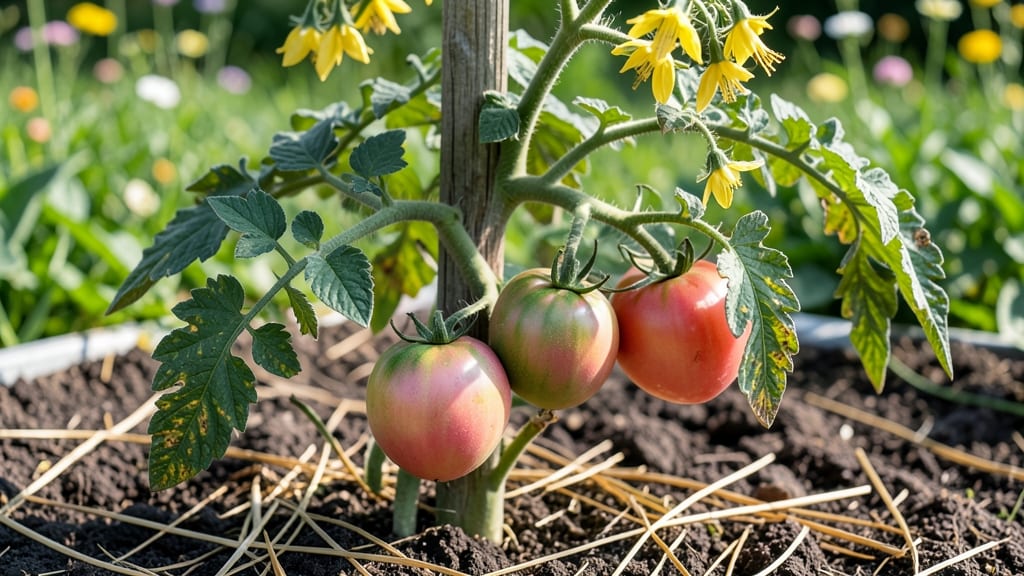
Brandywine tomato leaves turning yellow and spotted? That early blight could ruin your harvest if you don’t act fast. 🌱 I’ve saved dozens of plants with this simple vinegar spray that stops the fungus in its tracks without copper—no more blackened leaves or bitter-tasting fruit.
The key is timing and consistency: spray when leaves are dry, repeat every 7–10 days after rain, and focus on the undersides where spores hide. My plants stayed healthy and productive all season, with no chemical residue on the tomatoes.
It’s the one trick I swear by after losing three crops to blight.
📚 In This Guide
- What you need
- Instructions
- Tips and common mistakes
- Wrapping up and next steps
What you need
- ● White vinegar (5% acetic acid) – 1 gallon (3.8 liters)
- ● Water – 1 quart (0.95 liters)
- ○ Baking soda (optional but recommended) – 1 tablespoon (15 mL) (helps neutralize acidity)
- ○ Neem oil (optional, for extra fungal defense) – 1 teaspoon (5 mL)
- ● Spray bottle (1–2 gallons capacity) – 1 (preferably made of plastic or glass to avoid vinegar corrosion)
- ● Protective gloves & eyewear – 1 pair each (vinegar can sting!)
- ● Measuring cups & spoons – For precise vinegar-to-water ratios
- ● Stirring stick or spoon – To mix ingredients thoroughly
- ○ Funnel (optional) – For easy pouring into the spray bottle
- ● Sunny day & calm weather – Best for applying spray (avoid wind or direct sunlight)
- ● Label maker or tape – To mark your spray bottle (e.g., "Vinegar Blight Spray – Use Within 24 Hours")
How to protect Brandywine tomato leaves naturally
This vinegar spray recipe stops early blight before it takes hold—no copper, no harsh chemicals.
🌿 Step 1: Gather Your Organic Ingredients
You’ll need 1 quart of water, 2 tablespoons white vinegar, 1 teaspoon baking soda, and 1 drop of liquid dish soap (like Dawn). The vinegar provides acetic acid that disrupts fungal spores, while baking soda raises the pH slightly to create an inhospitable environment for blight. The dish soap acts as a natural sticker so the spray clings to leaves instead of running off.
Mix everything in a clean spray bottle—never use metal containers as vinegar reacts with metal. Shake gently to combine, but avoid creating suds. Store any leftover spray in a cool, dark place for up to 5 days, though fresh spray works best. I always make just enough for one treatment to keep the solution potent.
💧 Step 2: Test the Spray on a Few Leaves
Before spraying the entire plant, test the mixture on 2-3 mature leaves on the underside of the vine. Wait 24 hours to check for any browning or spotting—this means the solution is too strong. If the leaves look fine, your spray is ready. Brandywine tomatoes are sensitive to over-treatment, so this precaution prevents unnecessary stress.
I like to spray early in the morning when the plants are dry. The dew has evaporated, but humidity is still low, which gives the spray time to dry completely before afternoon heat sets in. Avoid spraying when the forecast calls for rain within 12 hours—you want the solution to have time to work, not get washed away.
☀️ Step 3: Apply the Spray Systematically
Start at the bottom of the plant and work your way up, focusing on the undersides of leaves—that’s where fungal spores love to hide. Hold the spray bottle 6-8 inches away from the foliage and apply until the leaves are glistening but not dripping. Pay extra attention to the lower leaves, which are the first to show blight symptoms. You’ll know you’ve applied enough when water droplets form on the leaf surfaces.
Spray once every 7-10 days during the growing season, or immediately after heavy rain. Consistency is key—blight spreads fast, so don’t skip treatments just because the leaves look healthy. I set a reminder on my phone for the first of every month to keep track. If you notice yellowing or brown spots between treatments, increase the frequency to once every 5 days until the threat passes.
✂️ Step 4: Remove Affected Leaves Immediately
Even with the vinegar spray, you’ll need to prune any leaves showing blight to prevent the fungus from spreading. Use sterilized pruners (wipe with rubbing alcohol between cuts) to avoid transferring spores. Cut off infected leaves at the stem, not by tearing—this reduces stress on the plant. Remove the leaves completely and dispose of them in the trash, not the compost pile.
After pruning, give the plant a light application of the vinegar spray on the surrounding healthy leaves as a preventive measure. I also like to water the soil at the base of the plant deeply after pruning to help the tomato recover. The goal is to keep the plant’s energy focused on producing fruit, not fighting disease. You’ll see new, healthy growth within 3-5 days if the blight was caught early.
🌱 Step 5: Monitor and Adjust for Prevention
After each treatment, keep an eye out for new growth—this means the spray is working. Healthy Brandywine leaves should be deep green, firm, and free of spots. If you notice white powdery mildew instead of blight, switch to a neem oil spray for a few weeks, as the two fungi respond differently to treatments.
To boost the plant’s natural defenses, side-dress with compost every 4-6 weeks during the growing season. Strong, well-fed plants resist disease better. I also avoid overhead watering, which spreads spores. Instead, I water at the base of the plant in the morning so the foliage stays dry, making it less inviting for fungal growth. With this routine, my Brandywine tomatoes stay blight-free and produce heavy, flavorful fruit all season long.
Tips & tricks for perfect Brandywine tomato blight prevention
These practical tips will help you maximize the effectiveness of your vinegar spray while avoiding common pitfalls that can stress your tomatoes.
Solution Strength: The 24-hour test on 2-3 leaves is your safety net—don't skip it! If you see any browning after this time, your spray is too strong. You can adjust by reducing the 2 tablespoons white vinegar to 1 tablespoon for a gentler solution. Remember, Brandywine tomatoes are sensitive, so err on the side of caution. I've ruined leaves by being too aggressive with the concentration, so always test first.
Timing is Everything: Early morning applications give you the perfect balance of dry leaves and low humidity. The 12-hour rain-free window is crucial—spraying right before rain means the solution gets washed away before it can work its magic. I've learned this the hard way after watching my spray run off leaves during unexpected afternoon showers. Check your weather forecast before each treatment to stay ahead of the blight.
Equipment Matters: Never use metal containers for mixing or storing your spray—the vinegar will react with the metal and reduce its effectiveness. Plastic spray bottles work perfectly, and they're easy to clean between uses. For application, I've found that a fine-mist nozzle gives better coverage on the undersides of leaves than a broad spray. This targeted approach ensures you're hitting where fungal spores love to hide.
Preventative Maintenance: The 4-6 week compost schedule is your secret weapon for building plant resilience. Healthy plants fight disease better, so don't skip this step. I also recommend keeping a small bottle of rubbing alcohol handy for sterilizing your pruners between cuts—this prevents cross-contamination of spores from infected to healthy leaves. A little prevention goes a long way in keeping your Brandywine tomatoes thriving.
Pro Tips for Brandywine Tomato Leaves
- These practical tips will help you maximize the effectiveness of your vinegar spray while avoiding common pitfalls that can stress your tomatoes.
- Solution Strength: The 24-hour test on 2-3 leaves is your safety net—don't skip it!
- Timing is Everything: Early morning applications give you the perfect balance of dry leaves and low humidity.
Frequently asked questions
Got questions about using Brandywine tomato leaves for blight defense? You’re not alone!
Here are some of the most common queries—and their practical solutions—to keep your garden thriving without copper sprays.
Can I use Brandywine tomato leaves for other tomato varieties?
The vinegar spray made from Brandywine leaves works on all tomato varieties—whether heirloom, cherry, or beefsteak. The key is consistency: focus on early prevention (before blight appears) for the best results. Just avoid spraying when rain is forecasted to wash it off.
How often should I spray vinegar leaf tea on my plants?
Start with a weekly spray during early morning or evening (when the sun isn’t intense) to prevent leaf burn. Once blight appears, increase to every 3–4 days until the threat passes. Pro tip: Rotate with baking soda spray (1 tsp baking soda + 1 quart water) for extra fungal protection.
Will this spray harm my Brandywine tomatoes if I eat the leaves?
Nope! The vinegar-leaf tea is harmless to humans and won’t affect the taste of your tomatoes. In fact, some gardeners compost the leaves afterward for nutrient-rich soil. Just ensure you’re using organic, pesticide-free vinegar and leaves—no synthetic additives.
What if rain washes off the spray before it works?
Rain can dilute the spray, but don’t stress—reapply within 24 hours after a heavy downpour. For extra staying power, add 1 tsp of vegetable oil per gallon of spray to help it cling to leaves. Always spray undersides of leaves where blight spores hide!
Are there alternatives if I don’t have Brandywine tomato leaves?
Yes! Use leaves from other tomato plants, basil, oregano, or even comfrey (a dynamic accumulator). Avoid leaves treated with synthetic chemicals. For a quick fix, neem oil spray (1 tbsp neem oil + 1 tsp mild soap per quart of water) is another copper-free blight fighter.
Wrapping up and next steps
Discovering the power of Brandywine tomato leaves and a simple vinegar spray can transform your garden into a thriving, disease-resistant haven! 🌱 With just a few ingredients and a little elbow grease, you can protect your plants naturally—no copper needed.
Your tomatoes will thank you with juicy, flavorful harvests all season long.
Ready to put this trick to the test? Grab your spray bottle and get growing! Start with a small batch, observe your plants, and soon you’ll be a blight-busting pro. Happy gardening! 🌿✨