
How To
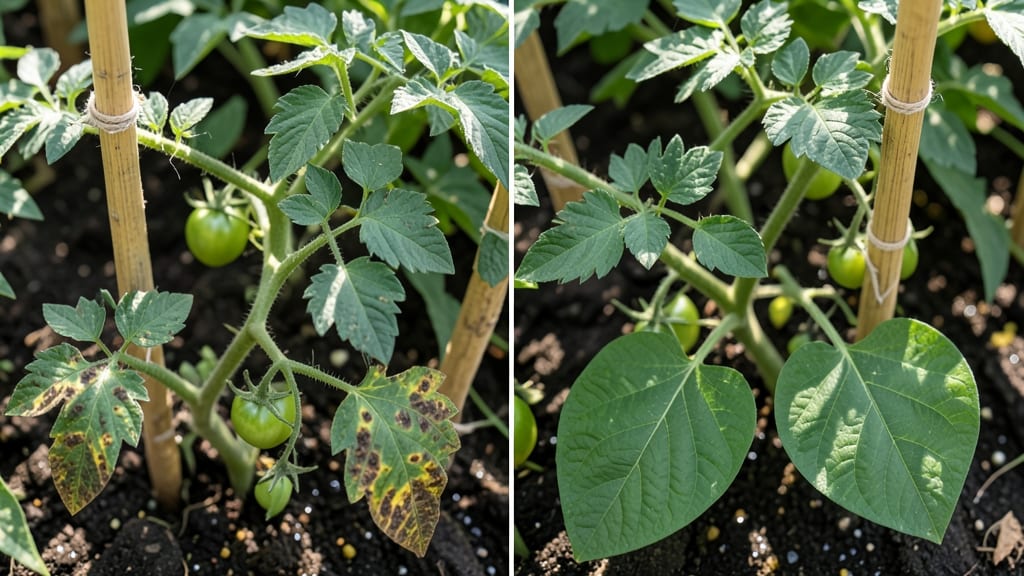
My blotchy tomato leaves looked like abstract art—splotchy brown patches turning foliage into confetti. 🌱 The baking soda remedy saved my harvest last summer, and it’s the first line of defense against early blight and septoria leaf spot.
These fungal diseases thrive in damp conditions, turning vibrant foliage into a sad, spotted mess.
The fix is simple: mix 1 tablespoon baking soda, 1 tablespoon vegetable oil, and a drop of dish soap in a gallon of water. Spray the undersides of leaves (where spores hide) every 7-10 days once you spot the first blotches.
It’s non-toxic, cheap, and works faster than chemical sprays when caught early.
Within 2-3 weeks, you’ll see new growth pushing out clean, unblemished leaves. The plants redirect energy to fruit instead of fighting disease, and your tomatoes stay lush and productive. Prevent future outbreaks by spacing plants for airflow and watering at the base—not overhead.
This method works for container and in-ground tomatoes alike, and it’s safe for other veggies too. Let’s get those leaves looking healthy again!
Root Causes Behind Leaf Spots
Blotchy tomato leaves aren’t just unsightly—they’re a cry for help from your plants. Understanding the underlying causes is the first step to restoring those lush, healthy leaves. Below, we break down the most common culprits, backed by science, so you can diagnose—and fix—the problem accurately.
Fungal diseases like early blight (Alternaria solani) and septoria leaf spot (Septoria lycopersici) are the top offenders behind blotchy tomato leaves. These pathogens thrive in warm, humid conditions, often appearing as dark, irregular spots with yellow halos.
- How it spreads: Spores land on leaves, germinate in moisture, and penetrate leaf tissue through natural openings (like stomata). - Key signs: Spots start small, then expand with concentric rings or dark centers.
Severe cases may cause leaf drop. - Why it’s tricky: Many gardeners mistake fungal spots for environmental stress, delaying treatment.
💡 Pro Tip: Avoid overhead watering—wet foliage for extended periods is an open invitation to fungi. Water at the base in the morning for quick evaporation.
Tomatoes are tough, but extreme conditions can push them over the edge. Overwatering, poor drainage, or sudden temperature swings (like cold nights or scorching afternoons) trigger stress responses, including blotchy, discolored leaves.
- Overwatering: Leads to oxygen deprivation in roots, causing leaves to suffocate. Symptoms? Yellowing between veins (iron deficiency) or brown, mushy spots. - Poor drainage: Roots drown, leading to root rot (Phytophthora or Pythium), which starves the plant.
Blotchy leaves may appear alongside stunted growth. - Temperature shock: Cold snaps (<50°F) or heat stress (>90°F) disrupt chlorophyll production, leading to sunscald (white/yellow patches) or cold damage (dark, water-soaked spots).
✨ Quick Fix: Amend soil with compost to improve drainage, and use mulch to regulate soil temperature. Move potted tomatoes to a sheltered spot during extreme weather.
While pests rarely directly cause blotchy leaves, their damage weakens plants, making them vulnerable to secondary infections. Aphids, spider mites, and whiteflies inject toxins or sap-suck, leaving leaves stippled, yellowed, or crinkled.
- Aphids: Cluster on undersides, excreting honeydew (a fungal magnet). Look for curled, sticky leaves.
- Spider mites: Thrive in dry heat, creating fine webbing and pale, speckled blotches.
- Whiteflies: Flush them out by shaking leaves—adults take flight in clouds.
🔥 Prevention: Blast leaves with water to dislodge pests, or introduce beneficial insects (ladybugs, lacewings). Neem oil can smother eggs and young nymphs.
Tomatoes are heavy feeders, and imbalances show up fast. Blotchy leaves often signal magnesium (Mg), calcium (Ca), or potassium (K) deficiencies, though other micronutrients can play a role too.
| Nutrient | Deficiency Signs | Quick Remedy |
|---|---|---|
| Magnesium | Yellowing between veins (interveinal chlorosis) | Apply Epsom salt (1 tbsp/gallon water) or compost tea. |
| Calcium | Brown, dead spots (especially on younger leaves) | Use crushed eggshells or calcium nitrate. |
| Potassium | Weak stems, brown leaf edges (scorching) | Banana peel tea or a balanced fertilizer. |
| Iron | Pale yellow leaves (chlorosis) | Chelated iron spray or sulfur-rich amendments. |
🌡️ Test Your Soil: A simple DIY pH test (or lab test) can reveal imbalances. Aim for a pH of 6.0–6.8 for tomatoes—too acidic or alkaline locks out nutrients.
Too much synthetic fertilizer (especially nitrogen-heavy blends) or salt buildup from tap water can scorch leaves. Symptoms? Brown, crispy edges or bleached blotches, often paired with stunted growth.
- Nitrogen overload: Causes rapid, weak growth with yellowing between veins (like magnesium deficiency—but it’s not!).
- Salt damage: From over-fertilizing or poor-quality water. Leaves may curl and develop white crust on soil.
💡 Fix It: Flush the soil with rainwater (low in salts) and switch to organic, slow-release fertilizers (like worm castings). Always follow label rates!
Moving tomato plants—even young seedlings—can trigger stress. Root disturbance, sudden climate changes, or poor acclimation lead to blotchy, wilted leaves as the plant adjusts.
- Symptoms: Wilting, yellowing, or spots appearing 1–3 weeks post-transplant.
- Why it happens: Roots take time to regrow and establish in new soil.
🌱 Solution: Harden off seedlings gradually (acclimate to outdoor conditions over 7–10 days). Water deeply after transplanting to reduce shock. Avoid fertilizing for 1–2 weeks to let roots recover.
Fix Blotchy Tomato Leaves Fast
Blotchy tomato leaves can turn your garden’s star produce into a frustrating mess—but the good news is, most fixes are simple and effective. Below, we’ve broken down targeted solutions for the most common causes, from fungal infections to environmental stress, plus prevention tips to keep your plants thriving.
Let’s get those leaves looking fresh again!
Signs: Dark spots with concentric rings or yellow halos, often starting at the lower leaves.
🔥 Treat It Now
- Prune & Remove Affected Leaves
- Snip off blotchy or spotted leaves (don’t compost them—toss in the trash).
- Use sterilized pruners (wipe with rubbing alcohol between cuts) to avoid spreading spores.
- Baking Soda Spray (Best Organic Fix!)
- Mix 1 tsp baking soda + 1 tbsp vegetable oil + 1 tsp mild dish soap per quart of water.
- Spray under and on top of leaves (early morning or evening to avoid sunburn).
- Reapply every 7–10 days until new growth appears.
- Copper Fungicide (For Severe Cases)
- Use a store-bought copper-based fungicide (like Bonide Copper Fungicide) as directed.
- Best for: Heavy infestations where baking soda isn’t enough.
💡 Prevention Tips
- Water at the base (avoid overhead sprinkling—wet leaves = fungal buffet).
- Space plants for airflow (crowding = humidity = fungus heaven).
- Rotate crops—don’t plant tomatoes in the same spot yearly.
Signs: Pale, yellowish blotches (often on upper leaves) with crispy edges, especially in hot afternoons.
👨🍳 Cool It Down
- Shade Cloth to the Rescue
- Drape 30–50% shade cloth over plants during peak sun (10 AM–4 PM).
- DIY hack: Use an old white bedsheet if you’re in a pinch!
- Mulch Like a Pro
- Apply 2–3 inches of mulch (straw or wood chips) to keep roots cool and moist.
- Bonus: Mulch slows water evaporation, reducing stress.
- Adjust Watering
- Deep water early morning (1–2 inches per week, more in heatwaves).
- Avoid evening watering (wet leaves + cool nights = fungal risk).
🌡️ Long-Term Fixes
- Choose heat-tolerant varieties (like ‘Solar Fire’ or ‘Heatmaster’).
- Plant in partial shade if your climate is brutally hot.
Signs: Tiny yellow/brown speckles, webbing, or sticky residue (honeydew).
🕷️ Kick the Pests Out
- Blast Them Off
- Spray plants with a strong stream of water (dislodges mites/aphids).
- Repeat every 2–3 days for a week.
- Neem Oil Spray (Safe & Effective)
- Mix 1 tbsp neem oil + 1 tsp mild soap per quart of water.
- Spray all leaf surfaces (especially undersides where pests hide).
- Reapply every 5–7 days.
- Introduce Beneficial Bugs
- Ladybugs (eat aphids) or predatory mites (control spider mites).
- Buy from garden centers or online.
🎯 Prevention Tips
- Inspect new plants before bringing them home (quarantine for 2 weeks if possible).
- Encourage natural predators (dill, fennel, or marigolds attract helpful insects).
Signs: Blotchy, wilting leaves (overwatering) or dry, crispy edges (underwatering).
🔄 Balance the Moisture
- Check Soil First
- Stick your finger 1–2 inches deep—if dry, water; if soggy, hold off.
- Ideal soil: Should feel like a damp sponge, not a swamp.
- Fix Drainage Problems
- If your pots/beds stay waterlogged, add perlite or sand to improve drainage.
- Raise containers on bricks if needed.
- Watering Schedule
- Tomatoes need 1–2 inches per week (more in fruit-bearing stages).
- Drip irrigation > sprinklers (keeps foliage dry).
✨ Pro Tip
- Use a moisture meter ($10–$15) to avoid guesswork.
- Fertilize Lightly (too much nitrogen = soft, susceptible leaves).
- Use a balanced 10-10-10 or compost tea for a boost.
- Prune for Airflow (remove suckers and inner leaves to improve circulation).
- Harvest Regularly (stressed plants = more prone to issues).
Remember: Consistency is key! Most fixes take 1–2 weeks to show results. Once your tomato leaves are back to vibrant green, you’ll be back to slicing up juicy, homegrown tomatoes in no time. 🍅✨
Frequently asked questions
Why do my tomato leaves get blotchy even when I water them regularly?
Blotchy leaves often signal fungal diseases like early blight or septoria leaf spot, which thrive in humid conditions—even with regular watering. The issue usually stems from overhead watering (which keeps leaves wet too long) or poor airflow between plants. Try watering at the base in the morning and spacing plants 18–24 inches apart to improve circulation.
Can I still eat tomatoes from plants with blotchy leaves?
Yes, but focus on fruits already on the vine when you first notice blotches—these are safe to harvest. The real concern is new growth, as fungal diseases can spread to developing tomatoes. Remove affected leaves immediately (don’t compost them) and apply a baking soda spray to protect future fruit.
How do I tell if blotchy leaves are from a fungus or nutrient deficiency?
Fungal spots (like early blight) usually appear as dark, irregular patches with yellow halos on older leaves, while nutrient deficiencies cause uniform discoloration (e.g., yellow between veins for magnesium deficiency or brown edges for potassium). Check the leaf pattern: Fungal spots are random and concentrated; deficiencies affect entire leaf areas.
Will pruning blotchy leaves help, or will it stress my tomato plant?
Pruning is essential—removing infected leaves stops spore spread and lets the plant focus energy on healthy growth. Just use sterilized shears (wipe with rubbing alcohol) and avoid cutting more than 20% of the foliage at once. For severe cases, prune lower leaves first (where spores accumulate).
How long does it take for baking soda spray to work on blotchy leaves?
You’ll typically see new growth within 7–10 days of consistent spraying (every 7–10 days). For existing spots, the baking soda won’t reverse damage but prevents further spread. Combine it with pruning and proper spacing for the fastest results. Patience is key—fungal recovery takes time!