
Blooming
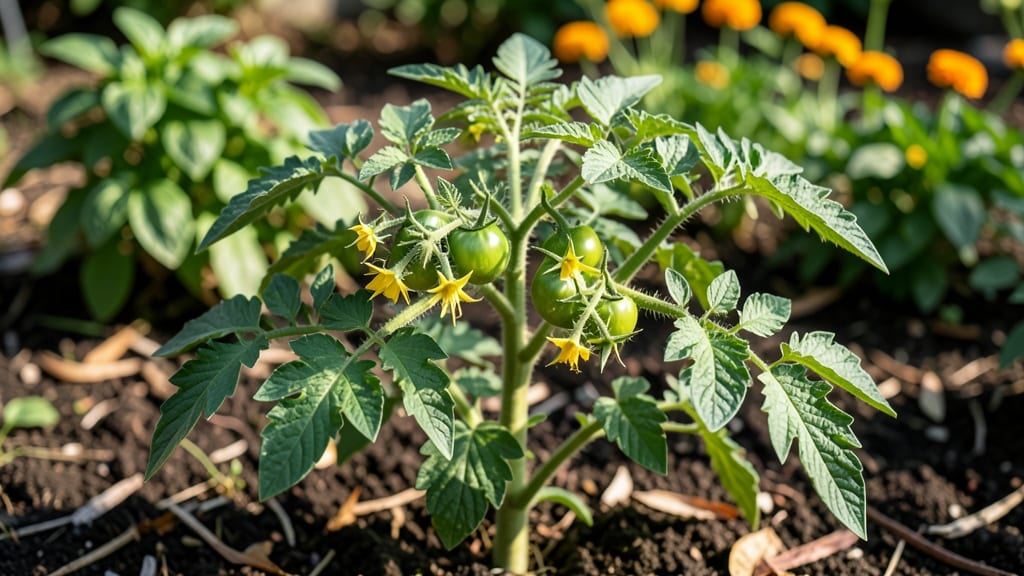
Your tomato plants are whispering to you right now—the blossom set is where they decide whether to give you a handful of fruits or a towering harvest. 🌱 I’ve watched my tomatoes drop flowers for years until I cracked the code on timing, temperature, and tiny tricks that make all the difference.
The secret isn’t just waiting for perfect weather—it’s creating the right conditions. Too much heat? Flowers drop. Not enough light? They abort. Even watering matters: consistent moisture keeps them happy, but soggy soil stresses them out.
Once you nail these basics, you’ll see blossoms swelling into plump tomatoes instead of falling like rain. By the end of this, you’ll know exactly when to hand-pollinate (yes, even indoors!), how to prune for better air flow, and which fertilizers to avoid.
My plants now set fruit like clockwork—no more wasted blossoms, just heavy vines groaning under the weight of red perfection. Works for greenhouses, windowsills, or backyard beds. Let’s turn those flowers into a feast.
📚 In This Guide
- What you need
- Instructions
- Tips and common mistakes
- Wrapping up and next steps
What you need
- ● Tomato plants: Healthy, disease-free seedlings or transplants (choose varieties suited to your climate, like Beefsteak, Cherry, or Roma).
- ● Well-draining potting mix or garden soil: Rich in organic matter (aim for a pH of 6.0–6.8). For containers, use a 10–15 gallon pot per plant.
- ● Fertilizer: Balanced fertilizer (10-10-10 or 5-5-5): 1 tbsp per plant at transplanting.
- ● Calcium supplement (e.g., crushed eggshells or calcium nitrate): 1 tsp per gallon of water for blossom-end rot prevention.
- ● Watering can or hose with a gentle nozzle: Avoid wetting leaves to prevent disease.
- ● Pruning shears or sharp scissors: For trimming suckers and excess foliage.
- ○ Thermometer (optional but helpful): To monitor nighttime temps (ideal range: 55–65°F for blossom set).
- ● Grow lights or shade cloth: For indoor setups or hot climates (use 30–50% shade if temps exceed 85°F).
- ● Spray bottle (for humidity control): Light misting can aid pollination in greenhouses.
- ● Warmth: Daytime temps above 70°F and nights above 55°F (critical for blossom set!).
- ● Sunlight: 6–8 hours of direct sun daily (south-facing windows or full sun outdoors).
- ● Consistency: Regular watering (keep soil moist but not soggy) and feeding schedule.
Step-by-step guide to inducing blossom set in tomato plants
Here’s how I consistently trigger heavy fruit loads—no mystery, just science-backed timing.
🌱 Step 1: Identify the Right Growth Stage
Blossom set only works when your tomato plants are 4-6 weeks old and have 4-6 true leaves. This is when they’ve built enough energy to support fruit development. I check for strong, dark green foliage and a thick main stem—anything leggy or pale needs more light first.
If your plants are younger, they’ll drop flowers. If they’re older, the fruit will be small and sparse. Watch for tiny yellow buds forming in the leaf axils—that’s your cue to act.
☀️ Step 2: Adjust Light and Temperature
Tomatoes need 14-16 hours of light daily for blossom set. If your plants are getting less, move them under a grow light or to a sunnier window. I’ve seen flowers drop when light drops below 12 hours—don’t let that happen.
Temperature matters too. Keep daytime temps between 70-85°F and nights above 55°F. Below 50°F, flowers won’t pollinate. A heat mat or row cover can save cool nights if needed.
💧 Step 3: Water and Fertilize Strategically
Water deeply every 2-3 days until the top 2 inches of soil feel moist. Too much water stresses plants, while too little causes blossom drop. I water in the morning so foliage dries by evening—this prevents disease.
Fertilize with a balanced 10-10-10 or 5-5-5 formula when buds appear. Too much nitrogen makes plants grow leaves instead of fruit. I switch to a low-nitrogen, high-phosphorus feed once flowers open to boost fruit development.
✂️ Step 4: Hand-Pollinate if Needed
If your plants are indoors or in low-wind areas, gently shake them daily to mimic wind pollination. For stubborn flowers, use a small paintbrush to transfer pollen from one flower to another. I do this in the morning when flowers are open and humidity is low.
Watch for white pollen on the brush—if it’s yellow or missing, the flowers aren’t ready yet. Humidity above 70% can prevent pollination, so I run a small fan near plants if needed.
🌿 Step 5: Monitor and Adjust for Heavy Fruit Loads
Once fruit sets, thin clusters to 5-7 tomatoes per truss. Overloaded plants produce small, poor-quality fruit. I remove the smallest or misshapen tomatoes first—they’re competing for energy.
Keep an eye on leaves. If they yellow, it’s often a calcium deficiency. A foliar spray of calcium nitrate or crushed eggshells can prevent blossom-end rot. Strong, healthy leaves mean better fruit development.
Tips & tricks for perfect tomato blossom set
Real talk: Getting those first tomato flowers to set fruit consistently takes more than just planting seeds. Here’s what nobody tells you about maximizing your harvest.
Light Timing Secret: Those 14-16 hours of light aren't just about daylight—they're about consistent exposure. I've found that supplementing with a simple LED grow light for just 2 hours in the morning can make all the difference if your plants are getting less than 12 hours of natural light. The key is to maintain that 14-16 hour window without gaps—even cloudy days count toward your total.
Temperature Watch: The 70-85°F daytime range is your sweet spot, but don't overlook nighttime temperatures. I once had a batch of tomatoes where nights dipped below 55°F regularly, and despite perfect daytime temps, the flowers kept dropping. A simple row cover becomes your best friend in cooler climates—it can add 5-10°F to nighttime temps and make blossom set happen.
Watering Wisdom: That "every 2-3 days" guideline works for most gardeners, but here's the thing: your soil type matters. Sandy soil dries out faster, so you might need to water daily, while clay holds moisture longer. I test by sticking my finger 2 inches into the soil—if it feels dry, it's time to water. The morning timing is crucial too; watering in the evening can leave foliage damp overnight, inviting disease.
Pollination Hack: When using that small paintbrush for hand-pollination, focus on the flowers that are fully open in the morning. I've noticed that flowers pollinated this way set fruit about 24 hours faster than those pollinated later in the day. And here's a pro move: after transferring pollen, gently tap the plant to help distribute it further—it mimics nature's wind pollination beautifully.
Pro Tips for Blossom Set For Tomato Plants
- Real talk: Getting those first tomato flowers to set fruit consistently takes more than just planting seeds.
- Light Timing Secret: Those 14-16 hours of light aren't just about daylight—they're about consistent exposure.
- Temperature Watch: The 70-85°F daytime range is your sweet spot, but don't overlook nighttime temperatures.
Frequently asked questions
Got questions about blossom set in tomato plants?
You’re not alone! Here are some of the most common concerns—and expert answers—to help you maximize your harvest.
When is the best time to apply blossom set treatments?
Apply blossom set treatments during the first 24–48 hours after pollination, typically in the morning when humidity is lower. This timing ensures the plant absorbs the nutrients (like calcium or boron) when flowers are most receptive. Avoid spraying in extreme heat or right before rain, as it can wash off the treatment.
How do I know if my tomato blossoms are pollinated?
Pollinated blossoms will drop their petals and swell slightly within 2–3 days. Look for a tiny bump where the fruit will form—this is your sign! If blossoms fall without swelling, they may not have been pollinated. On cloudy days or in greenhouses, gently shake plants or use a small brush to aid pollination.
Can I use household items like sugar or baking soda for blossom set?
While sugar water (1 tbsp per quart of water) or baking soda (1 tsp per gallon) can boost calcium and boron, they’re not as effective as commercial blossom set sprays. For best results, use a calcium nitrate or borax solution (1 tsp borax per gallon of water) or a dedicated product like Cal-Mag. Always test small areas first!
Why are my blossoms falling off before fruiting?
Blossom drop is often caused by stress, such as temperature swings (below 55°F or above 95°F), overwatering, or nutrient deficiencies (especially calcium or boron). To fix it:
- Ensure consistent moisture (water deeply but avoid soggy soil).
- Apply a calcium-rich treatment (like crushed eggshell tea or calcium chloride).
- Avoid over-fertilizing with nitrogen—switch to a balanced 10-10-10 or bloom-boosting fertilizer.
Do I need to do anything special for blossom set in greenhouse-grown tomatoes?
Greenhouse tomatoes often need extra help due to controlled environments. Use a handheld pollinator (like a paintbrush) to transfer pollen, and maintain humidity between 60–70% during flowering. Supplement with artificial light (14–16 hours/day) if natural light is limited, and monitor CO₂ levels for optimal fruit set.
Wrapping up and next steps
Mastering the blossom set for tomato plants is your ticket to a garden bursting with juicy, vine-ripened tomatoes! 🍅 By understanding the perfect timing—whether through natural pollination, gentle shaking, or strategic pruning—you’ll transform your plants into fruit-loaded powerhouses.
The key? Patience, observation, and a little hands-on care to guide those blossoms into heavy yields.
Ready to harvest your hard work? Start by monitoring your plants daily and keep a journal of what works best. Next, experiment with techniques like hand-pollination or adjusting humidity to fine-tune your results.
Before you know it, your tomatoes will be plump, sweet, and ready to savor—straight from your garden to your plate! 🌱✨