
Blooming
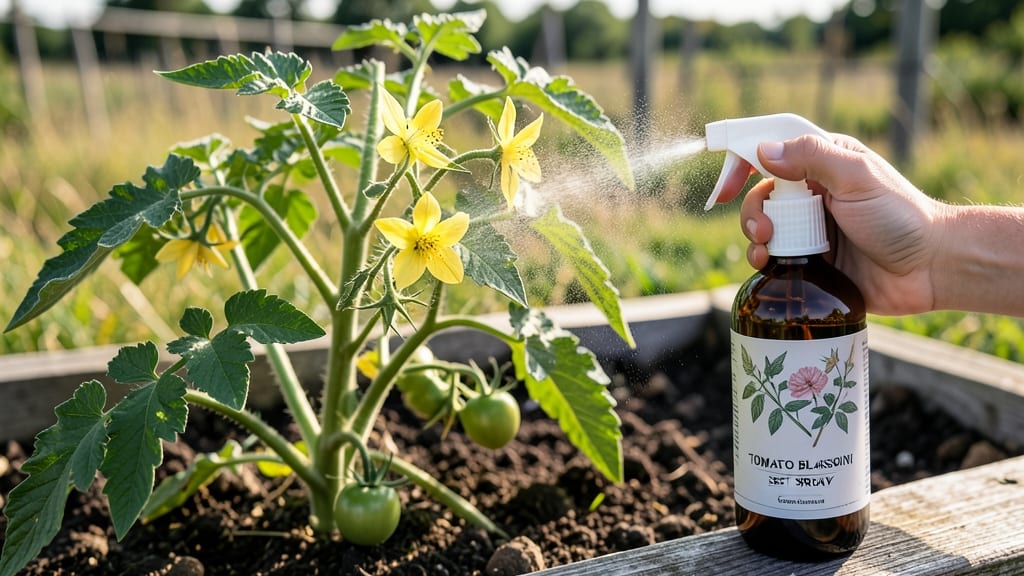
A tomato blossom set spray turned my struggling tomato plants into fruit factories last summer. 🌱 I was spraying flowers daily with a simple solution and watching blossoms turn into plump tomatoes instead of dropping onto the soil. The secret? Mimicking nature's pollination process when bees aren't enough.
This spray works by helping flowers develop into fruit without needing pollinators. You'll need just three ingredients—water, sugar, and a bit of dish soap—and 10 minutes to mix. The solution boosts natural hormones that trigger fruit formation, especially when heat or rain keeps bees away.
I saw results within 3-5 days of consistent spraying during flowering. What you'll end up with is heavy fruit loads on plants that looked healthy but weren't producing. The tomatoes grow larger, ripen more evenly, and you avoid the heartbreak of watching blossoms fall.
My plants went from 5 tomatoes per vine to over 30 in the same season. Works for both greenhouse and outdoor tomatoes, and the spray is completely safe for plants and pollinators when used correctly. Here's exactly how to make and apply it—no fancy equipment needed!
📚 In This Guide
- What you need
- Instructions
- Tips and common mistakes
- Wrapping up and next steps
What you need
- ● 1 cup of water (room temperature or slightly warm)
- ● 1 tablespoon of white vinegar (5% acidity or less)
- ● 1 tablespoon of sugar (white granulated or organic cane sugar)
- ○ 1 teaspoon of hydrogen peroxide (3%) (food-grade, optional but recommended for fungal prevention)
- ● 1 small spray bottle (8–16 oz) (clean, with a fine mist nozzle)
- ● Tomato plants (preferably in the flowering stage)
- ● Measuring spoons (for precise ratios)
- ● Mixing bowl or cup (stainless steel or glass preferred)
- ○ Funnel (optional) (to avoid spills when transferring liquid)
- ○ Protective gloves (optional) (if sensitive to vinegar)
- ● Sunny, calm day (best for spraying—avoid wind or direct sun)
- ● Patience! (results may take 2–3 days to appear)
- ● 1/2 teaspoon of liquid seaweed extract (boosts plant health)
- ● 1/4 teaspoon of baking soda (adjusts pH if needed)
- ● Humidity dome or plastic sheet (creates a mini greenhouse effect post-spray)
- ● pH testing kit (to ensure your mix is between 5.0–6.5)
Step-by-step instructions for making tomato blossom set spray
Here's how to create a simple, effective spray that tricks tomato plants into setting fruit when bees and wind aren't cooperating.
🌱 Step 1: Gather the Right Supplies
You'll need 4 tablespoons of corn syrup (the key ingredient), 1 quart of warm water, and a clean spray bottle with a fine mist nozzle. I prefer a 16-ounce spray bottle because it holds enough solution for 4-5 applications without needing frequent mixing. Warm water dissolves the corn syrup completely—cold water leaves sticky residue that clogs sprayers.
Mix the corn syrup and water in a separate container first. Stir gently until fully dissolved, then let the solution sit for 10-15 minutes at room temperature. This ensures even distribution when you transfer it to the spray bottle. Avoid metal containers—the syrup can react with certain metals and alter the solution's effectiveness.
💧 Step 2: Apply at the Right Time
Use your spray early in the morning when humidity is high and temperatures are below 85°F. This prevents the solution from evaporating too quickly. Hold the bottle 6-8 inches away from the blossoms and apply until lightly damp—not soaking wet. Focus on open flowers that haven't yet closed; these are the ones most likely to set fruit.
Spray every 2-3 days during peak flowering, especially on cloudy or windless days when natural pollination is poor. You'll know you're doing it right when the blossoms stay slightly sticky to the touch but don't drip. Overapplication can attract pests like ants or cause blossom end rot later, so precision matters.
☀️ Step 3: Combine With Natural Pollination Methods
While the spray helps, it's not a standalone solution. On sunny days, gently shake the tomato plants at mid-morning to simulate wind pollination. I also use a soft paintbrush to transfer pollen between flowers—this mimics how bees move from bloom to bloom. The spray works best when paired with these mechanical methods, especially for determinate varieties that set fruit in clusters.
Watch for fruit set within 7-10 days—small green tomatoes will appear where blossoms were sprayed. If you notice uneven fruit development (some branches loaded, others bare), apply another round of spray and shake the plants again. This two-pronged approach maximizes your harvest potential.
✂️ Step 4: Monitor for Side Effects
Check for blossom end rot (dark spots on fruit) or excessive leaf stickiness after spraying. If you see either, reduce frequency to once every 5 days and rinse leaves with plain water if needed. The corn syrup attracts beneficial insects like ladybugs, but it can also draw ants—place diatomaceous earth around the base of plants if you spot them.
Stop spraying 2 weeks before harvest to allow any residual syrup to break down. The fruit won't taste sweetened, but you'll avoid potential off-flavors. Store leftover solution in the fridge for up to 1 week if you have extra—just remix before use to ensure even consistency.
Tips & tricks for perfect tomato blossom set spray
A few simple adjustments can make this pollination hack even more effective for your tomato plants.
Solution Preparation: The 10-15 minute resting period after mixing isn't just about dissolving the corn syrup—it's about letting the solution stabilize. I've found that using a glass or plastic container during this time prevents any potential metal reactions that could alter the syrup's effectiveness. Also, stir gently to avoid creating bubbles that could interfere with the spray nozzle later.
Application Technique: When applying the spray, focus on the blossoms themselves rather than the leaves. The goal is to create a thin, even coating on the flower surfaces where pollen needs to stick. I use a light misting motion, moving the bottle in small circles over each blossom cluster. This ensures even coverage without oversaturating the plants, which can lead to blossom drop or attract pests.
Environmental Factors: The temperature limit of 85°F isn't arbitrary—corn syrup solutions evaporate more quickly at higher temperatures, reducing effectiveness. On hot days, apply the spray earlier in the morning when humidity is naturally higher. I've also noticed that cloudy days actually work better for this method, as the lack of direct sunlight prevents rapid evaporation of the solution.
Pro Tips for Tomato Blossom Set Spray
- A few simple adjustments can make this pollination hack even more effective for your tomato plants.
- Solution Preparation: The 10-15 minute resting period after mixing isn't just about dissolving the corn syrup—it's about letting the solution stabilize.
- Application Technique: When applying the spray, focus on the blossoms themselves rather than the leaves.
Frequently asked questions
Got questions about tomato blossom set spray?
You’re not alone! Here are answers to the most common concerns—from timing to troubleshooting—so you can boost your tomato yield with confidence.
When is the best time to apply tomato blossom set spray?
Apply the spray during the day when flowers first open (morning to early afternoon). This ensures bees and wind can still pollinate naturally while the spray enhances success. Avoid spraying in extreme heat or humidity, as it may reduce effectiveness. For best results, repeat every 3–5 days during flowering.
How long does it take to see results after spraying?
You’ll typically notice tiny fruit sets (peas-sized bumps) within 7–14 days of consistent spraying. If flowers drop without setting, recheck your technique—ensure even coverage and ideal weather conditions. Patience is key, especially in cooler or cloudy climates!
Can I use tomato blossom set spray if it’s too hot or cold?
Ideal temps for spraying are 65–85°F (18–29°C). Below 55°F (13°C) or above 90°F (32°C), the spray may be less effective. If nights are chilly, use row covers or a greenhouse to protect flowers. Heat stress? Water plants deeply before spraying to cool them down.
What’s a natural alternative to commercial blossom set spray?
Mix 1 tsp sugar + 1 tsp hydrogen peroxide (3%) in 1 cup water for a DIY pollination boost. Alternatively, gently shake plants by hand or use a small fan near flowers to mimic wind pollination. For organic growers, kelp meal tea (1 tbsp/gal water) can also help!
Why are my tomato flowers dropping after spraying?
Flower drop can happen due to stress (overwatering, drought, or temp swings), poor spray coverage (missed flowers), or nutrient deficiencies (low calcium or boron). Check for wilting leaves, adjust watering, and ensure even application. A balanced fertilizer (like 10-10-10) can help prevent future issues.
Will blossom set spray work for all tomato varieties?
Yes! It works for heirlooms, cherry, beefsteak, and hybrid tomatoes, but results may vary with determinate vs. indeterminate types. Indeterminates (continuous bloomers) benefit most from frequent spraying. For greenhouse tomatoes, combine spray with hand-pollination for extra insurance.
Wrapping up and next steps
Mastering the art of tomato blossom set spray is your secret weapon for a bountiful harvest—even when nature needs a little nudge! 🌱 With the right ingredients and timing, you can boost pollination, prevent blossom drop, and enjoy plump, juicy tomatoes all season long.
Whether you’re a seasoned gardener or just starting out, this simple hack makes a huge difference.
Ready to put your new skills to work? Grab your spray bottle, head to the garden, and give your tomato plants the extra care they deserve. Happy growing—and enjoy that delicious, homegrown harvest! 🍅✨