
Pests
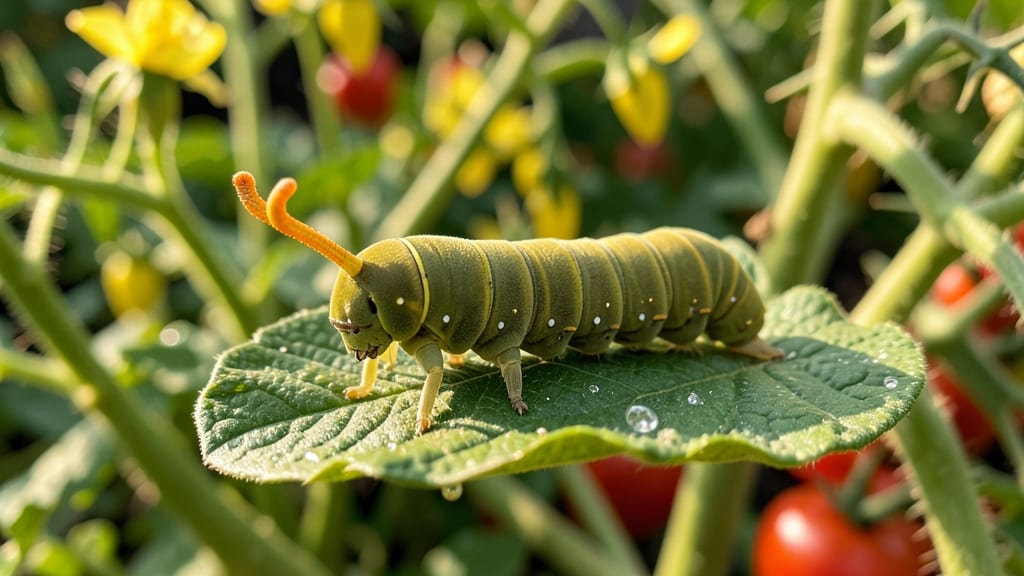
That 8-inch green monster with white stripes is the tomato hornworm—the biggest tomato worm that can strip your plants bare in days. 🌱 I’ve watched them devour entire tomato plants in just a few hours, leaving behind skeletonized leaves and half-eaten fruit.
The key to saving your harvest is spotting them early, before they become an unstoppable force. These caterpillars start small but grow fast, molting through five stages before turning into moths. Their natural predators—like parasitic wasps and birds—often miss them because of their camouflage.
Handpicking them (and their eggs) is the fastest way to stop the damage, but organic sprays like Bacillus thuringiensis work too without harming your garden’s balance. Once you know what to look for—eggs on the undersides of leaves, then tiny caterpillars—you’ll catch them before they become a full-blown crisis.
Companion plants like basil and marigolds can help deter them, but vigilance is your best defense. Here’s how to outsmart them before they outgrow your tomatoes.
The real damage happens when you ignore the early signs: chewed leaves, black droppings, and sudden wilting. These worms aren’t picky—they’ll attack tomatoes, peppers, eggplants, and even your basil. The good news?
They’re easy to spot once you know what to look for, and their life cycle is predictable if you check your plants every few days. Organic control methods like neem oil or Bt spray disrupt their feeding without killing beneficial insects, while handpicking removes them instantly.
The goal isn’t just to save your tomatoes—it’s to keep your garden’s ecosystem healthy so nature can handle the rest. Start with prevention, then act fast when you see the first signs.
Even experienced gardeners underestimate how quickly these worms multiply. A single female moth can lay 2,000 eggs in a season, so one missed caterpillar could mean a full-blown infestation by summer.
The best offense is a mix of scouting, companion planting, and organic sprays—no chemicals needed. With these strategies, you’ll protect your harvest and keep your garden thriving.
Root Causes of Giant Worm Infestations
When your tomato plants start hosting the biggest tomato worms—those massive, green caterpillars that can devour entire leaves overnight—it’s rarely a random event. These voracious pests, typically the larvae of the Manduca sexta (tomato hornworm) or Manduca quinquemaculata (five-spotted hawk moth), thrive under specific conditions.
Understanding why they show up in force is the first step to stopping them before they turn your garden into a buffet. Here’s why these worms become a problem:
The tomato hornworm’s life cycle begins with adult moths, which are drawn to ripe, overripe, or damaged tomato fruits. Here’s how it works:
- Scent signals: Moths use volatile organic compounds (VOCs) emitted by ripe tomatoes to locate plants. A single overripe fruit can release enough scent to attract dozens of moths within a 50-foot radius.
- Physical cues: Damaged or bruised tomatoes expose the sweet, fermenting sugars inside, making them irresistible for egg-laying. Even a single cracked tomato can trigger a moth to deposit 200–300 eggs in a single night.
- Timing matters: Moths are most active at dusk and dawn, when temperatures are mild (60–80°F). If your garden stays warm into early evening, you’re giving them prime real estate.
Actionable fix: Harvest tomatoes before they fully ripen (use a color chart for your variety) and remove any fallen or damaged fruit daily. For large plants, consider yellow sticky traps near the canopy to intercept moths before they lay eggs.
Tomato hornworm larvae are camouflage masters, blending into leaves with their green bodies and white diagonal stripes. If your plants are left unchecked, they’ll turn your garden into their personal nursery. Here’s why dense foliage worsens the problem:
- Shade and humidity: Thick vines create microclimates with higher humidity (ideal for larval survival) and lower light exposure (which slows natural predators like birds and parasitic wasps).
- Food abundance: A single tomato plant can produce enough leaves to feed 5–10 larvae before defoliation occurs. Worms prioritize young, tender leaves, so unpruned plants are a feast.
- Egg concealment: Female moths lay eggs on the undersides of leaves, where they’re hidden from predators. In a well-maintained garden, eggs are easier to spot and remove.
Actionable fix:
- Prune plants weekly to remove excess foliage, especially near the top where eggs are most common.
- Use reflective mulch (like aluminum foil) around the base of plants to deter moths from landing.
- Encourage natural predators by planting dill, fennel, or parsley nearby—these attract tachinid flies, which lay eggs on hornworms.
Tomato hornworms are heat-loving pests, and their population explodes when nighttime temperatures stay above 65°F (18°C). Here’s how climate plays a role:
| Factor | Why It Helps Worms | Actionable Solution |
|---|---|---|
| Prolonged warm nights | Larvae develop 30–50% faster in warm conditions, leading to multiple generations per season. | Use row covers at night if forecasts predict warm temps, then remove them during the day for pollination. |
| Stagnant water sources | Adult moths need water to lay eggs. A single birdbath, clogged gutter, or damp mulch can become a moth watering hole. | Eliminate standing water and keep mulch 2–3 inches from the stem to reduce humidity. |
| Drought stress in plants | Stressed tomatoes produce more sugars in leaves, making them more appealing to larvae. | Water deeply 1–2 times per week (depending on climate) to keep plants healthy. |
Pro tip: If your area has a long growing season, consider planting early-maturing tomato varieties (like ‘Early Girl’ or ‘Stupice’) to harvest before the worst infestations hit.
In a healthy ecosystem, tomato hornworms face constant pressure from predators. But when these defenses weaken, worms thrive. Common disruptors include:
- Pesticide overuse: Broad-spectrum insecticides (like neonicotinoids) kill beneficial insects first, including parasitic wasps (like Cotesia congregata) that lay eggs inside hornworms, turning them into zombie-like “mummy” hosts.
- Monoculture gardening: Planting only tomatoes removes the diversity that attracts predator species like ladybugs, lacewings, and praying mantises.
- Urban/suburban landscapes: Lawns and sealed surfaces reduce habitat for birds and toads, which eat hornworms on sight.
Actionable fix:
- Switch to targeted sprays like Bt (Bacillus thuringiensis), which only affects caterpillars.
- Add pollinator-friendly plants (e.g., marigolds, alyssum) to attract predator species.
- Install a birdhouse or bat box near your garden—both are voracious hornworm hunters.
Practical Ways to Stop Tomato Worms
If you’ve spotted those squirming, voracious tomato worms (likely hornworms or Colorado potato beetle larvae) munching away on your prized plants, don’t panic—there are effective, garden-friendly ways to tackle them before they turn your harvest into a snack.
Below, we break down targeted solutions based on the root cause of your infestation, from organic fixes to proactive prevention. Let’s get your tomato plants back on track!
1. Manual Removal: The Old-School Power Move
If you’ve got a few hungry caterpillars, your hands (and a bucket of soapy water) are your best tools. This method is fast, chemical-free, and satisfying—plus, it’s great for kids to help with!
- 🔥 Step 1: Scout at Dawn or Dusk Tomato worms are most active during cooler parts of the day. Check leaves, stems, and fruit for green, black, or brown caterpillars (hornworms are often 3–4 inches long!).
- 👨🍳 Step 2: Drop Them in Soapy Water Grab a bowl of mild dish soap + water (1 tsp soap per gallon). Pluck the worms off by hand or use tweezers (wear gloves if you’re squeamish!). Drop them into the soapy mix—they’ll dissolve in seconds.
- 🥘 Step 3: Check Daily Worms multiply fast! Repeat this process every 2–3 days until you’ve seen no new eggs or larvae for a week.
- ✨ Pro Tip: Wear bright-colored clothing (red or yellow) while scouting—some worms are attracted to these colors and may crawl toward you for easy picking!
2. Natural Predators: Let Nature Do the Work
Instead of chemicals, encourage beneficial insects that hunt tomato worms. These predators are free, effective, and eco-friendly:
| Predator | What It Eats | How to Attract It |
|---|---|---|
| Parasitic Wasps | Hornworm eggs/larvae | Plant dill, fennel, or parsley nearby. |
| Ladybugs | Small larvae & aphids | Buy ladybug larvae or plant marigolds. |
| Praying Mantises | Hornworms & other pests | Leave tall grasses or brush piles nearby. |
| Birds (e.g., Robins) | Larvae on leaves/fruit | Install a birdbath or bird feeder. |
- 💡 Quick Fix: Release Trichogramma wasps (tiny, egg-laying wasps) into your garden. They specifically target hornworm eggs—order them online or from garden centers.
3. Organic Sprays: Non-Toxic but Effective
If manual removal isn’t enough, these sprays disrupt worm life cycles without harming pollinators or your soil:
- 🌿 Bacillus thuringiensis (Bt) - How it works: A natural bacteria that only affects caterpillars (safe for humans, pets, and beneficial insects). - How to use: Mix 1 tsp Bt powder per quart of water, spray directly on leaves (especially undersides where eggs hide).
Reapply every 7–10 days or after rain. - Best for: Young larvae (older worms resist it).
- 🍋 Neem Oil Spray - How it works: Disrupts worm feeding and smothers eggs. - Recipe: Mix 1 tbsp neem oil + 1 tsp mild soap + 1 quart water.
Spray evening or early morning (avoid direct sun—it burns plants). - Reapply: Every 5–7 days until infestation clears.
- 🧂 Diatomaceous Earth (DE)
- How it works: A powdery fossilized algae that dehydrates worms when they crawl through it.
- How to use: Lightly dust leaves and soil around plants. Reapply after rain (it loses potency when wet).
- ⚠️ Caution: Avoid breathing it in—wear a mask when applying.
1. Break the Life Cycle: Egg Hunting
Most tomato worms start as tiny eggs laid on the undersides of leaves. Find and crush them early to prevent larvae from hatching!
- 🔍 How to Spot Eggs: - Hornworm eggs: Greenish, oval, laid in clusters (like tiny jellybeans). - Colorado potato beetle eggs: Orange-yellow, stacked in rows (look like tiny donut clusters). - 👨🍳 Action: Use a magnifying glass to inspect leaves weekly.
Crush eggs with your fingers or wipe them off with a damp cloth.
2. Rotate Crops & Trap Plants
Worms love tomatoes, peppers, and potatoes—so confuse them by mixing up your plantings!
- 🌱 Crop Rotation: Don’t plant nightshades (tomatoes, peppers, potatoes) in the same spot for 3+ years.
- 🌼 Trap Crops: Plant basil or marigolds near tomatoes—worms may go for these instead!
- 🥔 Distract with Potatoes: If Colorado potato beetles are the issue, plant a sacrificial potato patch far from your tomatoes.
3. Physical Barriers: Keep Worms Off Plants
For severe infestations, block access with these simple tricks:
- 🧶 Row Covers: Use fine mesh netting (like floating row covers) over young plants.
Secure edges with soil or stakes. - 🍅 Collars for Stems: Wrap cardboard or aluminum foil around tomato stems to prevent cutworms from climbing up. - 🥔 Hanging Traps: For Colorado potato beetles, hang yellow sticky traps near plants—they’re attracted to the color!
4. Healthy Soil = Stronger Plants
Stressed plants attract more pests. Keep your tomatoes thriving so they can fight off worms naturally:
- 💧 Water Deeply (Not Overhead): Worms hide under leaves when it’s damp. Water at the base in the morning.
- 🌿 Mulch Heavily: Use straw or grass clippings to smother weed seeds (where some worms overwinter).
- 🍄 Compost & Fertilize: Balanced organic fertilizer (like fish emulsion or worm castings) boosts plant resilience.
If your garden is overrun (e.g., every leaf is eaten, fruit is riddled with holes), it’s time for stronger measures:
- 🪨 Spinosad (Organic Pesticide)
- Derived from soil bacteria, it’s highly effective against caterpillars but safe for bees (apply at dusk).
- Reapply every 7 days until worms disappear.
- 🧴 Insecticidal Soap (Last Resort)
- Works on small larvae but can kill beneficial insects if overused.
- Best for: Emergency use—spray directly on worms (avoid blooming plants).
- 🚜 Till the Soil (For Colorado Potato Beetles)
- These pests overwinter in the soil. After harvest, till or solarize (cover with plastic for 4–6 weeks) to kill eggs.
To keep worms away long-term, follow this quick checklist after treating your current infestation:
✅ Remove all plant debris (worms hide in dead leaves). ✅ Rotate crops next season—no tomatoes in the same spot. ✅ Plant companion plants (basil, marigolds, nasturtiums). ✅ Encourage predators (leave some weeds for beneficial insects). ✅ Inspect weekly (catch eggs before they hatch!).
Remember: The key to beating tomato
Frequently asked questions
What's the biggest tomato worm I should watch for?
The largest tomato worm is the tomato hornworm, which can reach 4 inches long with distinctive white diagonal stripes and a horn-like projection at its rear. These caterpillars are the larvae of the sphinx moth and are notorious for stripping tomato plants bare in days.
How do I tell if those black droppings are from tomato worms?
Yes! Tomato worms leave behind black, pellet-like droppings (frass) that are a dead giveaway. Look for these on leaves, stems, and fruit—especially if you see chewed leaves with ragged edges. These droppings are a sign you’ve got a worm infestation that needs immediate action.
Can I use soap spray to kill tomato worms?
Yes, but use it carefully. A mix of 1 tablespoon mild dish soap per gallon of water works well—just spray directly on the worms (avoid blooming plants). For best results, apply in the early evening when bees aren’t active. Reapply every 3-4 days until the infestation clears.
Why do tomato worms seem to appear overnight?
Female moths lay hundreds of eggs in a single night, and the larvae hatch quickly in warm weather (70°F+). The eggs are often hidden on the undersides of leaves, so you might not notice them until the caterpillars emerge and start feeding. Checking plants weekly (especially at dawn) helps catch them early.
Will birds eat tomato worms?
Birds like robins, sparrows, and blue jays love to snack on tomato worms. To attract them, add a birdbath or feeder near your garden. You can also plant tall grasses or shrubs to give birds better vantage points for spotting worms on your tomato plants.