
Plants
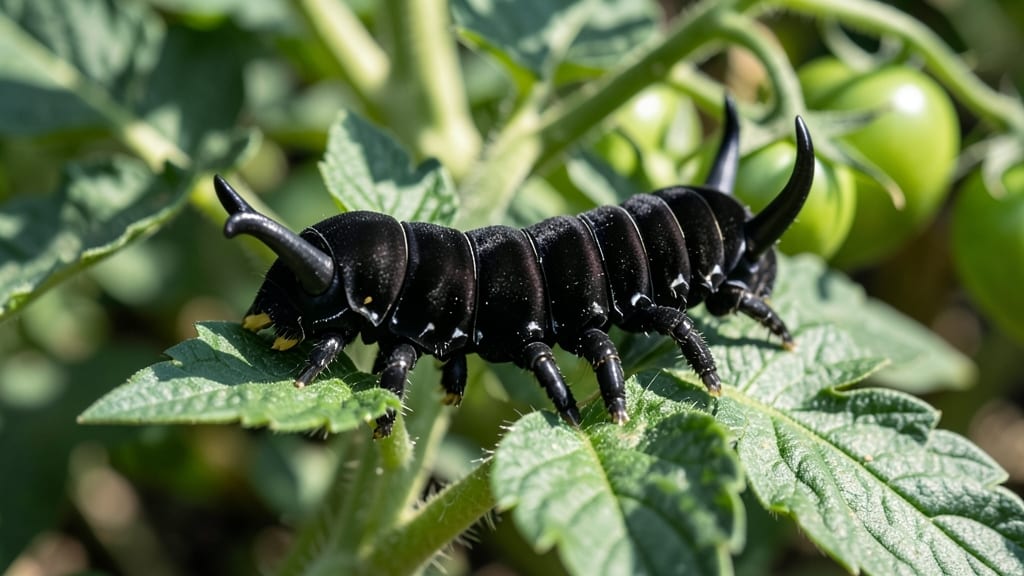
Black caterpillars stripping your tomato plants overnight? 🌱 Those ravenous hornworms can devour a plant in days if left unchecked—and I’ve lost entire vines to them before.
The key to stopping them lies in understanding their lifecycle and acting at the right time, before they turn your thriving plants into skeleton leaves. The damage starts small: chewed leaves, then missing stems, until your plant looks like it’s been through a tornado.
But here’s the good news: hornworms are easy to spot (they’re big, black, and sometimes have yellow stripes) and even easier to control with the right organic methods. I’ve used neem oil, handpicked them, and even introduced their natural predators—all without harming my harvest.
By the end of this, you’ll know exactly when to check your plants, how to remove them safely, and which preventative steps keep them from returning. Your tomatoes will bounce back faster than you think, with fewer holes and more fruit to enjoy.
This works for backyard gardens, containers, or even a single potted plant. Let’s get those caterpillars under control before they take over your harvest.
Root Causes Of Tomato Plant Invaders
Black caterpillars feasting on your tomato plants aren’t just a random nuisance—they’re the result of specific ecological triggers. Understanding these causes helps you prevent future infestations and act faster when they appear.
Below, we break down the most common reasons these pests target your tomatoes, along with the science behind their behavior.
Tomatoes produce natural sugars and soft tissues when they ripen, making them a magnet for hungry caterpillars. But here’s the kicker: overripe or bruised fruit releases even more enticing odors and nutrients, signaling to pests like the tomato hornworm (a common black caterpillar) that it’s a prime feeding ground.
- Why it happens: Caterpillars rely on volatile organic compounds (VOCs) emitted by stressed or decaying plants. These chemicals act like a dinner bell, drawing them in from up to 30 feet away.
- Actionable fix:
- 🔥 Harvest tomatoes promptly—don’t let them overripe on the vine.
- 🍳 Remove fallen or damaged fruit immediately to eliminate the scent trail.
- 👨🍳 Prune lower leaves to improve airflow and reduce hiding spots for eggs.
Caterpillars thrive in messy, neglected gardens because debris provides shelter from predators (like birds and parasitic wasps) and moisture to sustain their development. If your tomato patch has last year’s leaf litter, weeds, or unkempt mulch, you’re essentially giving these pests a five-star hotel.
- Why it happens:
- Weeds and plant residue harbor egg-laying adult moths (the caterpillars’ parents).
- Moist mulch or dense foliage protects young larvae from natural enemies.
- Compost piles near tomato plants can accelerate caterpillar growth by providing extra nitrogen.
- Actionable fix:
- ⏰ Clear garden beds in early spring—remove all plant debris and weeds within a 10-foot radius of tomatoes.
- 🔪 Use straw mulch sparingly (no thicker than 2 inches) to deter hiding spots.
- ✨ Rotate crops annually to break the caterpillar life cycle.
Most caterpillars, including black species like the black cutworm or tomato fruitworm, are nocturnal. They wait until darkness to feed because it’s when their natural predators—like birds and lizards—are least active. If you’ve noticed holes in your tomatoes only at dawn, this is your clue.
- Why it happens:
- Caterpillars time their feeding to coincide with lower predator activity, often between 10 PM and 4 AM.
- Moonlight and artificial lights (like porch lights) can disrupt predator hunting patterns, making nights safer for caterpillars.
- Some species, like the tomato hornworm, are camouflaged as twigs or leaves during the day but become active feeders after dark.
- Actionable fix:
- 🌡️ Inspect plants at dusk with a flashlight—look for fresh frass (droppings) or silken webbing.
- 🎯 Install yellow LED bug lights near the garden to attract moths (adult caterpillars) away from your tomatoes.
- 💡 Encourage daytime predators like ladybugs or praying mantises with a small water source nearby.
Black caterpillars are highly sensitive to temperature and humidity. Warmer, wetter springs and longer growing seasons (thanks to climate change) mean these pests are breeding earlier and in larger numbers than ever before. In some regions, they’ve even become year-round threats.
| Factor | Why It Attracts Caterpillars | Actionable Solution |
|---|---|---|
| High humidity (60%+) | Softens plant tissues, making them easier to digest and signals to moths that conditions are ideal for egg-laying. | 🌡️ Improve drainage in garden beds to reduce moisture retention. |
| Unseasonably warm winters | Allows overwintering pupae to survive and emerge earlier, leading to multiple generations per year. | ✨ Apply diatomaceous earth in early spring to smother pupae before they hatch. |
| Late frosts followed by heatwaves | Stresses plants, causing them to release distress signals that attract egg-laying moths. | 🌱 Use row covers in early spring to protect young plants from temperature swings. |
Quick Fixes for Garden Invaders
Spotting black caterpillars munching on your tomato plants can feel like a nightmare, but don’t panic—there are effective, organic ways to tackle these pests without harsh chemicals. Below, we break down solutions by cause, so you can act fast and protect your harvest. 🚀🌱
Before jumping into fixes, confirm what you’re dealing with. Common black caterpillars on tomato plants include:
- Hornworms (large, green with black stripes or black heads)
- Tomato Fruitworms (small, black, and fuzzy)
- Cutworms (black or dark brown, nocturnal)
Pro tip: 🔍 Check the undersides of leaves and near stems—these are their favorite hiding spots!
If you’ve got a small infestation, your hands (and a little patience) are your best tools.
👨🍳 Step-by-Step Handpicking
- Timing is key 🕒: Early morning or late evening when caterpillars are sluggish.
- Wear gloves 🧤 (optional but helpful for squishy textures).
- Gently pluck 🪰: Grab the caterpillar by the body (not the head) and drop it into soapy water.
- Repeat daily ⏰: Check plants every 2–3 days to stay ahead.
Pro tip: 🌡️ If temps are above 85°F, caterpillars are less active—pick them in cooler hours!
Encourage beneficial insects to keep caterpillar populations in check:
| Predator | How to Attract | Effectiveness |
|---|---|---|
| Ladybugs | Plant marigolds, dill, or fennel nearby. | ⭐⭐⭐⭐⭐ |
| Praying Mantises | Leave wildflowers and tall grasses. | ⭐⭐⭐⭐ |
| Parasitic Wasps | Avoid pesticides; they lay eggs in caterpillars. | ⭐⭐⭐⭐⭐ |
Pro tip: ✨ Avoid broad-spectrum pesticides—they kill beneficial insects too!
For larger infestations, these sprays disrupt caterpillars’ feeding habits without harming your plants:
🌿 Bacillus Thuringiensis (Bt)
- How it works: A natural bacterium that targets caterpillars’ digestive systems.
- How to use:
- Mix Bt powder with water as directed. 💧
- Spray evenly on leaves (top and bottom) and stems. 🌿
- Reapply every 7–10 days or after rain. ☔
- Best for: Hornworms and tomato fruitworms.
Pro tip: 🎯 Apply Bt in the late afternoon to avoid harming bees!
🍋 Spicy Pepper Spray
- Recipe:
- 1 tbsp cayenne pepper or hot sauce
- 1 tsp dish soap
- 1 quart water
- How to use: Shake well and spray directly on caterpillars. 🔥
- Reapply: Every 3–4 days or after rain.
Pro tip: 💡 Test on a small leaf first—some plants are sensitive to spice blends!
An ounce of prevention is worth a pound of cure! Here’s how to keep caterpillars off your tomatoes:
- 🌱 Plant companions: Interplant with basil, marigolds, or nasturtiums—they repel pests.
- 🕷️ Physical barriers: Use floating row covers early in the season to block egg-laying moths.
- 🌙 Nighttime checks: Cutworms are nocturnal—shine a flashlight at dusk to spot and remove them. 🔦
- 🌿 Healthy soil: Strong plants resist pests better! Add compost and mulch to boost tomato vigor.
Pro tip: 🌱 Rotate crops yearly to disrupt caterpillar life cycles!
With these methods, you can regain control of your tomato plants and enjoy a bountiful, pest-free harvest. Act fast, stay consistent, and let your garden thrive! 🍅💚
Frequently asked questions
What do black caterpillars on tomato plants look like?
Most common black caterpillars include hornworms (large, green with black stripes or black heads, up to 4 inches long) and fruitworms (small, fuzzy, and black). Cutworms appear as flat, dark brown or black bands that hide during the day. Look on undersides of leaves and near stems—their favorite hiding spots!
How fast can black caterpillars destroy tomato plants?
A single hornworm can defoliate a tomato plant in just 2-3 days! They eat voraciously, especially at night. If you see large holes or skeletonized leaves, act immediately—these pests can strip a plant completely in 48 hours if left unchecked.
Is it safe to eat tomatoes with caterpillar damage?
Yes, but only if the damage is minor and you've removed all visible pests. Caterpillars rarely contaminate fruit directly, but severe defoliation weakens plants, reducing yield and quality. For heavy infestations, focus on removal first—your next harvest will be healthier!
Why do I keep seeing caterpillars even after treatment?
Caterpillars have a 2-3 week lifecycle, so eggs may still hatch after you remove larvae. Check plants daily, especially at dawn/dusk, and reapply organic sprays like Bt or neem oil every 7-10 days. Also, moths may be laying new eggs nearby—remove debris and attract beneficial predators!
Can I use chemical pesticides on tomato plants?
While chemical pesticides work, they harm beneficial insects that control caterpillars naturally. For organic gardens, stick to Bacillus thuringiensis (Bt), spinosad, or soapy water sprays. If you must use chemicals, choose pyrethrin-based products and apply at dusk to protect bees.