
Plants
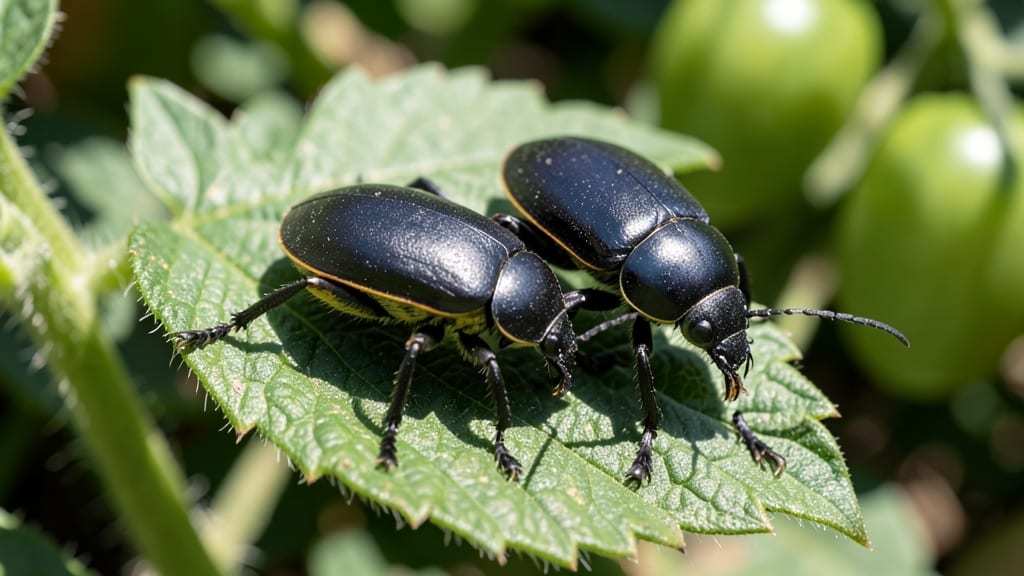
Those big black bugs on tomato plants eating your tomato leaves? 🌱 They’re hornworms—and they’ll strip your plants bare in days if you don’t act. I’ve watched them devour entire plants overnight, leaving only stems behind. The good news? They’re easy to spot, and organic control works fast.
Hornworms hide on the undersides of leaves during the day but go on feeding frenzies at night. Look for skeletal leaves, black droppings, and missing flowers.
They’re the tomato plant’s worst enemy, but their life cycle is short—you can beat them before they multiply. The key is acting at the first sign of damage.
You’ll eliminate them with handpicking, neem oil, or BT spray—all safe for your garden and your family. Within 24 hours of treatment, you’ll see fewer caterpillars, and your plants will start recovering. The best part? These methods prevent future infestations too.
Works for home gardens, container tomatoes, and even greenhouse setups. Once you know what to watch for, you’ll catch them early every time—and save your harvest from becoming a buffet for these ravenous pests.
Root Causes of Tomato Invaders
When you spot big black bugs lurking on your tomato plants, it’s rarely a random event—it’s the result of specific environmental and biological triggers. Understanding these causes is the first step to reclaiming your garden.
Below, we break down the key reasons these pests appear, so you can address the problem at its source.
Tomato plants under stress—whether from poor spacing, nutrient deficiencies, or disease—become prime targets for pests like hornworms and other hungry insects. Why? Weakened plants offer less resistance, and their tender leaves and stems become an easy meal.
- Poor air circulation: Dense foliage traps moisture, creating a humid microclimate that attracts pests.
- Nutrient deficiencies: Plants lacking nitrogen or calcium grow slowly and produce soft, palatable tissue.
- Disease presence: Fungal or bacterial infections (like early blight) weaken plants, making them more vulnerable.
Actionable fix: Prune plants for better airflow, fertilize with balanced tomato-specific nutrients, and rotate crops yearly to prevent soil-borne stress.
Many of these "big black bugs" aren’t just random visitors—they’re part of a predictable life cycle tied to your tomato plants’ growth stages. For example:
| Pest | Peak Activity | Why They Choose Tomatoes |
|---|---|---|
| Hornworms | June–August (larval stage) | Tomatoes are their favorite food—they can strip a plant bare in days. |
| Stink bugs | Late summer (adult stage) | They pierce fruit to feed, causing cosmetic and internal damage. |
| Cutworms | Nighttime (all season) | Young plants are easy prey; they sever stems at the base. |
Actionable fix: Monitor plants during peak pest seasons. Use row covers early in the season to block egg-laying adults.
Your garden’s "mess" might be inviting these pests. Decaying leaves, mulch piles, and nearby weeds provide hiding spots and breeding grounds for bugs. Even "clean" gardens can harbor eggs in soil or plant debris.
- Leaf litter: Hornworm eggs are often laid on the undersides of leaves.
- Weeds like nightshade: They host pests that later migrate to tomatoes.
- Wooden stakes or mulch: Some pests (like earwigs) use them as shelter.
Actionable fix: Clear debris regularly, remove weeds, and avoid thick mulch near plant bases. Consider neem oil sprays to deter egg-laying.
Pests thrive in specific conditions, and your local climate plays a huge role. For instance:
- Warm, humid nights: Hornworms and stink bugs are more active.
- Drought stress: Water-deprived plants produce sweeter sap, attracting pests.
- Sudden temperature drops: Some pests seek shelter on plants, increasing visibility.
Actionable fix: Use drip irrigation to avoid wetting foliage (which attracts pests), and time plantings to avoid peak pest seasons in your region.
If your neighbors grow tomatoes—or if you’ve planted tomatoes in the same spot yearly—you’re creating a pest buffet. Some insects travel miles to find hosts, while others overwinter in soil.
- Monoculture gardening: Repeatedly planting tomatoes in one area builds up pest populations.
- Wildlife corridors: Birds or mammals may carry pest eggs on their feathers or feet.
Actionable fix: Practice 3-year crop rotation, interplant with pest-repelling herbs (like basil or marigolds), and install birdhouses to encourage natural predators.
How to Fix It Fast
Now that you’ve identified those menacing big black bugs on tomato plants—likely hornworms—it’s time to act. These voracious pests can strip a plant bare in days, but with the right strategies, you can reclaim your garden and protect your harvest.
Below, we break down targeted solutions based on the most common causes and infestation stages, plus prevention tips to keep your tomatoes thriving.
If you’ve spotted large, fuzzy caterpillars (hornworms) or their telltale black droppings, the fastest fix is to remove them by hand. This method is chemical-free, immediate, and highly effective—just be prepared for a little gross-out factor.
- 👨🍳 When to do it: Early morning or evening when hornworms are sluggish (they’re less likely to squirm away).
- 🔪 How to do it:
- Wear gloves (they can be slimy!).
- Use tweezers or tongs to grasp the worm by the head or thorax—avoid the body to prevent regurgitating digestive acids onto your hands.
- Drop them into a bucket of soapy water (1 tbsp dish soap per gallon) to kill them instantly.
- Check under leaves—hornworms love to hide!
- ⏰ Frequency: Repeat daily for 3–5 days, then every other day until no more are found.
💡 Pro Tip: If you’re squeamish, freeze them first—place them in a sealed bag in the freezer for 24 hours before disposal. This makes the process a little less… intimate.
Hornworms have natural enemies that can help control their population without harming your plants. Encourage these beneficial insects to move into your garden:
- 🐞 Parasitic Wasps (Braconid Wasps):
- These tiny wasps lay eggs inside hornworm larvae, eventually killing them.
- How to attract them: Plant dill, fennel, or parsley nearby—they love these herbs.
- What to expect: You’ll see white cocoons on hornworms (don’t remove them—they’re doing the work for you!).
- 🦋 Ladybugs & Lacewings:
- Both eat hornworm eggs and young larvae.
- How to attract them: Release purchased ladybugs or set up lacewing egg cards near your tomato plants.
- 🐸 Frogs & Toads:
- These amphibians devour hornworms but may also snack on other pests.
- How to attract them: Keep a shallow water dish with rocks for them to climb out of.
✨ Bonus: If you’re growing basil near tomatoes, you’ll notice fewer hornworms—basil’s scent repels them naturally.
If manual removal isn’t enough (or you’re dealing with a severe infestation), organic sprays can help disrupt hornworm feeding without harming your plants or pollinators.
| Solution | How to Use | Effectiveness | Best For |
|---|---|---|---|
| Neem Oil Spray | Mix 1 tbsp neem oil + 1 tsp mild soap + 1 quart water. Spray evenly on leaves (avoid flowers if bees are active). | ⭐⭐⭐ (Moderate) | Young larvae, prevention |
| Bacillus thuringiensis (Bt) | Sprinkle Bt powder on leaves or mix with water for a spray. Safe for humans/pets but kills only caterpillars. | ⭐⭐⭐⭐ (High) | All life stages (eggs to mature worms) |
| Spinosad (Organic Pesticide) | Follow label instructions—highly effective but may harm bees. Use at dusk. | ⭐⭐⭐⭐⭐ (Very High) | Heavy infestations (last resort) |
🌡️ Pro Tip: For neem oil, apply in the evening to avoid harming bees. Reapply every 5–7 days or after rain.
The best defense is a strong offense. Implement these long-term strategies to prevent hornworms from moving in:
- 🍃 Companion Planting:
- Basil, marigolds, or onions planted near tomatoes repel hornworms.
- Nasturtiums act as a trap crop—hornworms prefer them over tomatoes!
- 🕷️ Row Covers:
- Use fine mesh netting over young tomato plants to block egg-laying moths.
- Remove covers when flowers appear to allow pollination.
- 🌱 Regular Scouting:
- Inspect plants 2–3 times per week—catch eggs (tiny green ovals) or small larvae before they grow.
- Remove egg masses by hand (they’re usually on the underside of leaves).
- 🌱 Healthy Soil = Strong Plants:
- Well-fed tomatoes (rich in compost and organic matter) are less attractive to pests.
- Avoid over-fertilizing with nitrogen—hornworms love soft, leafy growth.
If your garden is overrun despite your best efforts, consider:
- 🐝 Professional Pest Control: For large-scale organic farms, companies offer beneficial insect releases.
- 🍅 Replace Severely Damaged Plants: If a tomato plant is more than 50% defoliated, it may not recover—pull and compost it (don’t leave it in the garden).
Final Thought: Hornworms are nature’s way of keeping things balanced, but in your garden, they’re opportunistic thieves. With daily checks, natural predators, and smart prevention, you can keep them in check and enjoy juicy, pest-free tomatoes all season long! 🍅💪
Frequently asked questions
What do those big black bugs on tomato plants actually look like?
Most are hornworms—large, smooth, green caterpillars with black and white stripes along their sides. They can grow up to 4 inches long and have a distinctive "horn" at their rear. Look for black droppings on leaves and skeletal remains of chewed foliage. Stink bugs (another common pest) are shield-shaped, brownish-black and about 1/2 inch wide.
Are these big black bugs harmful to my tomato fruits?
Yes! Hornworms won’t just eat leaves—they’ll devour flowers and fruit too, leaving behind large, irregular holes. Stink bugs pierce fruit to feed, causing internal damage and cosmetic blemishes that make tomatoes unmarketable. Cutworms (another black pest) sever young plants at the base, killing them overnight. Act fast if you spot any of these signs.
How do I tell if my tomato plant is dying from pests or disease?
Pest damage shows as large, irregular holes in leaves with frass (black droppings) nearby. Disease symptoms include yellow spots, powdery mildew, or wilting without visible bugs. Check the undersides of leaves—pests hide there! If you see chewed stems near the soil line, it’s likely cutworms. Diseased plants often have mushy stems or discolored veins.
Will commercial pesticides kill these big black bugs?
Yes, but they’re not the best long-term solution. Synthetic pesticides like carbaryl or permethrin work fast but can harm beneficial insects and leave residues. For organic control, use Bt (Bacillus thuringiensis) or spinosad—both target caterpillars specifically. Always apply at dusk to protect bees, and reapply after rain.