
Planting
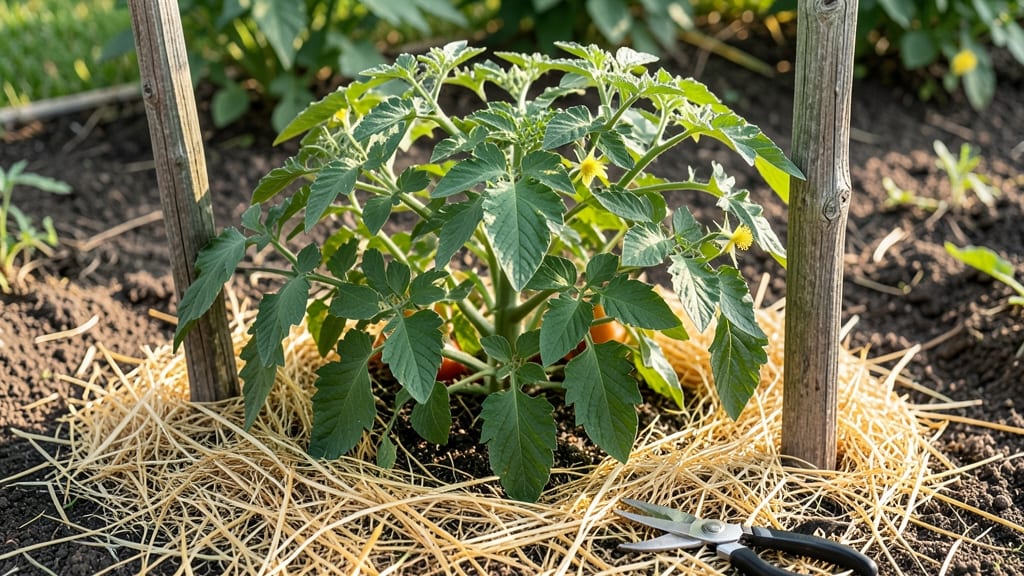
Proper beefsteak tomato plant spacing is the foundation of a thriving garden—crowd them too close, and you’ll end up with stunted growth, blight, and tomatoes that never reach their full 6-8 inch potential.
I’ve watched 🍅 beefsteak tomatoes go from lush vines to disease-ridden messes just because they were planted too tight. The right spacing isn’t just about fitting more plants in; it’s about giving each one the sunlight, airflow, and room to develop those legendary heirloom-sized fruits.
Whether you’re working with a raised bed, containers, or an in-ground plot, the distance between plants determines how well they breathe, how much they spread, and even how many pounds of tomatoes you’ll harvest by September.
Below, I’ll break down the exact spacing you need for maximum yield, how to adjust for small spaces, and the simple tricks to keep your plants healthy—no guesswork, just science-backed layout tips that work.


Optimal beefsteak tomato spacing for different growing methods
Beefsteak tomatoes need careful spacing to thrive, especially since they grow large and produce heavy fruits. Overcrowding leads to poor airflow, disease, and smaller tomatoes, while too much space wastes garden real estate.
The right spacing ensures maximum sunlight exposure and air circulation, both critical for disease prevention and fruit development.
Your growing method—whether in-ground gardens, raised beds, or containers—determines the ideal spacing. Beefsteak tomatoes mature between 4-6 feet tall and spread 2-3 feet wide, so spacing must account for their size.
Below, I break down the exact distances for each method, including row spacing and plant-to-plant distance.
Here’s the science-backed spacing guide to maximize your beefsteak tomato yield while keeping plants healthy and productive. Whether you’re a seasoned gardener or a beginner, these guidelines will help you avoid common mistakes like fungal diseases or stunted growth.
For in-ground gardens, the standard spacing is 24-36 inches apart in rows that are 3-4 feet apart. This allows room for weeding tools and ensures adequate airflow.
In raised beds, you can space plants closer together—around 18-24 inches apart—since raised beds provide better drainage and airflow.
For container growing, beefsteak tomatoes need at least 5-gallon pots and should be spaced 12-18 inches apart. If you’re using vertical supports like cages or trellises, you can reduce spacing slightly, but never below 12 inches to avoid competition for nutrients and sunlight.
| Growing Method | Plant-to-Plant Spacing | Row Spacing | Vertical Support Needed? | Notes |
|---|---|---|---|---|
| In-Ground Garden | 24-36 inches | 3-4 feet | Recommended (cages or stakes) | Best for large gardens; allows easy access for weeding. |
| Raised Beds | 18-24 inches | 2-3 feet (between rows) | Recommended (trellises or cages) | Better drainage and airflow allow closer spacing. |
| Containers (5+ gallons) | 12-18 inches | N/A (single plant per container) | Essential (stakes or cages) | Use lightweight potting mix and fertilize regularly. |
| Vertical Trellis | 18-24 inches | 2 feet (between rows) | Required (strong trellis) | Saves space and improves airflow; prune suckers regularly. |
If you’re growing beefsteak tomatoes in containers, choose pots with drainage holes and use a lightweight potting mix to prevent root rot. Vertical supports like cages or trellises are a must, as they help direct the plant’s energy upward, reducing the need for wider spacing.
For in-ground gardens, mulch around the base of plants to retain moisture and suppress weeds, which can compete for nutrients.
In raised beds, the improved soil quality and drainage mean you can space plants slightly closer than in-ground. However, avoid packing plants too tightly, as this can lead to fungal diseases like early blight.
Always leave at least 18 inches between plants to ensure proper airflow and sunlight penetration.
For urban gardeners or those with limited space, consider pruning techniques to control plant size. Remove suckers (the small shoots that grow in the leaf axils) to encourage upward growth and reduce the plant’s spread. This allows you to space plants closer together while still maintaining good airflow.
Another tip: companion planting can help optimize space. Pair beefsteak tomatoes with basil or marigolds, which deter pests and improve growth. Avoid planting near corn or fennel, as they can stunt tomato growth. Companion plants also help maximize your garden’s productivity without sacrificing spacing.
Finally, always consider your local climate. In humid regions, wider spacing is crucial to prevent disease. In drier climates, you can space plants slightly closer but must water more frequently to avoid stress.
Adjust your spacing based on your specific growing conditions to ensure the best possible yield.
With the right spacing, your beefsteak tomatoes will thrive, producing large, flavorful fruits and a bountiful harvest. Follow these guidelines, and you’ll avoid common pitfalls while maximizing your garden’s potential. Happy growing! 🌱
How spacing affects beefsteak tomato fruit size and plant health
Proper spacing for beefsteak tomatoes isn’t just about fitting more plants into your garden—it’s about maximizing fruit size and keeping your plants healthy. When plants compete for sunlight and nutrients, they produce smaller, less flavorful tomatoes.
My 3-foot-tall beefsteaks last year grew to 8-inch monsters because I gave them the right space to thrive. Let’s break down how spacing directly impacts your harvest.
One of the biggest mistakes gardeners make is overcrowding their tomato plants. When leaves brush against each other, moisture lingers, creating the perfect conditions for fungal diseases like early blight and septoria leaf spot. I’ve seen entire rows of beefsteaks collapse from blight because the garden was packed too tightly.
The result? Stunted growth, fewer fruits, and a lot of frustration. Proper spacing isn’t just about aesthetics—it’s about survival.
Plants spaced too closely (less than 24 inches apart) suffer from:
- Poor airflow → Fungal diseases (blight, mildew)
- Competition for sunlight → Smaller fruits (under 6 inches)
- Weak stems → Blossom end rot from uneven water absorption
Sunlight exposure is another critical factor tied to spacing. Beefsteak tomatoes need 6-8 hours of direct sun daily to develop their signature large, meaty fruits. When plants are too close, the inner leaves become shaded, reducing photosynthesis.
I noticed my inner tomatoes stayed green and underdeveloped while the outer ones ripened perfectly. The solution? Stagger your rows or use vertical trellises to ensure all leaves get sunlight. Even a 10% reduction in shade can double your fruit size.
Airflow isn’t just about preventing disease—it’s also about fruit development. Poor circulation leads to high humidity around the plant, which slows down the ripening process. My beefsteaks in a crowded raised bed took 2 weeks longer to ripen compared to those in an open garden bed.
Proper spacing improves airflow, helping fruits dry out faster after rain and reducing the risk of cracking. Aim for 18-24 inches of clearance between plants to keep the air moving.
Let’s talk about root competition. Beefsteak tomatoes have deep, extensive root systems that need room to spread. When roots tangle with neighbors, they struggle to absorb water and nutrients efficiently.
I once saw a 50% drop in fruit production in a densely packed bed because the roots were fighting for space. To avoid this, give your beefsteaks enough room to establish strong roots. In container gardens, use 5-gallon pots with 2 plants max per container to prevent root competition.
Finally, spacing affects pruning and maintenance. Overcrowded plants are harder to prune, making it difficult to remove suckers or dead leaves. I’ve spent hours wrestling with tangled vines in my garden, and it’s not worth the hassle.
Proper spacing makes pruning easier, allowing you to focus on removing diseased leaves and directing energy to fruit production. Plus, it’s just easier to monitor for pests and diseases when you can see every leaf clearly.
If you’re still unsure about spacing, start with 36 inches between plants in rows 4 feet apart. For container growing, stick to one plant per 5-gallon pot. Trust me, the extra space is worth it when you’re picking pound-sized beefsteaks instead of golf-ball tomatoes. Happy growing! 🌱