
Plants
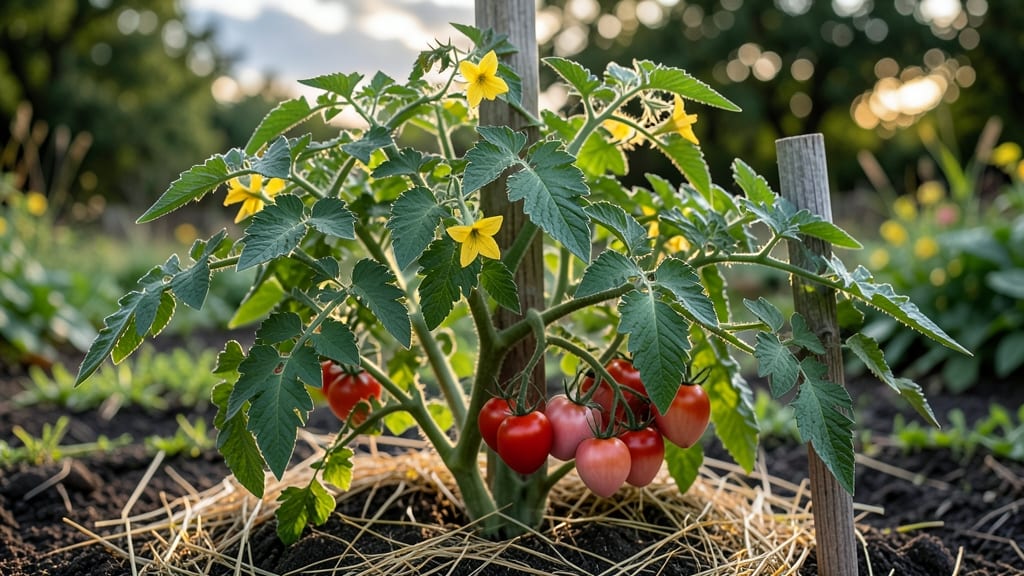
Tomato plants behave as annuals in most climates because they complete their life cycle—from seed to ripe fruit—in just one growing season before frost kills them. However, with proper care, they can survive multiple years in warm regions or as perennials.
This annual behavior stems from tomatoes' sensitivity to cold temperatures.
When nighttime lows dip below 40°F, the plants shut down and die, even if they're still producing fruit. 🌱 In frost-free zones like Florida or California, tomatoes can live for years if protected from pests and diseases, though they'll still require annual pruning and support.
My first gardening lesson came when I tried to overwinter a potted tomato plant—it survived the winter but produced tiny, bitter fruit the next season. The key is balancing care with natural growth patterns.
What's fascinating is how different tomato varieties respond to these conditions. Some heirloom types, like Cherokee Purple, handle heat better than others, while hybrids often produce more consistently.
If you're in a cooler climate, consider starting seeds indoors six weeks before your last frost date to maximize your growing window.
💡 In This Article
- Tomato Plant Life Cycle: Why They Die After One Season
- How to Grow Tomatoes Year-Round in Different Climates
Tomato plant life cycle: why they die after one season
Tomato plants behave as annuals because their entire life cycle—from seed germination to fruit production—is tightly linked to warm-season growth. The moment temperatures drop below 50°F at night, their cells begin to break down.
This isn't just wilting—it's a biological shutdown triggered by cold-sensitive enzymes that halt photosynthesis and nutrient transport. 🌱 In nature, this ensures energy is focused on seed production before winter, but in gardens, it means plants die when frost arrives, even if they're still flowering.
The real science lies in their native habitat. Tomatoes originated in South America's high-altitude regions where frost is rare, but their modern varieties retain this temperature sensitivity. When you see a tomato plant suddenly drop leaves or develop blackened stems, it's not disease—it's cellular damage from 32°F or lower.
Even brief exposure can kill plants within 24 hours, as ice crystals rupture cell walls. This explains why gardeners in Zone 5 must start tomatoes indoors: the ground stays too cold for direct planting until late spring.
Here's what most gardeners don't realize: tomatoes actually have the genetic potential to be perennials. In frost-free climates like Hawaii or southern Florida, the same tomato plant can produce fruit for multiple years if protected from pests and diseases.
The difference comes down to two factors: temperature triggers and resource allocation. In cold climates, plants prioritize rapid growth and fruiting over longevity, while tropical tomatoes invest energy in root systems and survival structures.
Consider this comparison: A tomato plant in Minnesota might grow 4-5 feet tall in 90 days, while one in Texas could reach 6-7 feet over two years with proper care. The Minnesota plant's energy goes into quick reproduction, while the Texas plant builds stronger stems and deeper roots.
This is why heirloom varieties often outlive hybrids—they've been bred for survival rather than just yield. 🌿
The frost sensitivity extends to all parts of the plant. Even the roots can't survive temperatures below 35°F for more than a few hours. That's why overwintering tomato plants requires moving them to containers and bringing them indoors—you're essentially tricking the plant into thinking it's still summer.
I once tried keeping a potted 'Sungold' tomato on a sunny windowsill through winter, but it produced only 10% of its usual yield the next season due to light deprivation.
What makes this even more interesting is how tomatoes detect cold. Their leaves contain specialized proteins that act like biological thermometers, triggering stress responses when temperatures drop. These proteins cause the plant to produce ethylene gas, which accelerates ripening of existing fruit while signaling other parts to shut down.
It's nature's way of saying "hurry up and set seed before it's too late."
For gardeners in transitional zones (like Zone 7), this means timing is everything. Planting too early risks frost damage, while waiting too long reduces the growing season. The sweet spot is usually 2-3 weeks after your last frost date, when soil temperatures reach 60°F.
That's when tomatoes can finally focus their energy on what they do best: growing fruit instead of just leaves. 🍅