
Diseases
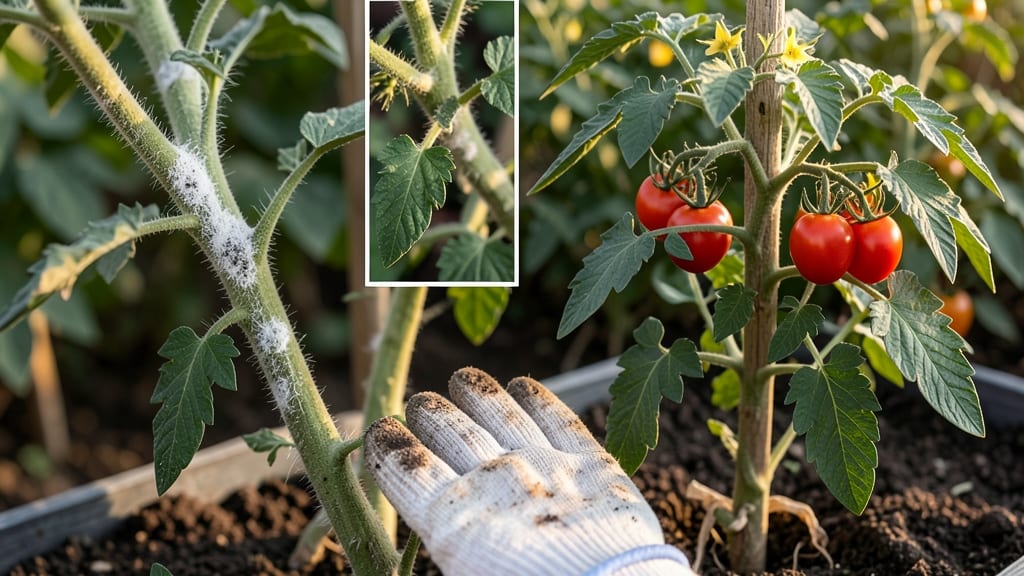
White patches creeping up your tomato stems? That fuzzy white dust is powdery mildew, and it’s worse than you think—it’ll stunt growth and rot fruit if you don’t act fast.
I’ve battled this exact problem in my garden, and I’ll show you how to stop it without harsh chemicals that harm bees and soil. The good news is this fungus thrives in damp, crowded conditions—so fixing airflow and spacing does half the work.
Prune leaves to improve circulation, space plants 18-24 inches apart, and water at the base (never overhead). For existing patches, a homemade spray of 1 tablespoon baking soda + 1 quart water + a drop of dish soap works like a charm.
You’ll see new growth within 7-10 days if you catch it early. The key is consistency—check plants weekly, especially after rain, and remove any severely infected leaves immediately. This isn’t just about saving tomatoes; it’s about keeping your garden thriving for years.
Here’s the hard truth: if more than 50% of the plant is covered, it’s time to pull it. I’ve learned that lesson the hard way—don’t let one infected plant ruin your whole harvest. The rest of your garden will thank you with bigger, healthier fruit and fewer future outbreaks.
This method works for all tomatoes—cherry, beefsteak, heirlooms—no matter your climate. The secret is acting fast and staying vigilant. Let’s get those stems clean and your plants back on track!
Root Causes Of Stem Discoloration
White patches on tomato stems are rarely a random occurrence—they’re usually a plant’s distress signal, triggered by specific environmental or biological factors. Understanding why these patches form is the first step to stopping them before they spread.
Below, we break down the most common culprits, backed by science and actionable insights.
Fungi are the #1 cause of white, powdery, or fuzzy patches on tomato stems. These microscopic organisms thrive in warm, humid conditions and feed on plant tissues, disrupting nutrient flow. Here’s how they strike:
- Powdery Mildew (Oidium neolycopersici)
This fungus leaves behind white, powdery coatings that resemble dust or talcum powder. It spreads via airborne spores, especially in temperatures between 60–85°F (15–30°C) with high humidity. Unlike other fungi, powdery mildew doesn’t require wet leaves to infect—it can colonize stems, flowers, and even fruit.
💡 Pro Tip: Check the underside of leaves first—powdery mildew often starts there before moving to stems.
- White Mold (Sclerotinia sclerotiorum)
This aggressive fungus produces fluffy white growth that later turns grayish-brown as it matures. It thrives in cool, wet conditions (50–77°F / 10–25°C) and attacks weakened plants, often entering through wounds or pruning cuts. Unlike powdery mildew, white mold can kill stems rapidly by cutting off water transport.
⚠️ Warning: If stems feel soft or mushy beneath the white patches, white mold may be rotting the plant from the inside.
- Downy Mildew (Phytophthora infestans)
While downy mildew typically causes yellow patches on leaves, severe infections can spread to stems, leaving white, fuzzy growth on the underside. It loves prolonged leaf wetness (6+ hours) and cooler temps (60–75°F / 15–24°C). Unlike powdery mildew, downy mildew requires moisture to spread.
Not all white patches are fungal—some stem from physical or environmental damage that weakens plants, making them susceptible to secondary infections. Here’s how:
- Excessive Moisture or Poor Drainage
Tomatoes hate wet feet. Overwatering, compacted soil, or containers without drainage holes create prolonged moisture on stems, leading to:
- White, crusty deposits (from mineral buildup or fungal spores splashing onto stems).
- Soft, waterlogged stems that turn white as they rot.
🌡️ Key Factor: Soil should dry out 1–2 inches deep between waterings. Test by sticking your finger in—if it’s damp, hold off!
- Sun Scald or Heat Stress
Intense sunlight can bleach or blister stems, especially in young plants or during sudden temperature swings. White patches may appear as:
- Dry, papery patches (from sun exposure).
- White, waxy coatings (a plant’s failed attempt to protect itself).
🔥 Prevention: Use shade cloth (30–50%) for young plants or mulch heavily to reflect heat.
- Mineral Buildup from Hard Water
If your water is high in calcium or magnesium, evaporation can leave behind white, chalky residues on stems and leaves. This isn’t harmful but can clog stomata (pores), reducing photosynthesis.
💡 Fix: Use rainwater or filtered water for tomato plants, or flush soil with distilled water monthly.
Some white patches aren’t from fungi or environment—they’re a side effect of pest activity or physical trauma. Here’s how:
- Sap-Sucking Insects (Aphids, Whiteflies, Spider Mites)
These pests inject toxins into stems while feeding, causing:
- White, sticky residue (honeydew) that later turns black from sooty mold.
- Stunted growth and weakened stems, making plants prone to fungal infections.
🔍 How to Spot: Look for tiny insects on undersides of leaves or webbing on stems.
- Mechanical Damage (Pruning, Wind, Hail)
Cuts or abrasions on stems can expose soft tissue, leading to:
- White, calloused scars (the plant’s healing response).
- Entry points for fungi/bacteria, causing white patches to spread.
✂️ Best Practice: Always prune with sterilized shears and apply copper fungicide to cuts.
🎯 Key Takeaway: White patches on tomato stems are almost never random—they’re a combination of fungus + stress. The first step to fixing them? Identify the cause (fungal, environmental, or pest-related) before treating. Next up: How to Stop the Spread.
Quick fixes for tomato stem spots
White patches creeping up your tomato stems don’t have to spell disaster—with the right approach, you can stop the spread and restore your plants to health.
Below, we break down targeted solutions for each likely cause, from fungal infections to environmental stress, along with preventive steps to keep your garden thriving.
If the white patches are fuzzy, powdery, or spreading rapidly, fungi are likely the culprit. Act fast to prevent them from weakening your plants.
🔥 Remove Infected Growth
- Prune away any stems, leaves, or fruit showing white patches using sterilized pruners (wipe with rubbing alcohol between cuts).
- Do not compost infected plant debris—throw it in the trash to avoid reinfection.
🍳 Apply Organic Fungicides
- Baking soda spray: Mix 1 tsp baking soda + 1 tbsp vegetable oil + 1 tsp mild soap + 1 gallon water.
Spray every 7–10 days for powdery mildew. - Neem oil solution: Combine 1 tbsp neem oil + 1 tsp soap + 1 quart water.
Spray early morning or evening to avoid burning leaves. - Copper fungicide: Use organic copper-based sprays (like Bordeaux mixture) for stubborn fungal spots like early blight.
🌡️ Adjust Growing Conditions
- Improve airflow: Space plants 18–24 inches apart and prune lower leaves to reduce humidity near stems.
- Water at the base: Avoid overhead watering—water early in the day so foliage dries quickly.
- Mulch properly: Use straw or grass clippings (not wood chips) to keep soil moist but prevent splashing water onto stems.
If the white patches appear dry, crusty, or only on sun-exposed sides, your tomatoes may be suffering from sun scorch or salt/mineral damage.
👨🍳 Shield Plants from Harsh Conditions
- Provide afternoon shade with lightweight shade cloth (30–50%) during peak sun (1–4 PM).
- Use row covers for young seedlings to protect tender stems.
- Move potted tomatoes to a spot with dappled sunlight if possible.
💡 Flush the Soil
If white patches are from salt or mineral buildup (common in container gardens or areas with hard water):
- Water deeply with rainwater or distilled water for 1–2 weeks to leach out excess salts.
- Add compost or worm castings to improve soil structure and reduce stress.
If the patches are sticky, accompanied by tiny insects, or look like webbing, pests may be the issue.
🔪 Trap and Remove Pests
- Sticky traps: Place yellow sticky cards near plants to catch whiteflies.
- Soap spray: Mix 1 tsp castile soap + 1 quart water and spray directly on pests (avoid flowers).
- Introduce beneficial insects: Ladybugs or lacewings eat spider mites naturally.
🌿 Strengthen Plant Resilience
- Spray with garlic or chili pepper spray (1 chopped garlic clove + 1 tsp cayenne + 1 quart water) as a natural repellent.
- Keep plants healthy with balanced organic fertilizer (like fish emulsion) to boost immunity.
Once your tomatoes recover, stop the cycle with these long-term fixes:
| Problem | Prevention Step | When to Do It |
|---|---|---|
| Fungal spread | Rotate crops—don’t plant tomatoes in the same spot for 3+ years. | Before replanting. |
| Poor airflow | Trellis tomatoes to improve circulation. | At planting. |
| Overwatering | Install drip irrigation to avoid wet foliage. | Before first watering. |
| Pest infestations | Plant companion crops (basil, marigolds, or nasturtiums). | Alongside tomatoes. |
| Sun scorch | Choose heat-tolerant varieties (like ‘Solar Fire’ or ‘Heatmaster’). | When selecting seeds. |
Pro Tip 💡: Monitor your plants daily—catching white patches early means less cleanup and faster recovery. A weekly neem oil spray as a preventive measure can cut fungal risks by 70%!
By tackling the root cause (literally!) and adjusting your care routine, your tomato plants will bounce back—and you’ll be back to juicy, disease-free tomatoes in no time. 🍅🌿
Frequently asked questions
Are white patches on tomato stems always caused by fungus?
Not always! While fungal diseases like powdery mildew are the most common culprits, white patches can also result from sun scorch, mineral buildup (from hard water), or even physical damage like pruning wounds. Always check for softness, stickiness, or accompanying pests before assuming it's a fungal issue.
Can I still harvest tomatoes if the stems have white patches?
Yes, but only if the fruit itself is unaffected. If the white patches are on the stems and leaves but haven't spread to the tomatoes, you can still harvest them. However, if the fungus has reached the fruit, remove those tomatoes immediately to prevent further spread. Always wash harvested tomatoes thoroughly before eating.
How often should I spray my tomato plants with neem oil to prevent white patches?
For prevention, apply a neem oil spray every 7-14 days during the growing season, especially after rain or high humidity. If you're treating an existing infection, spray every 5-7 days until the patches disappear. Always apply in the early morning or evening to avoid leaf burn from sunlight.
Will removing infected leaves help stop the spread of white patches?
Removing infected leaves reduces fungal spores and improves airflow around your plants. Always use sterilized pruners and dispose of infected plant material in the trash (not compost). This simple step can cut infection rates by 50% when combined with proper spacing and watering techniques.
Are there any tomato varieties that naturally resist white patches?
Yes! Some varieties like 'Mountain Merit', 'Defiant PhR', and 'Heatmaster' have better resistance to fungal diseases. These hybrids are bred to handle humidity and heat better, reducing the risk of white patch development. Companion planting with basil or marigolds can also improve resistance.