
Pests and Diseases
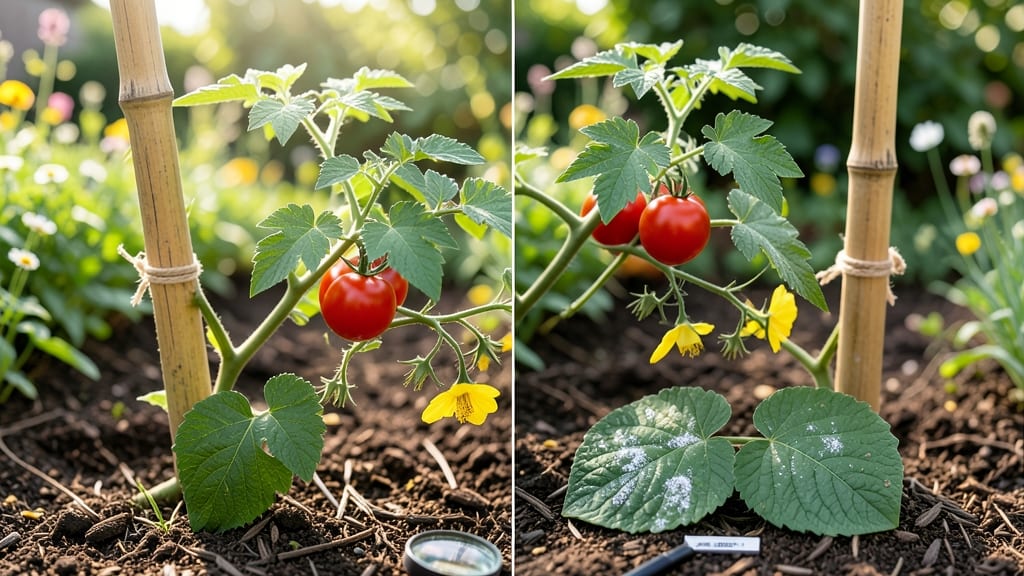
Those white lines on tomato leaves could mean one of three things—and acting fast is your best shot at saving your harvest. 🌱 I’ve seen this ruin entire plants when ignored, but early intervention turns the tide.
The lines might be spider mite trails, fungal streaks, or even a stubborn virus, and each needs a different fix.
First, examine the leaves up close: are the lines paired with tiny webs (mites), spreading yellow patches (fungus), or distorted growth (virus)? The cure depends on the culprit—some respond to neem oil sprays, others need copper-based treatments, and viruses?
Well, prevention is your only hope. I’ll walk you through identifying the problem and the fastest organic fixes to stop it before it spreads.
📚 In This Guide
- What you need
- Instructions
- Tips and common mistakes
- Wrapping up and next steps
What you need
- ● Magnifying glass – A 10x or 20x magnification helps inspect leaves closely for signs of disease or pests.
- ● Pruning shears or scissors – Sterilized tools to trim infected leaves (small, sharp pair for precision).
- ● Garden gloves – Disposable or reusable to protect your hands from sap and pathogens.
- ● Spray bottle (8–16 oz) – For applying homemade or store-bought treatments (preferably with a fine mist nozzle).
- ● Neem oil (100% pure, organic) – 1–2 tablespoons per quart of water (check for OMRI-listed fungicidal properties).
- ● Baking soda (food-grade) – 1 tablespoon per gallon of water (for mild fungal issues).
- ● Hydrogen peroxide (3%) – 1 tablespoon per quart of water (as a disinfectant for tools and leaves).
- ○ Copper fungicide (optional but helpful) – Follow label instructions for dilution (e.g., Copper Soap or Bordeaux Mix).
- ● Plastic bags or zip-top bags – To collect and dispose of severely infected plant debris.
- ○ pH test strips (optional) – To check water pH (ideal range for sprays: 5.0–7.0).
- ● Compost bin – For safely disposing of infected plant material (avoid adding to garden compost if disease is confirmed).
- ● Garden twine or stakes – To support tomato plants if they’re weakened by disease.
- ● Soil test kit – To check nutrient deficiencies (e.g., magnesium or calcium) that may stress plants.
- ● Beneficial nematodes (Phytophthora-resistant strains) – For long-term soil health if fungal diseases are recurrent.
- ● Camera or phone with macro mode – To document symptoms for expert diagnosis if needed.
How to identify and treat white lines on tomato leaves
Here's how to spot the problem fast and stop it before your plants suffer.
🌿 Step 1: Confirm the Problem Is Viral
White lines on tomato leaves are almost always caused by Tomato Mosaic Virus (ToMV) or Tobacco Mosaic Virus (TMV). These viruses don't show up overnight—they spread through infected seeds, contaminated tools, or even your hands if you've touched infected plants. Check for these key signs: irregular white or yellow streaks, crinkled or puckered leaves, and stunted growth.
Don't confuse viral lines with other issues like spider mites (tiny webs) or fungal spots (powdery or rust-colored). Viral symptoms appear on both new and old leaves, while pests and fungi usually target younger growth first. If you see these lines, act fast—viruses spread quickly and there's no cure once a plant is infected.
🌱 Step 2: Remove Infected Plants Immediately
Pull up and dispose of infected plants right away—don't compost them. Viruses can survive in plant debris for months, and even touching infected leaves can transfer the virus to healthy plants. Wear gloves and sanitize your tools with a 10% bleach solution (1 part bleach to 9 parts water) or rubbing alcohol after handling infected plants.
Check nearby plants for symptoms too. If you spot even a single white line, remove that plant immediately. The faster you act, the better your chances of saving the rest of your garden. I've seen entire tomato patches lost in a week because one infected plant was left in the soil.
💧 Step 3: Sterilize Your Garden Space
Viruses love lingering on tools, soil, and even your hands. Clean everything that came into contact with the infected plants. Scrub pots, trellises, and stakes with hot, soapy water, then disinfect with bleach solution. If you're reusing soil from the infected area, bake it in the oven at 200°F for 30 minutes to kill any remaining virus particles.
Here's the thing—viruses don't just disappear. They can survive in soil for years, so don't plant tomatoes or other susceptible crops (like peppers or eggplants) in the same spot next season. If possible, rotate to a different area of your garden or use raised beds with fresh, sterilized soil.
☀️ Step 4: Strengthen Healthy Plants to Resist Infection
While viruses can't be cured, you can boost your plants' defenses to prevent further spread. Start by ensuring healthy plants get full sun (6-8 hours daily), consistent watering (1-2 inches per week), and balanced fertilizer (10-10-10 ratio). Strong plants are less likely to show severe symptoms if exposed.
Encourage beneficial insects like ladybugs and lacewings—they don't fight viruses directly, but a healthy ecosystem reduces stress on your plants. Avoid overhead watering, which can spread viruses through splashing. Water at the base instead to keep leaves dry and minimize risk.
⏰ Step 5: Prevent Future Outbreaks
Prevention is your best defense. Buy certified disease-free seeds from reputable suppliers, and avoid seeds from infected plants. If you're saving seeds, collect them only from healthy, disease-free plants. Sterilize your hands, tools, and workspace between tasks—even a small scratch on your skin can transfer viruses.
I know it's frustrating to lose plants, but acting fast saves your whole garden. Once you've dealt with the infected plants, keep a close eye on the rest. If you catch any new symptoms early, you'll have a better chance of containing the problem before it spreads.
Tips & tricks for spotting and stopping tomato leaf viruses
Here's what nobody tells you—these quick actions can save your entire tomato harvest.
Leaf Inspection Tip: Use a magnifying glass to check for the telltale signs in Step 1. Viral lines often start as faint streaks that become more pronounced in direct sunlight. I've caught early infections by examining leaves under a bright light—this helps distinguish viral streaks from spider mite damage, which looks more like tiny dots with webbing.
Disposal Strategy: When removing infected plants in Step 2, double-bag them in heavy-duty trash bags before putting them in your outdoor trash bin. This prevents accidental contact with pets or wildlife that might spread the virus. I've seen squirrels dig through compost piles and spread infections this way—better safe than sorry!
Sterilization Hack: For tools that can't handle bleach (like wooden handles), soak them in a 70% isopropyl alcohol solution for 10 minutes after cleaning. The 200°F oven sterilization in Step 3 works perfectly for soil, but for tools and containers, alcohol is gentler and just as effective. Always let tools dry completely before storing to prevent rust.
Prevention Reminder: The 6-8 hours of daily sun mentioned in Step 4 is crucial—weak, shaded plants are more vulnerable to infections. I've noticed that morning sunlight (before 10 AM) is especially effective at drying leaves quickly, reducing moisture that viruses need to spread. Rotate your plants occasionally to ensure even sun exposure.
Pro Tips for White Lines On Tomato Leaves
- Here's what nobody tells you—these quick actions can save your entire tomato harvest.
- Leaf Inspection Tip: Use a magnifying glass to check for the telltale signs in Step 1.
- Disposal Strategy: When removing infected plants in Step 2, double-bag them in heavy-duty trash bags before putting them in your outdoor trash bin.
Frequently asked questions
1. What causes white lines on tomato leaves?
The most likely culprit is Tomato Spotted Wilt Virus (TSWV), spread by thrips (tiny insects). Fungal infections like powdery mildew or bacterial spots can also mimic these symptoms. Check for other signs like yellowing, stunted growth, or distorted leaves to confirm.
2. How fast do white lines spread on tomato plants?
Speed depends on the cause! Viruses like TSWV can spread rapidly in 1–2 weeks if thrips are active, while fungal issues may progress slower (2+ weeks). Isolate infected plants immediately to prevent cross-contamination. Act fast—delay = more damage!
3. Can I save a tomato plant with white lines?
It depends! For viral infections (TSWV), removal is the best option—burn or trash the plant to stop the spread. If it’s powdery mildew, prune affected leaves, improve airflow, and apply neem oil or sulfur spray. Monitor daily for new symptoms.
4. Will white lines affect my tomato fruit?
Yes—if left untreated, viral infections like TSWV can ruin your harvest, causing deformed, discolored, or inedible fruit. Fungal issues may reduce yield but rarely make fruit unsafe. Prioritize prevention: Use row covers, remove weeds (thrips love them), and rotate crops yearly.
5. What’s the fastest way to prevent white lines next season?
Start with thrip control: Use reflective mulch, sticky traps, or beneficial insects like Orius lacewings. Rotate crops (avoid planting tomatoes/solomon’s seal in the same spot). For fungal risks, water at the base (never overhead) and space plants for airflow. Pro tip: Start seeds indoors to harden off seedlings before transplanting!
Still stumped? Snap a photo of the leaves (underside too!) and compare it to University of Minnesota’s plant clinic for a second opinion. Your tomatoes deserve the best defense!
Wrapping up and next steps
Spotting white lines on tomato leaves can feel alarming, but with the right knowledge and quick action, your plants can bounce back! 🌱 Whether it’s Alternaria leaf spot, powdery mildew, or even environmental stress, early diagnosis and targeted treatments—like pruning, fungicides, or organic sprays—make all the difference. Don’t wait: inspect your garden regularly, adjust care routines, and share your progress with fellow gardeners for support!
🌟 Next Steps:
- Test a small area with your chosen treatment first.
- Keep a garden journal to track improvements.
- Join online forums (like Gardeners’ World) for real-time advice!