
How To
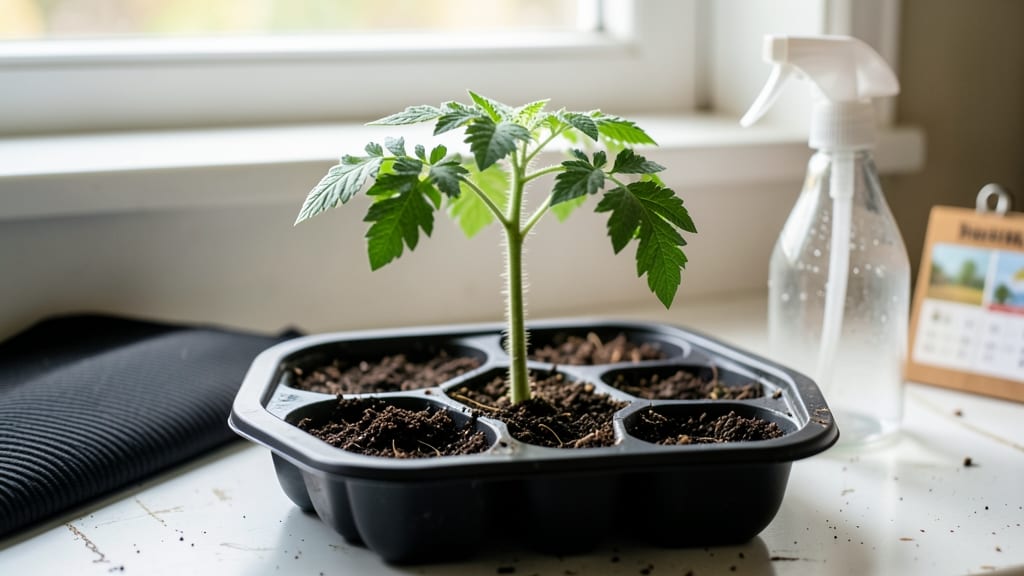
Starting tomato seeds indoors in Zone 7 means timing them 6–8 weeks before your last frost—around early February to early March for most growers.
Get it wrong, and you’ll either have leggy, overgrown seedlings by transplant time or tiny, weak plants struggling to catch up. I’ve seen both—the first batch flopped because I started too late, while the second year’s harvest was early and plentiful after I nailed the math.
Zone 7’s unpredictable spring weather adds another layer, so we’ll break down the frost-date math, variety-specific timelines, and how to adjust for early or late years.
By the end, you’ll know exactly when to pop those seeds in the soil for perfect timing, whether you’re growing Early Girl or heirloom Brandywine.
Zone 7 frost dates and tomato seed starting math (step-by-step)
Timing your tomato seeds in Zone 7 isn’t just about guessing—it’s about precise math. The average last frost date for Zone 7 is around April 15, but your seed-starting window depends on your tomato variety’s days to maturity and how quickly your seedlings grow.
Miss this window, and you’ll either have overgrown seedlings or underdeveloped plants when it’s time to transplant. Let’s break it down step-by-step so you never miss a beat.
First, grab your frost date and tomato variety’s days-to-maturity. For example, if you’re growing an Early Girl tomato (which takes 60-70 days to mature), you’ll need to start seeds 6-8 weeks before your last frost.
But if you’re growing a Brandywine tomato (which takes 85-90 days), you’ll need to start earlier. This math ensures your plants are ready to harvest before the first fall frost, typically around October 15 in Zone 7.
Now that you’ve got the baseline math, let’s talk about real-world adjustments. If you’re using grow lights instead of natural sunlight, your seedlings will grow faster, so you might start seeds 1-2 weeks later.
Conversely, if you’re in a cooler microclimate within Zone 7 (like higher elevations), start seeds 2 weeks earlier to account for slower growth. Always err on the side of starting too early—you can always delay transplanting if needed, but you can’t speed up a leggy, overgrown seedling.
Don’t forget to factor in your seedling hardening process, which takes 7-10 days before transplanting. This means you’ll need to start seeds 7-10 days earlier than your ideal transplant date to give them time to acclimate to outdoor conditions.
Hardening involves gradually exposing seedlings to wind, sunlight, and temperature fluctuations to toughen them up. Skipping this step can lead to transplant shock, stunted growth, or even death.
For Zone 7 gardeners, the ideal indoor seed-starting window for most tomato varieties is late February to early March. This gives you enough time to grow strong, healthy seedlings before transplanting after the last frost.
If you’re growing heirloom varieties with longer maturity times (like Cherokee Purple or Black Krim), start seeds as early as January to ensure a full harvest before the first frost. Just be prepared to supplement with grow lights if natural daylight is limited in winter.
Pro tip: Use a
Tomato variety-specific start times for Zone 7 gardens
Not all tomatoes thrive on the same timeline in Zone 7. Early varieties like 'Early Girl' need a head start, while heat-loving 'Brandywine' benefits from later planting. Your days-to-maturity and heat requirements determine the perfect indoor start date. Let’s break it down by tomato type to maximize your harvest.
For Zone 7 gardens, your last frost date typically falls around April 15. Subtract the tomato’s days-to-maturity and add 6-8 weeks for seedling growth. Early varieties (60-70 days) get the earliest start, while late varieties (85+ days) go in later.
Heat-loving tomatoes like 'Celebrity' need warmer soil, so don’t rush their transplant.
Comparison Table: Tomato Variety Start Times for Zone 7
| Variety | Days to Maturity | Indoor Start Date | Transplant Date | Heat Needs |
|---|---|---|---|---|
| Early Girl | 60-65 days | February 15 - March 1 | April 1 - April 15 | Moderate |
| Celebrity | 70-75 days | February 28 - March 10 | April 10 - April 20 | High |
| Brandywine | 85-90 days | March 15 - March 25 | April 25 - May 5 | Very High |
| Sungold | 60-65 days | February 20 - March 5 | April 5 - April 15 | Moderate |
| Roma | 75-80 days | March 1 - March 15 | April 15 - April 25 | Moderate |
If you’re growing heirloom varieties like 'Brandywine', wait until soil temps hit 60°F+ before transplanting. Use a soil thermometer to avoid stunted growth. For cherry tomatoes like 'Sungold', earlier starts work because they mature faster and tolerate cooler temps better.
Pro tip: Mark your calendar with transplant dates to avoid last-minute rushes. Harden off seedlings for 7-10 days before moving them outside. This gradual adjustment reduces shock and boosts survival rates. Start with 4-6 hours of sunlight daily before full exposure.
For late-season varieties, consider a second planting of fast-maturing types like 'Early Girl' in early July for a fall harvest. Just adjust your math: subtract days-to-maturity from your first frost date (October 15) and work backward. This extends your tomato season beautifully.