
Plants
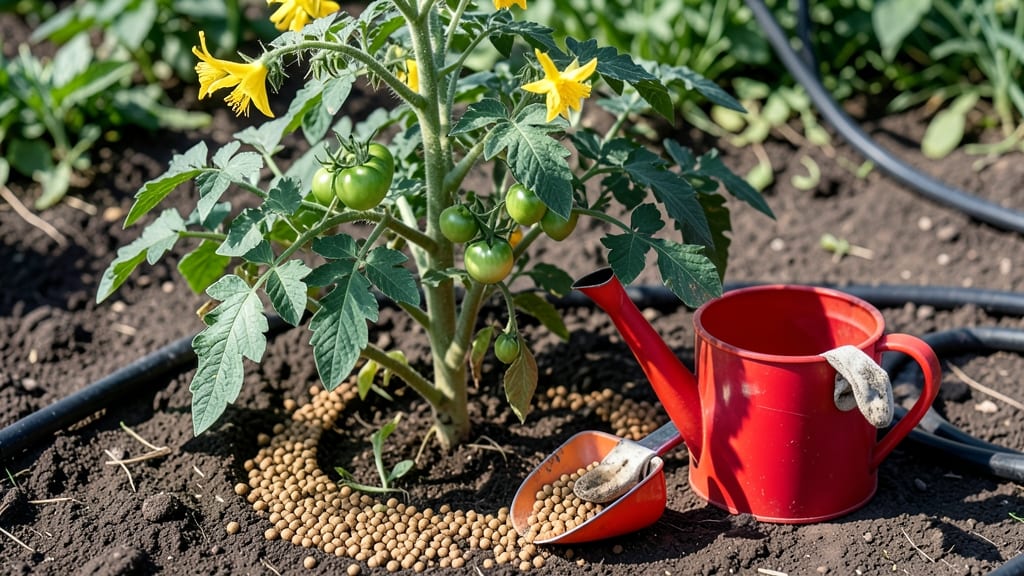
Fertilizing your tomato plants at the right times can turn a so-so harvest into a garden full of juicy 🍅 goodness—but many gardeners miss the best moments to feed their plants.
Timing your tomato plant fertilization perfectly can mean the difference between a modest harvest and a bountiful yield—yet many gardeners struggle to know when to feed their plants for optimal growth.
In USDA Zone 6, where spring planting kicks off in April and harvests peak by September, the key is feeding your tomatoes at the right stages: a light boost at transplanting, a phosphorus push when flowers appear, and careful maintenance as fruit swells.
Below, I’ll walk you through the exact schedule—from seedling to harvest—so you avoid overfeeding (which burns roots) or underfeeding (which stunts your plants).
Tomato plant fertilization schedule by growth stage: key timing for maximum yield
Timing your tomato plant fertilization perfectly can mean the difference between a modest harvest and a bountiful yield. Tomatoes are heavy feeders, but feeding them at the wrong time can lead to leafy growth instead of fruit or even burned roots.
The key is understanding when to fertilize based on their growth stages, not just a one-size-fits-all schedule.
Most gardeners make two common mistakes: fertilizing too early with too much nitrogen, which promotes foliage over fruit, or skipping fertilization entirely during critical fruiting stages. The solution? A stage-based approach that matches fertilizer types and timing to your tomato plants' needs. Let's break it down by growth phase.
⚠️ NON-NEGOTIABLE: Always water your plants thoroughly before and after fertilizing to prevent root burn. This is especially critical for granular fertilizers, which can concentrate salts in the soil if not properly hydrated.
During the seedling stage, your tomato plants are establishing roots and need a gentle introduction to nutrients. I recommend using a low-nitrogen starter fertilizer or compost tea to avoid shocking young plants.
This stage is all about building a strong foundation—think of it as giving your tomatoes a nutritional head start before they hit their growth spurt.
When your seedlings reach 6-8 inches tall and you transplant them into the garden, it's time for the first major fertilization. Use a balanced 10-10-10 fertilizer to support both foliage and root development.
Apply this about 2 weeks after transplanting to give your plants time to recover from the shock of moving.
The flowering stage is where many gardeners go wrong—they continue feeding with high-nitrogen fertilizers, which can actually reduce fruit production. Switch to a low-nitrogen, high-phosphorus (5-10-10) fertilizer to encourage blooming and fruit set. This is the time to focus on phosphorus for flowers and potassium for fruit development.
Once your tomatoes start setting fruit, shift to a high-potassium fertilizer like 7-7-7 or 5-10-10. Potassium helps prevent diseases and improves fruit quality. Feed every 2-3 weeks during this stage, but always water deeply before and after applying fertilizer to prevent root burn.
This is when you'll see the biggest payoff in yield!
As your plants approach the late season, typically 4-6 weeks before your first frost, stop fertilizing entirely. This allows your tomatoes to harden off and prepare for dormancy.
Continuing to fertilize at this stage can lead to new growth that won't mature before cold weather sets in, leaving you with fewer harvestable fruits.
Pro tip: If you're using organic fertilizers like compost or fish emulsion, you can apply them more frequently—every 2 weeks—since they release nutrients slowly. For synthetic fertilizers, stick to the 3-4 week intervals to avoid over-fertilization. Always follow the label instructions for specific products.
🌱 Remember, the goal is to feed your tomatoes just enough to support their current growth stage without overdoing it. Too much nitrogen late in the season will give you big leaves but small tomatoes, while too little phosphorus early on can stunt flowering. Balance is everything!
Signs your tomato plants need fertilizer (and when to Skip it)
Knowing when to fertilize your tomato plants can feel like guessing—too little and your yield suffers, but too much can burn roots or delay fruiting.
The key lies in reading your plants' visual cues and understanding their growth stages. Yellowing leaves, stunted growth, or small blossoms often signal hunger, while dark green leaves or leaf curl may mean you've overdone it.
I'll walk you through the tell-tale signs and when to hold off on feeding.
Tomatoes are heavy feeders, especially during flowering and fruiting. But their needs shift dramatically from seedling stage to harvest time. A balanced fertilizer (like 10-10-10) works for early growth, while low-nitrogen, high-phosphorus (like 5-10-10) supports fruit production.
Organic options like compost tea or fish emulsion are gentler but require more frequent applications.
⚠️ CALLOUT WARNING: When Should I Fertilize My Tomato Plants?
- Yellow lower leaves → Nitrogen deficiency (feed with balanced fertilizer)
- Purple stems/leaves → Phosphorus shortage (switch to high-P fertilizer)
- Leaf curl or burn → Over-fertilization (flush soil with water)
- Stunted growth → General nutrient lack (add compost or all-purpose fertilizer)
- Plants show leaf curl or crisp edges (sign of excess salts)
- Soil is already rich in compost (test with a soil kit)
- Plants are flowering but not fruiting (may need pollination, not food)
🌱 Pro Tip: Always fertilize in the morning to avoid burning roots in hot afternoon soil.
If your tomato seedlings show pale green leaves or slow growth after transplanting, they're likely craving nutrients. A light application of fertilizer (half-strength) when they're 6-8 inches tall gives them the boost they need without shocking their system.
I recommend organic options like worm castings or a diluted fish emulsion—these release nutrients slowly and improve soil structure.
During flowering stage, watch for small blossoms that drop off. This is your plant's way of saying, "I need phosphorus!" Switch to a low-nitrogen, high-phosphorus fertilizer (like 5-10-10) to encourage fruit set. Synthetic fertilizers work fast but can cause salt buildup—always water thoroughly after applying.
Organic choices like bone meal or kelp meal provide phosphorus naturally.
Once fruits appear, your tomatoes need potassium-rich fertilizer to prevent blossom-end rot. Look for dark green leaves with purple undersides—this signals a potassium deficiency.
A balanced fertilizer (like 10-10-10) or wood ash (sprinkled lightly around the base) can help. Over-fertilizing now leads to excessive foliage at the expense of fruit—so moderation is key!
By late summer, your plants may slow down as they prepare for harvest. If leaves turn yellow with green veins, it’s likely iron chlorosis—a common issue in alkaline soils. Skip fertilizing and instead add chelated iron or compost to improve soil health.
And remember: stop fertilizing 4-6 weeks before first frost to let your plants harden off naturally.
🌿 The secret to happy tomatoes isn’t just what you feed them, but when. Pay attention to their growth stage, leaf color, and fruit development—your plants will tell you exactly what they need.
And when in doubt, less is more: organic fertilizers break down slowly, so a little goes a long way!