
Companion Plants
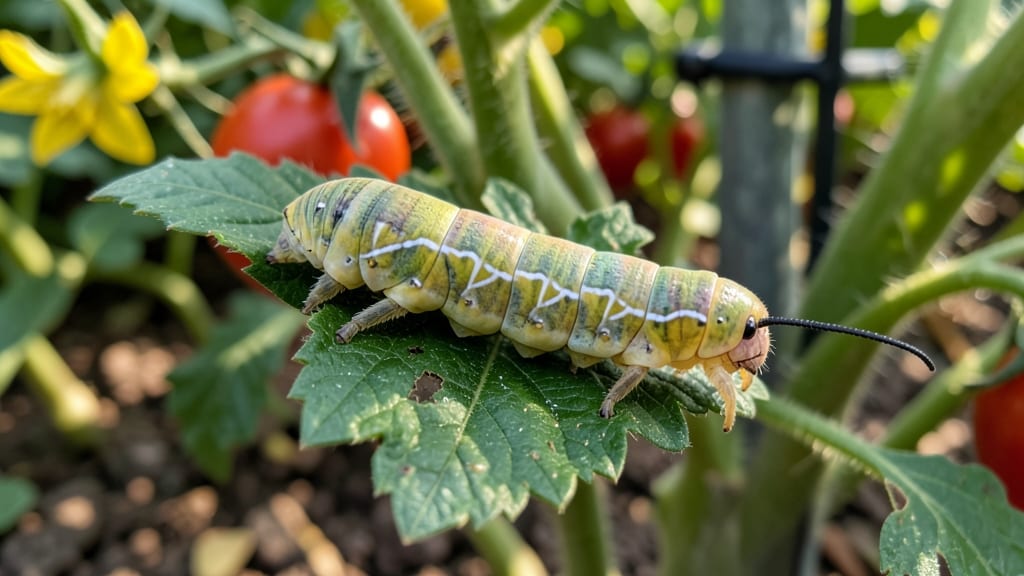
What to put on tomato plants for bugs? I’ve saved mine from aphid invasions and hornworm attacks with homemade sprays that work faster than store-bought solutions—and without harsh chemicals. The key is acting fast with the right mix of natural repellents and preventive tricks.
Most bugs target stressed plants, so focus on healthy soil, proper watering, and pruning first. A quick neem oil spray or garlic concoction can knock back pests in 24 hours, while companion plants like basil and marigolds keep new invaders away.
I’ve tested these methods on my heirloom tomatoes, and they’ve stayed bug-free for entire seasons. By sunset tomorrow, you’ll see fewer pests and more flowers. The sprays are simple—just mix what you already have in your kitchen—and the results are visible within a day.
No more wilted leaves or skeletonized foliage. Works for greenhouses, containers, and in-ground gardens alike. Let’s get those plants protected!
Root Causes of Tomato Plant Pests
Tomato plants are a magnet for bugs—not because they’re weak, but because they’re delicious to pests! Understanding why these critters show up helps you fight back smarter. Below, we break down the science behind the most common invaders and their motivations.
Pests thrive when tomato plants are struggling. Poor spacing, nutrient deficiencies, or environmental stress (like drought or extreme heat) weaken a plant’s defenses, making it an easy target.
- Why it happens:
- Competition for resources – Overcrowded plants can’t photosynthesize efficiently, reducing their ability to produce natural pest-repelling compounds (like volatile organic compounds or VOCs).
- Weakened cell walls – Stress hormones (e.g., ethylene) signal to pests that the plant is vulnerable.
- Moisture buildup – Dense foliage traps humidity, creating ideal conditions for fungal gnats, aphids, and whiteflies.
Actionable insight: 💡 Space plants 18–24 inches apart and prune regularly to improve airflow. A healthy plant is less appealing to pests!
Tomatoes need the right balance of nitrogen (N), phosphorus (P), and potassium (K). Too much of one (or too little) can make them more attractive to certain pests—or even cause infestations indirectly.
| Nutrient Issue | Pest Attracted | Why It Happens |
|---|---|---|
| Excess Nitrogen | Aphids, Spider Mites | Soft, fast-growing leaves are aphid buffets; mites love tender new growth. |
| Phosphorus Deficiency | Hornworms, Cutworms | Stunted roots weaken the plant’s ability to fend off chewing pests. |
| Potassium Deficiency | Blossom End Rot (indirectly attracts pests) | Weakened cell structures make fruit more susceptible to fungal gnats and fruit flies. |
Actionable insight: 🌡️ Test your soil (DIY kits work!) and amend with compost or balanced fertilizer (10-10-10). Avoid over-fertilizing—it’s like leaving out a "Welcome" sign for pests.
Some bugs specialize in tomatoes because they’re packed with sugars, water, and soft tissue—like a gourmet meal. Others are drawn by the plant’s scent or color.
- Why it happens:
- Color contrast – Bright red tomatoes attract fruit flies and hornworms (they see red as a signal of ripeness).
- Scent signals – Tomato plants release volatile compounds when stressed, which some pests (like whiteflies) detect from miles away.
- Larval habitats – Cracked soil or mulch provides shelter for beetles and grubs, which later turn into adult pests.
Actionable insight: ✨ Use yellow sticky traps near plants to catch flying pests early. Plant basil or marigolds nearby—their strong scents mask tomato odors.
Pests don’t attack randomly—they follow the weather. Humidity, temperature, and even rain patterns create the perfect storm (literally) for infestations.
- Why it happens:
- High humidity (60%+) – Fungal gnats and aphids love damp conditions; they can’t survive in dry air.
- Warm nights (70°F+) – Hornworms and tomato fruitworms are most active when temperatures stay mild overnight.
- Late-season drought – Stressed plants produce less sap, making them easier for piercers (like aphids) to feed on.
Actionable insight: 🔥 Mulch with straw to regulate soil moisture—consistent hydration keeps pests at bay. Avoid overhead watering at dusk (it invites fungal gnats).
Sometimes, we bring the pests home. Contaminated tools, compost, or even windborne spores can introduce bugs to your garden.
- Why it happens:
- Shared tools – Pruners or stakes used on infected plants can transfer aphids or spider mites.
- Compost from unknown sources – Some "free" compost may contain eggs or larvae.
- Wind or wildlife – Birds and squirrels can drop seeds or insects from nearby infested areas.
Actionable insight: 🔪 Sterilize tools with rubbing alcohol between uses. Inspect new plants for eggs or webbing before transplanting.
Key takeaway: Pests don’t attack healthy, balanced tomato plants—they target the weak, the stressed, or the tasty. By fixing these root causes, you’ll make your garden far less appealing to unwanted guests. Next up: How to repel them fast with homemade sprays!
Quick Fixes for Common Tomato Pests
Tomato plants are a magnet for pests, but the good news? Most problems can be solved fast with simple, natural solutions. Below, we’ll map the most common bugs to their fixes—plus tips to keep your plants pest-free long-term. Think of this as your 24-hour pest-control toolkit for tomatoes!
Signs: Large green caterpillars with white stripes, half-eaten leaves, and frass (poop) everywhere. How to Fix It:
- 🔪 Handpick them! Wear gloves and drop them into soapy water (they’re gross but effective).
- 🍳 Spray with BT (Bacillus thuringiensis): A natural bacteria that kills caterpillars but is safe for humans and pets. Mix 1 tsp per quart of water and spray leaves thoroughly.
- 🌿 Plant basil nearby: Basil repels hornworms and adds flavor to your tomatoes.
Prevention Tip: 💡 Check plants daily at dawn or dusk—hornworms hide during the day!
Signs: Sticky residue (honeydew), curled leaves, and clusters of tiny green/black bugs on stems. How to Fix It:
- 💦 Blast them off with water: Use a strong spray nozzle to dislodge them (aphids hate water!).
- 🍳 Neem oil spray: Mix 1 tbsp neem oil + 1 tsp mild soap + 1 quart water. Spray every 5–7 days until gone.
- 🐝 Encourage ladybugs: These bugs love aphids! Plant marigolds or dill to attract them.
Prevention Tip: 🌡️ Avoid over-fertilizing with nitrogen—aphids adore lush, soft new growth!
Signs: Tiny white moth-like bugs fluttering when you shake the plant; sticky leaves from honeydew. How to Fix It:
- 🕯️ Yellow sticky traps: Hang them near plants to catch adults.
- 🍳 Soap spray: Mix 2 tbsp castile soap + 1 quart water. Spray undersides of leaves (where they hide).
- 🌿 Introduce parasitic wasps (if organic): Tiny wasps lay eggs in whiteflies—nature’s pest control!
Prevention Tip: 🎯 Inspect new plants before bringing them home—whiteflies spread fast!
Signs: Chewed leaves with orange/red beetles and larvae (striped grubs). How to Fix It:
- 🔥 Diatomaceous earth (DE): Sprinkle food-grade DE around the base of plants. It dehydrates bugs but is harmless to you.
- 🍳 Beer trap: Fill a shallow dish with beer—beetles are attracted to it and drown. Replace every 2 days.
- 🌿 Row covers: Use lightweight fabric to block adults before they lay eggs.
Prevention Tip: ✨ Remove egg clusters (tiny orange dots on undersides of leaves) by hand!
Signs: Irregular holes in leaves, slimy trails, and chewed fruit. How to Fix It:
- 🍳 Beer traps: Bury a shallow dish filled with beer—slugs crawl in and can’t escape.
- 🪨 Copper tape: Wrap it around pots or garden edges—it gives them a mild electric shock (they hate it!).
- 🌿 Crushed eggshells or coffee grounds: Sprinkle around plants as a natural barrier.
Prevention Tip: 🌡️ Water in the morning (not evening)—slugs thrive in damp conditions!
- 🌿 Companion planting: Marigolds, nasturtiums, and onions repel many pests.
- 🌱 Healthy soil = strong plants: Use compost and avoid chemical fertilizers—weak plants attract bugs!
- 🕒 Rotate crops: Don’t plant tomatoes in the same spot yearly to break pest cycles.
Pro Tip: 🎯 Test sprays on a small leaf first—some plants (like peppers) are sensitive to strong solutions!
With these fixes, your tomato plants should bounce back in no time. Now go forth and grow—bug-free! 🍅✨
Frequently asked questions about protecting tomato plants from bugs
How often should I apply homemade sprays to tomato plants?
Most natural sprays like neem oil or garlic spray should be applied every 5-7 days or after heavy rain. For immediate results, spray at dawn or dusk when pests are most active. Always test on a small leaf first—some plants may react to strong solutions.
Can I use coffee grounds as a natural bug repellent?
Yes! Sprinkle used coffee grounds around the base of your tomato plants—they repel slugs, ants, and even deter some flying insects. The caffeine acts as a natural insecticide while also improving soil quality. Just avoid piling them directly against stems to prevent mold.
What's the fastest way to get rid of hornworms?
Handpicking is the fastest method—wear gloves and drop them into soapy water. For larger infestations, use Bacillus thuringiensis (BT), a natural bacteria that kills caterpillars within 48 hours. Check plants daily at dawn when hornworms are least active.
Are there any plants that naturally repel tomato pests?
Plant basil, marigolds, or nasturtiums near your tomatoes—their strong scents mask tomato odors and deter pests. Basil also improves tomato flavor! For flying insects, try dill or fennel, which attract beneficial predatory wasps.
Will homemade sprays harm bees or other beneficial insects?
Most homemade sprays are safe if used correctly. Avoid spraying during peak pollination hours (10am-4pm) and focus on undersides of leaves where pests hide. Neem oil and soap sprays are particularly safe for bees when applied properly—always follow the 1 tbsp neem oil + 1 tsp mild soap ratio.