
How To
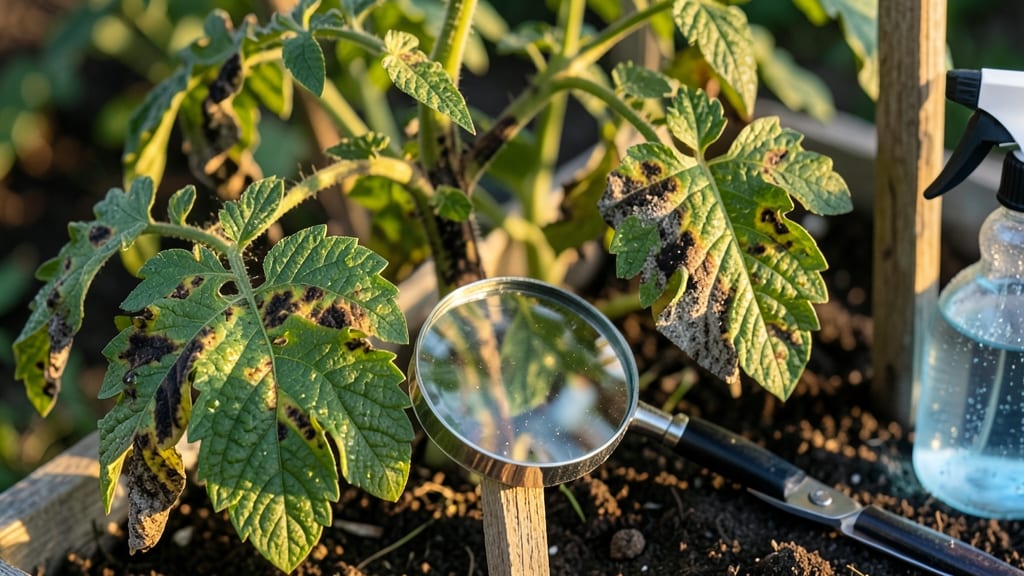
What does tomato blight look like? It’s the kind of plant disaster that turns your lush tomatoes into a sad, spotted mess—dark, greasy brown spots on leaves that spread like a bad rumor. 🌱 I’ve seen it ruin entire harvests in just days, and the worst part? It starts with a single leaf before taking over. Early blight shows up on lower leaves first, while late blight hits everything fast, including stems and fruit. The key difference? Early blight has concentric rings on leaves, while late blight causes dark, water-soaked patches that turn gray and fuzzy. Both destroy fruit—early blight causes leathery, cracked skin, while late blight makes tomatoes mushy and rotten inside. If you see wilting vines or stems that look squishy when you touch them, it’s already too late for that plant. Act fast: yank infected plants immediately and toss them (don’t compost!). For prevention, space plants for airflow, water at the base (not overhead), and rotate crops yearly. Copper fungicide sprays can help, but the real win is stopping it before it starts—because once blight moves in, it’s a fight you’ll lose. Here’s the thing—most gardeners mistake blight for regular leaf spot or even heat stress. But blight spreads through water and wind, so if you’ve got tomatoes nearby, they’re at risk too. The moment you spot those dark, greasy patches, quarantine the plant and check others for early signs. A single infected plant can ruin your whole season if you ignore it. Think of blight as the tomato garden’s version of a viral infection—contagious, aggressive, and relentless. The good news? With vigilance, you can keep it from ever getting a foothold. Start with healthy seedlings, keep the garden tidy, and watch for those first suspicious spots. Because once blight takes hold, even the toughest tomatoes stand no chance.
Root Causes Of Tomato Blight
Tomato blight isn’t just a random plant problem—it’s a sneaky combo of fungal invaders, environmental stress, and poor garden hygiene. Understanding why it happens is half the battle in stopping it.
Let’s break down the real culprits behind this destructive disease, so you can protect your tomatoes before they turn into a blighted mess.
Blight is primarily caused by two aggressive fungi: Phytophthora infestans (late blight) and Alternaria solani (early blight). These microscopic spores are always lurking, waiting for the perfect conditions to strike.
- Late Blight (Phytophthora infestans)
- This fungus thrives in
- It spreads rapidly via wind, water splashes, or contaminated tools—even from infected plants miles away.
- Why it’s deadly: It attacks every part of the tomato plant—leaves, stems, and fruit—causing dark, greasy spots that ooze spores.
- More common in
💡 Pro Tip: If you’ve had blight before, rotate crops—don’t plant tomatoes, potatoes, or peppers in the same spot for at least 3 years. Fungi love a familiar buffet!
Blight doesn’t just happen—it needs the right weather to take hold. Here’s how humidity and rain team up to create a fungal paradise:
| Factor | How It Helps Blight Spread | How to Mitigate It |
|---|---|---|
| High Humidity | Spores germinate faster in damp air (above 70%). | Space plants for airflow; avoid overhead watering. |
| Frequent Rain | Water splashes spores onto leaves, accelerating infection. | Use drip irrigation; harvest promptly before storms. |
| Cool Nights | Late blight thrives when temps dip below 60°F at night. | Choose blight-resistant varieties (e.g., 'Mountain Merit'). |
| Poor Drainage | Waterlogged soil weakens roots, making plants vulnerable. | Improve soil with compost; raise beds if drainage is bad. |
🌡️ Hot Tip: If your forecast calls for three consecutive rainy days, that’s blight’s green light. Act fast—remove infected leaves immediately!
Even the hardiest tomatoes can fall prey to blight if you’re not careful. These common gardening mistakes create the perfect breeding ground:
- Overcrowded Plants
- Tight spaces = stagnant air and high humidity—blight’s best friends.
- Fix it: Space tomato plants 18–24 inches apart; prune suckers to improve airflow.
- Contaminated Tools or Hands
- Moving spores from plant to plant is like giving blight a free ride on a bus.
- Fix it: Sanitize pruners with 70% rubbing alcohol between uses. Wash hands after handling infected plants.
- Ignoring Debris
- Old leaves, stems, and fruit left in the soil store fungal spores like a winter hibernation pod.
- Fix it: Clean up thoroughly at season’s end—toss infected plant material in the trash (not compost!).
- Overhead Watering
- Watering from above splashes spores onto leaves, turning your hose into a blight-spreading cannon.
- Fix it: Switch to drip irrigation or soaker hoses—water at the base, not the foliage.
🔥 Game-Changer: Mulch properly with straw or grass clippings (not wood chips, which can harbor fungi). Keep mulch 2–3 inches away from stems to prevent moisture buildup.
Stressed tomatoes are easy targets for blight. If your plants are already struggling, they’ll crumble faster when fungi attack. Common stressors include:
- Nutrient Deficiencies (especially potassium or phosphorus) - Weak plants can’t fight off infections. Test your soil and amend with compost or a balanced fertilizer (10-10-10). - Physical Damage (from hail, pests, or rough handling) - Open wounds let spores slip right in.
Handle plants gently and protect them from extreme weather. - Improper Pruning - Too much pruning removes protective foliage, exposing more surface area to spores. Prune strategically—remove only diseased or overcrowded growth.
💪 Strengthen Your Plants: Feed tomatoes with potassium-rich fertilizers (like banana peel tea) to boost their immune system. Healthy plants resist blight better!
How to Treat and Prevent Blight
If your tomato plants are showing signs of blight, don’t panic—there are practical steps you can take to save your harvest and protect future crops. Early action is key, so let’s tackle the problem head by head, with solutions tailored to each cause.
And remember, prevention is always easier than cure! 🌱🛡️
Early blight thrives in warm, humid conditions, so your first line of defense is to remove infected leaves immediately. Here’s how:
🔥 Remove and Dispose of Infected Foliage
- 🍳 Snip off leaves with brown or yellow spots (at least 6 inches below the spot).
- 👨🍳 Bag and trash them—don’t compost! Blight spores can survive in compost piles.
- 🥘 Prune regularly to improve airflow between plants (blight loves crowded, damp leaves).
🌡️ Apply Fungicides (Organic or Chemical)
- 💡 Copper fungicide (like Bordeaux mixture) is a go-to for organic growers—spray every 7–10 days.
- 🎯 Neem oil (early in the season) can prevent spores from germinating.
- ✨ Synthetic options: Chlorothalonil or mancozeb (follow label instructions for safety).
🌞 Adjust Watering Habits
- ⏰ Water at the base (not overhead) in the early morning so leaves dry quickly.
- 🔥 Avoid late watering—wet foliage overnight invites blight.
Late blight is aggressive and spreads rapidly. If you spot dark, greasy-looking spots on leaves or stems:
🔪 Prune Aggressively and Burn Debris
- 🍳 Cut out all infected stems and leaves, then 🔥 burn or deep-trash them (do not compost!).
- 👨🍳 Remove entire plants if more than 50% are infected to stop the spread.
💊 Use Stronger Fungicides
- 💡 Copper-based sprays (like copper sulfate) work best for organic gardens.
- 🎯 Chemical fungicides: Metalaxyl or propamocarb (apply at first sign of infection).
- ✨ Repeat treatments: Spray every 5–7 days until no new spots appear.
🌧️ Improve Drainage and Airflow
- 🌱 Space plants 18–24 inches apart to reduce humidity.
- 🔥 Mulch with straw (not grass clippings) to keep soil dry.
- 🌡️ Avoid overhead irrigation—drip systems are your best friend.
Gray mold thrives in damp, shaded conditions. To fight it:
🌬️ Increase Air Circulation
- 🍳 Thin out crowded plants and remove suckers to improve airflow.
- 👨🍳 Stake or cage plants to keep foliage off the ground.
💡 Prevent Moisture Buildup
- ⏰ Water early and avoid evening watering.
- 🔥 Use a fan in greenhouses to dry leaves quickly.
🎯 Apply Fungicides Proactively
- 💡 Baking soda spray (1 tsp baking soda + 1 quart water + a drop of dish soap) can help.
- ✨ Chemical options: Myclobutanil or iprodione (follow label rates).
Stop blight before it starts with these proactive strategies:
💡 Crop Rotation
- ✨ Avoid planting tomatoes (or nightshades like peppers/eggplants) in the same spot for 3+ years.
🌡️ Choose Resistant Varieties
- 🍅 Try blight-resistant tomatoes like ‘Mountain Merit,’ ‘Defiant PhR,’ or ‘Jet Star.’
🌱 Healthy Soil = Healthy Plants
- 💪 Add compost in fall to boost plant vigor.
- 🌿 Avoid over-fertilizing with nitrogen—it encourages leafy growth but weakens defenses.
🔥 Clean Up Thoroughly
- 🍳 Remove all plant debris from the garden at season’s end.
- 👨🍳 Disinfect tools with rubbing alcohol between uses.
With these steps, you can minimize blight damage and keep your tomato plants thriving. Stay vigilant, act quickly, and next season could be your best yet! 🍅🌟
Frequently asked questions
What’s the difference between early blight and late blight on tomato leaves?
Early blight shows up as concentric brown rings with yellow halos on lower leaves, while late blight creates dark, greasy-looking spots that spread rapidly to stems and fruit. Early blight progresses slowly, but late blight can destroy a plant in days—especially in cool, wet weather.
Can I still save my tomatoes if I see blight?
It depends! For early blight, you can prune infected leaves and apply copper fungicide to limit spread. With late blight, remove the entire plant immediately—it’s too aggressive to save. Harvest any ripe tomatoes first, but don’t compost infected plant material.
Will rain make tomato blight worse?
Rain splashes fungal spores onto leaves, accelerating infection. Late blight thrives in cool, wet conditions, while early blight spreads faster with high humidity. Water at the base of plants in the morning and avoid overhead sprinkling to reduce risk.
How do I know if my tomato spots are blight or just sunburn?
Blight spots are dark and often greasy, while sunburn appears as dry, white or yellow patches on leaf edges. Blight also causes wilting or stem lesions, whereas sunburned leaves stay crispy. Check undersides of leaves—blight loves hiding there!
Can I use baking soda to prevent blight?
Yes! A homemade baking soda spray (1 tsp baking soda + 1 quart water + a drop of dish soap) can help prevent early blight. Spray leaves every 7–10 days during humid weather, but it won’t stop late blight—use copper fungicide instead for severe cases.