
Companion Plants
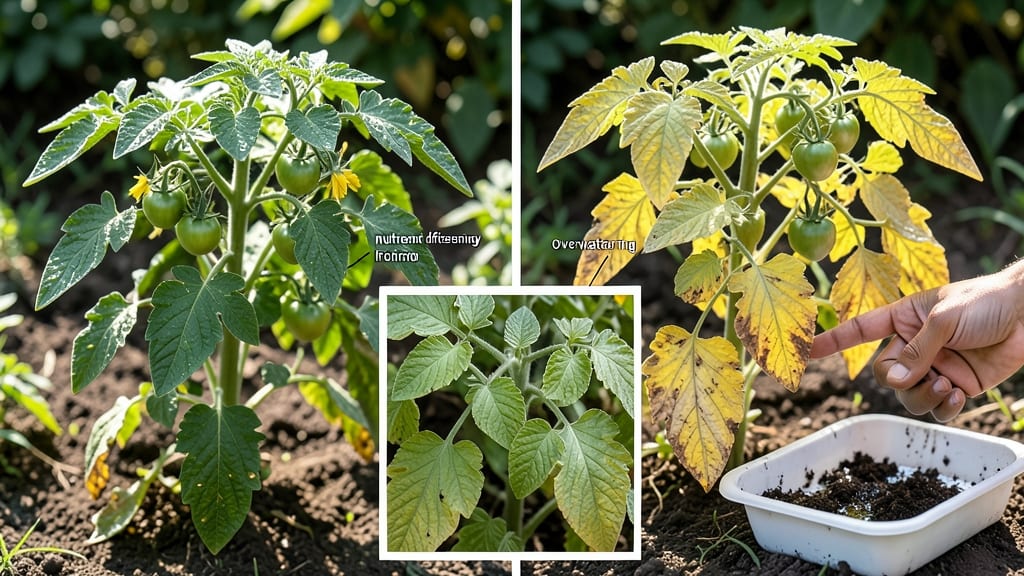
What does it mean when tomato plants turn yellow? It’s not just a warning sign—it’s a direct message from your plants about what they need. 🌱 I’ve seen this happen in my garden, and the first step is figuring out whether it’s a nutrient deficiency, overwatering, or something else entirely. The good news? Most yellowing leaves can be fixed with simple adjustments.
Start by checking the pattern: uniform yellowing often means overwatering or poor drainage, while yellowing between veins usually signals nitrogen deficiency. Pests like spider mites can also cause yellowing, especially if you notice tiny webs on the undersides of leaves.
The key is acting fast—before the problem spreads to the fruit.
Once you identify the issue, solutions are straightforward: adjust your watering schedule, add compost or a balanced fertilizer, or introduce beneficial insects to combat pests. I’ve saved multiple tomato plants this way, and you can too—just don’t ignore the first signs. A little attention now means bigger, healthier harvests later.
This guide covers everything from soil testing to quick fixes, so you’ll know exactly what to do the moment you spot those first yellow leaves. Let’s get your tomatoes back on track!
Root Causes Behind Yellowing
When your tomato plants start showing yellow leaves, it’s often their way of signaling distress—like a tiny, leafy SOS. But what’s really triggering this change? Let’s break down the most common culprits, backed by science, so you can diagnose (and fix!) the issue fast. 🌱🔍
Yellowing leaves are a classic sign of waterlogged roots. Tomatoes thrive in well-draining soil, but when they’re overwatered—or worse, planted in heavy clay or compacted soil—the roots suffocate. Without oxygen, they can’t absorb nutrients efficiently, leading to chlorosis (yellowing) in older leaves first.
Why it happens:
- Root rot: Fungal pathogens like Phytophthora or Pythium thrive in soggy conditions, killing roots and starving the plant.
- Nutrient leaching: Excess water washes away essential minerals (like nitrogen) before roots can absorb them.
- Oxygen deprivation: Roots need air pockets in soil to breathe. Waterlogged soil displaces oxygen, causing stress.
Actionable fix:
- Check soil moisture by sticking your finger 1–2 inches deep—water only if it’s dry.
- Amend heavy soil with compost or perlite to improve drainage.
- Ensure pots have drainage holes or plant in raised beds.
Yellow leaves can also scream for nutrients, especially nitrogen, magnesium, or iron. Each deficiency targets different parts of the plant:
| Deficiency | Symptoms | Cause | Quick Fix |
|---|---|---|---|
| Nitrogen (N) | Older leaves turn yellow (yellowing starts at the base), stunted growth. | Poor soil, overwatering leaching N, or exhausted soil. | Add blood meal, fish emulsion, or compost. |
| Magnesium (Mg) | Yellow patches between leaf veins (interveinal chlorosis), starting on older leaves. | Acidic soil, over-fertilization with potassium, or poor absorption. | Apply Epsom salt (1 tbsp/gallon of water) or dolomitic lime. |
| Iron (Fe) | Young leaves turn pale yellow (chlorosis) while veins stay green. | Alkaline soil (pH >7.0) locks out iron, or poor root health. | Use chelated iron or lower soil pH with sulfur. |
Pro tip: 💡 Test your soil’s pH (ideal: 6.0–6.8 for tomatoes). If it’s off, amend it gradually—sudden changes shock roots!
While overwatering causes yellowing, underwatering or heat stress can trigger it too—often with crispy or wilted edges. Tomatoes need consistent moisture, especially during fruiting. When soil dries out, roots struggle to supply water and nutrients, leading to:
- Leaf scorch: Edges turn yellow/brown and crispy (like paper).
- Wilting: Leaves droop in heat but may regain turgor at night.
- Premature leaf drop: The plant sheds leaves to conserve water.
Why it happens:
- Shallow root systems in young plants can’t reach deep water.
- High temperatures (>90°F/32°C) increase transpiration (water loss) faster than roots can replace it.
- Mulching breaks down, exposing roots to rapid drying.
Actionable fix:
- Water deeply 1–2 inches per week (more in heatwaves). Use drip irrigation to keep soil moist.
- Mulch with straw or wood chips to retain moisture and cool roots.
- Provide afternoon shade with shade cloth during extreme heat.
Sap-sucking pests and pathogens can drain nutrients, causing yellowing. Look for these red flags:
- Aphids, spider mites, or whiteflies: Tiny pests suck plant sap, leading to stippled or yellowed leaves, sticky honeydew, and sooty mold.
- Root-knot nematodes: Microscopic worms attack roots, reducing nutrient uptake. Leaves yellow unevenly, and growth stalls.
- Early blight or septoria leaf spot: Fungal spots on leaves (target-shaped or circular) spread upward, causing yellowing and defoliation.
Why it happens:
- Pests block nutrient transport by damaging vascular tissue.
- Diseases clog stomata (leaf pores), reducing photosynthesis and nutrient absorption.
- Weakened plants from stress (like drought) are more susceptible.
Actionable fix:
- Spray infested plants with neem oil or insecticidal soap for pests.
- Rotate crops yearly to prevent soil-borne diseases.
- Remove and destroy infected leaves immediately to stop spread.
- Use beneficial nematodes for nematode control in soil.
Remember: 🎯 Yellow leaves are a symptom, not the disease itself. Start with the most likely cause (check soil moisture first!), then rule out others. Act fast—tomatoes are heavy feeders and won’t forgive neglect for long!
Fixing Yellow Tomato Leaves Fast
Now that you’ve identified why your tomato plants are turning yellow, it’s time to take action! The good news? Most issues are reversible with the right care. Below, we’ll break down practical, step-by-step solutions for each common cause—plus prevention tips to keep your plants lush and productive.
Fix it:
- 🔥 Check the Soil First Stick your finger 2 inches deep into the soil. If it feels soggy or water drips out, you’re overdoing it. Tomato roots need well-drained soil—like a damp sponge, not a swamp.
- 🍳 Adjust Your Watering Routine
- Water deeply but less often—aim for 1–1.5 inches per week (including rain).
- Water at the base (not leaves) in the early morning to reduce fungal risks.
- Use a moisture meter if you’re unsure—it’s a game-changer for consistency!
- 👨🍳 Improve Drainage
- Mix compost or perlite into heavy clay soil to loosen it up.
- If planting in containers, ensure pots have drainage holes and use cactus/succulent mix blended with potting soil.
💡 Prevention Tip:
- Mulch around plants with straw or shredded leaves to lock in moisture and prevent evaporation.
Fix it:
- 🥘 Hydrate Immediately If the soil is bone-dry, give your plants a slow, deep drink using a soaker hose or watering can. Avoid splashing leaves to prevent sunburn.
- 🌡️ Beat the Heat
- Shade cloth (30–50%) during peak afternoon sun (12 PM–4 PM) can save struggling plants.
- Move potted tomatoes to a shadier spot temporarily if your area hits 90°F+ (32°C+).
- 🎯 Boost Humidity (Indoor/Greenhouse Growers)
- Place a tray of water near plants or use a humidifier to mimic outdoor conditions.
- Mist leaves lightly in the early morning (but avoid evenings to prevent disease).
💡 Prevention Tip:
- Water before the soil dries out—stick to a consistent schedule (e.g., every 2–3 days in heatwaves).
- Choose heat-tolerant varieties like ‘Solar Fire’ or ‘Heatmaster’ if you live in a hot climate.
Fix it with targeted fixes:
| Deficiency | Quick Fix | Long-Term Solution |
|---|---|---|
| Nitrogen (Pale Yellow, Stunted Growth) | 🍳 Diluted fish emulsion (1 tbsp/gallon) or compost tea | Side-dress with blood meal (1 lb/100 sq ft) or cover crops like clover. |
| Potassium (Yellow Edges, Weak Stems) | 🥘 Banana peel tea (soak peels in water for 3 days, strain, and water plants) | Apply greensand or wood ash (follow package rates). |
| Magnesium (Yellow Between Veins) | 🌱 Epsom salt spray (1 tbsp/gallon, spray leaves) | Mix Epsom salt into soil at planting (1 tbsp/sq ft). |
💡 Prevention Tip:
- Test your soil every 2–3 years with a home kit or send a sample to your local extension office for a full analysis.
- Rotate crops—don’t plant tomatoes in the same spot yearly to prevent nutrient depletion.
Fix it:
- 🔪 Remove Infested Leaves
- Snip off yellowed leaves with sterilized scissors and dispose of them in the trash (not compost).
- For fungal issues (early blight), remove lower leaves to improve airflow.
- 🍳 Natural Pest Control
- Aphids? Spray with soapy water (1 tsp mild soap + 1 quart water) or introduce ladybugs.
- Fungal spots? Apply neem oil spray (1 tbsp/quart water + drop of dish soap as emulsifier).
- 🌡️ Prevent Root Rot
- Stop watering until the top 1–2 inches of soil dry out.
- Repot if using containers—sterilize the pot with bleach (1:10 ratio) before replanting.
💡 Prevention Tip:
- Rotate planting locations yearly to break disease cycles.
- Space plants 18–24 inches apart for better airflow and reduced humidity around leaves.
Fix it:
- 🥘 Give It Time
- If yellowing started right after transplanting, wait 7–10 days for roots to adjust. Avoid fertilizing for the first 2 weeks—roots need to establish first!
- 🌱 Boost Recovery
- Water deeply every 2–3 days until new growth appears.
- Add a balanced fertilizer (5-5-5) lightly (½ strength) after 2 weeks.
💡 Prevention Tip:
- Hardening off seedlings (acclimating them to outdoor conditions over 5–7 days) reduces shock.
- Use root stimulator (like mycorrhizal fungi) when transplanting for faster recovery.
Frequently asked questions about yellowing tomato plants
Why do the oldest leaves turn yellow first?
This is completely normal! Older leaves yellow as the plant shifts nutrients to new growth. However, if all leaves yellow (including new ones), it signals a bigger problem like overwatering or disease. Check the soil moisture first—it’s usually the culprit when yellowing spreads.
Can I save my tomato plant if half the leaves are yellow?
The key is acting fast. Prune away severely yellowed leaves (especially diseased ones) and focus on fixing the root cause—whether it’s adjusting watering, adding fertilizer, or treating pests. Most plants bounce back within 2-3 weeks if you catch it early.
Is yellowing always bad for tomato production?
Not necessarily! Mild yellowing on lower leaves won’t hurt fruit production if the plant stays healthy. The real danger comes when yellowing spreads to new growth or appears with other symptoms (like spots or wilting). Focus on keeping the upper leaves green—that’s where photosynthesis powers your tomatoes.
What’s the fastest way to test for nutrient deficiencies?
Try the leaf rub test! Rub a yellow leaf between your fingers—if it feels gritty, you’ve got magnesium deficiency. For nitrogen, check if new leaves are small and pale. For iron, look for pale new leaves with green veins. These quick checks help you target fixes without soil tests.
Will yellow leaves come back green after fixing the problem?
Usually, but not always. Once leaves turn yellow, they won’t regain their original color, but new growth will be vibrant if you address the issue. Focus on keeping the plant healthy—it’ll produce plenty of fresh, green leaves to replace the yellowed ones over time.