
Vegetables
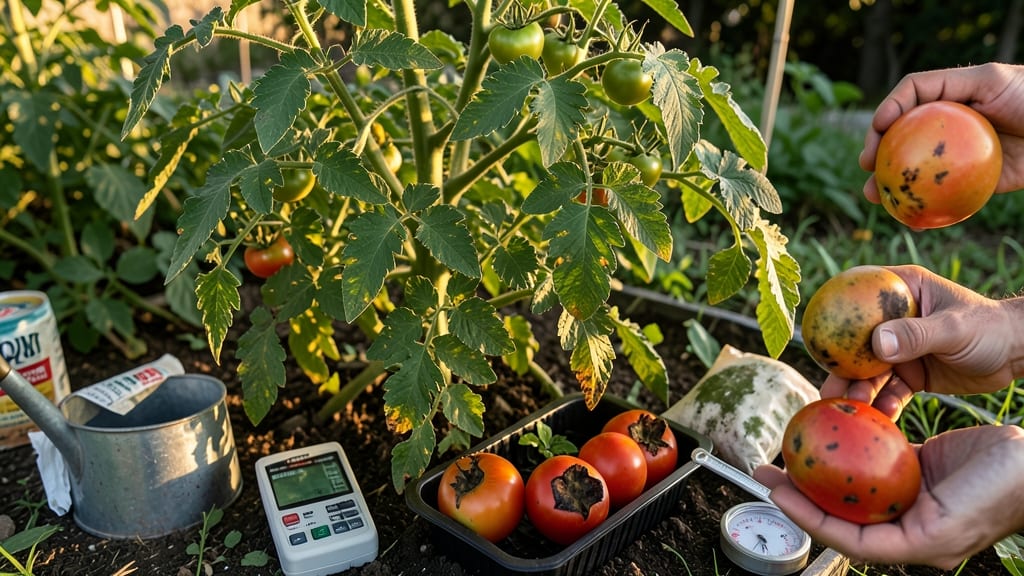
What causes tough tomato skins?—it’s all about stress, and here’s why it happens. 🌱 Uneven watering, extreme heat, or mineral imbalances force skins to toughen as a survival tactic, turning juicy fruit into leathery disappointment. I’ve battled this every summer, and the fixes are simpler than you’d think. The real culprits? Water stress from inconsistent irrigation (soaking one day, drying out the next) and heat spikes that push vines beyond their comfort zone. Even over-fertilizing with nitrogen can trigger thick skins as plants prioritize growth over fruit tenderness. By adjusting your watering schedule to 1-2 inches per week, using shade cloth on scorching days, and balancing your fertilizer, you’ll see skins soften within 10-14 days. The difference is night-and-day—no more tough skins, just perfect slices. This works for both backyard gardens and container-grown tomatoes. Let’s get those skins tender again!
The root causes behind tough tomato skins
If you’ve ever bitten into a tomato and found yourself chewing through a leathery, unyielding skin instead of sinking your teeth into juicy, tender flesh, you’re not alone. Tough tomato skins are a common frustration for gardeners and home cooks alike—but why does it happen?
The answer lies in a mix of environmental stressors, genetic factors, and even how (or when) you harvest your tomatoes. Let’s break down the science behind this crunchy dilemma.
Tomatoes thrive in warm but not scorching conditions. When temperatures soar above 90°F (32°C) or drop below 50°F (10°C), they enter survival mode. This stress triggers the production of cutin, a waxy, fibrous compound that thickens the skin as a protective barrier against dehydration or frost damage.
- 🔥 Heat Stress: High temperatures speed up water loss, forcing the tomato plant to prioritize skin reinforcement over flesh development. Varieties like Beefsteak or Heirloom tomatoes are especially prone to toughening in heat.
- ❄️ Cold Stress: Chilly nights can stunt growth and cause uneven ripening, leading to patchy, leathery skin. Early-season tomatoes or those grown in cooler climates often suffer from this.
💡 Pro Tip: Use shade cloth in peak summer or row covers in spring to moderate temperatures. Mulching with straw also helps retain soil moisture and stabilize ground temps.
Water is the lifeblood of tomatoes, and inconsistent hydration is a surefire way to trigger tough skins. Both underwatering and overwatering can disrupt the plant’s ability to develop soft, pliable fruit.
- 🚰 Underwatering: When soil dries out, the plant conserves water by thickening the skin. This creates a leathery texture and can even cause blossom-end rot, which further hardens the skin.
- 🌧️ Overwatering or Poor Drainage: Excess moisture can lead to cracking and uneven ripening, causing some areas of the skin to toughen as the tomato struggles to regulate its internal pressure.
🎯 Actionable Fix: Aim for 1–1.5 inches of water per week, delivered at the base of the plant (not the leaves) to avoid fungal issues. Use drip irrigation or soaker hoses for consistency, and ensure pots or garden beds have well-draining soil.
Timing is everything when it comes to tomato tenderness. Harvesting too early or too late can turn a juicy fruit into a chewy disappointment.
- 🍒 Early Harvesting (Green or Breaker Stage): Tomatoes harvested before full ripeness (green or breaker stage) lack the enzymes (like pectinase) that soften cell walls. Their skins remain firm and tough, even after ripening.
- 🍅 Overripe Harvesting (Soft, Mushy Textures): While overripe tomatoes may seem ripe, their skins can become leathery due to cell breakdown and excessive ethylene gas buildup. This causes the skin to harden as the fruit collapses internally.
✨ Best Practice: Harvest tomatoes when they’re fully colored (based on variety) but still firm to the touch. For heirlooms, look for a slight give at the stem end. If you must pick early, let them ripen indoors in a paper bag with a banana to speed up softening.
Tomatoes are heavy feeders, and a lack of key nutrients can lead to tough, fibrous skins. The most critical offenders?
- ⚖️ Calcium Deficiency: Without enough calcium, tomato skins develop cellulose (a tough, structural fiber) instead of soft pectin. This is why blossom-end rot (a calcium-related issue) often coincides with leathery skin.
- 🌿 Nitrogen Overload: Too much nitrogen promotes leafy growth at the expense of fruit development, leading to thin, tough skins with poor texture.
- 💧 Potassium and Phosphorus Shortages: These minerals help regulate water uptake and enzyme activity in the fruit. A deficiency can result in uneven ripening and fibrous skin.
📊 Soil Solution: Conduct a soil test and amend with:
- Crushed eggshells or lime (for calcium)
- Balanced fertilizer (e.g., 5-5-5) (avoid high-nitrogen options like 10-0-0)
- Compost or well-rotted manure (for potassium and phosphorus)
Not all tomatoes are created equal—and some varieties are genetically predisposed to tougher skins. Here’s what to watch for:
- 🍅 Thick-Skinned Varieties: Some heirlooms (e.g., Brandywine, Cherokee Purple) and hybrid slicers (e.g., Better Boy) naturally have thicker skins for better transport and shelf life. These are great for slicing but may require soaking or blanching to soften.
- 🍒 Small or Cherry Tomatoes: Their tiny size means a higher skin-to-flesh ratio, making them inherently tougher. Look for plum or grape varieties bred for tenderness.
- 🌿 Hybrid vs. Heirloom: Many hybrids are bred for disease resistance and longer storage, which often comes at the cost of softer skins. If texture is a priority, opt for heirloom or paste-type tomatoes.
🔥 Cooking Hack: For tough-skinned varieties, try blanching (dipping in boiling water for 30 seconds) or peeling before using in salads or sauces.
Fixing tough tomato skins naturally
Now that you know why your tomatoes develop tough skins, let’s tackle the fixes—tailored to each common cause. These solutions are practical, garden-friendly, and designed to help you grow juicy, flavorful tomatoes again.
If you’re harvesting tomatoes too late, their skins toughen as they overripen. Here’s how to time it right:
🍅 Step 1: Learn the Color Clues
- Green tomatoes: Wait! They need more time on the vine.
- Pink or light red blush: Almost there—check daily.
- Deep red (or heirloom’s final color): Time to pick! Use the gentle squeeze test—if it yields slightly, it’s ripe.
👨🍳 Step 2: Harvest Strategically
- Morning picks: Tomatoes are firmer and sweeter in the cool morning air.
- Avoid bruising: Grip the stem (not the fruit) and twist gently.
If it snaps cleanly, you’ve got it! - Store properly: Place unripe tomatoes in a paper bag with a banana (ethylene gas speeds ripening) or on a counter away from direct sunlight.
💡 Pro Tip:
If you must pick early (like before frost), harvest when they’re slightly green but firm. Store them in a cool, dark place (like a cardboard box) and check weekly. They’ll ripen indoors over 1–2 weeks.
Fluctuating water levels cause thick, leathery skins. Here’s how to keep them hydrated just right:
💧 Step 1: Water Deeply and Consistently
- Deep watering: Soak the soil 1–2 inches deep 2–3 times per week (adjust for climate). Use a moisture meter or stick your finger in—soil should feel damp but not soggy.
- Drip irrigation or soaker hoses: Best for even moisture.
Avoid overhead watering (it can crack skins or spread disease). - Mulch heavily: Use 2–3 inches of straw or wood chips to retain moisture and protect roots.
🔥 Step 2: Fix Drought or Overwatering Damage
- If underwatered: Give tomatoes a slow, deep drink at the base. Skip watering for 2 days to let roots adjust, then resume.
- If overwatered: Let the top inch of soil dry out before watering again.
Improve drainage by adding compost or sand to heavy clay soil.
🌡️ Step 3: Monitor Temperature Stress
- Heatwaves? Water early in the morning to reduce evaporation. Shade cloth (30–50%) can help in extreme heat.
- Cold snaps? Move potted tomatoes to a sheltered spot. Use row covers for in-ground plants.
✨ Pro Tip:
Mulch with coffee grounds (sparingly!) to improve soil moisture retention and add nutrients. Just mix a thin layer into the top inch of soil.
A lack of key nutrients can toughen tomato skins. Here’s how to fix it:
📊 Step 1: Test Your Soil
- Grab a DIY soil test kit (or send a sample to your local extension office). Tomatoes thrive in soil with a pH of 6.0–6.8 and balanced nutrients.
💪 Step 2: Boost Essential Nutrients
| Nutrient Deficiency | Symptoms | Fix It With |
|---|---|---|
| Calcium | Blossom-end rot, tough skins | Crushed eggshells, lime, or calcium nitrate |
| Potassium | Weak stems, poor flavor | Banana peels (composted), wood ash, or potassium-rich fertilizer |
| Nitrogen | Yellow leaves, stunted growth | Well-rotted manure, blood meal, or fish emulsion |
| Magnesium | Yellowing between leaf veins | Epsom salt (1 tbsp per gallon of water, foliar spray) |
🥗 Step 3: Fertilize Smartly
- At planting: Mix in compost or aged manure for slow-release nutrients.
- When flowering: Switch to a low-nitrogen, high-phosphorus fertilizer (like 5-10-10) to support fruit development.
- Avoid over-fertilizing: Too much nitrogen = leafy growth, fewer tomatoes. Stick to the label’s recommended amounts.
💡 Pro Tip:
Use a foliar spray of liquid seaweed or fish emulsion every 2 weeks during fruiting. It’s packed with micronutrients that tomatoes absorb quickly through leaves!
Pests and diseases can stress plants, leading to tough skins. Here’s how to prevent and treat issues:
🐜 Step 1: Prevent Pest Damage
- Handpick pests: Check leaves daily for hornworms, aphids, or spider mites.
Drop them in soapy water. - Use row covers: Protect young plants from flea beetles and cabbage worms. - Neem oil spray: Mix 1 tbsp neem oil + 1 tsp mild soap per quart of water. Spray every 5–7 days to deter pests.
🦠 Step 2: Manage Diseases
- Early blight or septoria leaf spot? Remove infected leaves immediately. Apply copper fungicide preventatively every 2 weeks.
- Powdery mildew? Improve airflow by pruning and space plants 18–24 inches apart.
Spray with baking soda mix (1 tbsp baking soda + 1 tsp oil + 1 gallon water). - Blossom-end rot? Ensure consistent calcium. Water deeply and mulch to prevent soil moisture swings.
🔪 Step 3: Prune for Health
- Remove suckers (side shoots) to improve airflow and reduce disease risk.
- Prune lower leaves to keep foliage off the ground (prevents soil-borne diseases).
To keep your tomatoes tender-skinned season after season: ✅ Choose the right varieties for your climate (e.g., ‘Celebrity’ for heat, ‘Brandywine’ for humidity). ✅ Start with healthy soil—amend with compost before planting. ✅ Stake or cage plants early to avoid stem stress as they grow. ✅ Rotate crops—don’t plant tomatoes in the same spot yearly (wait 3 years to prevent disease buildup). ✅ Monitor daily—catch issues early before they toughen your skins!
With these fixes, your next tomato harvest will be juicy, sweet, and easy to peel—no tough skins in sight! 🍅✨
Frequently asked questions
Why do heirloom tomatoes often have tougher skins than hybrids?
Heirloom varieties like Brandywine or Cherokee Purple develop thicker skins naturally for better shelf life and transportability. Hybrids are bred for tenderness, but heirlooms prioritize flavor and texture. To soften them, try blanching in boiling water for 30 seconds before using in salads or sauces.
Can overwatering actually cause tough tomato skins?
Yes! While underwatering is the usual culprit, overwatering can create uneven ripening and skin hardening. When soil stays soggy, roots struggle to absorb nutrients properly, forcing the plant to thicken skins as a survival mechanism. Always let the top 1 inch of soil dry between waterings.
How quickly can I expect to see softer skins after adjusting care?
With consistent 1-2 inches of water weekly and proper shading, you’ll notice improvements in 7-14 days. For nutrient deficiencies, results may take 2-3 weeks
What’s the best way to ripen green tomatoes indoors?
Place them in a paper bag with a banana or apple to release ethylene gas. Store at room temperature (not the fridge) and check daily. Most will ripen in 3-7 days. Avoid refrigeration—it stops the ripening process entirely!
Are there any tomato varieties that naturally have softer skins?
Look for paste-type varieties like San Marzano or Roma, which are bred for tender flesh. For slicing, Early Girl or Celebrity hybrids are excellent choices. Even with these, proper watering and temperature control will maximize tenderness.