
Diseases
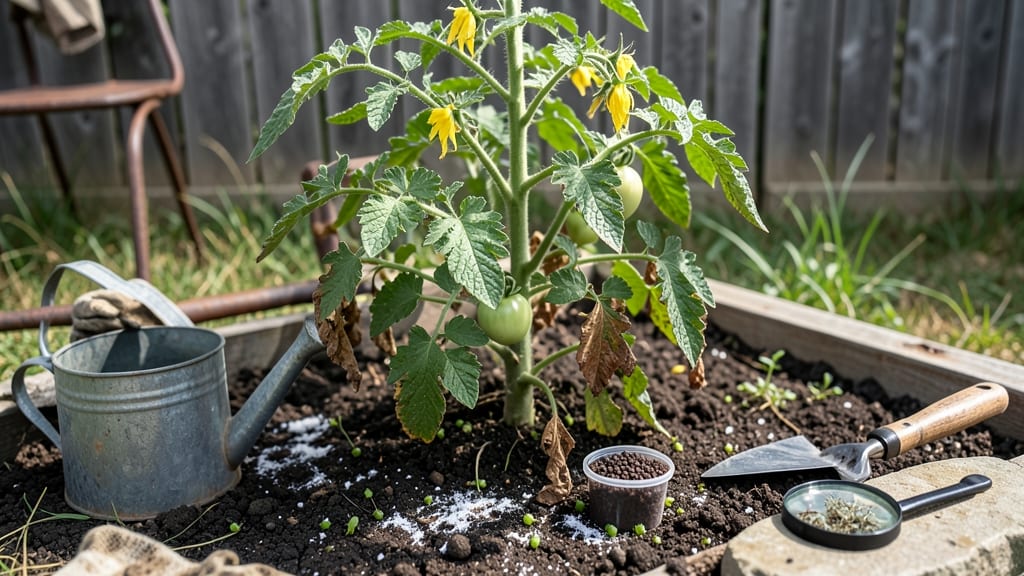
What causes tomato leaves to wilt can turn a thriving garden into a heartbreaking puzzle—especially when you’ve watered, fed, and pampered them just right.
Your 🍅 plants are thriving—until suddenly, their leaves droop, yellow, and wilt, leaving you baffled and worried. The real culprit might not be what you think: overwatering, pests, or even hidden soil stress could be silently draining their energy.
Here’s the good news: most wilting is reversible if you catch it early. Whether it’s a simple watering mistake or a sneaky fungal infection, knowing the signs lets you act fast before the whole plant gives up.
Below, I break down the top 5 hidden triggers behind wilting tomato leaves—and the quick fixes that save your harvest. No guesswork, just actionable steps to bring those leaves back to life.
5 Common causes of wilting tomato leaves (and how to spot them)
Wilting tomato leaves can feel like a death sentence for your garden, but most cases are fixable once you pinpoint the exact issue. The key is observing leaf color, wilting patterns, and soil conditions—each clue points to a different culprit.
I’ve seen gardeners blame pests only to discover their plants were simply thirsty or drowning in overwatered soil.
Don’t panic if you spot wilting—tomatoes are resilient when given the right care. The first step is distinguishing between environmental stress, disease, and pest damage. For example, brown crispy edges often signal underwatering, while yellowing leaves with wilting may indicate fungal issues like early blight.
Let’s break down the top 5 causes and their telltale signs.
Overwatering is one of the most common mistakes I see in home gardens. When roots sit in soggy soil, they suffocate and can’t absorb water or nutrients. Look for yellowing leaves that feel mushy when touched—a sure sign of root rot.
The wilting happens all day long, not just during heatwaves, because the plant’s vascular system is compromised.
Underwatering, on the other hand, causes crispy brown edges and leaves that curl upward like a taco. This usually happens in hot afternoons but recovers overnight when temperatures drop.
The key difference? Underwatered plants wilt temporarily, while overwatered ones stay limp. Stick your finger in the soil—if it’s dry past 1 inch, it’s time to water.
Fungal infections like early blight are sneaky because they start with small brown spots that expand into larger lesions. The wilting often begins on upper leaves as the disease spreads downward.
Unlike environmental causes, fungal wilting doesn’t recover—it worsens over time. If you spot these spots, act fast with fungicides and remove infected leaves immediately.
Pests like aphids or spider mites cause wilting by sucking sap from leaves, leaving them dehydrated. You’ll notice sticky residue (aphid honeydew) or tiny webs on the undersides of leaves.
The wilting is usually uneven, with clusters of damaged leaves rather than uniform drooping. A strong spray of water can knock them off, but severe infestations need insecticidal soap.
Finally, nutrient deficiencies—especially nitrogen—can mimic wilting by causing leaves to yellow and droop. The key difference? Older leaves turn yellow first, while new growth stays green. This happens because the plant moves nutrients from older to younger leaves to survive.
A quick soil test and balanced fertilizer can revive your tomatoes in no time.
Now that you know what to look for, the next step is diagnosing your specific case. Grab a notebook, jot down the symptoms, and check the soil moisture. Your tomatoes might just need a drink—or a rescue from a silent killer like fungus or pests.
Remember, early action is everything when it comes to saving your harvest. 🌱
Fast fixes for wilting tomato plants: step-by-step recovery guide
Wilting tomato plants can feel like a gardener’s worst nightmare, but quick action often makes all the difference. The key is diagnosing the issue fast and applying the right fix before the plant suffers permanent damage.
Whether it’s overwatering, underwatering, or a pest infestation, each cause requires a targeted solution to revive your plants and protect your harvest.
Start by examining the plant’s leaves, stems, and soil—these clues will tell you exactly what’s wrong. For example, yellowing leaves paired with dry soil likely mean underwatering, while mushy stems and foul odors signal rot from overwatering.
Once you identify the problem, follow the steps below to nurse your tomato plants back to health in no time.
Check the Soil
Stick your finger 1-2 inches into the soil. If it’s bone-dry, underwatering is the issue. If it’s soggy, you’re likely dealing with overwatering or root rot.
Adjust Watering Immediately
For underwatering, water deeply until the soil is moist 6 inches down. For overwatering, stop watering and let the soil dry out slightly before resuming a consistent schedule.
Prune Damaged Leaves
Use sterilized pruners to remove yellow, brown, or wilted leaves. This improves airflow and prevents disease spread, especially if fungal issues are present.
Apply Fungicide for Fungal Issues
If you spot spots, mold, or mildew on leaves, spray with a copper-based fungicide or a mixture of 1 tsp baking soda + 1 quart water to prevent further spread.
Treat Pest Infestations
For aphids, spider mites, or whiteflies, spray with neem oil or insecticidal soap. Repeat every 5-7 days until pests are gone.
Amend the Soil
Add compost or aged manure to improve drainage and nutrient levels. For nutrient deficiencies, use a balanced fertilizer (5-10-10) to restore health.
After addressing the immediate issue, monitor your tomato plants closely for the next 7-10 days. Consistent morning watering, proper pruning, and regular inspections will help prevent future wilting. Remember, tomatoes are resilient—with the right care, they’ll bounce back stronger than ever.
If wilting persists despite your efforts, the plant may be too far gone, but don’t lose hope. Use the lessons learned to protect your remaining plants and plan for a healthier harvest next season. Happy gardening!