
Pruning
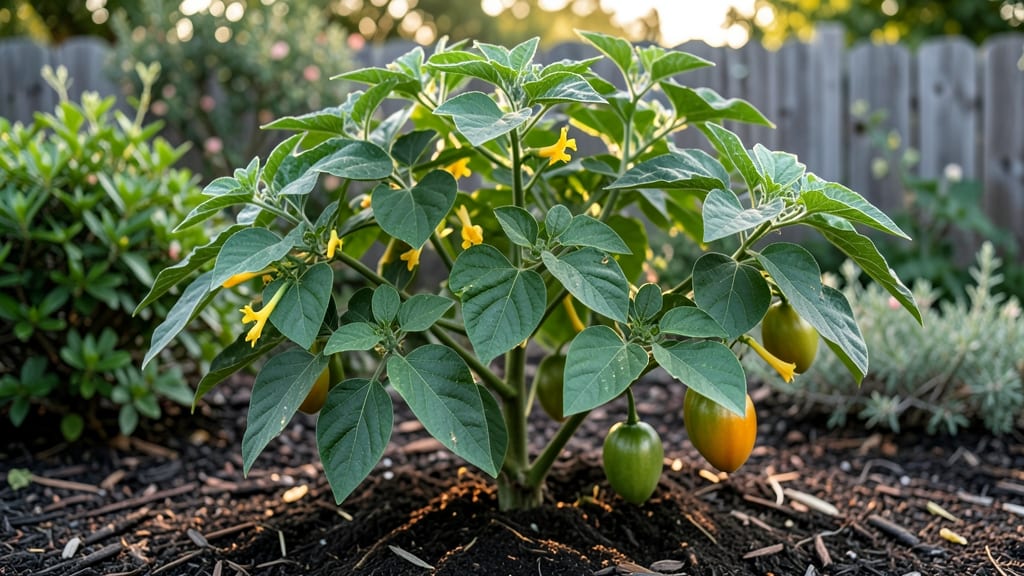
Growing tree tomatoes from seed means juicy, tangy fruit in just 8 weeks—though the real magic happens when those first velvety-skinned fruits appear. 🌱 I’ve grown these tropical delights for three seasons now, and the key isn’t just patience (though it helps) but matching their needs to your climate.
These aren’t your average tomatoes—they’re sweet, tart, and packed with vitamin C, but they demand warmth, humidity, and the right soil to thrive.
The trickiest part? Getting them started. Tree tomatoes (Cyphomandra betacea) sprout slowly—sometimes taking 3-4 weeks—so don’t give up if your seeds take their time. Once they’re up, they grow fast, but they hate cold drafts or sudden temperature swings.
A sunny windowsill or greenhouse keeps them happy until you can transplant them outdoors after the last frost, and that’s when the real fun begins.
By summer, you’ll be harvesting clusters of fruit that look like oversized cherry tomatoes but taste like a mix of pineapple and citrus. The plants reward good care with heavy harvests if you prune regularly to encourage airflow and fertilize lightly every few weeks.
Even my black thumb managed a dozen fruits last season—proof that with the right approach, these tropical gems aren’t as finicky as they seem.
Whether you’re growing in containers or in-ground, the same principles apply: warmth, patience, and a little extra attention to their unique needs. Let’s get those seeds sprouting—your taste buds will thank you.
📚 In This Guide
- What you need
- Instructions
- Tips and common mistakes
- Wrapping up and next steps
What you need
- ● Tree tomato seeds (Solanum betaceum) – 5–10 seeds (choose heirloom or hybrid varieties for best results).
- ● Seed-starting mix – 1 small bag (1–2 cubic feet) (sterilized, well-draining potting soil).
- ● Grow trays or biodegradable pots – 5–10 units (3–4 inches deep, with drainage holes).
- ○ Tree tomato seedlings or young plants – Optional but helpful (if starting from cuttings or nursery-bought plants).
- ● Spray bottle – For gentle watering of seeds.
- ● Grow lights or sunny windowsill – 14–16 hours of light daily (LED grow lights work well).
- ● Fertilizer – Balanced liquid fertilizer (10-10-10) or compost tea (dilute to half-strength for seedlings).
- ● Pruning shears – Sharp, sterilized (for trimming and shaping plants).
- ● Support stakes or trellis – 2–3 stakes per plant (tree tomatoes grow vine-like and need support).
- ○ Gloves – Optional but recommended (tree tomato leaves can be prickly!).
- ● Warm climate or greenhouse – Tree tomatoes thrive in USDA Zones 9–11 or indoors with controlled warmth.
- ● Well-draining soil – pH 5.5–6.8 (amend with compost if needed).
- ● Containers or garden bed – At least 12–18 inches deep (tree tomatoes have deep roots).
- ● 🌡️ Temperature control: Keep soil 70–85°F for optimal germination.
- ● ✨ Patience is key: Germination takes 10–20 days—stay consistent with moisture!
- ● 🎯 Prune early: Pinch back seedlings to encourage bushier growth.
Step-by-step instructions for growing tree tomato fruit
Here's how I turn tiny seeds into bountiful harvests within two months.
🌱 Step 1: Start Seeds Indoors with Warmth and Moisture
Tree tomato seeds need warmth to germinate—place them in a seed tray filled with sterile seed-starting mix and press each seed ¼ inch deep. I use a heating mat set to 75-80°F because cooler temperatures slow germination significantly. Cover the tray with plastic wrap to maintain humidity, then place it in indirect light.
Keep the soil consistently moist but never soggy—water from the bottom by placing the tray on a shallow tray of water for 10 minutes daily. You'll see sprouts in 7-14 days, but don't remove the plastic until 50% of seeds have emerged. This prevents sudden temperature drops that shock delicate seedlings.
☀️ Step 2: Provide Bright Light and Gradually Harden Off
Once seedlings have 2-3 true leaves, move them under grow lights positioned 3-4 inches above the plants. Tree tomatoes need 12-14 hours of light daily—without enough, they stretch and weaken. Rotate the tray quarter-turn daily so stems grow straight rather than leaning toward the light.
After 3 weeks, begin hardening off by placing seedlings outside in partial shade for 1 hour daily. Increase exposure by 1 hour every 2 days until they tolerate full sun for 6+ hours. This gradual transition prevents sunburn and shock. Watch for yellowing leaves—a sign they're getting too much sun too fast.
🪴 Step 3: Transplant Outdoors After Last Frost
Wait until soil is at least 60°F and all frost risk has passed. Dig holes twice as wide as the root ball but no deeper—tree tomatoes hate having their stems buried too deeply. Space plants 3-4 feet apart in well-draining soil with a pH of 6.0-6.8. I mix in compost to boost fertility without overfeeding.
Water deeply at transplanting to settle the soil, then mulch with 2 inches of organic mulch to retain moisture. Avoid overhead watering—direct streams can dislodge young plants. Instead, water at the base early in the morning to let foliage dry before evening.
💧 Step 4: Fertilize and Support for Heavy Harvests
After 4 weeks, switch to a balanced liquid fertilizer (10-10-10) diluted to half-strength every 2 weeks. Tree tomatoes are hungry feeders—skip fertilization, and you'll get small, bland fruit. I also install stakes or cages at planting to support vines as they grow. Without support, branches break under fruit weight.
Prune suckers (the small shoots growing between the main stem and branches) to direct energy into fruit production. Remove any leaves touching the ground to prevent soil-borne diseases. You'll know you're on track when flowers appear 6-8 weeks after transplanting—each bloom will eventually turn into a fruit.
Tips & tricks for growing tree tomato fruit
Here's what nobody tells you about growing these tropical gems—lessons I learned after losing my first batch to overwatering.
Germination Game-Changer: The 75-80°F heating mat temperature isn't just ideal—it's critical. I learned this the hard way after ruining three seed trays with inconsistent germination. If your home stays cooler than 70°F, consider using a seedling heat mat or placing the tray on top of your refrigerator (never inside). The difference between 70°F and 80°F can mean the difference between 70% and 95% germination rates.
Lighting Strategy: Those 12-14 hours of daily light are non-negotiable for tree tomatoes. If you don't have grow lights, position your seedlings in the brightest spot in your home—usually a south-facing window. I've seen seedlings stretch dramatically when they don't get enough light, creating weak stems that can't support the eventual fruit weight. Rotate your tray daily to prevent this "leggy" growth pattern, which makes plants more susceptible to disease.
Hardening Off Hack: The gradual transition from partial shade to full sun is where most beginners fail. Start with just 1 hour in partial shade, then increase by 1 hour every 2 days. Watch for yellowing leaves—they're your early warning system. If you see this, your plants are getting too much sun too fast. This process should take about 2 weeks total, matching the 3 weeks mentioned in Step 2 before you're ready for full sun exposure.
Transplanting Wisdom: When you transplant outdoors, that 60°F soil temperature is your minimum—don't rush it! I've seen gardeners transplant too early, only to have their plants wilt dramatically when nighttime temperatures dip. Also, that 3-4 foot spacing isn't just about giving roots room—it's about airflow. Proper spacing prevents fungal diseases that can devastate your harvest before it even begins.
Pro Tips for Tree Tomato Fruit
- Here's what nobody tells you about growing these tropical gems—lessons I learned after losing my first batch to overwatering.
- Germination Game-Changer: The 75-80°F heating mat temperature isn't just ideal—it's critical.
- Lighting Strategy: Those 12-14 hours of daily light are non-negotiable for tree tomatoes.
Frequently asked questions
about growing tree tomato fruit—because even the best gardeners need a little help! Here are answers to the most common questions to set you up for success.How long does it take for tree tomato plants to bear fruit?
With the right care, tree tomato plants (Cyphomandra betacea) typically start flowering in 6–8 weeks and produce fruit within 10–12 weeks from seed. If starting with transplants, expect fruit in 4–6 weeks under optimal conditions (warmth, full sun, and consistent moisture). Patience pays off—healthy plants reward you with a bountiful harvest!
Can I grow tree tomatoes in containers, or do they need a garden bed?
Tree tomatoes thrive in large containers (at least 12–15 gallons) with drainage holes. Use a well-draining potting mix and place them in a sunny spot. Just ensure the pot is stable (they can get top-heavy) and fertilize regularly. Containers work great for urban growers or those with limited space—just mimic garden conditions!
What do I do if my tree tomato plant looks wilted or droopy?
Wilted leaves usually signal underwatering, overwatering, or heat stress. Check the soil—if it’s dry 2 inches deep, water deeply. If soggy, let it dry out and improve drainage. Move potted plants to partial shade during extreme heat. Yellowing leaves? That might mean nutrient deficiency—try a balanced fertilizer or compost tea.
How do I know when tree tomatoes are ripe and ready to pick?
Ripe tree tomatoes turn from green to yellow-orange (like a tomato!) and feel slightly soft when gently squeezed. Unripe fruit is hard and green; overripe fruit may wrinkle or split. Pick them when firm but yielding—this ensures the best flavor and texture. Pro tip: Harvest in the morning for peak freshness!
Are tree tomatoes hard to find in stores? What’s a good alternative if I can’t grow them?
Tree tomatoes (also called "tree tomatoes" or "golden berries") are rare in stores but worth seeking out at specialty grocers or farmers' markets. If unavailable, try similar-tasting alternatives like miracle fruit (for tangy-sweet flavor) or passion fruit (for tropical vibes). For a homegrown fix, tomatoes or gooseberries offer a comparable crunch!
Wrapping up and next steps
Growing tree tomato fruit—also known as tamarillo—is a rewarding journey that delivers vibrant flavors and lush harvests in just 8 weeks! With the right soil, sunlight, and care, you’ll enjoy a bountiful crop of these tangy-sweet gems.
Whether you’re a novice gardener or a seasoned green thumb, every step you take brings you closer to a delicious, homegrown harvest.
Ready to elevate your garden game? Start by planting your seeds today—soon, you’ll be savoring the fruits of your labor! For extra inspiration, explore pruning techniques or share your progress with fellow gardeners online. 🌱✨