
Companion Plants
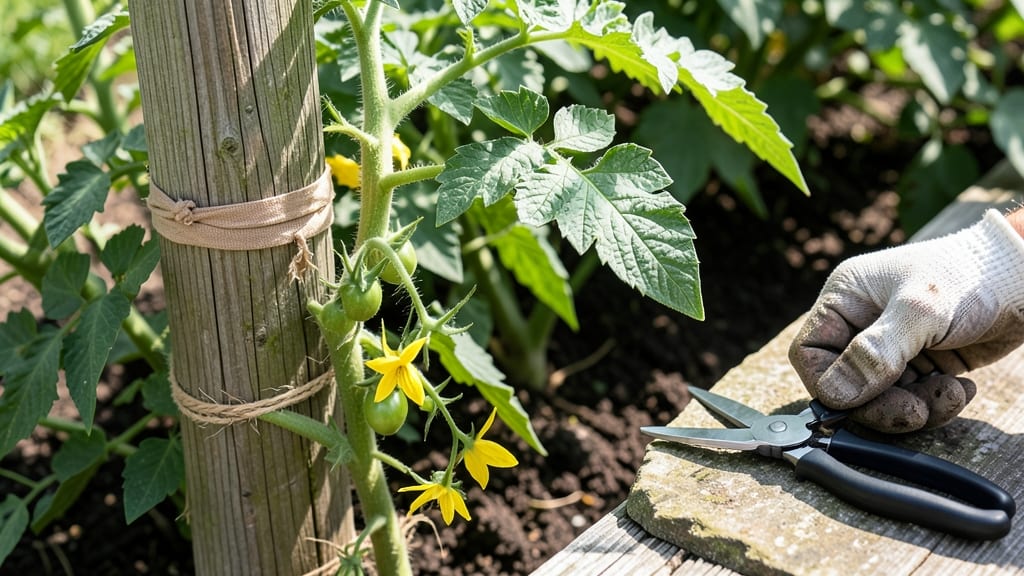
Training tomato plants isn’t just about keeping vines upright—it’s about unlocking their full potential. 🌱 I’ve spent years watching floppy plants struggle, and the difference between a messy, disease-prone tangle and a structured, high-yielding vine comes down to the right trellis and pruning.
Indeterminate varieties especially need support, but even determinate types benefit from airflow and sunlight exposure. The key is a sturdy trellis that won’t snap under 20-pound tomatoes. Bamboo stakes, metal cages, or DIY wooden frames all work—just make sure they’re at least 6 feet tall for indeterminate plants.
Prune suckers (those little shoots between stems) regularly to focus energy on fruit production, not leafy growth. I’ve seen yields double when plants aren’t fighting for space. By mid-summer, your tomatoes will be ripening faster and staying cleaner, thanks to better airflow.
No more rotten fruit hidden in foliage or vines dragging in the dirt. The right technique turns a chaotic vine into a neat, productive machine. Works for backyard gardens, containers, or even small balconies. Let’s get those plants climbing the right way!
📚 In This Guide
- What you need
- Instructions
- Tips and common mistakes
- Wrapping up and next steps
What you need
- ● Tomato plants: 2–6 plants (depending on space), preferably indeterminate varieties (e.g., 'Sungold,' 'Beefsteak,' or 'Brandywine').
- ● Trellis or support system: Sturdy wooden stakes (5–8 ft tall, 1–2 inches in diameter) – 1 per plant.
- ○ Metal or bamboo cages (5–6 ft tall, 18–24 inches in diameter) – 1 per plant (optional for easier training).
- ● Trellis netting (1-inch mesh, 6–8 ft tall) – 1 roll for a row of plants.
- ● PVC pipes (½-inch diameter, 6–8 ft long) – 2 per plant for a DIY trellis (cut and tie with zip ties).
- ● Fasteners: Soft plant ties or garden twine (10–20 ft per plant).
- ● Zip ties (for PVC trellises, 10–20 per plant).
- ● Pruning tools: Sharp pruning shears (bypass type for clean cuts).
- ● Gloves (to protect hands from thorns and dirt).
- ● Soil & amendments: Well-draining potting mix or garden soil (enriched with compost).
- ● Balanced fertilizer (10-10-10 or tomato-specific, 1–2 tbsp per plant).
- ● Mulch (straw or shredded leaves) to retain moisture and suppress weeds.
- ● Drip irrigation kit or soaker hoses for consistent watering.
- ● Plant markers (to label varieties and track progress).
- ● Succession planting seeds (for continuous harvests).
- ● Pest control (neem oil or row covers for early-season protection).
Step-by-Step guide to training tomato plants on sturdy trellises
Here's how I keep my tomato vines growing vertically without collapsing under their own weight.
🪴 Step 1: Install a Strong, Flexible Trellis System
Start with a trellis that can handle 10+ pounds per plant—tomato vines get heavy fast. I use 3-foot tall bamboo stakes spaced 18-24 inches apart in rows, then weave #9 gauge galvanized wire horizontally every 12 inches for support. The wire needs to be taut but flexible enough to sway slightly in wind without snapping.
Drive stakes 6-8 inches deep into moist soil for stability. If your garden gets high winds, add a third horizontal wire at the top for extra security. The key is creating a grid where vines can weave through without getting pinched—think of it like a tomato-sized hammock system.
☀️ Step 2: Position Plants Strategically at Installation
Plant tomatoes 3-4 inches from the trellis stake so they grow toward the support naturally. I always place the strongest stem closest to the trellis—this becomes your main leader. Bury the first 2-3 inches of stem when planting to encourage deeper root growth, which stabilizes the plant before it gets top-heavy.
Here's the thing—don't rush to tie anything down until you see the first 5-6 inches of vine growth. Wait until the plant has established itself, or you'll strangle the stem as it thickens. I mark each stake with the variety name so I remember which plant is which when it's time to prune.
✂️ Step 3: Train Vines Using the "Weave and Tie" Method
When vines reach 12 inches tall, gently weave the main stem around the first horizontal wire. Use soft plant ties or old T-shirts cut into strips—never wire or plastic ties that can cut into the stem. I like to tie in a loose figure-eight pattern so the vine can grow through the loop without restriction.
Watch for suckers (side shoots in the leaf axils)—these are the little offshoots that form where leaves meet the stem. Pinch them off early to direct energy to fruit production. The moment a vine reaches the next wire level, repeat the weaving process. This creates a spiral pattern that distributes weight evenly.
🌿 Step 4: Maintain Balance Through Pruning and Support
Every 7-10 days, check for new suckers and remove them before they grow larger than 2 inches. I also inspect the trellis wires for any vines that have grown too tightly—loosen them immediately if they look constricted. The goal is to keep the plant's weight distributed across multiple points of contact with the trellis.
When fruit sets begin, you'll notice the vines get heavier. This is when I add extra support stakes between the main trellis lines for clusters of tomatoes. The moment a branch holds 3-4 tomatoes, I tie it to the trellis with a second tie to prevent sagging. Real talk: I've seen vines snap under 5-pound tomatoes if not properly supported.
💧 Step 5: Adjust Care for Late-Season Stability
As tomatoes ripen, reduce watering slightly to prevent sudden weight gain that can stress the vines. I water deeply every other day instead of daily, letting the soil dry slightly between waterings. This helps the plant walls thicken naturally, making them more resilient to wind and fruit weight.
When 75% of fruit is mature, stop all pruning. The plant needs to focus on ripening what's already there rather than putting energy into new growth. I also remove any remaining suckers at this stage—no need for new growth when harvest is imminent. The trellis should now be holding the entire plant's weight without any flopping.
Tips & tricks for perfect tomato plant training
These little adjustments make all the difference between vines that flop and ones that thrive all season long.
Stake Depth Matters: The 6-8 inches you drive those bamboo stakes into the soil isn't just arbitrary—it's what keeps them standing during windstorms. I've seen stakes pulled right out when planted too shallow, especially with indeterminate varieties that grow 6+ feet tall. For extra insurance in windy areas, add a third horizontal wire at the top, creating a proper cage structure that can handle 10+ pounds per plant without bending. The key is getting that balance between stability and flexibility—think of it like a suspension bridge for tomatoes.
The Weave-and-Tie Technique: When your vines reach that 12-inch mark in Step 3, resist the urge to just tie them straight up. The weaving motion creates a natural spiral that distributes weight more evenly than a single straight line. I use old T-shirt strips because they stretch slightly as the vine grows, preventing those painful constriction points that can strangle the stem. Pro tip: Always tie at a 45-degree angle to the wire—this creates more contact points and prevents the vine from slipping through the loop as it thickens.
Sucker Management Strategy: Those little side shoots in the leaf axils might seem harmless, but they're energy vampires that drain resources from your fruit production. The 2-inch rule in Step 4 is critical—once suckers grow beyond that size, they've already siphoned off enough energy to reduce your yield. I make this easier by doing a quick visual sweep every 7-10 days while I'm already checking for pests. Grab a pair of clean pruning shears and snip just above the leaf axil where the sucker meets the main stem—this prevents any lingering infection points.
Late-Season Water Wisdom: The shift to every-other-day watering in Step 5 isn't about drought—it's about building structural integrity. When tomatoes start ripening, their water content increases dramatically, adding sudden weight that can snap vines. By letting the soil dry slightly between waterings, you're actually encouraging the plant to develop thicker cell walls. I've seen vines that would've collapsed under 3-pound tomatoes stay upright because of this simple adjustment. Just make sure to water deeply each time to encourage those roots to grow downward for better anchorage.
Pro Tips for Training Tomato Plants
- These little adjustments make all the difference between vines that flop and ones that thrive all season long.
- Stake Depth Matters: The 6-8 inches you drive those bamboo stakes into the soil isn't just arbitrary—it's what keeps them standing during windstorms.
- The Weave-and-Tie Technique: When your vines reach that 12-inch mark in Step 3, resist the urge to just tie them straight up.
Frequently asked questions
Got questions about training your tomato plants? You’re not alone—gardeners often wonder about the best methods, timing, and troubleshooting floppy vines. Here are answers to the most common queries to help you grow sturdy, productive tomatoes!
When should I start training my tomato plants?
Begin early—as soon as your plants reach 12–18 inches tall (usually 4–6 weeks after transplanting). This prevents overgrowth and makes pruning easier. For indeterminate varieties, train weekly to keep vines from toppling. Pro tip: Start with a lightweight support (like a bamboo stake) before switching to a permanent trellis.
What’s the best trellis material for heavy tomato vines?
Heavy vines need durable, flexible supports. Top picks:
- A-frame cages (easy to DIY with wire or PVC)
- Wooden stakes + twine (classic but labor-intensive)
- Trellis netting (best for vertical gardens)
- Metal cages (heavy-duty, lasts years)
Why are my tomato vines flopping even with a trellis?
Flopping usually means one of three issues:
- Insufficient support: Upgrade to a sturdier trellis or add ties every 6–12 inches.
- Overcrowding: Thin plants to 18–24 inches apart for airflow.
- Poor pruning: Remove suckers (side shoots) to redirect energy to fruit, not foliage.
Can I train tomato plants without a trellis?
Yes! Try these trellis-free methods:
- Pruning + staking: Trim vines aggressively (leave only 3–4 main stems) and stake heavily.
- Hanging baskets (for determinate varieties): Use a heavy-duty basket with support.
- Mulch + cages: Add 3–4 inches of mulch to retain moisture and reduce vine stress.
How do I train tomatoes in hot climates to avoid sunscald?
Heat stresses vines, but these tricks help:
- Shade cloth: Use 30% shade during peak sun (11 AM–3 PM).
- Morning watering: Soak roots deeply before 9 AM to prevent stress.
- Prune lower leaves: Remove foliage below the first flower cluster to improve airflow.
- Choose heat-tolerant varieties: Try ‘Solar Fire’ or ‘Heatmaster’ tomatoes.
Wrapping up and next steps
Training your tomato plants with sturdy trellis techniques isn’t just about aesthetics—it’s a game-changer for healthier vines, bigger yields, and fewer pests. By following these steps, you’ll create an environment where your plants thrive, saving you time and effort while maximizing your harvest. 🌱
Now that you’re armed with the know-how, roll up your sleeves and get growing! Start with a single trellis or expand your garden—either way, your tomatoes will thank you. Ready to see those lush, upright plants in action? Plant your first stake today!