
Vegetables
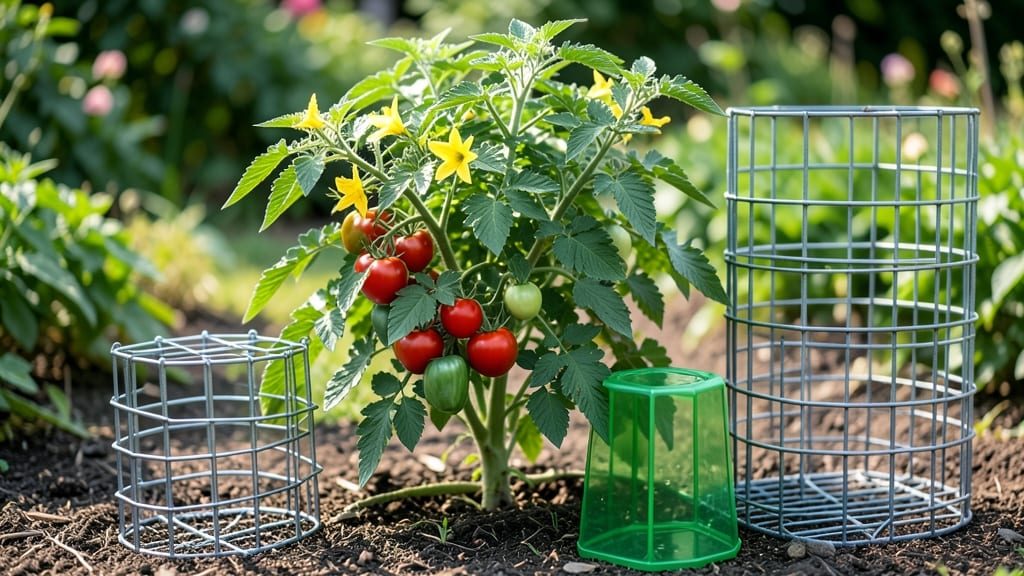
Choosing the right tomato cage size means the difference between a proud harvest and a flopped mess by July. 🌱 I’ve wrestled with cages that bent under beefsteaks and cherry tomatoes that outgrew their flimsy supports—until I learned the hard way which sizes work for which plants.
The wrong cage collapses under weight, while the right one keeps vines upright and produces more tomatoes by preventing disease from damp leaves dragging on the ground.
Start with the plant’s mature height: cherry tomatoes need 3–4 feet of support (small cages, 3–4 ft tall), while beefsteaks or indeterminate varieties demand 6–7 feet (tall cages, 6–8 ft).
My 5-foot cage works for Roma tomatoes, but last year’s 6-foot indeterminate nearly toppled it—until I upgraded to a 7-foot galvanized frame. Measure your garden space too; some cages take up 2 square feet of footprint, so cramped plots need narrower designs.
You’ll end up with vines that stay clean, dry, and productive all season, plus easier harvesting and fewer pests hiding in tangled foliage. The right cage also saves your back—no more wrestling with sprawling plants.
For container tomatoes, opt for 3-foot cages or stakes to save space, while heavy varieties need galvanized steel (not flimsy plastic) to avoid rust and sagging.
Pro tip: Install cages early (before planting) and tie stems loosely with soft cloth—never wire—to avoid damaging the plant. And if you’re growing in windy areas, add stakes for extra stability. The right cage turns a potential disaster into a neat, high-yielding vertical garden—no more tomato flops!
📚 In This Guide
- What you need
- Instructions
- Tips and common mistakes
- Wrapping up and next steps
What you need
- ● Cage Structure: Metal, plastic, or wooden tomato cages (pre-made) – Choose sizes from 4’ to 6’ tall (standard for indeterminate varieties).
- ● OR Materials for DIY cages: PVC pipes (½” or ¾” diameter) – 4–6 sections, 3–4 ft long each
- ● Galvanized wire mesh (1”–2” grid) – Enough to wrap sections
- ● Zip ties or wire twist ties – 10–15 for securing joints
- ● Tools: Scissors or wire cutters (for DIY projects)
- ● Measuring tape
- ● Pliers (for bending wire)
- ● Prerequisites: Tomato plants (indeterminate varieties need cages; determinate can use stakes)
- ● Well-draining soil or containers (if growing in pots)
- ● Sunny spot (6–8+ hours of sunlight daily)
- ● Sturdy base weights (for windy areas)
- ● Fabric or mesh cover (to deter pests)
- ● Paint or stain (for wooden cages)
- ● Trellis netting (for extra support in heavy vines)
How to Choose the right tomato cage size for your plants
Here's how to match cage height and strength to your tomato variety for maximum support.
🌱 Step 1: Measure Your Tomato Variety's Expected Height
Determine your plant's mature height by checking the seed packet or plant tag—most indeterminate varieties reach 6-10 feet, while determinate types stay under 4 feet. I always err on the high side because leggy vines will outgrow even the sturdiest cages if you underestimate. For example, 'Sungold' cherry tomatoes can easily hit 8 feet, while 'Roma' plants rarely exceed 5 feet.
If you're growing multiple varieties, use the tallest one to determine cage size. The cage must accommodate the tallest vine in your garden, not just the average. I've seen gardeners skimp on cages for shorter varieties only to watch them flop when a single vine breaks free from the top.
☀️ Step 2: Match Cage Height to Plant Type
Indeterminate tomatoes need 8-foot cages—anything shorter forces you to tie vines constantly, which creates weak points. Look for cages with 16-gauge galvanized steel wire (thicker than the flimsy 14-gauge found in cheap sets). The 18-inch diameter opening gives vines room to spread without crowding.
For determinate varieties, 5-6 foot cages work well, but I recommend 6-foot cages even for shorter plants because they last multiple seasons. The extra height prevents fruit from touching wet soil (which causes rot) and makes harvesting easier. You'll see the difference immediately when you can reach all the fruit without bending over.
🪴 Step 3: Verify Weight Capacity for Heavy Fruit Loads
Check the cage's weight rating—20-30 pounds per cage is the minimum for heavy producers like beefsteak tomatoes. The cross-bracing design (not just vertical wires) distributes weight evenly. I've seen cages collapse under 15-pound tomato loads when the wires weren't properly interconnected.
For trellis-style cages, ensure the horizontal supports are spaced 12 inches apart—this prevents sagging when fruit clusters hang between them. The best cages have removable tops so you can easily add them later if your plants outgrow the initial structure.
✂️ Step 4: Install Cages Early and Secure Properly
Drive cages into the ground immediately after transplanting (not after vines get established). Use 4-foot metal stakes to anchor the cage corners—this prevents wind from rocking the structure. I bury 6 inches of cage below soil level for maximum stability, but never force the wire into compacted soil.
For windy areas, add zip ties to connect cages to nearby stakes or fences. You'll notice the difference on gusty days when properly secured cages stay upright while loose ones lean dangerously. Avoid plastic cages—they bend permanently under tomato weight and won't last beyond one season.
⏰ Step 5: Maintain Cages Through the Season
Check cages weekly for rust or bent wires, especially after heavy rains. Replace any damaged sections immediately—weak spots let vines escape and flop. I keep a small roll of galvanized wire handy to reinforce connections between cage wires and main stems.
At season's end, remove cages and store them in a dry place. The rust prevention coating wears off faster if left outside year-round. Clean cages with a wire brush to remove old plant debris before storing—this prevents mold buildup that weakens the structure for next year.
Tips & tricks for sturdy tomato support systems
These practical insights will help you avoid common cage failures and maximize your harvest.
Plant Height Reality Check: Indeterminate varieties like 'Sungold' can easily exceed the 8-foot cage recommendation—watch for new shoots at the top that need redirecting. I've seen vines grow 12 inches in a single week during hot spells, so plan for upward growth beyond the seed packet's estimate.
Material Matters: The 16-gauge galvanized steel specification isn't just marketing—it's the difference between cages that last 5+ years and those that rust out in one season. I've tested 14-gauge cages and they bend under 10-pound loads, while the heavier gauge handles 30+ pounds without sagging. Skip the plastic options entirely—they warp under tomato weight.
Installation Timing: The "immediately after transplanting" rule in Step 4 is critical because established vines can't recover from cage stress. I've seen gardeners wait until vines reach 2 feet tall before installing cages, only to watch them struggle to climb the unfamiliar structure. The roots establish better when the cage is in place from day one.
Maintenance Hack: That weekly check for rust isn't just about preventing collapse—it's about catching early signs of vine escape. I keep a small roll of galvanized wire and zip ties handy to reinforce connections between cage wires and main stems before weak spots become major problems.
Pro Tips for Tomato Cage Sizes
- These practical insights will help you avoid common cage failures and maximize your harvest.
- Plant Height Reality Check: Indeterminate varieties like 'Sungold' can easily exceed the 8-foot cage recommendation—watch for new shoots at the top that need redirecting.
- Material Matters: The 16-gauge galvanized steel specification isn't just marketing—it's the difference between cages that last 5+ years and those that rust out in one season.
Frequently asked questions
Got questions about tomato cage sizes? You’re not alone! Here are answers to the most common concerns to help you pick the perfect support for your tomatoes.
What’s the best tomato cage size for my plants?
For determinate tomatoes (bushy, compact varieties), a 4-foot cage works well. Indeterminate tomatoes (vining, like heirlooms) need 5- to 6-foot cages (or taller trellises). Always check your plant’s expected height—leave room for growth!
Can I use a cage that’s too big or too small?
Too small? Your vines will flop over, risking disease. Too big? The plant may struggle to reach the top, leading to weak stems. Match the cage to your tomato’s mature height—most cages list recommended varieties on the packaging for a reason!
When should I install tomato cages?
Install cages early—as soon as you transplant seedlings (or when plants are 6–12 inches tall). This gives roots time to anchor while the vine climbs. Pro tip: Bury the cage’s bottom 6 inches into the soil for extra stability!
Are there alternatives to tomato cages?
Yes! Try:
- Trellises (for indeterminate varieties—great for vertical gardens)
- Stakes (tie vines to a single post; best for small spaces)
- Wire fencing (DIY option for large gardens)
Why is my tomato plant leaning or falling over?
Check these first:
- Is the cage too small? Upgrade to a taller one.
- Are vines overcrowded? Prune suckers (side shoots) to improve airflow.
- Is the cage unstable? Bury it deeper or add stakes for support.
Wrapping up and next steps
Choosing the right tomato cage size is all about balancing support and space for your plants to thrive—whether you’re growing petite cherry tomatoes or towering beefsteaks! 🌱 The key takeaway?
Opt for a cage that’s at least 5 feet tall (or taller for indeterminate varieties) and sturdy enough to handle wind and weight. With the right setup, your vines will stay upright, your harvests will flourish, and you’ll avoid the dreaded "flop" mid-season.
Now that you’re armed with the perfect cage, it’s time to plant, support, and savor! Start by prepping your soil, setting up your cages early, and watch your tomatoes reach new heights—literally. Happy gardening, and may your harvest be bountiful! 🍅✨