
Planting
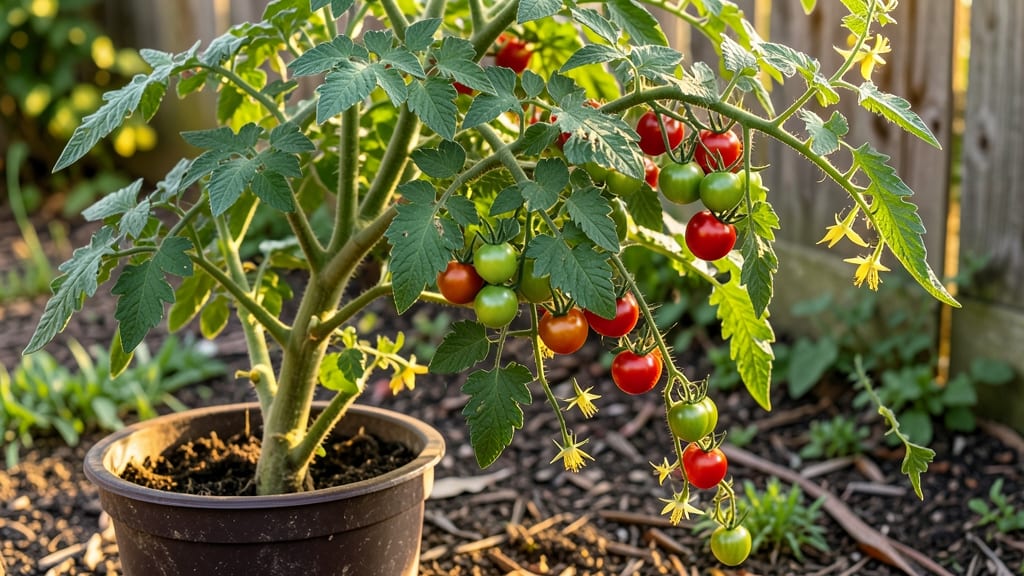
This Topsy Turvy tomato plant turns your balcony into a salad bowl without taking over your space. 🌱 Unlike sprawling vines, its compact, trailing habit produces pound after pound of sweet, cherry-sized tomatoes—perfect for containers or small gardens.
I grew mine in a 5-gallon pot last summer, and by August, it was dripping with fruit while my neighbor’s indeterminate plants still struggled to climb their cages. The secret lies in its determinate growth—it stops when it’s happy, so no endless pruning or staking nightmares.
You’ll need a strong trellis or hanging basket (I used a 3-foot A-frame cage) to support its 4-5 foot spread, but the payoff is months of effortless harvests with minimal fuss.
Even my black thumb couldn’t kill this one—it thrived on morning sun and afternoon shade, and I watered it once a week (more in heatwaves).
What you’ll end up with is a neighborhood bragging point: clusters of bright red, 1-inch tomatoes that taste like summer, all from a plant that fits on a patio table. The key is consistent moisture (never soggy soil) and light feeding every 2 weeks—no fancy fertilizers needed.
And when blossom end rot creeps in? A sprinkle of crushed eggshells fixes it faster than store-bought remedies. Works in containers, hanging baskets, or ground beds—just give it 6+ hours of sun daily and well-draining soil.
Here’s how to keep it producing until frost without the usual tomato growing headaches.
📚 In This Guide
- What you need
- Instructions
- Tips and common mistakes
- Wrapping up and next steps
What you need
- ● Topsy-Turvy tomato seeds or seedlings (1-2 plants per container—determinate varieties like 'Tiny Tim' or 'Patio Princess' work best!)
- ● Growing containers (5-gallon fabric pots, hanging baskets, or window boxes—at least 12 inches deep)
- ● High-quality potting mix (lightweight, well-draining blend with compost—avoid garden soil!)
- ● Slow-release fertilizer (balanced 10-10-10 or tomato-specific granules)
- ● Topsy-Turvy planter bags (if using the system—1 per plant)
- ○ Support stakes or trellis (optional but helpful for extra stability)
- ● Watering can or hose with a gentle nozzle (drip irrigation works too!)
- ● Pruning shears (for trimming suckers and shaping growth)
- ● Mulch (straw or shredded leaves to retain moisture)
- ● Epsom salt (for a magnesium boost—mix 1 tbsp per gallon of water monthly)
- ● Plant food spray (liquid fertilizer for quick nutrient top-ups)
- ● Garden gloves (to keep hands clean while handling plants)
- ● Shade cloth (if your climate gets scorching hot)
How to grow a compact Topsy-Turvy tomato plant
Determinate tomatoes like Topsy-Turvy grow in tight clusters—here's how to coax their naturally bushy habit into perfect, space-saving production.
🌱 Step 1: Select the Right Variety and Planting Site
Topsy-Turvy tomatoes are bred for compact growth, reaching just 2-3 feet tall at maturity—ideal for containers or small gardens. Choose a location with full sun (6-8 hours daily) and protection from strong winds, which can damage their delicate stems. I always plant mine in well-draining soil with a pH between 6.0 and 6.8, as tomatoes thrive in slightly acidic conditions.
If growing in containers, select pots at least 12-15 inches deep with drainage holes. The root system of Topsy-Turvy tomatoes is shallow but spreads wide, so wider pots (18-24 inches in diameter) yield better harvests. Avoid planting in heavy clay soil—it compacts easily and restricts root growth, leading to smaller fruits.
✂️ Step 2: Prune for Bushier Growth Early
The secret to Topsy-Turvy's compact shape is aggressive pruning. Start when the plant reaches 12-18 inches tall and remove the top set of leaves just above a leaf cluster. This encourages lateral branching, which produces more fruit-bearing stems. I use sterilized pruning shears to make clean cuts at a 45-degree angle, about ¼ inch above a leaf node—this prevents water from pooling and causing rot.
Watch for suckers (the small shoots that form in the leaf axils). Pinch these off early—they divert energy from fruit production. You'll see new growth sprout from the sides within 7-10 days. Prune again when these lateral branches reach 6-8 inches, repeating the process to maintain a bushy, multi-stemmed plant. This method ensures more clusters of tomatoes rather than one long vine.
💧 Step 3: Water and Fertilize for Compact, Heavy Production
Topsy-Turvy tomatoes need consistent moisture—water deeply 1-2 times per week, depending on rainfall, until the top 2 inches of soil feel dry. Overwatering leads to blossom-end rot, while underwatering causes fruits to split. I water at the base of the plant in the morning to allow foliage to dry quickly, reducing disease risk. Drip irrigation or soaker hoses work best, as they deliver water directly to the roots without wetting the leaves.
Feed with a balanced fertilizer (10-10-10) at planting, then switch to a tomato-specific fertilizer (5-10-10 or higher in phosphorus) when flowers appear. I apply fertilizer every 2-3 weeks during fruiting season, but never let it touch the leaves—this prevents leaf burn. A handful of compost or worm castings mixed into the soil at planting provides slow-release nutrients for steady growth.
☀️ Step 4: Support and Train for Maximum Yield
Even though Topsy-Turvy is compact, its fruit clusters can get heavy. Install a small tomato cage (3-4 feet tall) or bamboo stakes at planting to provide support as the plant grows. I weave the main stems through the cage or tie them loosely with soft plant ties to avoid restricting growth. Avoid tight bindings—they can girdle stems as the plant thickens.
As the plant matures, prune lower leaves that touch the soil to improve airflow and reduce disease. You’ll notice fruit clusters forming at the ends of branches—these are the plant’s main harvest points. If a branch becomes overloaded with tomatoes, remove the smallest fruit to redirect energy to the remaining ones. This ensures larger, healthier tomatoes rather than a bush full of tiny ones.
⏰ Step 5: Harvest and Maintain Through the Season
Topsy-Turvy tomatoes ripen all at once, so monitor the plant closely. Harvest when fruits are fully colored and slightly soft to the touch—this ensures peak flavor and prevents overripe tomatoes from splitting. I pick in the morning when temperatures are cooler, as this preserves their freshness. Use pruning shears or a sharp knife to avoid damaging the stem, and twist gently if hand-picking.
After the first flush of tomatoes, you may see secondary growth sprout from the base. Prune these back to one or two strong stems to maintain the plant’s compact shape. As the season progresses, reduce watering slightly 2-3 weeks before the first frost to concentrate flavors. Once the plant stops producing, pull it up and compost the remains—this prevents soil-borne diseases from overwintering.
Tips & tricks for perfect Topsy-Turvy tomato growth
These pro secrets will help you maximize your compact tomato's potential without sacrificing flavor or yield.
Sunlight Optimization: While the instructions call for 6-8 hours of full sun, I've found that morning sun (especially between 8 AM and 11 AM) is most critical for Topsy-Turvy tomatoes. Position your plants so they receive direct sunlight during these peak hours. If growing in containers, rotate them every few days to ensure even exposure—this prevents lopsided growth and maximizes fruit set. In hot climates, provide afternoon shade to prevent sunscald on tender leaves.
Pruning Precision: The 45-degree angle cut mentioned in Step 2 isn't just about aesthetics—it's about directing water away from the stem. When pruning suckers, make sure to remove them completely at the base rather than just pinching. I've noticed that leaving any stub can lead to disease entry points. Also, prune during dry weather to allow wounds to heal faster. The 7-10 day regrowth window is your guide—if you don't see new shoots within this time, check for pests or nutrient deficiencies.
Container Selection Strategy: For container growing, I recommend using fabric pots instead of traditional plastic ones. The breathable material prevents root circling and allows for better moisture regulation. When choosing sizes, remember that 18-24 inch diameter pots give you the best balance between root space and stability. If you're using multiple containers, space them at least 18 inches apart to prevent competition for sunlight and nutrients. This spacing also improves airflow, reducing disease risk significantly.
Fertilization Timing: The 2-3 week fertilizer schedule works well, but I've found that applying a liquid tomato fertilizer (like fish emulsion) at the first sign of flowering gives an immediate phosphorus boost that's crucial for fruit development. Avoid fertilizing when the plant is stressed—like during extreme heat or drought. Also, consider using slow-release fertilizer pellets mixed into the soil at planting for steady nutrition throughout the season. This eliminates the need for frequent applications during the growing period.
Pro Tips for Topsy Tomato Plant
- These pro secrets will help you maximize your compact tomato's potential without sacrificing flavor or yield.
- Sunlight Optimization: While the instructions call for 6-8 hours of full sun, I've found that morning sun (especially between 8 AM and 11 AM) is most critical for Topsy-Turvy tomatoes.
- Pruning Precision: The 45-degree angle cut mentioned in Step 2 isn't just about aesthetics—it's about directing water away from the stem.
Frequently asked questions
Got questions about growing Topsy tomato plants? You’re not alone!
Here are answers to the most common queries—from pruning to pests and everything in between.
What makes Topsy tomato plants different from regular tomatoes?
The Topsy tomato is a determinate variety, meaning it grows in a compact bush shape (3–4 feet tall) instead of vining. This makes it perfect for containers, small gardens, or balconies. Its growth habit also means it produces fruit in clusters all at once, ideal for canning or fresh eating in one go!
How long does it take for Topsy tomatoes to bear fruit?
With the right care, Topsy tomatoes typically start flowering in 45–60 days after transplanting and produce ripe fruit in 60–85 days. Early varieties may fruit sooner, while cooler climates might extend the timeline. Planting in warm soil (60°F+) and providing consistent watering speeds up the process!
Do I need to prune a Topsy tomato plant?
Unlike indeterminate varieties, Topsy tomatoes don’t require heavy pruning. Lightly pinch off suckers (side shoots) to improve airflow and reduce disease risk, but avoid over-pruning—this plant thrives on its bushy shape! Focus on removing diseased leaves or excessive foliage blocking sunlight.
What pests or diseases should I watch for with Topsy tomatoes?
Common issues include aphids, hornworms, and blight. Use row covers early to deter pests, and rotate crops yearly to prevent soil-borne diseases. For blight, ensure good airflow (prune lightly) and avoid overhead watering. Neem oil or insecticidal soap can tackle pests organically—no harsh chemicals needed!
Can I grow Topsy tomatoes in containers? If so, what size pot do I need?
Topsy tomatoes are container-friendly. Use a pot at least 12–18 inches deep with drainage holes and fill it with well-draining potting mix. Add a cage or stakes for support as the plant grows, and place it in full sun (6+ hours daily). Just keep an eye on watering—containers dry out faster!
Wrapping up and next steps
Growing a topsy-turvy tomato plant is all about working with nature’s quirks to create a compact, productive garden gem! 🌱 By choosing determinate varieties and mastering pruning, staking, and training techniques, you’ll enjoy a bountiful harvest without the sprawl.
Whether you’re a space-challenged gardener or just love the charm of upside-down veggies, this method proves that big flavors don’t need big plants.
Ready to harvest your success? Start small—try a single plant in a container or a corner of your garden—and let your confidence (and tomatoes!) grow. Happy gardening! 🍅✨