
Companion Plants
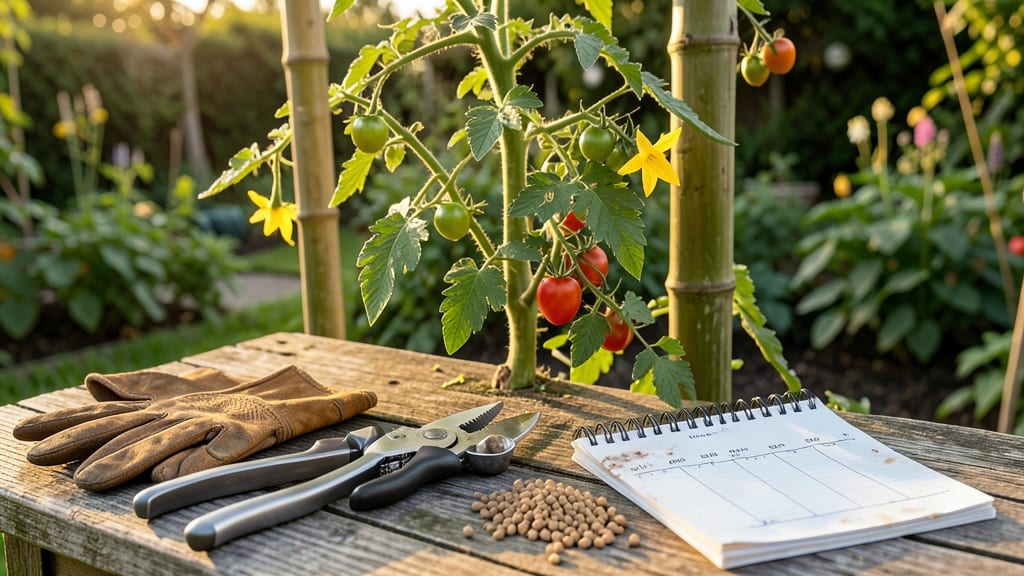
Topping off tomato plants turns leggy vines into productive bushes with fewer but larger fruits. ✂️ I used to ignore this step—until my indeterminate tomatoes grew 10 feet tall with tiny, bitter fruit.
The secret is stopping growth at the right time and place to redirect energy where it matters most. This simple pruning technique works best after the first flower cluster appears, usually when plants are 3-4 feet tall.
Grab sharp pruning shears and snip just above a leaf with two stems growing from it. Determinate varieties rarely need topping, but indeterminate ones thrive with this method—expect 20-30% larger tomatoes per plant.
The result is a plant that puts all its energy into ripening existing fruit instead of growing more vines. You’ll notice thicker stems, more robust leaves, and fruit that’s sweeter and heavier. The best part? It takes less than 5 minutes per plant.
Works for both backyard gardens and container growers. Here’s exactly how to do it without stressing your plants.
📚 In This Guide
- What you need
- Instructions
- Tips and common mistakes
- Wrapping up and next steps
What you need
- ● Clean, sharp pruning shears or bypass pruners – Dull blades can crush stems, inviting disease. Opt for 5-6" stainless steel shears (e.g., Felco #2 or Fiskars).
- ● Rubbing alcohol (70% isopropyl) or bleach solution – 1 part bleach to 9 parts water – for sterilizing tools between cuts.
- ○ Gloves (optional but recommended) – Nitrile or cotton gloves to protect against thorns and sap.
- ● Tomato plants (indeterminate varieties preferred) – Examples: Roma, Cherry, Beefsteak, or Brandywine.
- ● Support structure (if needed) – Trellis, cage, or stakes to guide new growth (especially for heavy varieties).
- ● Pruning sealant (e.g., tree wound paint) – Helps prevent disease entry in larger cuts.
- ● Garden twine or soft ties – For securing vines to supports post-pruning.
- ● Garden journal or marker – To track pruning dates and plant responses.
- ● Compost or mulch – To replenish soil nutrients after pruning.
- ● Sun hat & sunscreen – Because even gardeners need shade breaks!
Instructions for topping tomato plants: pruning secrets for bushier growth
Here's how to prune your tomato plants for stronger vines and more fruit—no guesswork, just proven techniques.
✂️ Step 1: Identify the Main Stem and First Flower Cluster
Start by locating the main stem—the thick, central vine that grows upward from the base. Look for the first flower cluster, which appears where the stem meets the first set of leaves. This is your reference point for where to make the first cut.
Use clean, sharp pruning shears to avoid crushing stems. I always sterilize my tools with rubbing alcohol first—this prevents spreading disease between plants. The goal here is to pinch or cut just above the first flower cluster, about ¼ inch above the leaf node where it meets the stem.
✂️ Step 2: Remove Suckers for Bushier Growth
Suckers are the small shoots that grow in the V-shaped junction between the main stem and a branch. These compete with your plant for energy, so removing them directs nutrients to fruit production. Check your plant weekly—suckers appear fast, especially on indeterminate varieties.
Use your thumb and forefinger to gently twist off small suckers, or snip larger ones with shears. Leave only 1-2 suckers per plant if you want a slightly bushier shape, but for maximum fruit size, remove them all. You'll see thicker stems and more flowers within weeks.
✂️ Step 3: Prune Lower Leaves for Airflow and Sunlight
Once your plant reaches 3-4 feet tall, start removing the lowest leaves—those touching or below the soil line. These leaves block airflow and trap moisture, creating conditions for blight. Use shears to cut just above the leaf stem without damaging the main vine.
I like to leave 12-18 inches of bare stem at the base. This might look odd, but it prevents soil-borne diseases and lets sunlight warm the fruit. Watch for yellowing leaves—this is your signal to prune more aggressively.
✂️ Step 4: Support and Train the Main Stem
As your plant grows, tie the main stem to a sturdy stake or trellis every 12 inches using soft plant ties. This prevents breakage from wind or fruit weight. I use hemp twine because it stretches as the plant grows without cutting into the stem.
For indeterminate varieties, let the main stem grow upward indefinitely, pruning only suckers and lower leaves. Determinate tomatoes stop growing at a certain height—once they reach their mature size, focus on removing only diseased or crowded leaves.
⏰ Step 5: Monitor and Adjust Through the Season
Check your plant every 7-10 days for new suckers or yellowing leaves. Prune aggressively during hot, dry spells—plants handle stress better when they're not overcrowded. In humid climates, reduce pruning to minimize disease risk.
Here's the thing—stop pruning 4-6 weeks before your first frost. You want the plant to focus on ripening existing fruit, not growing new leaves. Watch for blossom end rot (sunken spots on fruit)—this often signals calcium deficiency, which pruning can worsen.
Tips & tricks for perfect tomato plant pruning
Here's what nobody tells you about turning pruning into your tomato plant's secret weapon.
Timing is Everything: The weekly check in Step 2 is non-negotiable—suckers grow faster than you think, especially in warm weather. I've seen plants go from needing pruning to completely overgrown in just 5 days if you skip this step. Morning is ideal because plants are turgid (full of water) and easier to handle without breaking stems.
Tool Technique: Don't just grab any scissors! Use clean, sharp pruning shears for Step 1 and Step 3 cuts—they make cleaner cuts that heal faster. For Step 2 suckers, I find my fingers work better than tools for the delicate V-shaped junctions. Just be gentle—you're not trying to rip them off, you're guiding them out with a little twist. A light touch prevents damaging the main stem.
Visual Cues for Pruning: In Step 3, look for leaves that are touching the soil or hanging below the lowest fruit cluster. These are your targets. The 12-18 inch bare stem guideline is a great rule, but I adjust based on sunlight—if your plant is in partial shade, you might leave slightly more foliage to capture light. Watch for yellowing leaves too—they're nature's signal to prune more aggressively in that area.
Seasonal Adjustments: The 4-6 week rule before frost in Step 5 is perfect, but I add one more tip: if your climate has warm fall days, you can prune lightly right up until the first hard frost. The key is to stop completely when nighttime temperatures consistently drop below 40°F—this prevents stressing the plant when it needs to focus on ripening existing fruit.
Pro Tips for Top Off Tomato Plants
- Here's what nobody tells you about turning pruning into your tomato plant's secret weapon.
- Timing is Everything: The weekly check in Step 2 is non-negotiable—suckers grow faster than you think, especially in warm weather.
- Tool Technique: Don't just grab any scissors!
Frequently asked questions
Got questions about topping off tomato plants? You’re not alone! Here are some of the most common queries—and their answers—to help you master this pruning technique like a pro.
What’s the best time of year to top off tomato plants?
Top your tomato plants when they’re young and vigorous—typically 4–6 weeks after transplanting or when they reach 18–24 inches tall. Avoid pruning late in the season (after flowering) to prevent stress. For indeterminate varieties, you can top multiple times, but wait until the plant has recovered from the first cut.
Do I really need to sterilize my pruning shears?
Absolutely!
Sterilizing your tools with rubbing alcohol or a 10% bleach solution prevents disease spread (like early blight or bacterial spot). Wipe them down before and after each pruning session. Think of it like sanitizing your hands before cooking—no shortcuts!
What if I accidentally top my tomatoes too late?
Don’t panic! If you prune after flowering, the plant may struggle to set fruit, but it’s not a total loss. Focus on removing only the very top (just a few inches) and keep an eye out for new suckers. Late pruning can still improve air circulation and reduce disease risk—just expect a slightly smaller harvest.
Can I top off tomato plants if I don’t have pruning shears?
Yes! Use clean, sharp scissors, garden shears, or even your fingers (for small suckers). Just ensure your tool is sharp to avoid crushing stems. Pro tip: Pinch suckers between your thumb and forefinger for a quick, no-tool solution—just be gentle to avoid damaging the main stem.
Will topping off tomato plants work in hot or humid climates?
Topping is even more critical in hot/humid areas to improve airflow and reduce disease. However, avoid pruning during extreme heat (above 90°F/32°C)—wait for cooler mornings. In humid climates, sterilize tools religiously and prune early in the day so wounds dry quickly.
Wrapping up and next steps
Topping off your tomato plants isn’t just a gardening hack—it’s a game-changer for bushier vines, stronger growth, and a bountiful harvest. 🌱 By mastering this simple technique, you’ll encourage your plants to channel energy into fruit production instead of endless vertical growth, saving you time and effort while boosting yields.
Whether you’re a seasoned gardener or just starting out, this method is your secret weapon for homegrown success.
Ready to put your new skills to work? Grab those pruners, head to your garden, and give your tomato plants the care they deserve. Your future meals—and bragging rights—will thank you! 🍅✨