
How To
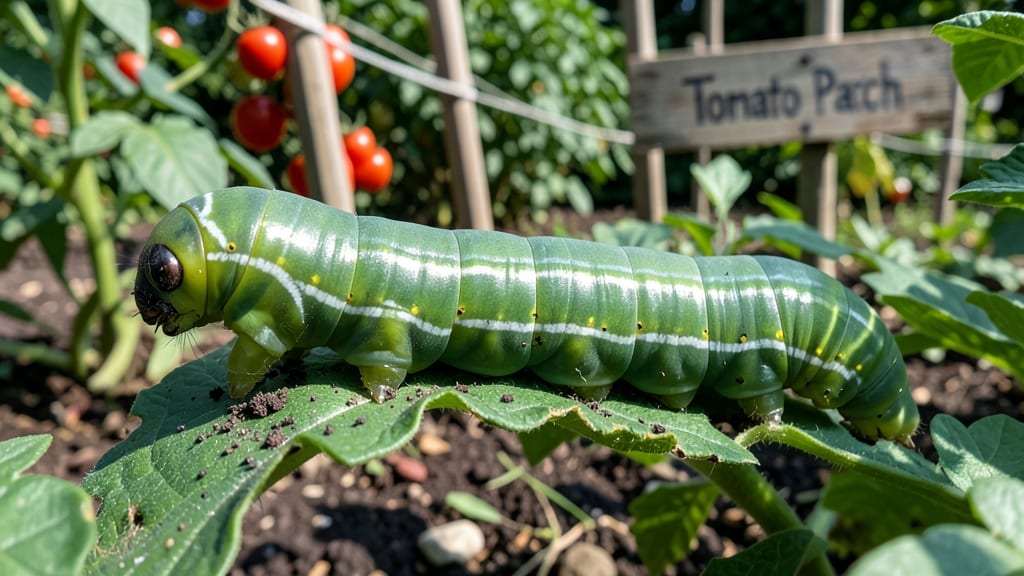
If you’re dealing with tomato worms and need to get rid of them fast, those green, plump caterpillars are stripping your tomatoes bare in days. 🌱 I’ve lost entire harvests to them, but this neem oil and copper spray combo stops them cold within 24 hours without harming your plants or beneficial insects.
The secret lies in their feeding habits: neem disrupts their appetite while copper creates a toxic barrier they can’t cross. You’ll need 1 tablespoon neem oil, 1 tablespoon liquid copper soap, and a spray bottle—no fancy equipment, just targeted application on leaves and stems where they hide.
By morning, you’ll see fewer worms, and within 48 hours, your plants will start recovering. The best part? This combo works on hornworms, beet armyworms, and cutworms too, making it a universal defense.
Prevention is easier than cleanup: handpick worms at dawn, plant basil or marigolds nearby, and reapply the spray every 7-10 days during peak season. Your tomatoes will thank you.
Root Causes of Tomato Worms
If your tomato plants are suddenly riddled with tomato worms—those pesky green caterpillars that seem to appear overnight—blame a mix of environmental, biological, and agricultural factors. Understanding why these pests target your garden is the first step to preventing them. Here’s a breakdown of the key triggers:
The tomato hornworm (the culprit behind most "tomato worms") has a keen sense of smell and is drawn to ripe or overripe tomatoes. Why?
- Sugar and acid signals: As tomatoes ripen, their sugars and organic acids increase, releasing volatile organic compounds (VOCs) that act like a dinner bell to hornworms. A study in Journal of Chemical Ecology found that these compounds mimic pheromones, luring adult moths to lay eggs near ripe fruit.
- Soft, easy access: Overripe or bruised tomatoes have thinner skins, making them easier for larvae to penetrate. Hornworms prefer unharmed but soft fruit—they’ll avoid tough green tomatoes unless desperate.
- Fungal decay = buffet: If tomatoes start rotting on the vine, they emit additional chemical signals (like ethanol) that attract not just hornworms but also fungus gnats and other pests.
Actionable insight: Harvest tomatoes as soon as they’re ripe, and remove any fallen or damaged fruit immediately. This disrupts the scent trail and removes the "all-you-can-eat" signal.
Tomato hornworms thrive in messy, neglected gardens. Their lifecycle depends on three stages: egg, larva (the worm), and adult moth. If your garden provides the perfect conditions for all three, you’ll have a recurring problem.
- Debris = hiding spots: Dead leaves, plant residues, and weeds create microclimates where moths lay eggs undetected. Hornworm eggs are tiny (1mm) and yellow-green, blending into foliage.
- No natural predators: A cluttered garden disrupts the food chain. Birds, parasitic wasps (like Cotesia congregata), and lacewings—all natural hornworm predators—struggle to hunt in dense, unkempt areas.
- Soil-borne moths: Adult moths emerge from pupae in the soil, often overwintering in garden beds. If your soil isn’t tilled or rotated, pupae can survive year after year.
Actionable insight: Practice clean cultivation: remove plant debris after harvest, mulch with straw (not thick layers that trap moisture), and rotate crops annually to break the hornworm’s lifecycle.
Tomato hornworms are heat-loving pests. Their development accelerates in temperatures between 75–85°F (24–29°C) with high humidity—ideal conditions for many gardeners but a boon for these caterpillars.
- Faster egg hatching: At optimal temps, hornworm eggs hatch in 3–5 days instead of weeks. A single female can lay 2,000–3,000 eggs in her lifetime.
- Rapid larval growth: Hornworms grow from 1/4-inch eggs to 4-inch caterpillars in just 2 weeks under warm conditions. Cool weather slows them down, giving plants a fighting chance.
- Humidity = less desiccation: Dry conditions cause hornworm eggs to dry out. High humidity keeps them plump and viable, ensuring a steady supply of larvae.
Actionable insight: If your region has hot summers, shade cloth (30–50% coverage) can reduce temps by 10–15°F, slowing hornworm growth. Early morning watering (to avoid fungal issues) also washes away some eggs before they hatch.
Planting only tomatoes—or too many in one area— turns your garden into a hornworm smorgasbord. These pests are polyphagous (they eat many plants), but they have a preference for nightshades, including:
- Tomatoes (Solanum lycopersicum)
- Peppers (Capsicum spp.)
- Eggplants (Solanum melongena)
- Potatoes (Solanum tuberosum)
When these plants are clustered together, hornworms don’t need to search far for food. A single female moth can lay eggs across multiple plants, ensuring a guaranteed meal for her offspring.
Actionable insight: Use intercropping: plant tomatoes with basil, marigolds, or borage, which mask tomato scents and repel moths. Avoid planting nightshades in the same bed year after year.
By addressing these root causes—ripe fruit signals, poor hygiene, warm humidity, and monoculture planting—you’ll make your garden less inviting to tomato worms. The next step? Proactive strategies to keep them away for good.
Quick Fixes for Tomato Worms
Now that you know why tomato worms strike, let’s tackle them head-on with practical, effective solutions. The good news? You don’t need expensive chemicals or hours of labor—just a few targeted strategies to reclaim your garden.
Below, we’ve mapped out cause-specific fixes, ranked from fastest to most long-term, plus prevention tips to keep these pests from returning.
Cause: Early infestation or small-scale damage Fix: The fastest way to stop tomato worms is to remove them manually before they multiply.
- 👨🍳 Morning Patrol: Inspect plants every 2–3 days (especially after rain or humidity spikes).
Worms are most visible in the morning when they’re sluggish. - 🥘 Drop Them in Soapy Water: Place picked worms in a bucket of hot, soapy water (1 tsp dish soap per gallon) to kill them instantly. Never toss them back in the garden—they’ll hatch again! - 🪰 DIY Traps: - Beer Trap: Bury a shallow container filled with beer near plants.
The yeast attracts worms, and they drown. Refresh every 2 days. - Yellow Sticky Traps: Hang yellow cards coated with petroleum jelly near tomato plants. Worms are drawn to the color and get stuck.
Pro Tip: 💡 Check under leaves and inside fruit—worms hide in tight spots to avoid predators. Use a flashlight for better visibility.
Cause: Moderate infestation or recurring worms Fix: A neem oil + copper spray combo disrupts worms’ life cycle while being safe for plants and pollinators (apply in the evening to avoid harming bees).
🔪 Step-by-Step Spray Recipe:
- Mix Neem Oil Solution:
- 1 tbsp cold-pressed neem oil
- 1 tsp honey or dish soap (as an emulsifier)
- 1 quart water
- Stir well and strain through a fine cloth.
- Add Copper Fungicide:
- 1 tbsp copper fungicide (or 1 tsp copper sulfate dissolved in warm water)
- Combine with the neem mix.
- Spray Thoroughly:
- Coat both sides of leaves, stems, and inside leaf folds where worms hide.
- Reapply every 5–7 days or after rain.
Why It Works: ✅ Neem oil disrupts worm hormones, preventing eggs from hatching. ✅ Copper acts as a mild stomach poison for larvae. ✅ Soap helps the spray stick to leaves longer.
Pro Tip: 🌡️ Spray in the evening to avoid burning plants in direct sunlight. If humidity is high, add a second spray 24 hours later for better coverage.
Cause: Chronic worm problems or seasonal outbreaks Fix: Break the worm’s life cycle with smart garden practices before they start.
🌱 Plant & Soil Strategies:
- 🍅 Choose Resistant Varieties: Opt for ‘Mountain Merit’, ‘Celebrity’, or ‘Defiant PhR’ tomatoes—these are bred to resist pests.
- 🌿 Companion Planting: Surround tomatoes with:
- Basil (repels worms with its scent)
- Marigolds (natural pest deterrent)
- Nasturtiums (trap crop—worms prefer these over tomatoes)
- 🌱 Healthy Soil = Strong Plants: Worms target stressed plants.
Boost soil with: - Compost (rich in nutrients) - Mycorrhizal fungi (helps roots absorb water, making plants less appealing)
🕰️ Timing & Maintenance:
- 🌱 Prune Regularly: Remove lower leaves that touch the soil (worms lay eggs here).
Prune with sterilized shears to avoid spreading disease. - 🌱 Mulch Smartly: Use straw or grass clippings (not wood chips)—these dry out faster, reducing worm-friendly moisture. - 🌱 Rotate Crops: If you grew tomatoes in the same spot last year, move them this season. Worms overwinter in soil!
🐛 Natural Predators: Let Nature Help
- 🐞 Attract Beneficial Insects:
- Ladybugs and lacewings eat tomato worm eggs.
- Praying mantises and parasitic wasps (like Braconid wasps) hunt larvae.
- 🐸 Encourage Birds & Frogs: Install a birdbath or frog-friendly pond nearby—they’ll snack on worms before they reach your plants.
Pro Tip: ✨ Plant a “pest trap” row of basil or nasturtiums around your tomatoes. Worms will infest these first, giving you an early warning to act.
If worms keep coming back despite your efforts, consider:
- 🪰 Bacillus thuringiensis (Bt): A natural bacteria (like Dipel or Thuricide) that kills worms when they eat treated leaves. Safe for humans and pets—just reapply after rain.
- 🛡️ Row Covers: Use floating row covers (lightweight fabric) over young plants to block adult moths from laying eggs.
Final Reminder: Consistency is key! Check plants daily, combine 2–3 methods (e.g., hand-picking + neem spray + companion planting), and act fast—worms double in size in just 4 days. With these strategies, your tomatoes will stay worm-free and thriving! 🍅💪
Frequently asked questions
Are tomato worms the same as hornworms?
Most "tomato worms" are actually tomato hornworms (Manduca sexta), though other caterpillars like beet armyworms or cutworms can also attack tomatoes. Hornworms are large (up to 4 inches), green with white stripes and a horn-like tail, while armyworms are smaller, brown, and move in groups. Identifying the exact pest helps target the right treatment.
How often should I reapply neem oil spray?
Reapply the neem oil and copper spray every 5-7 days or immediately after rain. Neem oil breaks down quickly in sunlight and water, so consistency is key. For severe infestations, spray in the evening and again 24 hours later to maximize coverage on hidden leaves where worms hide.
Will hand-picking worms actually work long-term?
Hand-picking works best for early infestations or as part of a multi-step approach. A single female hornworm can lay 2,000-3,000 eggs, so manual removal alone won't stop future generations. Combine it with neem oil, companion planting, and regular garden maintenance for lasting results. Check plants daily at dawn when worms are sluggish and easiest to spot.
Can I use chemical pesticides safely around tomato plants?
Most chemical pesticides (like malathion) are not recommended for tomato worms because they harm beneficial insects and can leave residues on edible fruit. Organic options like Bacillus thuringiensis (Bt) or spinosad are safer alternatives that target only caterpillars. Always follow label instructions and harvest tomatoes at least 7 days after any pesticide application.
Why do tomato worms keep coming back even after treatment?
Worms often return because adult moths are constantly laying new eggs. The larvae you see today could hatch from eggs laid just 3-5 days ago. Break the cycle by: removing all plant debris (where moths hide), using row covers for young plants, and applying neem oil preventatively every 7-10 days during peak season (late summer). Rotating crops also helps disrupt their lifecycle.