
Transplanting
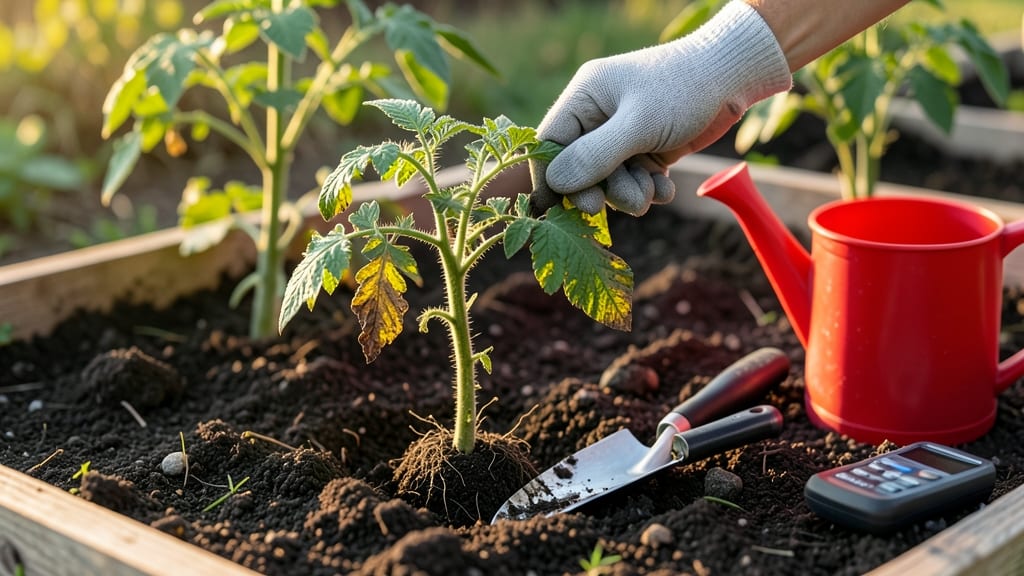
Tomato wilt after transplant happens faster than you’d think—sometimes within hours of moving those tender seedlings. 🌱 I’ve nursed back more than my fair share of drooping plants, and the key is understanding what’s really causing the stress before it’s too late.
Most gardeners blame "shock," but it’s often a mix of root damage, watering mistakes, or even hidden pests.
The good news? You can turn this around in 3 simple steps without expensive tools or fancy techniques. Start by checking the roots—if they’re circling or broken, that’s your first clue.
Then adjust your watering (overhead sprinklers are the enemy here) and give them a shade break for a few days. My plants bounce back reliably once I fix these basics.
You’ll see new growth within 5-7 days if the roots are healthy, with sturdy stems that can support those heavy tomatoes. The trick is patience—don’t rush to fertilize or prune until you’re sure the plant has stabilized.
Think of it as giving your tomatoes a spa day after the transplant trauma.
For next time, harden off seedlings properly and use 1-2 gallon containers for transplants to avoid root-bound stress. This method works for heirlooms, cherry tomatoes, or even those $5 nursery plants that arrive leggy. Let’s get those tomatoes thriving again!
Root of the Problem
Understanding why your tomato plants wilt after transplanting is the first step to saving them. Let’s dig into the most common causes—each one disrupts the delicate balance your plants need to thrive.
Transplant shock occurs when your tomato seedlings experience a jarring transition from their cozy nursery or seed-starting setup to the great outdoors. This stress can manifest as wilting because:
- Root Disturbance: Even gentle handling can damage delicate roots, reducing their ability to absorb water and nutrients.
When roots are disrupted, the plant struggles to hydrate itself, leading to droopy leaves. - Environmental Whiplash: Moving from a controlled indoor environment to the unpredictable outdoors—with wind, sun, and temperature fluctuations—can overwhelm young plants.
Their systems aren’t yet equipped to handle these changes, causing them to conserve water by wilting. - Water Imbalance: Overwatering or underwatering post-transplant can both trigger wilting. Roots need time to establish in their new soil, and improper watering disrupts this process.
Actionable Fix: Give your plants a few days to acclimate. Water deeply but infrequently at first, and provide shade cloth if transplanting during peak sun hours.
Water is life—or death—for your tomatoes. Wilting often signals a watering issue, whether from overzealous or neglectful care.
- Overwatering: Soggy soil cuts off oxygen to the roots, causing them to suffocate. This leads to poor nutrient uptake and wilting as the plant gasps for air.
Overwatering is especially risky if your soil drains poorly. - Underwatering: On the flip side, dry soil pulls moisture from the leaves, causing them to wilt as the plant conserves water.
Young transplants are particularly vulnerable because their root systems are still shallow. - Inconsistent Moisture: Fluctuating soil moisture levels confuse the plant’s hydration system. Roots struggle to adapt, leading to wilting even if the soil seems moist on the surface.
Actionable Fix: Check soil moisture with your finger—aim for consistently damp (not soggy) soil. Mulch around the base to retain moisture and regulate temperature.
Tomatoes are tropical plants at heart, but extreme temperatures—whether too hot or too cold—can send them into a wilt.
- Heat Stress: Sudden exposure to intense heat (especially above 90°F/32°C) causes leaves to wilt as the plant prioritizes water retention.
High temperatures also increase evaporation rates, drying out the soil faster than roots can keep up. - Cold Shock: Transplanting too early in the season or during a late frost can stunt root growth and cause wilting.
Cold soil slows microbial activity, reducing nutrient availability, while chilly air stresses the foliage. - Wind Burn: Strong winds dry out leaves and disrupt the plant’s ability to photosynthesize efficiently, leading to wilting. Young plants are especially vulnerable because they lack the structural support of mature stems.
Actionable Fix: Transplant when soil temperatures are consistently above 60°F (15°C). Use shade cloth during the hottest part of the day and protect plants from wind with temporary barriers like burlap or straw bales.
Healthy soil is the foundation of healthy plants. Poor soil conditions can starve your tomatoes, leading to wilting.
- Compacted Soil: Dense or clay-heavy soil restricts root growth and limits oxygen flow. Roots can’t expand or absorb water efficiently, causing wilting. - Nutrient Deficiencies: Lack of essential nutrients like nitrogen, potassium, or phosphorus weakens the plant’s structure and ability to regulate water.
Yellowing leaves or stunted growth often accompany wilting in these cases. - pH Imbalances: Soil that’s too acidic or alkaline (outside the ideal 6.0–6.8 range for tomatoes) locks out nutrients, even if they’re present. This nutrient starvation forces the plant to conserve water by wilting.
Actionable Fix: Amend your soil with compost or organic matter before transplanting. Conduct a soil test to check pH and nutrient levels, and adjust with lime (for acidic soil) or sulfur (for alkaline soil) as needed.
Hidden invaders can silently drain your tomato’s vitality, leading to wilting.
- Root Rot (Fungal Infections): Overwatered or poorly drained soil invites fungal pathogens like Phytophthora or Pythium, which rot the roots.
Without functional roots, the plant can’t absorb water, causing wilting. - Vascular Diseases: Bacteria like Ralstonia solanacearum or Fusarium clog the plant’s vascular system, blocking water and nutrient transport.
Wilting often starts in one branch and spreads as the disease progresses. - Pests: Root-feeding insects like nematodes or cutworms chew on roots, reducing their ability to support the plant. Above-ground pests like aphids or spider mites suck sap, weakening the plant and causing wilting.
Actionable Fix: Inspect roots during transplanting for signs of rot or pests. Use disease-resistant tomato varieties and rotate crops annually to prevent soil-borne pathogens. Apply organic pest deterrents like neem oil or companion plants (e.g., marigolds) to repel insects.
Even minor injuries can trigger wilting by disrupting the plant’s ability to transport water.
- Root Pruning: Accidentally cutting roots during transplanting (even if you don’t see it) can reduce the plant’s water-uptake capacity.
Roots take time to regenerate, leaving the plant vulnerable to wilting. - Stem Injury: Bruised or broken stems during handling can create entry points for disease or disrupt the plant’s vascular system.
This interruption halts water flow, leading to wilting. - Overcrowding: Transplanting too closely together forces roots to compete for space, water, and nutrients. Overcrowded plants become stressed and wilt as they struggle to access resources.
Actionable Fix: Handle seedlings gently during transplanting, and avoid overcrowding. Space tomatoes 18–24 inches apart to give roots room to expand. If stems are damaged, trim healthy leaves to reduce water loss while the plant recovers.
Revive Your Tomatoes Fast
Watching your tomato plants wilt after transplanting can be frustrating, but the good news is that most cases are fixable with quick action. Below, we’ve mapped out the most common causes of transplant shock and wilting—and the practical, step-by-step solutions to bring your plants back to life.
Plus, we’ll share prevention tips to keep future transplants thriving.
Cause: Disturbed roots or improper handling during transplanting can cause wilting as the plant struggles to re-establish itself. How to Solve:1. 🔥 Water Deeply Right After Transplanting
- Give your tomatoes a slow, deep drink (about 1–2 gallons per plant) to help roots rehydrate and settle into the soil.
- Use a soaker hose or drip irrigation to avoid disturbing the soil surface.
- Check soil moisture daily for the first 3–5 days—wilting often signals underwatering.
2. 👨🍳 Provide Temporary Shade & Support
- If leaves look droopy but not crispy, your plant is likely just thirsty. Move it to a shady spot (50–70% shade cloth) for 2–3 days to reduce stress.
- Stake or cage young plants immediately after transplanting to prevent wind or weight from stressing them further.
3. ✨ Boost Recovery with Root Tonic
- Mix a gentle root stimulator (like seaweed extract or a diluted fish emulsion) into the watering can to encourage root regrowth.
- Avoid chemical fertilizers for 1–2 weeks post-transplant—focus on hydration and recovery first.
Transplant on a cool, cloudy day to minimize stress. If you must transplant in full sun, do it in the early morning or late afternoon and keep plants shaded for the first 24 hours.
Cause: Extreme heat, poor watering habits, or sudden temperature swings can cause wilting even after transplanting. How to Solve:1. 💦 Adjust Your Watering Schedule
- Water early in the morning (before 10 AM) to reduce evaporation and fungal risks.
- Ensure 1–2 inches of soil stay moist (not soggy) at all times. Use a moisture meter if unsure.
- For container-grown tomatoes, water until it drains from the bottom—wilting often means roots aren’t getting enough oxygen.
2. 🌿 Mulch to Retain Moisture
- Apply a 2–3 inch layer of organic mulch (straw, grass clippings, or shredded leaves) around the base of the plant to lock in moisture.
- Avoid piling mulch against the stem—keep it 2–3 inches away to prevent rot.
3. 🌡️ Protect from Heat Spikes
- If temperatures exceed 90°F (32°C), provide afternoon shade with a lightweight shade cloth.
- Mist leaves lightly in the early morning (avoid evening misting to prevent disease).
Choose heat-tolerant tomato varieties (like ‘Solar Fire’ or ‘Heatmaster’) if you live in a hot climate. Also, harden off seedlings gradually before transplanting to toughen them up.
Cause: Hidden pests (like aphids, spider mites, or fungal infections) can weaken plants post-transplant, leading to wilting. How to Solve:1. 🔪 Inspect & Remove Pests Immediately
- Check the undersides of leaves for tiny bugs or webbing. Spray with a soapy water solution (1 tsp mild dish soap + 1 quart water) if needed.
- For spider mites, blast leaves with water every 2–3 days to deter them.
2. 🌡️ Prevent Fungal Infections
- If leaves look yellow with brown spots, it may be early blight or septoria leaf spot. Remove affected leaves and apply a copper fungicide or baking soda spray (1 tsp baking soda + 1 quart water + a drop of soap).
- Avoid overhead watering—use a watering wand to direct streams at the soil.
3. 🛡️ Strengthen Plant Immunity
- Feed with a balanced fertilizer (10-10-10) once the plant shows signs of recovery (about 2 weeks post-transplant).
- Encourage beneficial insects like ladybugs or lacewings by planting companion flowers (marigolds, basil).
Sterilize tools and containers before transplanting to avoid introducing pathogens. Rotate crops yearly to prevent soil-borne diseases.
With these targeted fixes, your tomato plants should perk up within 3–7 days. If wilting persists beyond a week or you notice crispy leaves, black stems, or mold, the plant may be beyond saving—start fresh with new seedlings. Happy growing! 🍅🌿
Frequently asked questions
Why do my tomato plants wilt immediately after transplanting?
This is classic transplant shock caused by root disturbance or sudden environmental changes. When you move seedlings, even delicate roots get damaged, making it hard for them to absorb water. Add intense sunlight or wind, and the plant conserves water by wilting. The good news is this is usually temporary—focus on deep watering and shade for the first 3 days.
How can I tell if my wilting tomato plant needs water or has root rot?
Check the soil first—if it's dry 1 inch down, water deeply. For root rot, gently tug on the plant: if it slides out easily with mushy roots, you've got rot. Healthy roots should resist gently pulling. If rot's the issue, stop watering immediately and replant in fresh, well-draining soil with a fungicide treatment.
Is it safe to fertilize a tomato plant that's wilting after transplant?
Never fertilize a stressed plant! Fertilizer burns damaged roots and makes wilting worse. Wait until you see new growth (usually 7-10 days after transplanting). Then use a balanced 10-10-10 fertilizer at half-strength. The priority is root recovery, not feeding—think of it like healing a sprained ankle before working out again.
What's the best time of day to transplant tomatoes to prevent wilting?
Transplant on a cool, overcast day or in the early morning/late afternoon when temperatures are below 80°F (27°C). Avoid midday heat—it stresses plants immediately. If you must transplant during hot weather, provide 50% shade cloth for the first 24 hours and water thoroughly before and after moving.
Can I save a tomato plant that's been wilting for over a week?
It depends—if leaves are crispy to the touch or stems are blackened, the plant is likely beyond saving. However, if only some leaves wilt and stems stay green, trim the damaged foliage, adjust watering, and give it 1 more week of care. For future transplants, use 1-gallon containers to prevent root-bound stress.