
Container Gardens
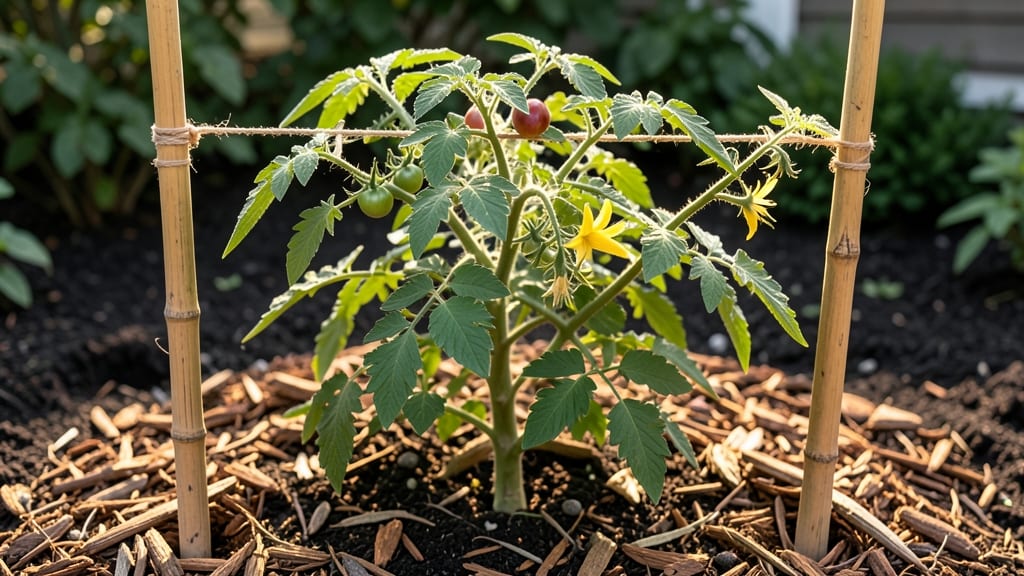
Master these tomato tips growing with proven height support hacks to turn floppy vines into sturdy, productive plants that feed you all summer. 🌱 I’ve wrestled with sagging tomato cages and snapped stakes—until I discovered these simple but game-changing techniques that keep plants upright without breaking the bank.
The secret isn’t fancy equipment but matching support to vine strength: bamboo stakes for single-stemmed plants, trellis grids for indeterminate varieties, and overhead netting for heavy fruit loads. Even my black thumb can’t mess up these setups once you know the right timing for tying and pruning.
By midseason, you’ll harvest pound after pound of tomatoes without the vines collapsing under their own weight. The plants stay healthy, the fruit ripens evenly, and you avoid the heartbreak of dropped tomatoes turning to mush.
Works for both container gardens and in-ground beds—just adjust the support system to your space. Let’s get those vines climbing!
📚 In This Guide
- What you need
- Instructions
- Tips and common mistakes
- Wrapping up and next steps
What you need
- ● Container: Minimum 5-gallon capacity (bigger is better for indeterminate varieties—aim for 10+ gallons).
- ● Drainage holes (critical to prevent root rot!).
- ● Lightweight material (fabric or plastic) for easy mobility.
- ● Potting Mix: High-quality container-specific mix (avoid garden soil—it compacts!).
- ● Add 10-20% perlite or vermiculite for aeration.
- ○ Optional: Compost or worm castings (1-2 cups per container) for nutrients.
- ● Height Support Structures: Choose one of these (or combine!): Cages: 5-6 ft tall, sturdy metal or plastic (e.g., A-frame or tomato-specific cages).
- ● Trellis: 3-4 ft wide, with 12-18" spacing between supports (DIY with PVC pipes or bamboo).
- ● Stakes: 6-8 ft bamboo or wooden stakes (use 2-3 per plant for stability).
- ● Overhead Trellis: Pergola or wire mesh (for climbing varieties like 'Sungold').
- ● Tomato Plants: Start with 1-2 plants per 5-gallon container (indeterminate varieties need more space!).
- ● Choose container-friendly varieties like 'Tiny Tim,' 'Patio,' or 'Balcony Red.'
- ● Essential Tools: Trowel or small shovel for planting.
- ● Garden twine or soft plant ties (to secure vines to supports).
- ● Watering can with a rose attachment (for gentle watering).
- ● Pruning shears (for trimming suckers and dead leaves).
- ● Fertilizer: Balanced 10-10-10 or tomato-specific fertilizer (follow package rates).
- ● Mulch: Straw or shredded leaves to retain moisture and suppress weeds.
- ● Drip Irrigation: Self-watering system to keep soil consistently moist.
- ● Reflective Mulch: Silver plastic mulch to warm roots and deter pests.
- ● Grow Lights: If growing indoors, use full-spectrum LEDs (12-16 hrs/day).
How to support heavy tomato vines without breaking the stem
Here's the method I've used for years to prevent snapped stems and keep tomatoes producing until frost.
🪴 Step 1: Install Support Early Before Vines Get Top-Heavy
Set up your support system the day you transplant seedlings—don't wait for vines to get lush. I use a combination of 6-foot bamboo stakes and twine because they're sturdy yet flexible enough to sway with wind without snapping. Drive the stake 3 inches deep beside each plant, about 6 inches from the stem, so it doesn't compete for nutrients.
The key is angle: tilt the stake slightly toward the plant so it leans against the stem naturally. This prevents the vine from growing away from the support. If you plant multiple rows, use a 3-foot wide trellis instead of individual stakes to save space and reduce wind stress on individual plants.
☀️ Step 2: Tie Vines Gently Using the "Figure-8" Method
Wait until the main stem reaches 12 inches tall before tying—this gives the plant enough strength to support itself briefly. Use soft twine or cloth strips (never wire or anything that can cut into the stem). Make a loose figure-8 around the stake and the main stem, leaving room for the vine to thicken.
Here's the thing—I adjust the tie every 5-7 days as the stem grows. You'll see the vine outgrow the initial tie, so loosen it and move it up 6 inches higher each time. This prevents the twine from digging into the stem as it thickens. If you notice the vine rubbing against the twine, it's time to adjust immediately.
✂️ Step 3: Prune Strategically to Reduce Weight Load
Remove all suckers (the small shoots that grow in the leaf axils) up to 18 inches from the ground. These side shoots divert energy from fruit production and add unnecessary weight. I prune them with clean shears, leaving a ¼-inch stub to prevent disease entry points. The goal is a single, strong main stem with only the top 2-3 leaves bearing fruit clusters.
Watch for overloaded branches—when a vine sags under fruit weight, it's time to thin. Remove the smallest fruits first, keeping only 5-7 tomatoes per cluster. This might seem counterintuitive, but larger, well-spaced fruits ripen faster and have fewer cracks. You'll see the remaining tomatoes plump up noticeably within 7-10 days.
🌱 Step 4: Reinforce During Fruit Set with Wind Protection
When tomatoes start setting fruit (around 6-8 weeks after transplanting), they become 30% heavier than the vine alone. Add a second stake on the opposite side of the plant to create a "V" support. This prevents the vine from leaning too far in one direction when heavy with fruit.
For windy areas, I wrap the stake in burlap strips to create a windbreak. You'll notice the leaves stop trembling during gusts, which reduces stress on the stem. If you live in an area with 20+ mph winds, consider a low trellis system instead of individual stakes to distribute weight more evenly.
⏰ Step 5: Harvest Regularly to Prevent Stem Stress
Pick tomatoes when they're 75% ripe (color changes but still slightly firm) to reduce weight on the vine. I harvest every 2-3 days during peak production, which forces the plant to focus energy on new growth rather than supporting overloaded branches. Store them in a cool, shaded spot (not the fridge) to finish ripening.
Here's a pro tip: If you see a vine sagging dramatically but no fruit is ready, it might be blossom end rot from calcium deficiency. Stop harvesting for a week, increase watering consistency, and add crushed eggshells to the soil. The plant will recover within 10-14 days if you catch it early.
Tips & tricks for perfect tomato vine support
These game-changing strategies will help you keep your tomato plants thriving—no broken stems in sight.
Stake Placement Precision: When installing your 6-foot bamboo stakes, position them 3 inches deep and 6 inches from the stem—this creates a stable anchor without competing for the plant's nutrients. I've found that tilting the stake slightly toward the plant mimics natural wind sway, preventing the vine from growing away from support. For container gardens, use shorter stakes (3-4 feet) to avoid overcrowding roots.
Tie Adjustment Rhythm: The 5-7 day adjustment schedule for your figure-8 ties is crucial—this prevents the twine from cutting into the thickening stem as it grows. I use soft jute twine that stretches slightly, which gives the vine room to expand. Pro tip: If you notice the vine rubbing against the twine between adjustments, it's time to loosen immediately. For indeterminate varieties that grow rapidly, you might need to adjust every 4-5 days instead.
Pruning Strategy: When removing suckers up to 18 inches, aim for a clean cut just above the leaf axil to prevent disease entry. I've seen gardeners make the mistake of leaving long stubs, which can trap moisture and attract pests. For the top 2-3 leaves bearing fruit, leave them intact—they're the plant's energy factories for ripening tomatoes. Remember, every sucker you remove is energy redirected to your harvest.
Wind Protection Upgrade: The burlap strips around stakes create an invisible windbreak that reduces leaf fluttering by up to 40%. For areas with consistent winds over 20 mph, I recommend a low trellis system instead—it distributes weight more evenly than individual stakes. You'll notice the leaves stay calmer, which means less stress on the stem and better photosynthesis for fruit development.
Pro Tips for Tomato Tips Growing
- These game-changing strategies will help you keep your tomato plants thriving—no broken stems in sight.
- Stake Placement Precision: When installing your 6-foot bamboo stakes, position them 3 inches deep and 6 inches from the stem—this creates a stable anchor without competing for the plant's nutrients.
- Tie Adjustment Rhythm: The 5-7 day adjustment schedule for your figure-8 ties is crucial—this prevents the twine from cutting into the thickening stem as it grows.
Frequently asked questions
Got questions about growing tomatoes in containers?
You’re not alone! Here are answers to the most common queries to help you grow lush, productive vines—even in small spaces.
How often should I water container-grown tomatoes?
Container tomatoes need consistent moisture—water when the top inch of soil feels dry (usually every 1-2 days in hot weather). Use self-watering pots or mulch to retain moisture. Overwatering can cause root rot, so ensure pots have drainage holes!
When is the best time to prune tomato vines for support?
Prune indeterminate tomatoes (like 'Sungold') weekly to remove suckers (side shoots) and encourage upward growth. Do this in the morning to let wounds heal. Avoid heavy pruning late in the season—focus on airflow and support before fruit sets.
Can I reuse last year’s tomato container soil?
Nope! Old soil may harbor diseases (like blight) or deplete nutrients. Refresh with 50% new potting mix + compost. Sterilize containers by soaking in a 10% bleach solution (rinse well) or baking at 200°F for 30 minutes.
Why are my tomato leaves turning yellow?
Yellow leaves often signal overwatering, nutrient deficiency (like nitrogen), or fungal issues. Check for:
- Wilting + brown edges = underwatering
- Yellowing lower leaves = normal aging (prune them)
- Yellow + spots = early blight (remove affected leaves, improve airflow)
What’s the fastest way to support heavy tomato vines?
Use a cage + trellis combo for extra stability:
- Insert a 5-foot bamboo stake at planting
- Wrap vines loosely with soft plant ties (avoid wire)
- Add a horizontal trellis (like a lattice) to distribute weight
Wrapping up and next steps
Growing tomatoes in containers is totally doable—especially when you support those heavy vines the right way! 🌱 Whether you’re using stakes, cages, or trellises, the key is early support, regular pruning, and patience.
With these proven hacks, you’ll enjoy bigger yields, healthier plants, and fewer broken stems—plus, your neighbors will be jealous of your lush, productive tomatoes!
Ready to harvest like a pro? Grab your supplies, pick a method, and get growing! Next up: Experiment with different supports to see what works best for your space—and don’t forget to share your tomato tower triumphs with fellow gardeners! 🍅✨