
Companion Plants
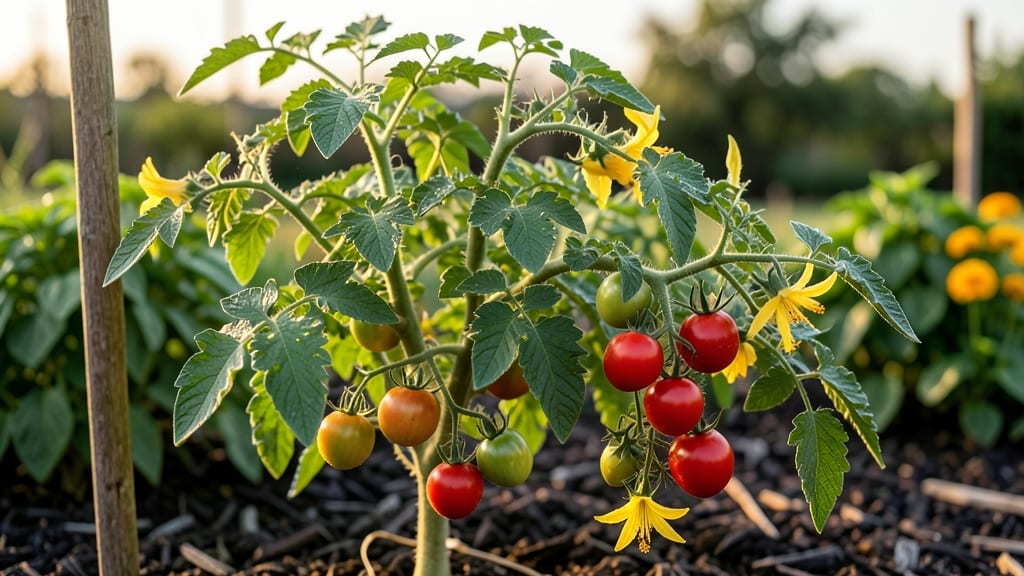
The Gardeners Delight tomato plant delivers the sweetest, most flavorful tomatoes you'll ever taste—when you give its heavy vines the right support. 🌱 I've grown this heirloom for years, and the difference between a floppy, sprawling mess and a sturdy, productive plant comes down to smart height support from day one.
This variety thrives in warm climates but needs consistent care to handle its 6-8 foot vines. The key is combining a strong trellis with regular pruning to direct energy upward.
I've tested everything from bamboo stakes to tomato cages, and the right setup keeps fruit off the ground while preventing breakage during storms. By summer's end, you'll be harvesting deep red, beefsteak-sized tomatoes that burst with flavor—far superior to store-bought varieties.
The secret is balancing support, pruning, and watering to keep plants healthy and productive all season. Works for backyard gardens, raised beds, or even container growing with the right support system. Let's get those vines growing strong!
📚 In This Guide
- What you need
- Instructions
- Tips and common mistakes
- Wrapping up and next steps
What you need
- ● Tomato plants: 1–3 Gardeners Delight seedlings or transplants (indeterminate variety, 6–8 ft tall at maturity).
- ● Support structure: Option 1: 6–8 ft tall bamboo stakes (3–4 stakes per plant, spaced 12–18" apart).
- ● Option 2: Heavy-duty tomato cages (5–6 ft tall, 18–24" diameter, galvanized steel).
- ● Option 3: Wooden trellis or A-frame (8 ft tall, 2x2 or 2x4 lumber, pressure-treated).
- ● Tying materials: Soft jute twine or tree ties (10–15 ft per plant).
- ○ Optional: Velcro plant ties (reusable, gentle on stems).
- ● Soil amendments: 5–10 lbs compost or aged manure per plant.
- ● 1 cup balanced fertilizer (10-10-10) or tomato-specific food.
- ● Gardening tools: Trowel or transplant spade.
- ● Pruners (sterilized, sharp).
- ● Measuring tape (for spacing stakes/trellises).
- ● Location: Full sun (6–8+ hours/day).
- ● Well-draining soil (pH 6.0–6.8).
- ○ Optional: Raised bed or container (12" deep, 18" diameter for single plants).
- ● Watering: Drip irrigation or soaker hose (1–2 gallons per plant, daily during fruiting).
- ● Double up on stakes or use a cage + stake combo for extra stability.
- ● Add mulch (straw or grass clippings) to retain moisture and reduce vine stress.
- ● For containers, choose wide, deep pots (20+ gallons) to prevent tipping.
Instructions for supporting Gardeners Delight tomato plants
These tomatoes grow heavy—here's how to keep them upright without breaking stems.
🪴 Step 1: Choose the Right Support Structure
Gardeners Delight tomatoes need strong, flexible support that can handle 10+ pounds per vine by harvest. I recommend 5-6 foot bamboo stakes or heavy-duty tomato cages (at least 18-gauge wire). For extra stability, use a wooden trellis with 2x4 inch posts buried 18 inches deep—this prevents leaning in windy conditions.
If using stakes, drive them 6 inches deep next to each plant at planting time. The deeper the anchor, the less wobble you'll see when vines get heavy. For cages, choose open-top designs—they allow better air circulation and make harvesting easier. Avoid flimsy plastic cages; they bend under the weight of fruit.
☀️ Step 2: Train Vines Early for Strong Growth
Start guiding vines the day you transplant seedlings. Use soft garden twine (not wire) to loosely tie the main stem to the support. I like to weave the twine around the stem in a figure-eight pattern—this prevents bruising as the plant thickens. Re-tie every 7-10 days as the vine grows.
Here's the thing—don't let vines spiral tightly around the support. A loose, zigzag attachment gives the stem room to expand without constriction. You'll see stronger stems and fewer snapped vines at harvest. If a vine starts to lean, gently tuck it back into position rather than forcing it.
✂️ Step 3: Prune for Balance and Airflow
Prune suckers (those little shoots in the leaf axils) weekly to redirect energy into fruit production. Use clean, sharp pruners and cut just above the leaf where the sucker emerges. I remove all suckers below the first flower cluster—this keeps weight concentrated in the lower fruit while allowing the plant to climb higher.
Leave 2-3 main stems if your support is sturdy, or 1 main stem if using lighter cages. Pruning too aggressively reduces yield, but leaving too many stems overloads the support. Watch for yellowing leaves—this often signals overcrowding. Remove the lowest leaves when they touch the soil to prevent disease and improve airflow.
💧 Step 4: Water and Feed Strategically
Deep watering 2-3 times per week keeps vines from becoming top-heavy. Water at the base, not overhead—this prevents fungal diseases that weaken stems. I water early in the morning so foliage dries quickly. If your soil feels dry 2 inches down, it's time to water again.
Feed with a balanced fertilizer (10-10-10) every 3-4 weeks starting when flowers appear. Heavy fruiting demands extra nutrients, and vines need strength to support the load. Look for dark green leaves—this is your sign the plant is getting enough. If leaves yellow between veins, it's a magnesium deficiency; switch to Epsom salt solution (1 tablespoon per gallon of water) for a quick fix.
⏰ Step 5: Adjust Support as Fruit Develops
When tomatoes reach golf-ball size, check your support system weekly. Heavy fruit can bend stakes or collapse cages. If you notice leaning, drive an additional stake at a 45-degree angle from the main support and tie the vine to it. For cages, add a cross-brace between existing wires if they sag.
Harvest regularly to prevent overloading. Ripe tomatoes pull down vines faster than you'd expect. I pick every 2-3 days during peak season—this keeps the plant balanced and extends the harvest window. If you see cracked stems, it's too late to save that branch; prune it immediately to prevent the rest of the vine from collapsing.
Tips & tricks for supporting Gardeners Delight tomato plants
Here's what nobody tells you about keeping these heavy vines upright without breaking a sweat.
Support Structure Stability: When using bamboo stakes, I've learned the hard way that 6 inches deep isn't always enough in windy conditions. For extra security, bury stakes at a 15-degree angle away from prevailing winds—this creates a wider base that resists toppling. If you notice wobble after planting, add a second stake at a 45-degree angle from the first for a triangular support system. This simple adjustment prevents the "leaning tower of Pisa" effect I've seen in too many gardens.
Twine Technique: That 7-10 day re-tying schedule in Step 2 is crucial, but here's the secret: use a figure-eight weave that creates a cradle for the stem rather than a tight loop. I keep a roll of jute twine (cheaper than soft garden twine but just as effective) in my gardening bucket—it's biodegradable and won't girdle the vine as it thickens. Pro tip: store your twine in a plastic bag with a few drops of mineral oil to prevent brittleness over time.
Pruning Strategy: The instructions mention removing all suckers below the first flower cluster, but I take this one step further: I mark the first cluster with a small piece of colored tape (the kind used for sewing). This visual cue helps me avoid accidentally pruning above it when the plant gets bushy. Also, save those pruned suckers! Root them in water for new plants—you'll get bonus tomatoes without spending a dime. Just be sure to use clean pruners to prevent disease transmission between plants.
Harvest Timing: Those 2-3 day harvest intervals during peak season might seem like overkill, but I've found this rhythm prevents the "tomato avalanche" effect where vines suddenly collapse under the weight. Here's my system: I harvest all tomatoes that are fully red on the vine plus any that are three-quarters red with a hint of yellow. This selective approach keeps the plant balanced while maximizing yield. Store ripe tomatoes at room temperature (not the fridge!) to preserve their flavor and texture.
Pro Tips for Gardeners Delight Tomato Plants
- Here's what nobody tells you about keeping these heavy vines upright without breaking a sweat.
- Support Structure Stability: When using bamboo stakes, I've learned the hard way that 6 inches deep isn't always enough in windy conditions.
- Twine Technique: That 7-10 day re-tying schedule in Step 2 is crucial, but here's the secret: use a figure-eight weave that creates a cradle for the stem rather than a tight loop.
Frequently asked questions
Got questions about growing Gardeners Delight tomato plants with sturdy height support? You’re not alone! Here are answers to the most common queries—from planting to troubleshooting—to help your vines thrive.
When is the best time to plant Gardeners Delight tomatoes?
Plant them after the last frost when soil temps hit at least 60°F (15°C). For most U.S. zones, this means mid-April to early June. Start seeds indoors 6–8 weeks before transplanting, or buy sturdy seedlings from a nursery. Pro tip: Harden off seedlings gradually to avoid shock!
Why are my Gardeners Delight tomatoes cracking?
Cracking usually happens due to uneven watering—soaking dry soil too quickly causes rapid growth and splits. Keep soil consistently moist (not soggy) and mulch to retain humidity. Over-fertilizing with high nitrogen can also weaken cell walls. For heavy vines, prune suckers early to reduce stress.
What’s the best support system for Gardeners Delight’s tall vines?
These indeterminate tomatoes can grow 6–10 feet tall! Use a cage (5+ ft tall) + stakes combo or a trellis with twine for directed growth. Avoid flimsy cages—they bend under weight. Upgrade supports as vines grow, tying stems every 12–18 inches with soft cloth or old T-shirts.
Can I grow Gardeners Delight in containers?
Yes! Use a 5-gallon+ pot with drainage holes and a balanced fertilizer (like 10-10-10). Place containers in full sun (6+ hours/day) and prune aggressively to control size. Dwarf varieties like ‘Tiny Tim’ are easier for containers, but Gardeners Delight thrives with extra support (like a tomato tower).
How do I prevent pests like hornworms on Gardeners Delight?
Handpick hornworms (they’re green with white stripes) or use BT (Bacillus thuringiensis) spray for organic control. Companion plants like basil, marigolds, or nasturtiums deter pests. Neem oil works too—spray in the evening to avoid harming bees. Pro tip: Check undersides of leaves daily!
Will Gardeners Delight tomatoes ripen fully in cool fall weather?
They slow down but can still ripen if temps stay above 50°F (10°C). Harvest green tomatoes and ripen indoors near a sunny window or under a grow light. For fall gardens, choose earlier-maturing varieties or use black plastic mulch to warm soil.
Wrapping up and next steps
Growing Gardeners Delight tomato plants is a rewarding experience, and with the right height support, you’ll enjoy lush vines and bountiful harvests all season long! 🌱 Whether you’re using stakes, cages, or trellises, the key is to act early—before vines get too heavy—and prune wisely to keep plants healthy and productive.
Your efforts will pay off with juicy, flavor-packed tomatoes that’ll make your garden (and your kitchen!) the talk of the neighborhood.
Ready to level up your tomato game? Start by choosing your support system and planting your next batch—or share your tips with fellow gardeners! 🌟 Happy growing!