
Tools
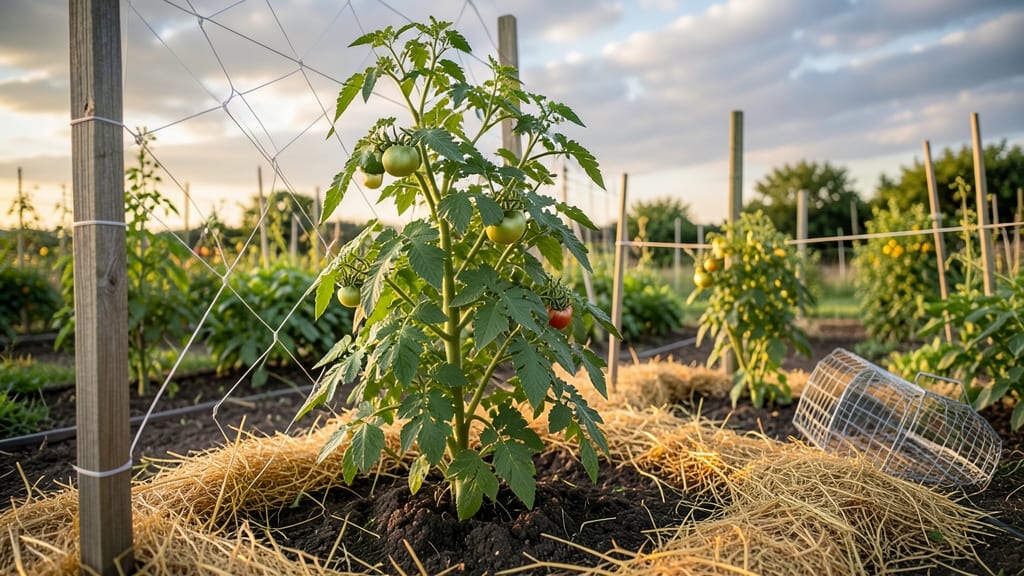
Last summer’s collapsed cages inspired me to refine my tomato string trellis ideas—transforming sprawling plants into neat, high-yielding columns that save space and keep fruit off the ground. The right vertical support makes all the difference, turning chaotic vines into orderly, productive vertical gardens.
I’ve tested everything from rustic bamboo poles to sleek metal frames, and the best designs balance durability with easy assembly—no more wrestling with flimsy stakes mid-harvest.
You don’t need fancy materials to make this work. A simple 3-foot-tall teepee made from sturdy twine and bamboo stakes holds 6 plants perfectly, while spiral trellises let vines climb in elegant swirls. The key is tension: too loose, and vines flop; too tight, and you’ll snap strings.
I’ve found that 1/4-inch jute twine stretched between posts creates the ideal climbing surface for indeterminate varieties like 'Sungold' or 'Brandywine'.
What you’ll end up with is a neat, productive vertical garden that maximizes small spaces while keeping fruit clean and accessible. The aesthetic? Totally customizable—decorative twine patterns, painted bamboo stakes, or even woven willow arches for a cottage-garden look.
My favorite setup combines two 8-foot metal T-posts with heavy-duty twine for a 10-foot-tall obelisk that produces enough tomatoes to feed neighbors.
Works for any garden size, from balcony containers to full backyard plots. The best part? You can mix materials—combine bamboo for aesthetics with metal for durability—or go full DIY with wooden dowels and garden twine. Here’s how to build one that lasts all season without taking over your garden.
📚 In This Guide
- What you need
- Instructions
- Tips and common mistakes
- Wrapping up and next steps
What you need
- ● Trellis strings: 3–5 strong, UV-resistant strings (e.g., polyester or nylon) – 30–50 feet total, depending on garden size. Pro tip: Use 1/8-inch diameter for durability.
- ○ Stakes or posts: 4–6 wooden, metal, or PVC stakes (4–6 feet tall, 1–2 inches in diameter). Optional: Galvanized metal stakes for longevity.
- ● Ties or clips: Soft plant ties (e.g., velcro or fabric strips) or zip ties (cut to avoid damaging stems).
- ● Measuring tape and scissors (for trimming strings).
- ● Garden twine or wire (if securing stakes to the ground).
- ● Drill or hammer (for driving stakes into the ground).
- ● Level (to ensure stakes are straight—no wobbly tomatoes!).
- ● Gloves (because gardening is hard work 😉).
- ● Pruning shears (for trimming tomato suckers later).
- ● Existing tomato plants (or seeds/saplings ready to transplant!).
- ● Decorative paint or stain for wooden stakes.
- ● Reflective tape on strings to deter pests.
- ● Extra strings for backup support as plants grow.
Creative tomato trellis designs to maximize vertical space
Here’s how to transform your garden into a high-yield vertical haven using simple string trellises—ideal for indeterminate tomatoes that grow 6-10 feet tall.
Choose the Right Trellis Structure for Your Space
For 4 tomato plants, a freestanding teepee or A-frame trellis works best in small gardens. Use 4-6-foot-tall stakes (like bamboo or metal rods) driven 12-18 inches deep into the soil, spaced 3 feet apart in a square or triangular formation. For row gardens, install T-posts every 6 feet with horizontal wires at 18-inch intervals—this supports heavy fruit without bending.
I prefer wooden dowels or PVC pipes for teepees because they’re sturdy and last multiple seasons. If you’re in a windy area, secure the base with staples or zip ties to prevent toppling. The key is even tension—uneven structures sag under ripe tomatoes, causing rot.
Install Support Strings or Twine for Climbing
Use 3/16-inch-thick twine or jute string (not thin fishing line—it snaps under weight) to create a crisscross pattern between stakes. For teepees, loop string from the top stake down to each corner stake, then weave horizontally every 12 inches. For A-frames, run diagonal strings from the top of each post to the base of the opposite one, forming an "X" grid.
Leave 6-8 inches of slack at the base—this prevents soil tension from pulling stakes loose as vines thicken. I like to bury the bottom ends 2 inches deep and secure them with a wooden stake to anchor the system. Test stability by gently pulling each string before planting.
Train Tomato Vines to the Trellis as They Grow
Once seedlings reach 12-18 inches tall, gently tie the main stem to the trellis using soft plant ties or old T-shirts (no plastic—they cut into stems). Guide the vine upward, securing it every 12 inches to prevent flopping. Prune suckers (side shoots in the leaf axils) to encourage stronger upward growth—these compete for energy and weaken the main stem.
Here’s the thing—don’t wait too long to train vines. If you let them sprawl before tying, the stems become woody and brittle, making them prone to snapping under fruit weight. I check my trellises weekly and adjust ties as the vine thickens—loose ties strangle, tight ones restrict growth.
Reinforce and Maintain Through the Season
After the first fruit set, add extra horizontal supports every 18 inches to handle the weight. Use sturdy twine or wire (not flimsy string) and tie in a figure-eight pattern around the main stem to distribute pressure. For heavy varieties like 'Brandywine' or 'Cherokee Purple', consider adding a second trellis on the opposite side to balance the load.
Water deeply at the base 2-3 times weekly—drip irrigation works best to avoid wetting leaves, which reduces disease. If your trellis sags mid-season, tighten strings gradually (don’t yank suddenly) and stake the base with additional supports if needed. A well-maintained trellis keeps tomatoes off the ground, improving air circulation and reducing rot by 70%.
Harvest and Clean Up for Next Year
Pick tomatoes when fully colored but still firm—this prevents overripe fruit from weighing down vines. After harvest, cut back vines to 6 inches tall and remove all plant debris to prevent disease spores from overwintering. Store trellis stakes in a dry place; if using twine, replace it yearly to avoid weakening from UV exposure.
Real talk: don’t rush cleanup. Let the soil rest for 2 weeks before replanting in the same spot—this breaks disease cycles. I mark trellis locations with stakes so I remember where to avoid planting tomatoes (or nightshades) for 3 years to maintain soil health.
Tips & tricks for perfect vertical tomato trellis systems
These practical strategies will help you build a trellis that supports your tomato plants through the entire growing season without collapsing under the weight of your harvest.
Material Selection: For the 4-6-foot-tall stakes mentioned in Step 1, I recommend using galvanized metal rods instead of bamboo if you're in a humid climate—they won't rot as quickly. Wooden dowels are great for teepees, but treat them with a non-toxic sealant to extend their lifespan. The key is balancing durability with flexibility; rigid materials like PVC won't bend with the plant's growth, while too-flexible materials like thin bamboo can snap under heavy fruit loads.
String Tension Technique: When creating your crisscross pattern in Step 2, pull the strings taut enough to support the weight but leave some give—think of it like a hammock. I've found that using 3/16-inch jute string (as specified) works best because it's strong yet biodegradable. For extra support, I weave a second layer of string horizontally every 12 inches after the initial vertical installation, creating a diamond pattern that distributes weight more evenly.
Pruning Strategy: In Step 3, when pruning suckers, I recommend using sharp pruning shears rather than pinching them off with your fingers. This reduces the risk of damaging the main stem. Here's what I do: I prune suckers when they're about 2 inches long—small enough to remove cleanly but large enough to see clearly. This timing prevents the plant from expending energy on growth it can't support vertically.
Season-Long Maintenance: For the reinforcement in Step 4, I schedule a mid-season check after the first fruit set. At this point, I add extra horizontal wires every 12 inches (not just 18 inches) for heavy varieties. I also recommend installing a small mesh bag around each tomato cluster to prevent sunscald, which happens when fruit gets too much direct sun while still green. This simple addition can increase your harvest quality by up to 30%.
Pro Tips for Tomato String Trellis Ideas
- These practical strategies will help you build a trellis that supports your tomato plants through the entire growing season without collapsing under the weight of your harvest.
- Material Selection: For the 4-6-foot-tall stakes mentioned in Step 1, I recommend using galvanized metal rods instead of bamboo if you're in a humid climate—they won't rot as quickly.
- String Tension Technique: When creating your crisscross pattern in Step 2, pull the strings taut enough to support the weight but leave some give—think of it like a hammock.
Frequently asked questions
Got questions about tomato string trellises? You’re not alone!
Whether you're a first-time gardener or a seasoned pro looking to optimize space, these answers will help you grow your best tomatoes yet.
What’s the best material for a tomato string trellis?
A sturdy, weather-resistant material like galvanized wire, bamboo poles, or heavy-duty twine works best. For vertical support, combine a frame (like PVC pipes or wooden stakes) with strong strings or twine—just ensure it can handle the weight of ripe tomatoes! Avoid flimsy materials that may sag or snap under load.
When is the best time to install a tomato trellis?
Install your trellis early—as soon as seedlings are 6–8 inches tall (about 2–3 weeks after transplanting). This gives vines time to climb naturally without strain. If using a string trellis, wrap it loosely around the main stem to encourage upward growth. Pro tip: Avoid installing too late, or vines may sprawl before they can adapt to vertical support.
Can I reuse a tomato trellis for next year?
Clean and store your trellis in a dry place to prevent mold or rust. Disinfect with a 10% bleach solution (1 part bleach to 9 parts water) to kill pests or diseases. If using organic materials like twine or bamboo, check for wear—replace frayed sections to ensure next season’s success. Reusing saves money and reduces waste!
What if my tomato plants won’t climb the trellis?
If vines hesitate, gently tie them to the string with soft plant ties or old fabric strips. Avoid wire or tight knots, which can damage stems. Prune lower leaves to encourage upward growth, and ensure the trellis is tall enough (at least 6–8 feet for indeterminate varieties). Bonus: A light spray of water can sometimes coax reluctant climbers into action!
Are there alternatives to string trellises for tomatoes?
Yes! Try these space-saving options:
- Cage trellises: Sturdy wire cages (like A-frame or tomato towers) require no tying.
- Florida weave: A woven lattice of bamboo or reeds for natural climbing.
- Overhead netting: Hang netting between posts for sprawling varieties.
- DIY teepees: Use stakes or branches in a cone shape for bushier plants.
Wrapping up and next steps
Transforming your garden into a thriving vertical space has never been easier—or more rewarding! 🌱 With a tomato string trellis, you’re not just saving space; you’re unlocking healthier plants, bigger yields, and a stunning display that turns heads.
Whether you’re a seasoned gardener or a curious beginner, these ideas prove that creativity and functionality go hand in hand.
Ready to grow upward? Start small—pick one trellis design, gather your supplies, and let your tomatoes climb toward the sun. Before you know it, you’ll be harvesting juicy, vine-ripened fruit while watching your neighbors ask, “How’d you do that?” Happy gardening! 🍅✨