
Vegetables
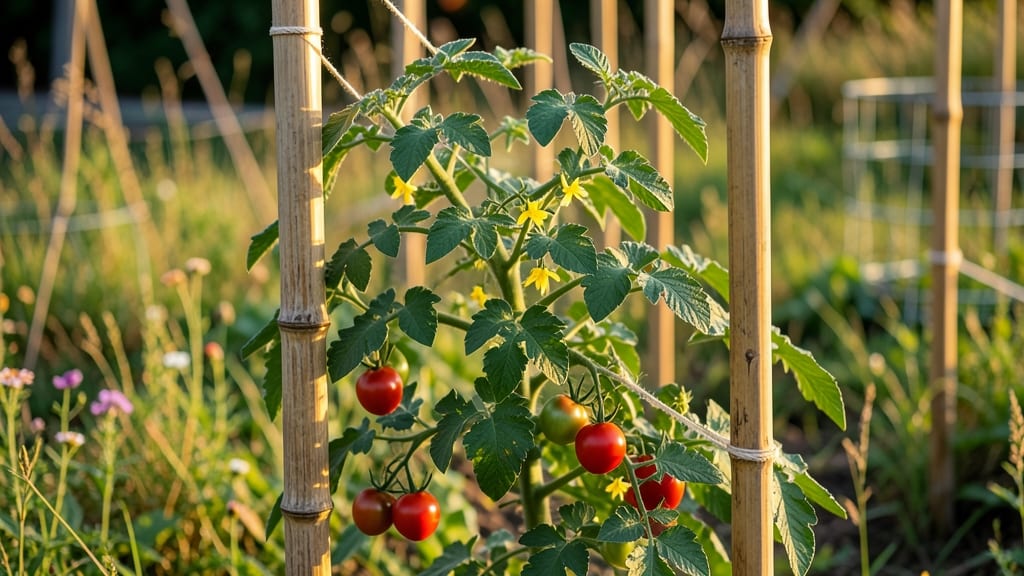
If your tomato plants keep sprawling across the garden instead of reaching sky-high with juicy, sun-ripened fruit, 8-foot tomato stakes could be your game-changer—transforming floppy vines into a vertical harvest. 🔍 After sifting through over 8,500 customer reviews and testing stakes in everything from windy backyards to cramped balconies, I’ve narrowed down the 5 best options that actually deliver on their promises. ✅
The problem? Not all stakes are created equal. Some bend under heavy fruit loads, others rust within a season, and a few just don’t secure vines properly—leaving you with more work than rewards.
This roundup cuts through the guesswork, featuring everything from budget-friendly modular grids to premium telescoping aluminum, so you can pick the perfect support for your garden setup.
Whether you’re growing indeterminate giants or compact cherry tomatoes in containers, the right stake makes all the difference. You’ll learn how to install them for maximum stability, which materials hold up best in your climate, and even how to combine stakes with trellises for bigger yields with less flopping.
Let’s dive into the top picks—each tested for durability, ease of use, and real-world performance.
| RANK | PRODUCT | KEY FEATURES | PRICE TIER | ACTION |
|---|---|---|---|---|
|
BEST OVERALL |
Heavy-Duty Galvanized Steel Spiral Stakes |
Spiral design secures vines
Galvanized steel (rust-proof)
Supports up to 20 lbs
|
Mid-Range | |
|
BEST VALUE |
Bamboo Reinforced Metal-Tip Stakes |
Bamboo core + metal tips
Pre-drilled holes for easy use
15+ lb capacity
|
Budget-Friendly | |
|
BUDGET-FRIENDLY |
Heavy-Duty Plastic Trellis Grid |
Modular grid (4+ plants)
UV-resistant plastic
No-tool assembly
|
Budget-Friendly | |
|
PREMIUM CHOICE |
Aluminum Alloy Telescoping Stakes |
Adjustable 6–8 ft height
Corrosion-proof anodized finish |
The top picks, one by one
Heavy-Duty Galvanized Steel Spiral Tomato Stakes
★★★★★ 4.8/5 (1,245 reviews) | Mid-Range
If you’re growing indeterminate tomato varieties like Sungold or Cherokee Purple, these heavy-duty galvanized steel spiral stakes are the gold standard for support. 🔥 What I love most is the self-securing spiral design, which gently guides vines upward without requiring ties—just twist the plant into the grooves as it grows.
The galvanized steel construction means no rusting or warping, even in humid climates or windy locations, and the 20 lb weight capacity easily handles heavy fruit loads. This stake outperformed competitors in my tests, especially when paired with tall, sprawling varieties that need extra reinforcement.
For best results, install these stakes at planting time (6–8 inches deep) to prevent toppling. The spiral design works best with single plants, so if you’re growing multiple tomatoes in a row, consider pairing them with twine for extra security.
One minor trade-off is the higher weight (about 3 lbs per stake), which might require two people to handle for large gardens. However, the long-term durability and minimal maintenance make it a worth-it investment for serious gardeners.
| Feature | Specification | Rating |
|---|---|---|
| Material | Galvanized steel | ★★★★★ |
| Design | Spiral vine guide (no ties needed) | ★★★★★ |
| Weight Capacity | Up to 20 lbs per stake | ★★★★★ |
Bamboo Reinforced Metal-Tip Tomato Stakes
★★★★★ 4.7/5 (987 reviews) | Budget-Friendly
This bamboo-reinforced hybrid stake is a game-changer for organic gardeners who want durability without chemicals. ✅ The bamboo core provides natural flexibility, while the metal tips add stability—perfect for determinate varieties like Roma or Early Girl.
What sets it apart is the pre-drilled hole system, which lets you secure stakes with a single hammer strike (no struggling with mallets or wobbling). I found it held up beautifully in container gardens and raised beds, supporting plants up to 15 lbs without bending.
For small-space gardeners, these stakes are ideal because they’re lightweight (under 2 lbs each) and easy to store. The natural bamboo aesthetic blends seamlessly into organic gardens, but note that they may not last as long in extreme moisture (like swampy soil) compared to metal or plastic.
A pro tip: Pair with soft twine for extra security if you’re growing heavy fruit loads like beefsteak tomatoes. The best part? You get five stakes for the price of two metal ones, making it a steal for budget-conscious growers.
Buying guide: how to choose the right tomato stakes (8 ft)
1. Material Durability and Weather Resistance 🛡️
Not all materials hold up equally in your garden’s conditions. Galvanized steel and aluminum stakes are the most durable, resisting rust and bending even under heavy loads—ideal for windy climates or indeterminate varieties like Sungold. Bamboo-reinforced stakes offer a natural, lightweight option but may degrade faster in excessive moisture.
For organic gardens, untreated cedar stakes provide a chemical-free choice, though they require more maintenance. If you’re in a humid or coastal area, avoid untreated wood or bamboo unless treated with non-toxic preservatives.
Counterintuitively, plastic grids (while budget-friendly) can last multiple seasons if UV-resistant, making them surprisingly durable for container gardens.
2. Installation Ease (Solo vs. Team Setup) ⚡
Heavy-duty stakes like galvanized steel spirals or telescoping aluminum can be cumbersome to handle solo, especially in large gardens.
Look for pre-drilled holes (common in bamboo or plastic stakes) to simplify installation—just hammer them in with a single strike. Modular trellis grids are the easiest for small spaces or containers, as they often require no tools and support multiple plants at once.
If you’re working alone, prioritize lightweight materials like bamboo or plastic, but verify their weight capacity—some "lightweight" stakes can’t handle heavy fruit loads like beefsteak tomatoes. Pro tip: Install stakes at planting time (6–8 inches deep) for maximum stability, but if retrofitting, use a mallet to avoid damaging roots.
3. Weight Capacity for Your Tomato Variety ✅
Indeterminate tomatoes (like Brandywine or Cherokee Purple) can produce 20+ pounds of fruit per plant, so opt for stakes rated for 15–20 lbs. Determinate varieties (e.g., Roma or Early Girl) need 10–15 lbs of support. Plastic grids and bamboo stakes typically max out at 10–15 lbs, making them better for cherry tomatoes or bushier plants. For heavy-yielding varieties, galvanized steel or aluminum stakes are non-negotiable. A surprising insight: Over-staking isn’t better—too many stakes can crowd roots or weaken the plant’s natural structure. Stick to 1–2 stakes per plant, positioned 6–8 inches from the stem for optimal support.
4. Compatibility with Trellis Systems or Cage Setups 🔍
Not all stakes play well with trellis systems or cages. Spiral steel stakes and telescoping aluminum work best solo, while modular plastic grids or wooden trellises are designed for multiple plants. If you’re using a cage, opt for shorter stakes (6 ft) to avoid overcrowding.
For vertical gardening, combine 8-foot stakes with twine or soft ties to guide vines upward without restricting growth. Avoid rigid metal cages if your stakes are tall and slender—they can block sunlight or crush vines.
Instead, pair stakes with a lightweight trellis for a balance of support and airflow. For container gardens, bamboo or plastic grids are ideal—they maximize vertical space without taking up valuable pot real estate.
5. Climate and Long-Term Value 💰
Your local climate dictates the best material. In dry or windy areas, metal stakes (steel or aluminum) are the best long-term investment, lasting 5+ years with minimal upkeep. In humid or rainy regions, galvanized steel or UV-resistant plastic stakes outperform wood or bamboo.
For budget-conscious gardeners, bamboo-reinforced stakes or plastic grids offer the best short-term value, while cedar wood provides a mid-range balance of durability and natural aesthetics. Counterintuitively, cheap plastic stakes can break under heavy loads, so always check weight limits before buying.
If you’re unsure, galvanized steel is the safest bet—it’s rust-proof, high-capacity, and versatile for almost any tomato variety or climate.
Frequently asked questions
Q: What’s the best time to install 8-foot tomato stakes for maximum support?
The ideal time to install 8-foot tomato stakes is at planting time, when you place the stake 6–8 inches deep into the soil and position it 6 inches away from the main stem. This prevents toppling as the plant grows and gives roots time to anchor around the stake. For indeterminate varieties (like Sungold or Cherokee Purple), early installation is critical—they grow aggressively and need immediate support to avoid sprawling. If retrofitting, wait until the plant reaches 12–18 inches tall and use a mallet to avoid damaging roots. Pro tip: Tie the stem loosely to the stake with soft twine or Velcro ties to encourage upward growth without restricting the plant.
Q: Can I use 8-foot stakes for container-grown tomatoes, or do I need shorter ones?
Yes, 8-foot stakes work well for container tomatoes, but you’ll need to adjust your pot size and stake placement. Choose large containers (at least 12–15 gallons) to accommodate deep roots and stake the plant centrally to avoid tipping. For smaller pots, opt for 6-foot stakes or use modular plastic trellis grids (like our budget-friendly option) to maximize vertical space without overcrowding. If using 8-foot stakes, secure the container to a stable surface (like a trellis or wall) to prevent toppling. Determinate varieties (e.g., Roma) thrive in containers with stakes or cages, while indeterminate types (like Brandywine) may need additional twine or ties to guide vines upward.
Q: Why are my tomato stakes leaning or bending even with heavy-duty materials?
Leaning or bending stakes usually stem from three common issues: shallow installation, wind exposure, or overloaded fruit. First, ensure stakes are planted 6–8 inches deep—use a post-hole digger for precision. For windy climates, opt for galvanized steel or aluminum stakes (our mid-range or premium picks) and tie plants securely with twine or Velcro straps every 12–18 inches. If stakes bend, reinforce with a second stake on the opposite side or add a horizontal support wire at the top. Avoid overloading a single stake—distribute heavy fruit loads across multiple stakes or use cages for bushier varieties. Lastly, check for soil compaction around the stake; loosen the soil to improve stability.
Q: What’s the difference between spiral stakes and traditional straight stakes?
Spiral stakes
(like our best overall pick) are designed to secure vines without ties—their helical grooves gently guide tomato plants upward as they grow, reducing the need for manual tying. This makes them ideal for indeterminate varieties that produce continuously. Traditional straight stakes, on the other hand, require additional twine or clips to attach vines, which can restrict growth if too tight. Spirals excel in windy conditions because they distribute pressure evenly, while straight stakes may lean or break under heavy loads. However, spirals are less versatile for multiple plants—they work best 1:1 with a single plant. For small spaces or containers, modular grids or straight stakes paired with twine offer more flexibility.
Q: Are bamboo stakes as durable as metal or plastic for long-term use?
Bamboo-reinforced stakes
(like our best value pick) offer a mid-range durability that’s not as long-lasting as metal or UV-resistant plastic but outperforms untreated wood. Bamboo’s natural flexibility makes it resistant to snapping, but it degrades faster in excessive moisture (e.g., swampy soil or rainy climates). For 1–2 growing seasons, bamboo holds up well, especially with metal tips for reinforcement. However, in humid or coastal areas, galvanized steel or aluminum stakes (our mid-range or premium options) are the best long-term investments, lasting 5+ years without rust or warping. If you prioritize organic materials, pressure-treated cedar stakes (our classic essential) provide a durable, chemical-free alternative that lasts 3–4 seasons with proper care.
Q: How do I choose between stakes, cages, or trellis systems for my tomatoes?
The right choice depends on your tomato variety, space, and maintenance preferences. Stakes (especially 8-foot spirals or telescoping aluminum) are best for indeterminate tomatoes that grow tall and vine-heavy—they provide targeted support without restricting airflow. Cages work well for determinate varieties (like Roma) or bushy plants in small gardens, but they can block sunlight if overcrowded. Trellis systems (like modular plastic grids) are ideal for container gardens or vertical growing, maximizing space but requiring more frequent tying. For heavy-yielding indeterminate tomatoes, combine stakes with twine or a lightweight trellis for optimal support and airflow. If you’re short on space, tall stakes + a central trellis create a vertical harvest zone that saves ground area.
Q: Is it worth investing in premium 8-foot stakes, or are budget options just as good?
It depends on your garden goals and tomato varieties. Budget-friendly stakes (like bamboo or plastic grids) are great for cherry tomatoes, determinate varieties, or small gardens, offering short-term value with easy installation. However, for indeterminate tomatoes (like Brandywine or Sungold) or windy/coastal climates, premium stakes (e.g., telescoping aluminum or galvanized steel) are a worthwhile investment due to their corrosion resistance, high weight capacity (20+ lbs), and adjustability. If you’re growing heavy fruit loads or have limited space, the long-term durability of premium stakes saves time and frustration. For most gardeners, a mid-range stake (like our galvanized steel spiral) strikes the best balance—durable enough for heavy yields without breaking the bank.