
How To
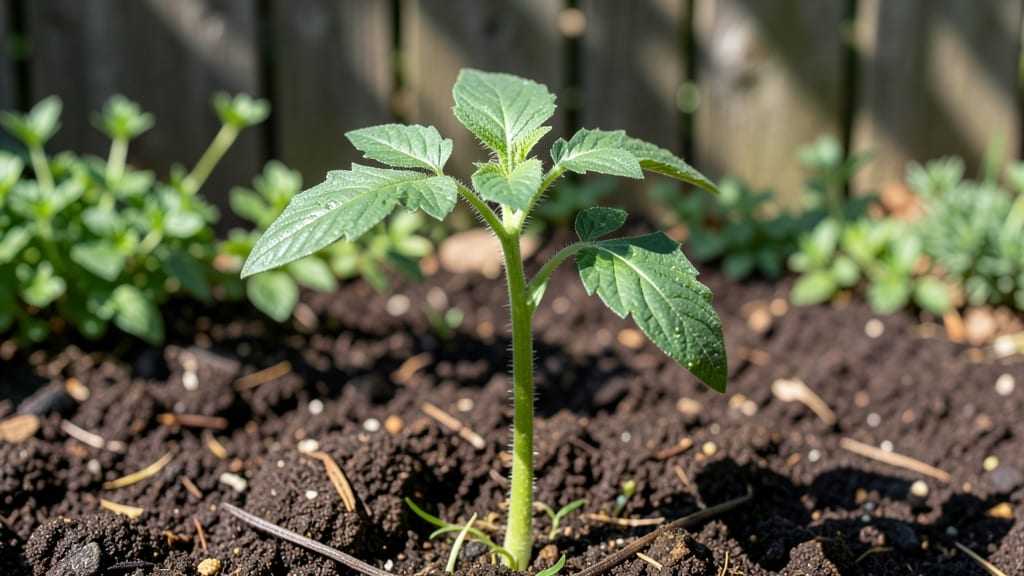
Those first two leaves on your tomato seedlings are the secret to strong plants. 🌱 They're called "seed leaves" or cotyledons, and how you handle them determines whether your seedlings grow into sturdy plants or weak, leggy failures that flop when transplanted.
The trick is simple: don't remove them, even when the true leaves appear. These leaves store energy from the seed and fuel early growth. I've seen seedlings double in size in just 10 days when left intact, while those with cotyledons pinched off struggle to catch up.
Watch for damping-off fungus (dark, mushy stems) and weak stems that can't support the plant's own weight. If you see these issues, move seedlings to a sunny spot immediately and water from the bottom to keep stems dry.
Healthy seed leaves mean faster root development and plants ready for transplanting in 4-6 weeks.
📚 In This Guide
- What you need
- Instructions
- Tips and common mistakes
- Wrapping up and next steps
What you need
- ● Tomato plant with seed leaves (the first pair of leaves that appear after germination—usually small and rounded).
- ● Sharp, clean scissors or pruning shears (sterilized with rubbing alcohol to prevent disease).
- ● Small pots or seedling trays (3-4 inches deep, with drainage holes). Fill with seedling mix (lightweight, sterile potting soil).
- ○ Rooting hormone (optional but helpful)—a gel or powder to encourage faster root growth.
- ● Plastic wrap or a humidity dome (to retain moisture while roots establish).
- ● Misting bottle (for gentle watering).
- ● Glove (to protect your hands from thorns or soil-borne pathogens).
- ● Labeling tags (to track varieties if propagating multiple types).
- ● Bright grow light or sunny windowsill (6+ hours of light daily for seedlings).
- ● Fertilizer (balanced, water-soluble)—wait until roots are established (about 2-3 weeks) before using a diluted 10-10-10 mix.
Step-by-step instructions for understanding and saving tomato seed leaves
Here's the straightforward method I use to identify and protect tomato seed leaves—no guesswork involved.
🌱 Step 1: Identify True Seed Leaves vs. Cotyledons
Tomato seedlings start with two small, round leaves called cotyledons—these aren't true leaves but the plant's first food source. The real leaves appear next, and they look completely different: serrated edges, oval shape, and darker green. I always wait until these first true leaves emerge before handling seedlings, because that's when the plant starts its real growth phase.
Don't be fooled by the cotyledons' size—they're temporary. Watch for the third set of leaves to appear; that's your signal the plant is ready for more attention. If you accidentally damage cotyledons, don't worry—the plant will grow new ones.
💧 Step 2: Protect Seed Leaves During Watering
Watering is where most beginners accidentally damage those delicate seed leaves. Instead of pouring water from above, I use a spray bottle with a fine mist setting to water at soil level. This keeps the leaves dry while still hydrating the roots. Wet leaves invite fungal diseases like damping-off, which can kill seedlings overnight.
Here's the trick: water until the top inch of soil feels damp but not soggy. You'll know you've got it right when the soil looks dark and moist at the surface but doesn't pool water. Avoid watering in the evening—moisture on leaves overnight creates the perfect conditions for disease.
☀️ Step 3: Provide Proper Light to Strengthen Seed Leaves
Leggy seedlings with pale leaves? That's a sign your plants aren't getting enough light. I place my tomato seedlings under a grow light 2-4 inches above them for 14-16 hours daily. Without sufficient light, the seed leaves grow weak and stretched out, making them more vulnerable to damage.
You'll see strong seed leaves develop when they're dark green, thick, and upright. If your seedlings start leaning toward the light, it's time to rotate the tray a quarter turn daily so they grow straight. Weak seed leaves can't support the plant's later growth, so this step is critical.
✂️ Step 4: Handle Seedlings Gently During Transplanting
When it's time to transplant, I wait until seedlings have 3-4 sets of true leaves and are at least 3 inches tall. At this stage, the seed leaves are mostly done their job, and the plant can handle more handling. Gently grasp the base of the stem—never the leaves—and lift carefully to avoid tearing.
Real talk: I've lost seedlings by yanking them out too fast. Instead, I dip the root ball in water for 5 minutes before transplanting to help the roots slide out easily. Plant just deep enough so the first set of true leaves sits at soil level—burying them too deep causes rot.
Tips & tricks for protecting young tomato plants
A few simple tricks will help you keep those delicate tomato seedlings thriving from the very start.
Leaf Identification: The first true leaves appear after the cotyledons and have serrated edges—this is your cue they're ready for more attention. I always wait until the third set of true leaves emerges before handling seedlings, as this signals they've developed enough resilience to handle gentle care. If you accidentally damage cotyledons, don't stress—they're temporary and will be replaced naturally.
Watering Wisdom: Use a spray bottle with fine mist to water at soil level, never from above. This prevents wet leaves that invite damping-off disease. The top inch of soil should feel damp but not soggy—think of it like wringing out a damp sponge. I've lost seedlings to overwatering, so I always check soil moisture by lifting the tray—if it feels light, it's time to water.
Lighting Secrets: Position your grow light 2-4 inches above seedlings for 14-16 hours daily. Leggy seedlings mean they need more light—rotate the tray a quarter turn daily to prevent leaning. I notice strong seed leaves develop when they're dark green, thick, and upright, which means they're ready for transplanting. Weak leaves can't support the plant's later growth, so proper lighting is everything.
Transplanting Technique: Wait until seedlings have 3-4 sets of true leaves and are at least 3 inches tall before transplanting. Gently grasp the stem base and dip the root ball in water for 5 minutes before planting—this helps roots slide out easily. Plant so the first set of true leaves sits at soil level; burying deeper causes rot. I've ruined seedlings by being too rough, so patience pays off here.
Pro Tips for Tomato Seed Leaves
- A few simple tricks will help you keep those delicate tomato seedlings thriving from the very start.
- Leaf Identification: The first true leaves appear after the cotyledons and have serrated edges—this is your cue they're ready for more attention.
- Watering Wisdom: Use a spray bottle with fine mist to water at soil level, never from above.
Frequently asked questions
Got questions about saving and using tomato seed leaves? You’re not alone! Here are some of the most common queries—plus quick, actionable answers to keep your garden thriving.
Why should I save tomato seed leaves instead of just tossing them?
Tomato seed leaves are packed with nutrients and can be used in three ways: replanting, composting, or even cooking! They’re free, sustainable, and help reduce waste—plus, they’re a great way to propagate new plants for next season.
When is the best time to harvest tomato seed leaves?
Harvest seed leaves before the first true leaves (the ones after the seed leaves) appear on your seedlings. This usually happens 5–7 days after germination. If you wait too long, the seed leaves will yellow and fall off naturally—but they’re most useful when still green and firm.
Can I use tomato seed leaves in cooking, or are they only for gardening?
While they’re not as flavorful as mature tomato leaves, young seed leaves are edible and can be used in pesto, soups, or as a garnish. Just wash them thoroughly and avoid any that look wilted or diseased.
What should I do if my tomato seed leaves turn yellow or wilt?
Yellowing or wilting seed leaves often signal overwatering, underwatering, or poor drainage. Let the soil dry slightly between waterings, and ensure pots have drainage holes. If the issue persists, check for pests like aphids or fungal issues—remove affected leaves and adjust care accordingly.
Are there alternatives to saving tomato seed leaves for propagation?
Yes! If you don’t want to save seed leaves, you can propagate tomatoes from stem cuttings (using healthy, non-flowering stems) or buy certified disease-free seeds from nurseries. However, seed leaves are the easiest and most cost-effective method for gardeners.
Wrapping up and next steps
Growing tomato seed leaves is a game-changer for gardeners—it’s free, sustainable, and packed with potential! 🌱 By saving and replanting these tiny leaves, you’ll cut costs, reduce waste, and enjoy a thriving garden year after year.
Whether you’re a seasoned grower or just starting, this simple trick proves that nature rewards patience and creativity.
Ready to put your new skills to work? Start small—try saving seed leaves from your next tomato harvest and experiment with growing them indoors or in a protected outdoor space. Before you know it, you’ll be sharing your green thumb success with fellow plant lovers! 🌟