
Container Gardens
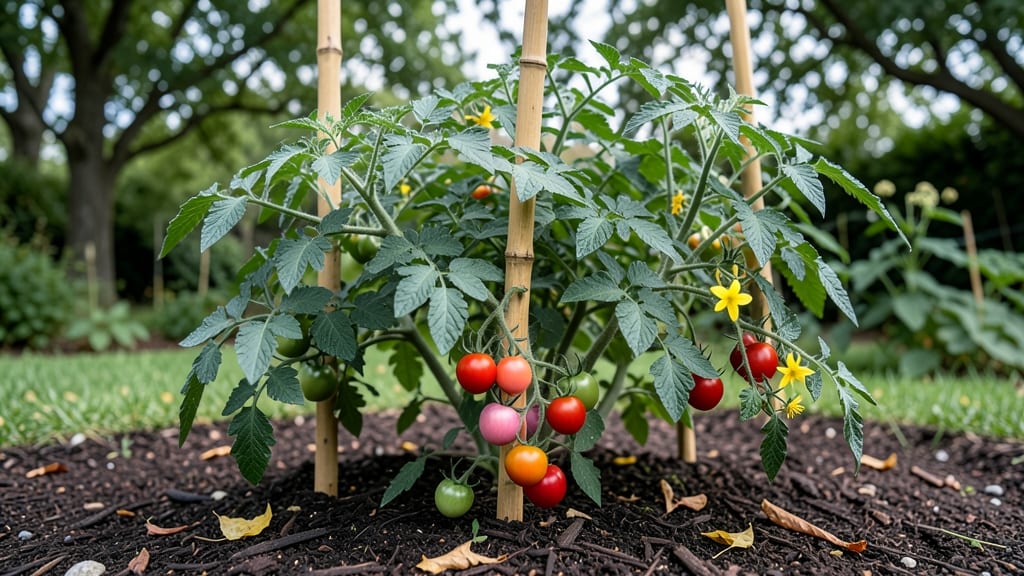
Georgia’s tomato primary growing regions split into three distinct zones where heat, humidity, and frost dates create perfect—or challenging—conditions for gardeners. 🌱 I’ve grown tomatoes across North Georgia’s cooler hills and South Georgia’s sweltering summers, and the difference in timing and varieties is night-and-day.
North Georgia’s Zone 7a-8a (think Atlanta, Dahlonega, and the Blue Ridge foothills) lets you plant in early April after frost risk passes, while South Georgia’s Zone 8b-9a (Savannah, Albany, and the coastal plain) can start as early as mid-March. The key?
Matching varieties to your region—heat-tolerant ‘Celebrity’ or ‘Solar Fire’ for the south, early ‘Stupice’ or ‘Mountain Spring’ for the north. By late summer, your tomatoes will be bursting with flavor—but only if you time it right.
North Georgia’s harvest peaks in August, while South Georgia’s extends into October, thanks to milder winters. Soil prep matters too: sandy coastal soils need compost, while clay-heavy north Georgia benefits from raised beds. Microclimates change everything.
A shady backyard in Athens might need shade-tolerant varieties, while a sunny valley in Thomasville thrives with standard heirlooms. Pay attention to your specific corner of Georgia—it’s the secret to consistently great harvests every season.
📚 In This Guide
- What you need
- Instructions
- Tips and common mistakes
- Wrapping up and next steps
What you need
- ● Tomato Seeds or Seedlings: Choose Georgia-friendly varieties like 'Celebrity,' 'Better Boy,' or 'Sun Gold' (cherry tomatoes).
- ● Quantity: 3–5 plants per container (or 1–2 per 5-gallon pot).
- ● Containers: Minimum 5-gallon size (bigger is better for indeterminate varieties).
- ● Drainage holes are non-negotiable—use pots with built-in saucers.
- ● Materials: Fabric grow bags (breathable) or plastic/terra cotta (durable).
- ● Soil: High-quality potting mix (sterile, peat-based, or coco coir blend).
- ● Add compost (1 part compost to 3 parts soil) for nutrients.
- ○ Optional: Perlite or vermiculite (10%) for aeration.
- ● Fertilizer: Balanced fertilizer (10-10-10 or 5-5-5) at planting.
- ● Tomato-specific fertilizer (high in potassium/phosphorus) every 2–3 weeks.
- ● Slow-release granules (e.g., Osmocote) for convenience.
- ● Hand trowel (for transplanting seedlings).
- ● Garden gloves (to protect from thorns and soil).
- ● Watering can or hose with nozzle (gentle watering prevents soil erosion).
- ● Stakes or cages (5–6 ft tall for indeterminate varieties).
- ● Pruning shears (for removing suckers and dead leaves).
- ● pH testing kit (ideal soil pH: 6.0–6.8).
- ● Mulch (straw or shredded leaves to retain moisture).
- ● Sunlight: Full sun (6–8+ hours daily)—Georgia’s regions vary, so adjust placement.
- ● Temperature: Start seeds indoors at 70–80°F (4–6 weeks before last frost).
- ● Transplant after soil reaches 55°F+ (typically April–May in most regions).
- ● Water: 1–2 inches per week (drip irrigation or soaker hoses preferred).
- ● Pest control: Monitor for hornworms, aphids, and blight—neem oil or insecticidal soap on hand!
How to select and grow tomatoes in Georgia’s primary regions
Georgia’s diverse climate zones mean your tomato choices should match local conditions—here’s how to pick the right varieties for each region.
🌱 Step 1: Identify Your Georgia Growing Region
Georgia’s tomato-growing zones break into three primary regions: North Georgia (mountain and piedmont), Central Georgia (fall line and coastal plain), and South Georgia (coastal plain). Each has distinct frost dates, heat tolerance needs, and soil characteristics. North Georgia’s cooler springs delay planting until after April 15, while South Georgia’s longer growing season lets you start as early as February 15 for heat-tolerant varieties.
Check your USDA Hardiness Zone (most of Georgia falls between Zone 7 and 9). North Georgia (Zone 7) benefits from early-maturing varieties like ‘Mountain Merit’ or ‘Better Boy’, while South Georgia (Zone 8-9) thrives with heat-resistant types such as ‘Celebrity’ or ‘Solar Fire’. Central Georgia (Zone 7-8) bridges both with versatile picks like ‘Arkansas Traveler’ or ‘Brandywine’.
☀️ Step 2: Choose Varieties for Your Region’s Climate
North Georgia’s shorter season and cooler nights favor determinate (bush) tomatoes that ripen quickly. Look for varieties labeled “early maturing” (50-60 days) like ‘Stupice’ or ‘Glacier’, which handle 30-40°F nighttime temps without stress. Central Georgia’s moderate climate suits semi-determinate types like ‘Cherokee Purple’, balancing yield and heat tolerance. South Georgia’s hot, humid summers demand heat-set varieties (those that pollinate in high temps) such as ‘Heatmaster’ or ‘Sunmaster’.
If you’re in a transition zone (e.g., Atlanta’s Zone 7b), opt for disease-resistant hybrids like ‘Defiant PhR’ or ‘Iron Lady’, which combat Georgia’s common fungal threats (early blight, fusarium wilt). Avoid heirlooms like ‘Brandywine’ unless you’re in a cooler microclimate—they struggle with 90°F+ heat.
🪴 Step 3: Adapt Planting Times to Your Region
North Georgia gardeners should wait until soil warms to 60°F (usually mid-May) and use black plastic mulch to accelerate warming. Start seeds indoors 8-10 weeks before last frost (early March) for transplants ready by April 15. Central Georgia’s longer frost-free window (late March) allows direct sowing by April 1 or transplanting early April. South Georgia’s early start means seedling trays in February and outdoor planting by March 1, with shade cloth to protect young plants from intense spring sun.
For all regions, succession planting extends harvests: Sow ‘Early Girl’ in March, then ‘Better Boy’ in May for a staggered crop. In South Georgia, a second planting in July yields fall tomatoes before frost. Always check local frost dates—North Georgia’s first frost hits November 1, while South Georgia’s lingers until December 15.
💧 Step 4: Adjust Watering and Care by Region
North Georgia’s cooler, drier summers require deep watering 1-2 times weekly (1-1.5 inches per week), while South Georgia’s humid heat demands drip irrigation to prevent fungal diseases. Central Georgia’s variable rainfall means mulching with straw to retain moisture and avoid overhead watering after 10 AM to reduce mildew risk. In all regions, prune suckers weekly but leave more foliage in South Georgia to shield fruit from intense sun.
Watch for region-specific pests: North Georgia battles tomato hornworms (use Bt spray), while South Georgia’s stink bugs require row covers early in the season. Central Georgia’s whiteflies need reflective mulch to deter them. Always rotate planting locations yearly to prevent soil-borne diseases like verticillium wilt, which thrives in Georgia’s heavy clay soils.
✂️ Step 5: Harvest and Store for Regional Success
North Georgia’s shorter season means harvesting by late September—pick ‘Mountain Merit’ when fully red and firm to avoid cracking. Central Georgia’s longer harvest window (July-October) allows weekly picking of ‘Arkansas Traveler’; store unripe fruit in a paper bag with a banana to ripen indoors. South Georgia’s late-season heat speeds ripening—harvest ‘Solar Fire’ by October 15 before hurricane season disrupts gardens. Always freeze or can excess tomatoes using pH-adjusted recipes to prevent spoilage.
For year-round success, preserve heirloom seeds from your best-performing plants. Label varieties by region—‘Cherokee Purple’ might thrive in Central Georgia but struggle in South Georgia’s heat. Share surplus with neighbors to build community resilience against Georgia’s unpredictable weather patterns.
Tips & tricks for thriving tomatoes across Georgia’s regions
Georgia’s diverse growing zones demand thoughtful adjustments—here’s how to maximize your tomato harvest in every climate.
Soil Temperature Secret: North Georgia gardeners should test soil temperature with a thermometer before planting—it must reach 60°F consistently for 5-7 days before transplanting. I’ve seen seedlings fail when planted too early in cooler soils, even if air temperatures seem warm. For South Georgia’s earlier planting, consider a soil warming mat if February starts unusually chilly. This simple step prevents stunted growth and sets your plants up for success.
Heat Tolerance Insight: When selecting varieties for South Georgia’s 90°F+ heat, look for labels like "heat-set" or "heat-tolerant"—these tomatoes pollinate naturally in high temperatures. I’ve learned the hard way that standard varieties wilt under prolonged heat stress. For Central Georgia’s transition zones, opt for disease-resistant hybrids like ‘Defiant PhR’ that handle both heat and humidity without compromising yield. These varieties are your insurance policy against Georgia’s unpredictable summer weather patterns.
Pest Prevention Strategy: North Georgia’s tomato hornworms and South Georgia’s stink bugs require different approaches. For hornworms, I’ve had the best success with Bt spray applied at dusk when caterpillars are most active. In South Georgia, row covers during early planting protect young plants from stink bugs before they establish themselves. Remember to remove covers before flowering to allow pollination—this is a common oversight that leads to poor fruit set.
Watering Wisdom: Central Georgia’s variable rainfall makes consistent watering critical. Use a rain gauge to track weekly totals and supplement with drip irrigation when rainfall falls below 1-1.5 inches. I’ve noticed that overhead watering after 10 AM increases mildew risk in all regions—this simple adjustment can dramatically reduce fungal pressure. For South Georgia’s humid climate, water at the base of plants rather than foliage to prevent disease spread.
Pro Tips for Tomato Primary Growing Regions In Georgia
- Georgia’s diverse growing zones demand thoughtful adjustments—here’s how to maximize your tomato harvest in every climate.
- Soil Temperature Secret: North Georgia gardeners should test soil temperature with a thermometer before planting—it must reach 60°F consistently for 5-7 days before transplanting.
- Heat Tolerance Insight: When selecting varieties for South Georgia’s 90°F+ heat, look for labels like "heat-set" or "heat-tolerant"—these tomatoes pollinate naturally in high temperatures.
Frequently asked questions
Got questions about growing tomatoes in Georgia’s prime regions?
You’re not alone! Whether you’re a first-time gardener or a seasoned green thumb, these answers will help you navigate Georgia’s tomato-growing zones like a pro.
What’s the best time to plant tomatoes in Georgia’s primary growing regions?
Georgia’s last frost date (typically late March to early April) signals the go-ahead for planting! For coastal regions (Zone 8), start seeds indoors in February and transplant after April 15. In central/north Georgia (Zones 7-7b), wait until mid-April to May 1 to avoid frost damage. Always check your local frost dates for precision.
Can I grow tomatoes in containers in Georgia’s hot summers?
Georgia’s high heat and humidity (especially in Zone 8) make container gardening ideal—it gives you control over soil and drainage. Use 5-gallon pots or larger for determinate varieties (like ‘Celebrity’) and 7+ gallons for indeterminates (like ‘Sungold’). Place containers in partial shade during peak afternoon sun (1–3 PM) to prevent wilting. UGA Extension recommends self-watering pots for consistency.
What pests should I watch for in Georgia’s tomato-growing regions?
Georgia’s humid climate attracts pests like hornworms, aphids, and fungal diseases (early blight). In coastal areas, whiteflies and southern blight are common. Use row covers for young plants, neem oil for aphids, and crop rotation to prevent soil-borne diseases. Prune lower leaves to improve airflow and reduce humidity around foliage. UGA’s pest guide is a lifesaver!
How long does it take for tomatoes to ripen in Georgia’s climate?
Ripening time varies by variety and region:
- Determinate (bush) varieties (e.g., ‘Roma’): 60–70 days from transplanting.
- Indeterminate (vining) varieties (e.g., ‘Brandywine’): 75–90 days or longer in cooler Zone 7 areas.
- Heat-tolerant varieties (e.g., ‘Solar Fire’): 50–60 days in Zone 8’s intense summer.
In central Georgia, expect first harvests in late June to early July, while coastal growers may see tomatoes as early as May with early starts.
Why are my Georgia-grown tomatoes cracking, even with consistent watering?
Georgia’s rapid temperature swings (hot days, cool nights) and inconsistent rainfall often cause cracking. To prevent it:
- Use mulch (straw or black plastic) to stabilize soil moisture.
- Avoid overhead watering—drip irrigation is best.
- Choose crack-resistant varieties like ‘Better Boy’ or ‘Mountain Merit.’
- Harvest tomatoes firm but ripe—don’t wait for full red color if they’re splitting!
If cracks appear, use the fruit—they’re still delicious! Just slice and cook to prevent juice loss.
Wrapping up and next steps
Georgia’s rich soil and diverse climate make it a tomato lover’s paradise!
From the fertile Piedmont to the humid Coastal Plain, each region offers unique growing advantages—whether you’re a backyard gardener or a large-scale farmer. 🌱 Whether you’re drawn to the heat-tolerant varieties of the Southwest or the longer seasons in the Mountains, there’s a perfect spot for your tomato dreams.
Ready to plant your own thriving tomatoes? Start by choosing a variety suited to your region, then gather your supplies and get growing! Your first harvest could be just a few months away—let’s make it happen! 🍅