
Planting
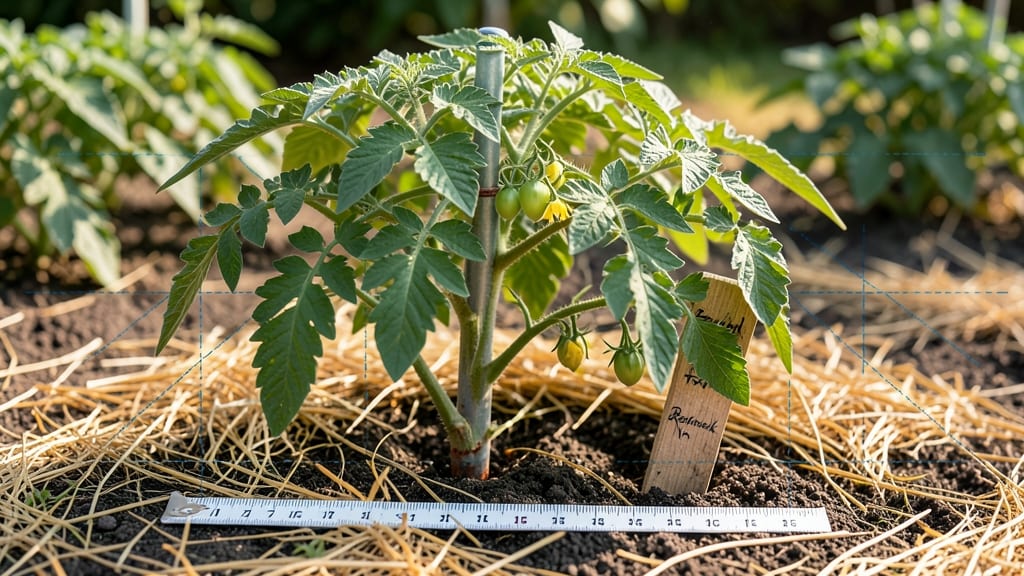
A tomato plant spacing chart is your secret weapon for turning a good harvest into a spectacular one—because even the hardiest 🍅 plants need room to thrive.
Picture this: you’ve spent weeks nurturing your seedlings, only to watch them struggle under crowded conditions, their leaves wilting from poor airflow or their fruit rotting before it ripens. That’s the cost of spacing it wrong—and it happens more often than you’d think.
But here’s the good news: spacing isn’t just about guesswork. Whether you’re growing cherry tomatoes in containers or beefsteak giants in raised beds, the right distance ensures every plant gets sunlight, air circulation, and the space to produce heavy yields without competing for resources.
In this guide, I’ll break down the exact spacing rules for determinate vs. indeterminate varieties, show you how to adjust for containers or trellises, and reveal the five spacing mistakes that silently sabotage your garden—so you can plan like a pro and harvest like never before.


Tomato plant spacing by variety type: indeterminate vs determinate chart
Getting the tomato plant spacing right is the difference between a struggling plant and a high-yielding vine. Determinate (bush) and indeterminate (vining) tomatoes have completely different spacing needs. Plant them too close, and you’ll struggle with disease spread, poor airflow, and stunted growth.
Too far apart, and you waste garden space. Let’s break down the science behind spacing—so you can plan your garden like a pro.
Why does spacing matter? Proper spacing ensures each plant gets enough sunlight and air circulation, which prevents fungal diseases like blight and powdery mildew. Indeterminate tomatoes, which grow continuously, need room to sprawl or climb.
Determinate varieties, which stop growing at a certain height, need less space but still benefit from proper airflow. Let’s dive into the specifics for your favorite varieties.
Determinate tomatoes (like Roma and Bush Early Girl) grow to a fixed height and produce fruit all at once. They’re perfect for container gardening or small spaces, but they still need enough room to avoid crowding. Indeterminate tomatoes (like Sungold and Beefsteak) keep growing until frost, so they need more space—or a sturdy trellis—to support their vines and fruit load.
Below is a tomato spacing chart that covers the most popular varieties, including their ideal spacing in in-ground gardens, raised beds, and containers. Use this as your go-to reference when planning your tomato patch this season.
| Variety Type | Common Varieties | Spacing (In-Ground) | Spacing (Raised Beds) | Spacing (Containers) | Notes |
|---|---|---|---|---|---|
| Determinate | Roma, Bush Early Girl, Celebrity | 18–24 inches apart | 12–18 inches apart | 1 plant per 5-gallon container | Compact growth; harvest all at once |
| Indeterminate | Sungold, Beefsteak, Brandywine | 24–36 inches apart | 18–24 inches apart | 1 plant per 10–15-gallon container | Vining; needs trellis or cage |
| Dwarf/Compact | Tiny Tim, Patio Princess | 12–18 inches apart | 9–12 inches apart | 1 plant per 1–3-gallon container | Ideal for balconies and small spaces |
| Cherry Tomatoes | Sungold, Sweet 100, Super Sweet 100 | 18–24 inches apart | 12–18 inches apart | 1 plant per 5-gallon container | High yield; prune for better airflow |
| Heirloom/Beefsteak | Brandywine, Cherokee Purple | 36–48 inches apart | 24–36 inches apart | 1 plant per 15–20-gallon container | Heavy fruit load; needs strong support |
Now that you’ve got the spacing down, let’s talk about why these numbers matter. Indeterminate tomatoes like Sungold need 24–36 inches of space because their vines can grow 6–10 feet tall and produce fruit all season long.
If you crowd them, you’ll end up with poor airflow, which invites diseases like early
How to adjust tomato spacing for different garden layouts
Tomato spacing isn't one-size-fits-all—it depends entirely on your garden layout. Whether you're working with raised beds, containers, or traditional rows, getting the spacing right ensures better airflow, sunlight penetration, and fewer diseases.
Overcrowding leads to stunted growth and poor yields, while too much space wastes precious garden real estate. Let's break down the best approaches for each setup.
For traditional in-ground gardens, most gardeners follow the classic row spacing of 18-24 inches between plants and 36-48 inches between rows. However, this works best for determinate varieties like Roma or Bush Early Girl.
Indeterminate types, like Sungold or Better Boy, need even more room—24-36 inches between plants—to accommodate their sprawling vines.
Tomato Spacing by Garden Layout
-
Raised Beds
Determinate: 12-18"
Indeterminate: 18-24" -
Containers
Dwarf varieties: 1 plant per 5-gallon pot
Medium varieties: 1 plant per 7-gallon pot -
Trellises
Indeterminate: 12-18" apart (vertically)
Save 50%+ space vs. ground planting -
Square Foot Gardening
1 plant per square foot (dwarf)
4 plants per square foot (cherry) -
High-Density Planting
Cherry tomatoes: 10-12" apart
Use dwarf varieties only
Pro Tip: Always space taller varieties to the north of shorter ones to avoid shading.
If you're growing in containers, size matters more than distance. Dwarf varieties like 'Tiny Tim' thrive in 5-gallon pots, while medium-sized plants like 'Celebrity' need 7-10 gallon containers. Remember, roots need room to breathe—crowding in pots leads to root-bound stress and fewer fruits.
For vertical gardening with trellises, you can cut spacing by nearly half since vines grow upward instead of outward.
One common mistake is ignoring row orientation. Plant rows north-to-south to maximize sunlight exposure for all plants, especially in raised beds. This simple adjustment ensures even growth and prevents the inner plants from getting shaded.
For high-density planting, like cherry tomatoes, stick to 10-12 inches between plants but only use dwarf or bush varieties—indeterminate types will sprawl and tangle.
For square foot gardening, the rule is simple: 1 tomato plant per square foot for dwarf varieties or 4 plants per square foot for cherry tomatoes. This method works well for small spaces but requires regular pruning to maintain airflow.
Always prune suckers and lower leaves to reduce disease risk, especially in tight spaces where humidity builds up.
Finally, don’t forget to account for companion plants. If you're interplanting tomatoes with basil or marigolds, adjust spacing slightly wider—20-24 inches—to give both plants room to thrive without competing for nutrients.
The key is balance: enough space for growth, but not so much that you waste garden space.
Experiment with different layouts in your garden—what works for one variety or space might not work for another. Keep notes on what yields the best results, and don’t hesitate to prune or transplant if you notice overcrowding early in the season. 🌱