
Planting
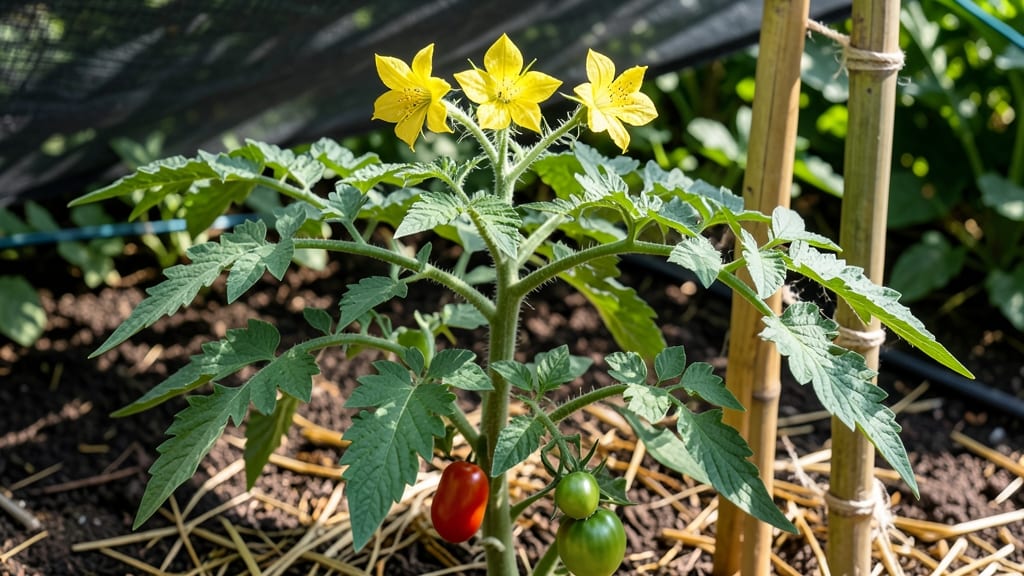
When tomato plants flower too early, you're looking at a harvest of tiny fruit—or worse, blossom drop before anything sets. 🌱 I’ve seen this happen more times than I’d like to admit, especially with seedlings shocked by sudden temperature swings or weak light.
The good news? You can often save the plant (and those future tomatoes) with a few targeted fixes.
Early flowering usually happens because the plant senses it’s time to fruit—even if conditions aren’t right. Too much heat, inconsistent watering, or transplant shock can trigger this response. The result? Flowers appear, but they drop off before setting fruit, leaving you with leggy plants and no harvest.
The fix starts with adjusting light, temperature, and care routines to give your plant the stable environment it needs.
Here’s the game-changer: prune those early flowers and focus on building a strong stem first. Remove suckers aggressively, provide consistent water (about 1 inch per week), and move plants to a warmer spot if nights dip below 55°F.
Within a few weeks, you’ll see thicker growth—and when the plant finally gets the right conditions, those flowers will turn into full-sized tomatoes, not just a few sad little cherries.
Prevent it next season by starting seeds indoors, hardening off seedlings slowly, and waiting to transplant until soil temps stay above 60°F consistently. Patience pays off: a well-timed tomato plant will reward you with heavier yields and fewer dropped blossoms.
Trust me, your future self will thank you at harvest time.
Triggers Behind Early Blooming
Understanding why your tomato plant flowers too early requires peering into the delicate balance of environmental cues and plant physiology. When tomatoes bolt—producing flowers before they’re ready—they’re often responding to stress or misaligned growing conditions. Let’s break down the top causes and the science behind them.
Tomatoes are tropical plants, and they hate sudden temperature extremes. When daytime temps soar above 85°F (29°C) or nighttime dips below 50°F (10°C), your plant may panic and flower early as a survival tactic.
- Why it happens: High heat disrupts the plant’s hormonal balance, accelerating the production of ethylene (a flowering trigger).
Meanwhile, cold snaps shock the plant, forcing it to shift energy from growth to reproduction. - Actionable clue: Check your local frost dates and plant tomatoes after the last frost when soil temps are consistently 60°F (15°C)+. Use row covers at night if temps drop unexpectedly.
Tomatoes thrive on consistent moisture—drought stress or overwatering can both trigger early flowering.
- Why it happens: - Underwatering: Causes abscisic acid (a stress hormone) to spike, signaling the plant to flower prematurely. - Overwatering: Leads to root suffocation and nutrient imbalances, weakening the plant’s ability to focus on vegetative growth. - Actionable clue: Water deeply 1–2 times per week (depending on climate), ensuring the top 2 inches of soil stay dry between waterings.
Use drip irrigation to avoid wetting leaves, which can cause disease.
Tomatoes need balanced nutrients, but an overabundance of nitrogen (N)—often from fresh manure, synthetic fertilizers, or compost—can cause luxuriant foliage but delay flowering. Conversely, low nitrogen can stress the plant into early blooming.
- Why it happens:
- Excess nitrogen promotes leafy growth but starves the plant of phosphorus (P) and potassium (K), which are critical for flower and fruit development.
- Deficiency in phosphorus (common in sandy soils) directly triggers early flowering as a last-ditch effort to reproduce.
- Actionable clue:
- Test your soil (a DIY kit costs ~$10) and amend with balanced fertilizer (10-10-10 or 5-10-10).
- Avoid high-nitrogen fertilizers like lawn fertilizer (it’s 30-0-4—way too much N!).
- Side-dress with bone meal (high in phosphorus) when plants are 6–8 inches tall.
When tomato plants are too close together or root-bound (e.g., in small containers), they compete for resources, leading to stress-induced early flowering.
- Why it happens:
- Competition for light, water, and nutrients forces the plant to prioritize reproduction over growth.
- Root restriction (common in pots) limits water and nutrient uptake, triggering ethylene production.
- Actionable clue:
- Space indeterminate tomatoes 18–24 inches apart and determinate varieties 24–36 inches apart.
- If growing in containers, use at least a 5-gallon pot and prune lower leaves to encourage upward growth.
Tomatoes are short-day plants, meaning they flower in response to daylight length. If they experience unexpected long days (e.g., 14+ hours of light) too early in the season, they may bolt prematurely.
- Why it happens:
- Artificial light (like grow lights left on too long) or early spring sunlight can trick the plant into thinking summer has arrived.
- Late planting (after the optimal window) means the plant gets longer days when it’s still young.
- Actionable clue:
- Plant tomatoes at the right time for your hardiness zone (typically 2–3 weeks after last frost).
- If using grow lights, limit them to 12–14 hours/day to mimic natural conditions.
Not all tomatoes are created equal! Some determinate varieties (like Roma or Celebrity) are bred to flower early and produce a single harvest, while indeterminate types (like Sungold or Beefsteak) grow continuously.
- Why it happens:
- Hybrid or heirloom varieties with short juvenile phases may flower quickly if conditions are favorable.
- Older plants (2+ years) are more likely to bolt due to hormonal aging.
- Actionable clue:
- Choose indeterminate varieties for extended harvests.
- If replanting, start with young seedlings (not mature plants) to delay flowering.
When tomatoes are under attack from blight, aphids, or spider mites, they divert energy to defense mechanisms, sometimes triggering early flowering as a survival response.
- Why it happens:
- Fungal diseases (like early blight) weaken the plant, causing it to shut down growth and focus on reproduction.
- Sap-sucking pests (aphids, whiteflies) inject toxins that disrupt hormone signaling.
- Actionable clue:
- Preventively spray neem oil or copper fungicide at the first sign of stress.
- Inspect leaves daily for pests and remove affected foliage immediately.
Even a rough transplant can send your tomato plant into survival mode, leading to early flowering.
- Why it happens:
- Root damage during transplanting triggers abscisic acid, a stress hormone that signals flowering.
- Over-pruning (removing too many leaves at once) reduces photosynthesis, forcing the plant to prioritize reproduction.
- Actionable clue:
- Hardening off seedlings before transplanting (acclimating them to outdoor conditions over 5–7 days).
- Prune carefully: Only remove lower leaves (up to the first flower cluster) to improve airflow.
Early flowering is your tomato plant’s SOS signal—it’s telling you something’s off! By addressing temperature, water, nutrients, space, and stress factors, you can delay blooming and maximize fruit production.
The goal? Keep your plant happy, healthy, and focused on growth until it’s ready to bear those juicy tomatoes! 🍅🔥
Fixing Early Blooms for Bigger Tomatoes
When your tomato plant flowers too early, it’s not just a sign of eagerness—it’s often a cry for help. The good news? Most causes have simple fixes, and with a few adjustments, you can redirect your plant’s energy toward fruit production instead of early blooms.
Below, we’ve mapped out practical solutions for the most common triggers, along with prevention tips to keep your tomatoes thriving all season.
Cause: Early flowers appear when nights are too warm (above 75°F/24°C) or days are scorching. Fix:
- 🌿 Prune aggressive suckers (the shoots between the stem and branches) to reduce the plant’s focus on flowering. This redirects energy to root and leaf growth.
- 💧 Water deeply in the late afternoon to cool the soil and roots. Mulch with straw or grass clippings to retain moisture and stabilize temperatures.
- ⏰ Adjust planting time if possible. For warm climates, opt for heat-tolerant varieties like ‘Solar Fire’ or ‘Heatmaster’—they delay flowering until conditions are ideal.
💡 Pro Tip: If your nights stay above 70°F (21°C), consider shading cloth (30-50% coverage) during peak afternoon sun to lower stress.
Cause: Inconsistent watering (too much or too little) triggers early flowering as a survival response. Fix:
- 👨🍳 Water consistently—aim for 1-1.5 inches (2.5-4 cm) per week, delivered at the base (not the leaves). Drip irrigation or soaker hoses work best.
- 🌧️ Avoid wetting foliage to prevent fungal diseases (like blight) that weaken the plant and accelerate flowering.
- 🔥 Pause fertilization if overwatering is the issue. Too much nitrogen (common in early-season fertilizers) promotes leafy growth and early blooms. Switch to a low-nitrogen, high-phosphorus fertilizer (like 5-10-10) to encourage root and fruit development.
✨ Prevention: Use a moisture meter to track soil conditions—tomatoes prefer slightly damp (not soggy) soil.
Cause: Over-fertilizing with nitrogen or lacking phosphorus/potassium sends mixed signals to the plant. Fix:
- 🍳 Adjust your fertilizer ratio to low nitrogen, high phosphorus/potassium (e.g., 5-10-10 or 3-4-6). Phosphorus (the middle number) is key for flowering and fruit set—but too much too soon can backfire.
- 🥗 Add compost or worm castings to the soil 2-3 weeks after transplanting. Organic matter improves nutrient availability without overwhelming the plant.
- 🚫 Skip high-nitrogen feeds (like lawn fertilizer) until after the first fruit sets. Save it for leafy greens instead!
🎯 Quick Fix: Mix 1 tbsp of bone meal (phosphorus-rich) into the soil at planting to support root and flower development on your timeline.
Cause: Too much direct sun (especially in hot climates) or sudden shade changes stress the plant into early flowering. Fix:
- 🌿 Provide afternoon shade if temperatures exceed 85°F (29°C). Use row covers or a lightweight shade cloth (30-40% blockage).
- 🔄 Rotate containers (if growing in pots) every few days to ensure even sunlight exposure. Uneven light leads to weak stems and premature blooms.
- 🌱 Choose the right spot: Plant tomatoes where they get 6-8 hours of morning sun and partial afternoon shade in scorching climates.
💡 Pro Tip: If using containers, bury them deeper (up to the first leaves) to encourage stronger root systems, which delay flowering.
Cause: Transplant shock, pests, or disease weakens the plant, causing it to flower early as a stress response. Fix:
- 🛡️ Harden off seedlings gradually (7-10 days) before transplanting to minimize shock. Acclimate them to outdoor conditions slowly.
- 🐜 Monitor for pests (aphids, whiteflies, spider mites) and treat early with neem oil or insecticidal soap. Stress from pests accelerates flowering.
- 🌡️ Avoid cold snaps—if nights dip below 50°F (10°C), use row covers or move pots to a sheltered spot.
🔥 Emergency Fix: If your plant is already stressed, prune all flowers (yes, even the ones you love!) to redirect energy to recovery. You’ll get a stronger plant—and more fruit—later.
Cause: Some varieties (like cherry tomatoes) are genetically prone to early flowering in warm climates. Fix:
- 🍅 Choose heat-tolerant, indeterminate varieties that delay blooming until conditions are ideal:
- ‘Better Boy’ (large beefsteak)
- ‘Celebrity’ (reliable for warm areas)
- ‘Arkansas Traveler’ (heat-resistant heirloom)
- ⏰ Plant early-season varieties (like ‘Stupice’) in cooler climates to avoid the “too-early” trap entirely.
💡 Pro Tip: If you love cherry tomatoes but hate early blooms, try ‘Sweet Million’—it’s more heat-tolerant than most.
Final Reminder: The key to preventing early blooms is balance—consistent water, proper nutrients, and stress-free growing conditions. With these fixes, your tomato plant will focus on strong roots and leaves first, setting you up for a bountiful harvest when the time is right. 🍅✨
Frequently asked questions
Why do my tomato seedlings flower indoors before transplanting?
Early indoor flowering happens when seedlings get too much light (especially from grow lights left on 16+ hours/day) or experience temperature fluctuations. Tomatoes are short-day plants—they flower when days get long, so artificial light can trick them into blooming prematurely. Limit grow lights to 12-14 hours/day and keep temps between 65-75°F to delay flowering until transplant time.
Should I remove early tomato flowers entirely?
Yes! Prune all early flowers to redirect the plant’s energy toward leaf and root growth instead of fruit production. This gives your tomato stronger stems and more vigorous growth before it’s ready to bear fruit. Focus on removing suckers (side shoots) too—they compete for nutrients and can stress the plant further.
Can I still get tomatoes if my plant flowers too early?
While early flowers may drop, the plant will often produce a second flush of blooms later in the season. Just focus on fixing the underlying issue (like temperature or water stress) and give the plant time to recover. With proper care, you’ll still get a harvest—just possibly a little later than expected.
How do I know if my tomato plant is getting enough phosphorus?
Look for dark green leaves with purple stems—these are signs of phosphorus deficiency, which can trigger early flowering. Test your soil (a $10 DIY kit works) and amend with bone meal or a 5-10-10 fertilizer if needed. Phosphorus is crucial for strong roots and flower development.
Will mulching help prevent early tomato blooms?
Yes! Mulch (like straw or grass clippings) helps regulate soil temperature and retain moisture, reducing stress that triggers early flowering. It also prevents soil-borne diseases and keeps roots cool during hot days. Apply a 2-3 inch layer around the base of the plant, keeping it away from the stem.