
Watering
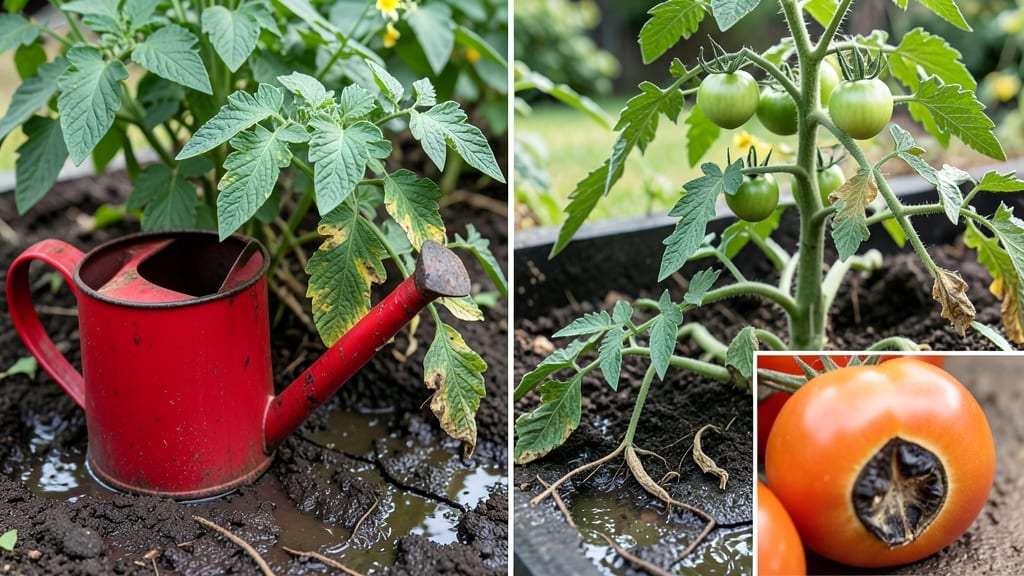
The telltale tomato overwatering symptoms—yellowing leaves, mushy stems, and roots drowning in soggy soil—can turn your once-thriving plants into sad, droopy messes. 🌱 I’ve watched my own plants go from thriving vines to pathetic, wilted shadows because of this one mistake, and it’s easier to fix than you think. The first sign is leaves that turn yellow at the bottom while staying green at the top—classic overwatering. Then comes the stink: rotten, sour smells from the soil mean roots are suffocating. Check the stems—if they feel soft or hollow when pressed, it’s a clear SOS. Stop watering immediately and let the soil dry out completely. Improve drainage by adding perlite or sand to heavy soil, and water only when the top inch feels dry. Within a week, you’ll see new green growth pushing through, and those roots will start breathing again. Prevention is simple: water deeply but less often, and always check soil moisture before reaching for the hose. Your tomatoes will thank you with juicy, vine-ripened rewards all season long.
Root Causes Of Overwatered Tomatoes
Tomatoes are thirsty plants, but too much water can drown their roots and trigger a cascade of problems. Understanding why overwatering happens—and how soil, weather, and human habits collide—helps you prevent soggy stems and wilting leaves before they start. Here’s the science behind the chaos.
Tomatoes need well-draining soil to thrive, but compacted or clay-heavy soil acts like a waterlogged sponge, suffocating roots. When excess water pools around roots, oxygen is displaced, leading to:
- Root rot: Fungal pathogens like Phytophthora and Pythium thrive in anaerobic (oxygen-poor) conditions, rotting roots within days. 🧪 Fun fact: Healthy roots should be firm and white; rotten ones turn brown, mushy, and smell foul.
- Nutrient lockout: Waterlogged soil binds essential nutrients (like nitrogen and phosphorus) to soil particles, making them unavailable to plants. Even if you fertilize, tomatoes starve.
- Weak root systems: Roots grow toward oxygen, not water. Overwatering forces them to stretch unnaturally, making plants top-heavy and prone to snapping in wind.
Actionable fix: Amend soil with compost, perlite, or coarse sand to improve aeration. Test drainage by filling a container with soil and water—if it drains in less than 30 minutes, you’re golden. 🎯
Tomatoes don’t need the same water in July as they do in April. Overwatering often stems from:
- Rainfall miscalculations: A sudden downpour can deliver 1–2 inches of water in hours—enough to drown roots if you water again the next day. Pro tip: Use a rain gauge or weather app to track precipitation and adjust watering accordingly. 🌡️
- Temperature extremes:
- Cold soils (below 60°F/15°C) slow root activity, making plants more susceptible to rot.
- Hot, humid days increase transpiration (water loss), but overcompensating with extra water can lead to fungal diseases like early blight.
- Wind and evaporation: Windy conditions dry soil faster, but some gardeners overwater as a "just in case" measure, leading to waterlogging.
Actionable fix: Water early in the morning (before 10 AM) to reduce evaporation. In rainy seasons, use drip irrigation with a timer to deliver precise amounts. ✨
Even with good soil, humans are the biggest culprits. Common mistakes include:
- Watering on a schedule: Tomatoes need 1–1.5 inches of water per week, but rigid schedules ignore real-time soil moisture. Drip irrigation or soil moisture sensors adapt to plant needs.
- Wetting foliage: Overhead watering (especially at night) promotes fungal diseases like powdery mildew and blight, which weaken plants and mask overwatering symptoms.
- Using the wrong tools:
- Hose-end sprinklers deliver inconsistent water, leading to dry patches and soggy spots.
- Hand watering without depth: A quick sprinkle only wets the top inch of soil, encouraging shallow roots that seek more water—creating a vicious cycle.
Actionable fix: Water deeply and infrequently—aim for 6–8 inches into the soil. Use a soaker hose or drip tape to deliver water at the root zone. 💡 Test it: Dig down after watering; soil should be moist but not soggy.
Overwatering is rarely an accident—it’s a mix of poor soil prep, weather ignorance, and human habits. The good news? Fixing these root causes (pun intended) can revive even the most wilted tomato plants. Stay tuned for signs of recovery and long-term prevention tips! 🍅🌿
Fixing overwatered tomatoes fast
Now that you’ve spotted the red flags—wilting despite damp soil, yellowing leaves, or that dreaded moldy smell—it’s time to turn things around. The good news? Tomatoes are resilient, and with the right moves, you can revive them (or at least salvage the harvest).
Here’s how to tackle each issue head-on, plus pro tips to keep your plants thriving.
Your first move? Cut off the water—completely. Overwatering is like drowning your plants, and they need time to recover. Let the soil dry out slightly before you even think about watering again. This helps prevent root rot from spreading.
Pro Tip: 💡 If your plant is in a pot, lift it to check the weight. If it feels soggy, hold off on watering for at least 2–3 days. For in-ground tomatoes, stick your finger 1–2 inches into the soil—if it’s damp, wait.
Poor drainage is often the root (pun intended) of overwatering problems. Here’s how to fix it:
- For Potted Tomatoes: - 🔪 Repot if needed: If your pot lacks drainage holes, transfer your tomato to a container with holes at the bottom.
Use a well-draining potting mix (like a blend of compost, perlite, and coconut coir). - 🌱 Add amendments: Mix in sand, perlite, or vermiculite to improve aeration. Aim for a mix that drains water within 15–30 minutes.
- For In-Ground Tomatoes: - 🏗️ Raise the bed: If your soil is heavy clay, consider building a raised bed with a mix of garden soil and compost.
This allows excess water to drain away faster. - 💧 Install a French drain: If water pools around the base, dig a shallow trench nearby and fill it with gravel to redirect excess moisture.
If your tomato’s roots are waterlogged, they’ll struggle to absorb nutrients and oxygen. Here’s how to give them a fighting chance:
- 🌡️ Prune damaged foliage: Snip off yellow or mushy leaves with clean pruners.
This reduces stress on the plant and helps it focus energy on recovery. - 🍄 Treat fungal issues: If you see black spots (early blight) or white fuzz (powdery mildew), spray the plant with a copper fungicide or a baking soda solution (1 tsp baking soda + 1 quart water + a drop of dish soap).
Reapply every 7–10 days. - 💪 Boost with compost tea: Mix 1 cup compost in a bucket of water, let it steep for 24 hours, then strain and water the soil around the base. This adds beneficial microbes to help roots recover.
Once your tomato is on the mend, it’s time to water smarter—not harder. Follow these rules to avoid repeating the same mistakes:
- 🌱 Water deeply but infrequently: Instead of light daily sprinkles, water 1–2 inches per week (adjust for climate).
Use a soaker hose or drip irrigation to deliver water directly to the roots. - 🕒 Time it right: Water early in the morning (before 10 AM) to let foliage dry out during the day, reducing fungal risks. - 🚫 Avoid wetting leaves: Water at the base of the plant to prevent diseases like blight.
If you must water overhead, do it in the early morning so leaves dry quickly.
Once you’ve saved your tomato, don’t let overwatering become a habit. Here’s how to stay ahead:
- 📊 Test your soil: Use a moisture meter or the finger test to check soil dampness before watering.
Aim for soil that’s 60% air and 40% water—not soggy. - ✨ Choose the right pot: If growing in containers, opt for fabric pots or terracotta (which dries out faster than plastic). - 🌿 Mulch like a boss: Apply 2–3 inches of organic mulch (straw, wood chips) around the base to retain moisture without suffocating roots.
This keeps soil evenly moist but well-aerated. - 🌡️ Monitor weather: Adjust watering based on rain. If it’s been raining, skip your scheduled watering day.
Final Thought: Overwatering is a common mistake, but it’s one you can easily fix with the right adjustments. Your tomatoes will bounce back—just give them time, better drainage, and a little TLC. And next season? You’ll be the watering whisperer your garden deserves! 🍅💦
Frequently asked questions
How do I tell if my tomato plant is overwatered vs. underwatered?
Check the soil first—overwatered plants have soggy, cool soil that smells musty, while underwatered plants have dry, warm soil. Look at the leaves: overwatered plants show yellowing from the bottom up, while underwatered plants wilt and feel crispy to the touch. Another clue? Overwatered stems feel soft or hollow when pressed.
Can I save my tomato plant if it has root rot from overwatering?
Yes, but act fast! Stop watering immediately and improve drainage by adding perlite or sand to the soil. Prune any black, mushy roots and repot in fresh, well-draining mix. For severe cases, treat with a fungicide like copper sulfate, but expect slower recovery. Prevention is key—water only when the top inch of soil is dry.
Why do my tomato leaves turn yellow when I water them?
Yellowing leaves are a classic overwatering symptom because excess moisture blocks oxygen to the roots. The plant can't absorb nutrients, so older leaves (with the most nutrients) turn yellow first. If the soil stays wet for days, fungal diseases like early blight may develop, causing yellow spots with brown edges. Reduce watering immediately and let the soil dry out.
Is it better to underwater or overwater tomatoes?
Neither—consistent moisture is key! Tomatoes prefer deep but infrequent watering (1-2 inches per week). Underwatering causes wilting and blossom-end rot, while overwatering leads to root rot and fungal diseases. Use a moisture meter or stick your finger 1-2 inches into the soil before watering—it should feel dry but not bone-dry.
How long does it take for overwatered tomato plants to recover?
With proper care, you'll see improvement in 3-7 days. Stop watering immediately and improve drainage. Prune yellow leaves to redirect energy to healthy growth. For potted plants, recovery may be faster (1-2 weeks) since you can control soil conditions better. Monitor closely—new green growth signals recovery, but avoid watering until the soil is truly dry.