
How To
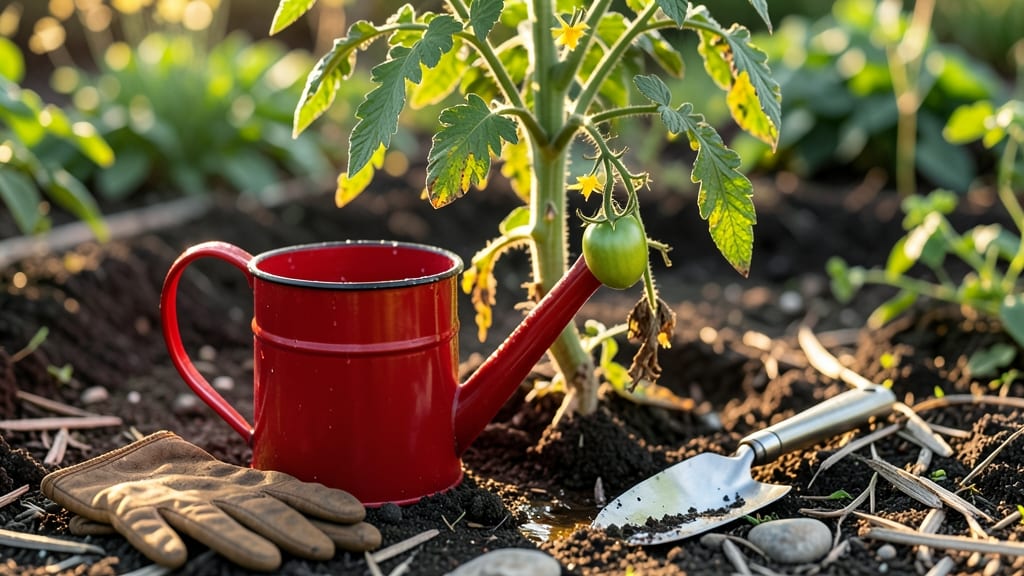
Tomato leaves drooping can mean your harvest is minutes away—or days from disaster. 🌱 I’ve seen plants bounce back in 10 minutes with the right fix, and others spiral in hours if ignored.
The key is diagnosing fast: is it thirsty, drowning, or under siege? Grab a trowel and let’s troubleshoot before the wilting spreads.
Most drooping starts with water—either too much or too little. Stick your finger 1 inch into the soil: dry? Water deeply until it runs out the bottom. Soggy? Hold off until the top 2 inches feel dry.
Heat stress? Mulch heavily and water at dawn to keep roots cool. Pests like aphids or spider mites? Check undersides of leaves for sticky residue or tiny webs—those need immediate action.
You’ll know you’ve nailed it when leaves perk up within 30 minutes to 2 hours. For stubborn cases, trim affected foliage to redirect energy. The goal isn’t perfection—it’s saving the plant, not the leaves.
Verticillium wilt or blight? Sadly, those require pruning diseased stems and rotating crops next season. But 90% of the time? It’s fixable right now.
Prevention is your secret weapon: water consistently, avoid overhead sprinklers, and rotate crops every 3 years. Keep a spray bottle handy for early pest checks—those tiny invaders multiply fast.
When in doubt, snap a photo of the plant (top and bottom leaves) and compare it to the symptoms below. Most gardeners I know have saved their tomatoes this way.
Root Causes Behind Wilting Tomato Foliage
When your tomato plant’s leaves start drooping like a sad balloon, it’s often a cry for help from the plant itself. Understanding the why behind the wilt is the first step to reviving your garden star.
Let’s break down the most common culprits—each with a clear scientific explanation and actionable clues to diagnose the issue.
Tomatoes are thirsty, but too much love can drown them. Overwatering leads to oxygen deprivation in the roots, causing them to suffocate. When roots can’t absorb water efficiently, the plant wilts as a survival mechanism to conserve moisture.
Poor drainage—often from compacted soil or clay pots—exacerbates the problem by trapping excess water.
How to spot it:
- The soil feels soggy even days after watering.
- Leaves turn yellow (chlorosis) or develop a mushy texture.
- Roots appear black or rotten if you gently dig them up.
Quick fix: Let the top 1–2 inches of soil dry out before watering again. Amend heavy soil with perlite or compost to improve aeration, and ensure pots have drainage holes.
On the flip side, tomatoes will wilt when they’re parched. Unlike drought-tolerant plants, tomatoes have shallow roots that dry out fast in hot weather. When soil moisture drops below 30%, the plant closes stomata (pores on leaves) to prevent water loss, causing leaves to droop like a wilting flower.
How to spot it:
- Soil is bone-dry to the touch.
- Leaves feel crispy or papery.
- Wilting happens during the day but may recover slightly at night.
Quick fix: Water deeply early in the morning (1–1.5 inches per week, more in heatwaves). Use mulch to retain moisture and shade cloth to protect plants from midday sun.
If your tomato plant’s roots are circling the pot or container, they’re strangled by their own growth. Roots need space to explore for water and nutrients. When confined, they can’t support the plant’s needs, leading to wilting—especially in fast-growing varieties like Beefsteak or Cherry tomatoes.
How to spot it:
- Roots grow out of drainage holes or wrap around the pot.
- Wilting occurs even after consistent watering.
- New growth is stunted or yellow.
Quick fix: Repot the plant into a container 2–3 inches larger with fresh, well-draining potting mix. For in-ground plants, loosen the soil around roots with a fork to encourage outward growth.
Tomatoes are heavy feeders, and a lack of key nutrients—especially potassium, nitrogen, or magnesium—can cause leaves to droop. For example:
- Potassium deficiency: Leaves wilt and develop brown edges (scorch).
- Nitrogen deficiency: Older leaves turn yellow (chlorosis) while new growth wilts.
- Magnesium deficiency: Interveinal yellowing (between leaf veins) appears, followed by wilting.
How to spot it:
- Wilting is paired with discoloration or stunted growth.
- Soil tests reveal low nutrient levels (or you’ve skipped fertilizer recently).
Quick fix: Apply a balanced fertilizer (10-10-10) or targeted amendments like Epsom salt (magnesium sulfate) for yellowing leaves. For organic growers, use compost tea or banana peels (potassium).
Sap-sucking pests like aphids, spider mites, or whiteflies weaken tomato plants by draining their fluids, leading to wilting. Fungal diseases such as early blight or fusarium wilt can also clog the plant’s vascular system, preventing water transport.
How to spot it:
- Sticky residue (honeydew) on leaves from pests.
- Yellow spots or lesions on leaves (disease).
- Wilting spreads unevenly across the plant.
Quick fix:
- For pests: Spray with neem oil or introduce ladybugs.
- For disease: Remove infected leaves and apply copper fungicide. Avoid overhead watering to prevent spread.
Most drooping leaves are reversible with the right intervention. Start by ruling out the most likely cause—water, roots, or nutrients—and your tomato plant will be perking up in no time! 🌿
Quick Fixes for Floppy Tomato Foliage
Reviving your tomato plants when their leaves are drooping doesn’t have to be a guessing game. The right approach depends on the root cause—whether it’s thirst, stress, pests, or disease.
Below, we’ve broken down practical, step-by-step solutions for each common issue, plus tips to keep your plants perky and productive. Grab your gloves and let’s get to work! 🌱💦
Signs: Yellowing leaves, soggy soil, wilting despite wet conditions.
How to Fix It:
- 🔥 Pause Watering Immediately
- Let the top 1–2 inches of soil dry out before watering again. Stick your finger in the soil—if it’s damp past your first knuckle, wait.
- 🍳 Improve Soil Drainage
- Mix in perlite, coarse sand, or compost to aerate heavy soil. For potted tomatoes, ensure pots have drainage holes.
- 👨🍳 Repot if Needed
- If roots are circling or the soil is compacted, transfer the plant to a larger container with fresh, well-draining potting mix.
- ⏰ Adjust Your Watering Schedule
- Water deeply 1–2 times per week (depending on climate) rather than daily shallow watering. Early morning is best to reduce evaporation and fungal risks.
💡 Prevention Tip:
- Use a moisture meter or the "squeeze test" (gently press soil—if it crumbles, it’s dry enough).
Signs: Crispy leaf edges, dry soil, wilting that worsens in the afternoon.
How to Fix It:
- 💦 Hydrate Deeply and Slowly
- Water until it runs out the drainage holes (5–10 minutes for small pots, longer for large plants). Avoid overhead sprinkling—it wastes water and encourages disease.
- 🌡️ Provide Shade During Peaks
- Use shade cloth (30–50%) or move potted tomatoes to a spot with afternoon shade if temps exceed 90°F (32°C).
- 🥗 Mulch to Retain Moisture
- Spread 2–3 inches of straw or wood chips around the base (keep mulch 2 inches away from the stem to prevent rot).
- 🎯 Boost Humidity (For Container Growers)
- Place a tray of water near the plant or mist leaves early in the day (avoid evening misting to prevent fungal growth).
💡 Prevention Tip:
- Drip irrigation or soaker hoses deliver water directly to roots, reducing stress and evaporation.
Signs: Chewed leaves, sticky residue (aphids), fungal spots, or wilting with no soil moisture issue.
How to Fix It:
- 🔪 Identify the Culprit
- Pests (aphids, spider mites, whiteflies): Wipe leaves with soapy water (1 tsp mild dish soap + 1 quart water) or spray with neem oil.
- Fungal issues (early blight, septoria leaf spot): Remove infected leaves immediately and apply copper fungicide or a baking soda spray (1 tbsp baking soda + 1 quart water + a drop of soap).
- 🍳 Prune for Airflow
- Trim overcrowded branches to improve circulation. Aim for a balanced, open canopy to deter pests and diseases.
- 🌱 Quarantine Affected Plants
- Isolate the tomato plant until symptoms improve to prevent spreading to other garden mates.
- 🔥 Prevent Future Outbreaks
- Rotate crops annually to break pest/disease cycles.
- Water at the base (not overhead) to keep foliage dry.
💡 Prevention Tip:
- Beneficial insects like ladybugs or lacewings can eat pests naturally—introduce them if possible! 🐞
Signs: Pale leaves, stunted growth, wilting after repotting or fertilizing.
How to Fix It:
- 📊 Test Your Soil
- Use a home soil test kit to check pH (ideal: 6.0–6.8 for tomatoes) and nutrient levels. Adjust with lime (to raise pH) or sulfur (to lower pH) if needed.
- 💪 Fertilize Gently
- Feed with a balanced fertilizer (10-10-10 or 5-5-5) diluted to half-strength. Over-fertilizing burns roots!
- Organic option: Mix in compost or worm castings for a slow-release boost.
- 🥘 Support Weak Plants
- Stake or cage tomatoes immediately to reduce stress from wind or heavy fruit.
- ✨ Recover from Shock
- If recently transplanted, trim 1/3 of the foliage to reduce water needs and redirect energy to root growth.
💡 Prevention Tip:
- Side-dress with compost every 4–6 weeks instead of relying on heavy upfront fertilizer.
Signs: Wilting in extreme heat/cold, leaves curling or tearing from wind.
How to Fix It:
- 🌿 Protect from Elements
- Heat waves: Use row covers or move potted tomatoes to a shadier spot.
- Cold snaps: Cover plants with frost cloth if temps dip below 50°F (10°C).
- 🍳 Windbreaks
- Plant tall grasses, corn, or sunflowers as natural windbreaks, or use bamboo stakes to shield delicate leaves.
- 🎯 Mulch Thickly
- 4–6 inches of mulch insulates roots and retains moisture during temperature swings.
💡 Prevention Tip:
- Choose heat-tolerant varieties like ‘Heatmaster’ or ‘Solar Fire’ if you live in a hot climate.
Final Thought: Most drooping tomato leaves bounce back within 24–48 hours of addressing the root cause. Stay consistent with care, and your plants will reward you with juicy, vine-ripened tomatoes in no time! 🍅🌟
Frequently asked questions
Why do my tomato leaves droop in the afternoon but perk up at night?
This classic pattern usually means your plants are thirsty! Tomatoes have shallow roots that dry out quickly in hot afternoons. The wilting happens when the plant conserves water by closing its stomata (leaf pores). If leaves recover overnight, it confirms underwatering—not disease or pests. Water deeply in the morning (1–1.5 inches) and mulch to retain moisture.
Can I save my tomato plant if the drooping is caused by overwatering?
Yes, but act fast! Stop watering immediately and let the top 2 inches of soil dry out. If roots are rotting (black/mushy), trim affected roots and repot in fresh, well-draining mix with perlite or sand. For severe cases, prune 1/3 of the foliage to reduce water demand while roots recover. Most plants bounce back in 3–7 days with proper care.
What’s the difference between wilting from pests and wilting from heat stress?
Pest-related wilting often comes with visible clues: sticky honeydew (aphids), tiny webs (spider mites), or chewed leaves. Heat stress wilting happens evening or night (afternoon recovery), while pest damage spreads unevenly and may include yellowing or curling. Check leaf undersides—pests leave behind their calling cards! For heat stress, provide afternoon shade and water at soil level.
Will pruning drooping leaves actually help my tomato plant?
Pruning isn’t just for aesthetics—it’s a lifesaver for stressed plants. Removing 10–20% of the most affected leaves reduces water loss and redirects energy to root recovery. Focus on lower leaves (they’re less productive) and avoid cutting into the main stem. For severe cases, trim back to healthy green growth—the plant will thank you with new vigor!