
Leaf Blower
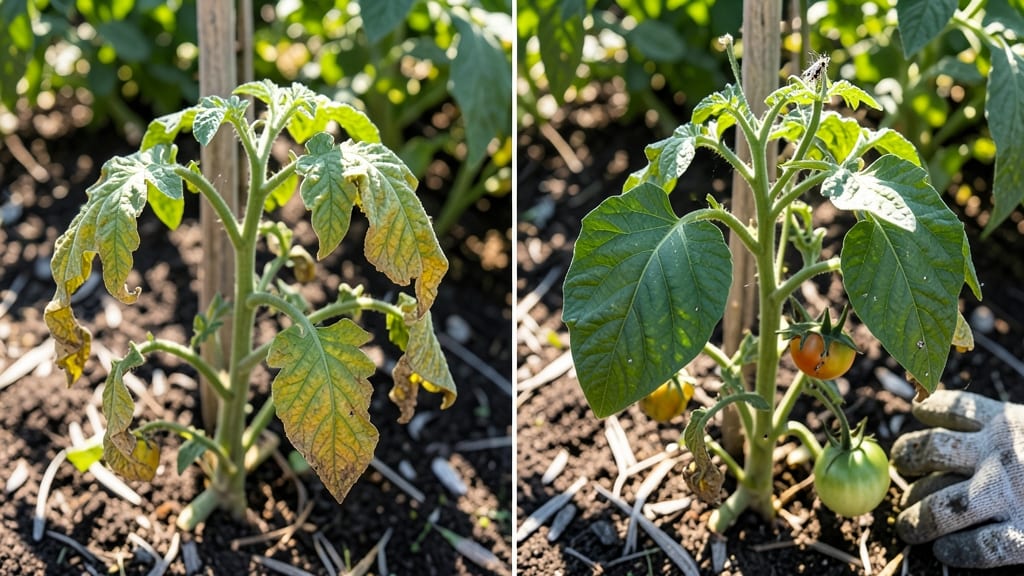
When your tomato plants develop stunted growth and curled leaves, the Tomato Leaf Curl New Delhi Virus (ToLCNDV) might be the culprit—and neem oil could be your fastest defense. 🌱 I’ve battled this stubborn virus in my garden, and the key to saving your plants lies in early action, especially in hot, dry climates like India where it thrives.
This virus spreads through whiteflies, so the first step is breaking their cycle with neem oil sprays every 48 hours. It’s not just a treatment—it’s a shield. I’ve seen plants recover within weeks when caught early, though resistant varieties like ‘Arka Vikas’ or ‘Pusa Ruby’ are your best bet long-term.
You’ll notice fewer curled leaves and healthier vines within 10-14 days if you act fast. The neem oil disrupts whiteflies while strengthening plant resilience, but don’t skip monitoring for new growth—this virus hides until it’s too late.
Works best in humid climates but adapts to most regions. The trick is consistency: spray at dawn or dusk, and pair it with reflective mulch to deter whiteflies. Here’s how to make it work for your garden.
Root Causes Behind Viral Spread
The Tomato Leaf Curl New Delhi Virus (ToLCNDV) doesn’t appear out of nowhere—it thrives due to a mix of biological, environmental, and agricultural factors. Understanding these triggers is key to stopping its spread before it devastates your garden.
Below, we break down the science behind why this stubborn virus takes hold.
The primary culprit behind ToLCNDV transmission is the Bemisia tabaci whitefly, a tiny sap-sucking insect that acts as a viral vector. Here’s how it works:
- Mechanical Transmission: Whiteflies feed on infected plants, picking up viral particles in their saliva. When they move to healthy plants, they inject the virus during feeding—like a microscopic syringe. 💉
- Exponential Spread: A single whitefly can transmit the virus to dozens of plants in its lifetime. Their rapid reproduction (up to 200 eggs per female!) turns localized outbreaks into full-blown epidemics.
- Cryptic Feeding: Whiteflies often hide on the undersides of leaves, making them hard to spot until the damage is done. Look for sticky honeydew residues (a sign of their presence) or yellowing leaves as early warnings.
Actionable Tip: Monitor plants for whiteflies daily during warm, dry seasons (their peak activity period). Use a blue sticky trap or yellow card to catch them early—these colors attract them like a bug buffet. 🎣
ToLCNDV doesn’t spread in cold, wet climates—it loves heat and drought. Here’s why:
| Factor | Why It Matters | Optimal Virus Spread Range |
|---|---|---|
| Temperature | Whiteflies thrive in warmth (77–95°F / 25–35°C), which speeds up their reproduction and virus transmission. | 80–90°F (27–32°C) |
| Humidity | Low humidity (<40%) weakens plant defenses and stresses tomatoes, making them more susceptible to infection. | Below 30% |
| Drought Stress | Water-deprived plants can’t fight off viruses as effectively. Their damaged cells become easy entry points for whiteflies. | Irregular watering or soil moisture <20% |
Pro Tip: If you’re in a hot, dry region (like New Delhi’s summer!), schedule deep watering early in the morning to reduce stress on plants. Mulching with straw or wood chips also helps retain moisture and deter whiteflies by keeping soil cooler. 💦
Healthy tomatoes resist ToLCNDV better than stressed ones. Common stressors that open the door to infection include:
- Nutrient Deficiencies: Low potassium or phosphorus weakens cell walls, making it easier for whiteflies to penetrate. Yellowing edges on leaves? That’s a red flag. 🚩
- Overcrowding: Dense plantings reduce airflow, trapping heat and humidity—ideal whitefly breeding grounds. Aim for 18–24 inches between tomato plants.
- Poor Soil Drainage: Waterlogged roots suffocate roots, forcing plants to divert energy from defenses to survival. Use raised beds or containers if your soil drains poorly.
- Previous Viral Exposure: If a plant survives ToLCNDV once, it can still carry the virus asymptomatically and reinfect others. Remove infected plants immediately—don’t compost them!
💡 Quick Fix: Boost plant resilience with a balanced fertilizer (10-10-10) and seaweed extract (rich in growth hormones). Healthy plants = fewer virus parties. 🎉
Viruses can survive on tools, gloves, and even your shoes for hours—especially in dry conditions. Here’s how it happens:
- Pruning Shears: Cutting an infected leaf and then a healthy one? You just spread the virus. Always disinfect tools with 70% isopropyl alcohol between plants.
- Garden Gloves: Wearing the same gloves on infected and healthy plants transfers viral particles. Wash or swap gloves after handling suspicious foliage.
- Seedlings from Infected Sources: Buying or saving seeds from a contaminated plant? You’re rolling the dice. Always source seeds from certified disease-free suppliers.
✨ Prevention Hack: Keep a small bottle of rubbing alcohol in your gardening toolbox. A quick wipe between plants eliminates 99% of viral risks—no excuses! 🧼
By addressing these root causes—whitefly control, climate management, plant health, and hygiene—you can dramatically reduce ToLCNDV’s grip on your garden. The next section covers how to act fast with a neem oil barrier to stop the virus in its tracks. 🚀
How to Treat & Prevent Viral Spread
If your tomato plants are showing signs of leaf curl, yellowing, or stunted growth, acting fast is key. The Tomato Leaf Curl New Delhi Virus (ToLCNDV) spreads quickly, but with the right steps, you can minimize damage and protect your garden.
Below are practical solutions tailored to the root causes—from infected plants to pests and environmental factors—plus prevention tips to keep your tomatoes thriving.
If you spot curled leaves, stunted growth, or yellowing on your tomatoes, the plant is likely already infected. Since this virus has no cure, the best defense is containment.
- 🔪 Cut out infected plants at the base—do not compost them (the virus can survive in organic matter).
- 🔥 Burn or bag infected plants in sealed plastic to prevent spores from spreading via wind or water.
- 🌱 Monitor nearby plants for 2–3 weeks; if new symptoms appear, repeat the process.
Pro Tip: 💡 If you’re unsure whether a plant is infected, isolate it in a separate pot or area until confirmed.
Whiteflies and aphids transmit ToLCNDV through feeding. Breaking their cycle is crucial.
- 🍳 Use neem oil spray (as mentioned in the article) as a repellent and disruptor:
- Mix 1 tbsp neem oil + 1 tsp mild soap + 1 quart water in a spray bottle.
- Spray undersides of leaves (where pests hide) every 3–4 days.
- Reapply after rain.
- 👨🍳 Introduce beneficial insects like ladybugs or parasitic wasps to eat whiteflies naturally.
- 🌿 Yellow sticky traps can catch adult whiteflies before they multiply.
Pro Tip: 🌡️ Early morning or late evening spraying works best—pests are less active in direct sunlight.
A healthy plant resists viral takeovers better. Strengthen your tomatoes with these organic boosters:
- 🥗 Seaweed extract (kelp fertilizer):
- Spray diluted seaweed extract (follow label instructions) weekly to enhance cell walls.
- Rich in cytokins, which help plants fight stress.
- 🍎 Garlic or chili pepper spray (natural antiviral properties):
- Blend 1 garlic bulb + 1 chili pepper + 1 liter water, strain, and spray on leaves.
- Reapply every 10 days.
- 💪 Balanced fertilizer (low nitrogen):
- Switch to a 5-10-10 or 3-4-6 formula to avoid weak, virus-susceptible growth.
- Avoid over-fertilizing—it attracts pests!
An ounce of prevention is worth a pound of cure. Follow these long-term strategies to keep ToLCNDV at bay:
| Cause | Prevention Fix |
|---|---|
| 🌱 Contaminated soil | Solarize soil in summer (cover with clear plastic for 4–6 weeks to kill viruses/pests) or use sterilized potting mix. |
| 🐝 Pollinators spreading virus | Use row covers on young plants or hand-pollinate with a paintbrush. |
| 🌧️ Wind/rain spreading spores | Space plants 2–3 feet apart and avoid overhead watering (use drip irrigation). |
| 🛒 Infected seedlings | Buy from reputable nurseries or start seeds indoors with sterile conditions. |
Pro Tip: ✨ Crop rotation—don’t plant tomatoes (or related plants like peppers/eggplants) in the same spot for 3–4 years.
With these steps, you can halt the spread, revive healthy growth, and protect future harvests. Stay vigilant, and your tomato plants will bounce back stronger!
Frequently asked questions
What are the first signs of Tomato Leaf Curl New Delhi Virus in my plants?
Look for cupped or curled leaves, stunted growth, and yellowing between leaf veins—these appear within 2-3 weeks of infection. You may also notice thickened veins and smaller-than-normal leaves. Check the undersides of leaves for whiteflies, their primary carriers.
Can neem oil really stop the virus from spreading?
Neem oil doesn't cure the virus but disrupts whiteflies' life cycle—breaking their feeding cycle prevents further transmission. For best results, apply every 3-4 days during outbreaks, focusing on leaf undersides where pests hide. Pair it with sticky traps for maximum protection.
Are there tomato varieties that resist this virus?
Yes! Varieties like 'Arka Vikas' and 'Pusa Ruby' show better resistance. For organic gardens, consider heirloom types like 'Solanum lycopersicum' strains bred for viral resistance. Always source seeds from reputable suppliers to avoid contaminated stock.
How long can this virus survive in my garden?
The virus can persist in soil and plant debris for up to 1 year, especially in dry conditions. Solarize affected areas (cover with clear plastic for 6 weeks) or use sterilized soil mixes. Remove all plant debris immediately—never compost infected material.
Will chemical pesticides help control this virus?
Chemical pesticides target whiteflies but won't eliminate the virus itself. Overuse can harm beneficial insects and create resistance. Instead, combine neem oil with biological controls like ladybugs or parasitic wasps for sustainable pest management.