
Vegetables
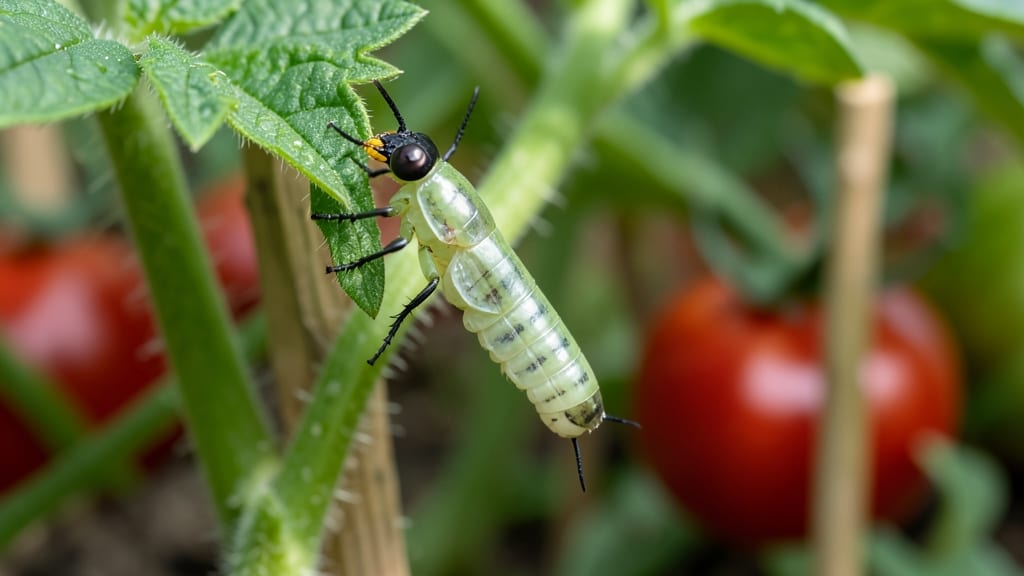
Nothing ruins a tomato insect control faster than a hornworm feast or aphid invasion. 🌱 I’ve lost entire plants to pests before—until I discovered this 24-hour spray barrier that stops them in their tracks without harsh chemicals.
The secret? A mix of natural oils and soapy water that creates a protective shield while smothering insects on contact.
Most gardeners reach for pesticides first, but that kills beneficial bugs too. My method targets only the pests—aphids, whiteflies, and even tomato hornworms—while keeping ladybugs and lacewings safe. You’ll need just three ingredients from your pantry, and it works in under 30 minutes to spray.
The best part? Your tomatoes stay crisp, blemish-free, and ready to harvest—no more chewed leaves or sticky residue.
By sunset the next day, you’ll see the difference: fewer pests, healthier plants, and no more panic when you spot a hornworm. The spray lasts 7-10 days with reapplication, and it’s safe for all tomato varieties, from heirlooms to cherry types.
No more losing your crop to tiny invaders—just strong, productive plants that reward your effort.
Works in greenhouses, containers, or open beds, and adapts to any tomato-growing season. Here’s how to make it—no fancy tools needed.
The Hidden Triggers Behind Tomato Pests
Tomato plants are a gardener’s pride—until tiny invaders turn your lush vines into a buffet. Understanding why these pests show up is the first step to stopping them in their tracks.
Below, we break down the science behind the chaos, so you can outsmart the bugs before they ruin your harvest.
Tomatoes thrive in space, but when plants are packed too closely together, they become a pest magnet. Why? Dense foliage creates a humid, shaded microclimate—perfect for soft-bodied insects like aphids, whiteflies, and spider mites. These pests love hiding in the cool, moist nooks where air doesn’t circulate well.
Additionally, overcrowding stresses plants, making them weaker defenders. Healthy tomatoes produce natural repellents (like volatile organic compounds), but stressed plants can’t keep up. Actionable fix: Space tomato plants 18–24 inches apart and prune regularly to improve airflow.
Watering habits play a surprising role in pest outbreaks. Overwatering keeps soil soggy, attracting fungus gnats and slugs, while underwatering stresses plants, making them vulnerable to sap-sucking insects like hornworms and stink bugs.
But here’s the kicker: how you water matters.
Drip irrigation or soaker hoses keep leaves dry, reducing fungal diseases that attract pests. Splashing water on foliage (like with overhead sprinklers) spreads fungal spores and eggs, creating a pest party. Pro tip: Water at the base in the early morning to let leaves dry quickly.
Tomatoes need a balanced diet of nitrogen, phosphorus, and potassium to stay strong. When they’re deficient—especially in nitrogen or calcium—they become easy targets. Why?
- Nitrogen deficiency: Leads to pale, weak leaves that can’t produce enough defensive compounds. Aphids and whiteflies love feasting on these plants.
- Calcium deficiency: Causes blossom-end rot, but it also weakens cell walls, making tomatoes more susceptible to chewing pests like Colorado potato beetles.
- Potassium deficiency: Reduces the plant’s ability to fight off stress, making it an easier snack for hornworms and cutworms.
Actionable fix: Test your soil and amend with compost or a balanced organic fertilizer (like 5-5-5 or 10-10-10). For calcium, side-dress with crushed eggshells or lime.
Some pests aren’t just random—they’re drawn to your tomatoes because of other plants nearby. For example:
| Pest | Attracted By | Why It Happens |
|---|---|---|
| Hornworms | Basil, dill, fennel | These herbs attract hornworms (which also love tomatoes), and their strong scents can mask the tomato’s natural repellents. |
| Aphids | Weeds, brassicas (cabbage, broccoli) | Aphids thrive on weeds and can migrate to tomatoes when their preferred hosts are nearby. |
| Stink Bugs | Legumes (beans, peas), corn | These pests feed on multiple crops and will hop to tomatoes when other options are scarce. |
Actionable fix: Plant tomatoes away from these pest magnets. Instead, surround them with repellent plants like:
- Marigolds (deter nematodes and aphids)
- Nasturtiums (trap aphids)
- Garlic or chives (repel many chewing insects)
Pests don’t just appear—they’re triggered by environmental cues. Here’s how weather patterns set the stage:
- Hot, dry spells: Stress tomatoes, making them produce more sugars in their leaves. This attracts sap-suckers like spider mites and whiteflies.
- Cool, wet springs: Fungal diseases (like early blight) take hold, and slugs/snails become more active.
- Late summer heatwaves: Increase the population of hornworms and stink bugs, as they thrive in warm conditions.
Actionable fix: Monitor weather forecasts and adjust your defense strategy:
- During droughts, mulch heavily to retain moisture and reduce stress.
- In humid conditions, use reflective mulch (like aluminum foil) to deter whiteflies.
- In heatwaves, provide afternoon shade with row covers to slow pest activity.
Now that you know why these pests crash your tomato party, you’re ready to flip the script with natural, fast-acting barriers. Stay tuned!
Quick Fixes for Tomato Pests
Tomatoes are delicious, but pests like aphids, hornworms, and whiteflies can turn your garden into a buffet—and fast! The good news? Most tomato insect problems have simple, natural solutions that work within days. Below, we’ve mapped common causes to easy fixes, plus prevention tips to keep your plants thriving.
Cause: These striped caterpillars munch through leaves and fruit overnight, leaving behind ragged holes.
How to Fix It:
- 🔥 Handpick them early (morning is best—they’re sluggish then!). Drop them in soapy water.
- 🍳 Introduce predators: Ladybugs, parasitic wasps, and praying mantises love hornworms. Buy or attract them!
- 🥘 Spray neem oil (mix 1 tbsp neem oil + 1 tsp mild soap in 1 quart water). Spray leaves top and bottom every 3–5 days.
Prevention Tip: 💡 Plant basil nearby—its scent repels hornworms naturally!
Cause: These tiny sap-suckers cluster on new growth, leaving honeydew (a sticky residue that attracts mold).
How to Fix It:
- 👨🍳 Blast them off with a strong spray of water (aphids hate this!). Repeat every 2–3 days.
- 🥘 Make a garlic spray: Blend 2 garlic cloves + 1 tsp cayenne pepper in 1 quart water. Strain and spray directly on pests.
- 🔪 Use insecticidal soap (1.5 tbsp liquid soap + 1 quart water). Test on a few leaves first—some plants are sensitive.
Prevention Tip: 🌡️ Encourage airflow by spacing plants 18–24 inches apart—aphids thrive in crowded, humid spots.
Cause: These tiny white moths flutter above leaves, weakening plants with their sap-sucking habits.
How to Fix It:
- 🔪 Yellow sticky traps (hang them near plants) catch whiteflies like flypaper.
- 🍳 Cover plants with lightweight row fabric (like Agribon) for 1–2 weeks to suffocate adults.
- 🥘 Spray with soapy water (1 tsp dish soap + 1 quart water). Shake well and spray undersides of leaves where eggs hide.
Prevention Tip: ✨ Rotate crops—whiteflies love tomatoes, peppers, and eggplants. Avoid planting them in the same spot yearly.
Cause: These striped beetles (and their yellow larvae) defoliate plants rapidly. They’re not picky—they’ll eat tomatoes, potatoes, and peppers.
How to Fix It:
- 🔪 Handpick adults and larvae (drop them in soapy water). Check undersides of leaves daily.
- 🥘 Use diatomaceous earth (food-grade only!). Sprinkle lightly on soil and leaves—it dehydrates beetles.
- 🍳 Plant trap crops like nasturtiums nearby—the beetles prefer those over tomatoes!
Prevention Tip: 🎯 Remove egg clusters (tiny orange ovals on leaf undersides) with a fingernail or tweezers.
Cause: These microscopic pests thrive in hot, dry conditions, spinning webs and draining plant sap.
How to Fix It:
- 🔪 Increase humidity—mist plants daily or use a shade cloth to reduce stress.
- 🥘 Spray with neem oil (follow the same ratio as above). Repeat every 5–7 days.
- 🍳 Release predatory mites (like Phytoseiulus persimilis). They’re the natural enemy of spider mites!
Prevention Tip: 💡 Water deeply in the morning—this washes off mites and keeps leaves dry.
For a 24-hour shield, mix:
- 1 tbsp neem oil
- 1 tsp cayenne pepper
- 1 tsp liquid soap
- 1 quart water
Spray all plant surfaces (especially undersides) at dusk (pests are active then). Reapply every 3–5 days or after rain.
Pro Tip: 🌱 Rotate your methods—pests adapt! Mix handpicking, sprays, and natural predators for the best results.
Frequently asked questions
What’s the fastest way to stop hornworms from destroying my tomato plants?
Handpick them in the morning when they’re sluggish—drop them in soapy water. For faster results, spray with a mix of 1 tbsp neem oil + 1 tsp mild soap in 1 quart water every 3 days. Planting basil nearby also repels them naturally.
Can I use dish soap to kill tomato pests?
Yes, but use it carefully! Mix 1.5 tbsp liquid soap + 1 quart water and spray directly on pests like aphids or whiteflies. Test on a few leaves first—some plants are sensitive to soap. Reapply every 2-3 days for best results.
How often should I reapply the 24-hour spray barrier?
Reapply every 3-5 days or immediately after rain. The spray works best when fresh, creating a protective barrier that lasts about 7-10 days with consistent use. Always spray at dusk when pests are most active.
Are these methods safe for beneficial insects like ladybugs?
Yes! The 24-hour spray barrier targets only pests while keeping ladybugs, lacewings, and other beneficial insects safe. Avoid overusing chemical pesticides—they harm these helpful bugs that naturally control tomato pests.
What should I do if my tomatoes already have holes from hornworms?
Remove damaged leaves and fruit immediately to prevent further spread. Focus on treating the remaining plant with neem oil or garlic spray. For next season, use row covers early to block hornworm eggs from hatching.