
Vegetables
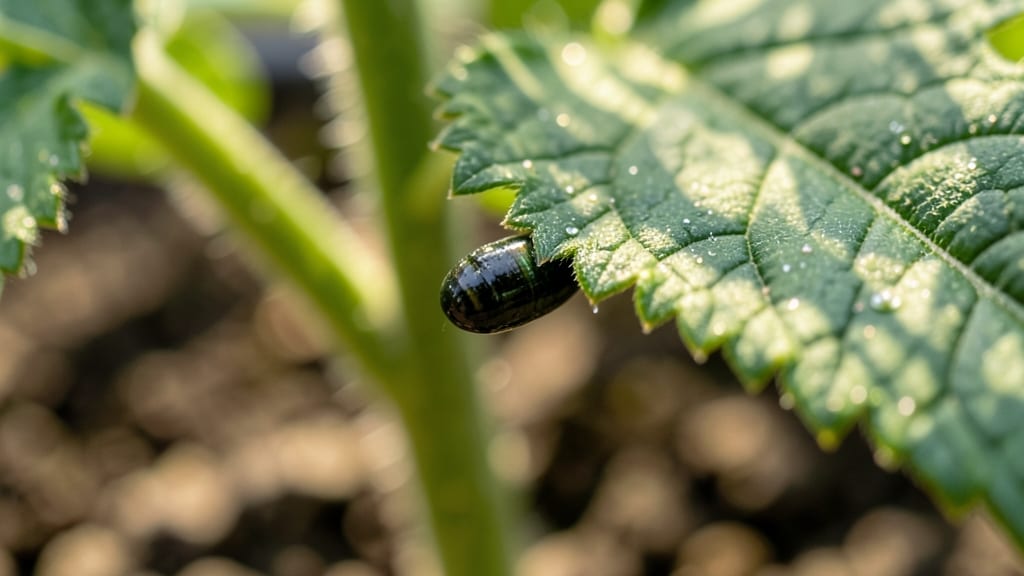
That black, pellet-like dust on your tomato leaves isn’t dirt—it’s tomato hornworm frass, and it’s actually a sign your plants are thriving. 🌱 I’ve spent years watching this "mess" turn into a free fertilizer that boosts my tomatoes’ growth more than any store-bought mix.
The key? Understanding what’s really happening under those leaves.
Frass isn’t just waste—it’s packed with nitrogen and other nutrients that break down into plant food. But here’s the catch: those pellets mean hornworms are munching away, and if left unchecked, they’ll strip your plants bare in days.
The good news? This frass is your early warning system to act before the damage gets serious.
With the right approach, you’ll turn this "problem" into a growth hack. Your tomatoes will grow faster, produce more fruit, and you’ll cut down on fertilizer costs—all while keeping the hornworm population in check. The secret lies in balancing natural predators and smart monitoring.
Whether you’re dealing with a small patch or a full garden, this method works for everyone. Let’s turn that frass into fuel for your biggest harvest yet—without losing a single leaf to those hungry caterpillars.
Behind The Frass Explosion
If you’ve noticed piles of dark, pellet-like droppings near your tomato plants—especially when the foliage looks chewed up—you’re likely dealing with tomato hornworm frass. But why does this happen?
The answer lies in the life cycle of these voracious caterpillars and the chemical signals they trigger in your garden. Here’s a breakdown of the key factors driving this phenomenon:
The primary driver of frass accumulation is a sudden surge in tomato hornworm populations. These caterpillars, the larvae of the Manduca sexta moth, are native to North and South America and have a voracious appetite for Solanaceae plants like tomatoes, peppers, and eggplants. Here’s why they multiply so quickly:
- Rapid Reproduction: A single female moth can lay 200–300 eggs in her lifetime, and these eggs hatch in just 3–5 days under ideal conditions (warmth, humidity, and abundant host plants). With each caterpillar consuming 1–2 leaves per day, frass production skyrockets as their numbers explode.
- Seasonal Peaks: Hornworms thrive in summer heat (75–85°F), when tomato plants are lush and nutrient-rich. If you notice frass piling up in July or August, you’re likely in the heart of their feeding frenzy.
- Lack of Natural Predators: While birds, wasps, and parasitic flies (like Cotesia congregata) keep hornworm populations in check, chemical pesticides can disrupt this balance. If you’ve used broad-spectrum sprays, frass buildup may signal a predator-free zone for these caterpillars.
Actionable Tip: 🌿 Scout your plants at dawn or dusk when hornworms are most active. If you spot 3+ caterpillars per plant, intervene before frass becomes a mountain!
Tomato hornworms don’t just eat your plants—they’re drawn to them like magnets. Here’s why your tomatoes are a prime target:
- High Nutrient Content: Tomato leaves are packed with nitrogen, sugars, and water, making them an all-you-can-eat buffet for growing caterpillars. A single hornworm can double its weight in just 10 days, and frass is a byproduct of this rapid digestion.
- Volatile Compounds: Tomato plants emit chemical cues (like methyl salicylate) that attract hornworm moths for egg-laying. Once hatched, the caterpillars home in on these signals, leading to clustered feeding—and clustered frass.
- Young, Tender Growth: New shoots and leaves are softer and more digestible, making them the first choice for hungry hornworms. This targeted feeding creates localized frass hotspots near growing tips.
Pro Tip: 💡 Prune lower leaves to reduce egg-laying sites and improve airflow, which can deter moths. Also, interplant with basil or marigolds—their scents mask tomato volatiles, confusing hornworm moths.
Frass production isn’t just about caterpillar numbers—it’s also about environmental conditions. Certain weather patterns accelerate hornworm activity and frass output:
| Factor | Why It Matters | Frass Impact |
|---|---|---|
| Warm, Humid Nights (70–85°F) | Hornworms are nocturnal feeders and thrive in warmth. High humidity keeps their skin moist, aiding digestion and frass production. | ↑ 50–100% more frass in 24 hours during heatwaves. |
| Rainfall (0.5–1 inch per week) | Moist soil and leaves make plants more palatable and flush out nutrients, boosting caterpillar growth rates. | Frass piles stick to leaves and may wash into soil, creating nutrient-rich microzones. |
| Still, Shady Conditions | Hornworms seek protected spots to avoid predators. Dense foliage or row covers can trap them—and their frass—in concentrated areas. | Frass accumulates in thick clusters under leaves or in plant nooks. |
Garden Hack: ✨ Use a fan or drip irrigation to create airflow around plants. Hornworms dislike dry, breezy conditions, which can reduce their feeding efficiency—and frass output.
Understanding these triggers helps you predict and manage frass buildup before it becomes overwhelming. Next up: how to harness this "waste" into a garden powerhouse!
Quick Fixes for Frass Overload
Dealing with a pileup of tomato hornworm frass (those tiny, dark droppings) can feel like a garden cleanup nightmare—but it’s actually a golden opportunity to boost your soil! The key is balancing removal, repurposing, and prevention so you don’t lose out on the nutrients while keeping pests in check.
Here’s how to tackle it by cause and turn those droppings into garden gold.
If frass is blanketing your soil or plants, act fast to prevent mold, disease, or slug attraction.
🔥 Remove Excess Frass (But Save the Good Stuff!)
- Scoop it up: Use a small hand shovel or gloved hands to gather frass from leaves, stems, and soil surfaces.
A fine-mesh strainer works great for sifting it from compost piles. - Compost it (the right way): Frass is rich in nitrogen and phosphorus—perfect for compost! But avoid mixing it directly with fresh manure (it can overheat).
Instead: - Layer it with browns (dry leaves, straw) in a separate compost bin to balance moisture. - Turn the pile weekly to speed up decomposition. - ⚠️ Warning: If frass is slimy or smells foul, it’s past its prime—discard it instead.
🧹 Prevent Frass from Sticking to Plants
- Shake it off: Gently tap tomato plants over a bucket or tarp to dislodge frass before it dries and becomes a magnet for pests.
- Water it away: A light spray from a hose (not too hard!) can rinse frass into the soil, where it’ll decompose faster.
Frass is a byproduct of hornworms munching on your tomatoes—so cut off the problem at the source!
🕵️♂️ Hunt for Hornworms (They’re Easy to Spot!)
- Check leaves daily: Hornworms are green with white stripes and can grow 4 inches long!
Look under leaves, especially on tomato, pepper, and eggplant plants. - Handpick them: Drop them into soapy water (1 tbsp dish soap per gallon) to kill them instantly.
🐞 Encourage Natural Predators
- Ladybugs, lacewings, and parasitic wasps love hornworms! Plant dill, fennel, or marigolds nearby to attract them.
- Release nematodes (Heterorhabditis bacteriophora) into the soil—they seek out and kill hornworm larvae naturally.
🛡️ Use Row Covers or Traps
- Floating row covers (lightweight fabric) block hornworm moths from laying eggs.
- Pheromone traps can reduce adult moth populations—check garden centers for tomato hornworm-specific traps.
Instead of seeing frass as waste, harness its power to feed your garden!
💡 DIY Frass Tea (Liquid Gold for Plants)
- Steep frass in water (1 cup frass per gallon of water) for 24–48 hours.
- Strain through a fine mesh or cheesecloth.
- Dilute (1:10 ratio with water) and spray on soil or foliar-feed (avoid direct leaf spray if frass is moldy). - Rich in: Nitrogen (leafy growth), phosphorus (root development), and potassium (fruit production).
🌱 Mix It Into Soil for Slow-Release Fertility
- Sprinkle frass directly into planting holes when transplanting tomatoes or peppers.
- Work it into compost piles in small batches to avoid ammonia buildup.
Keep frass—and hornworms—in check with these low-effort strategies:
- 🌿 Plant companion crops: Basil, borage, and garlic repel hornworm moths.
- 🌙 Prune strategically: Remove lower leaves on tomato plants to reduce egg-laying spots (hornworms prefer shaded areas).
- 🕒 Rotate crops: Avoid planting tomatoes in the same spot yearly—hornworms overwinter in soil.
- 🌱 Use mulch wisely: Straw or grass clippings can deter adult moths from landing.
Frass isn’t always beneficial—watch for:
- Moldy frass (fuzzy white/green growth) → Remove immediately to prevent fungal spread.
- Slime trails (from slugs feeding on decomposed frass) → Set beer traps or use iron phosphate bait.
- Over-fertilization (yellow leaves, leaf burn) → Flush soil with water and reduce frass applications.
Final Pro Tip: 🎯 Embrace the frass! Instead of seeing it as a nuisance, think of it as free, organic fertilizer—just manage it smartly. A little cleanup now means bigger, healthier tomatoes (and fewer hornworms) later!
Frequently asked questions about tomato hornworm frass
What does tomato hornworm frass look like?
Tomato hornworm frass appears as tiny, dark brown to black pellets (about 1/8-inch long) scattered on leaves, stems, and soil. Think of it like fine, crumbly coffee grounds—but darker and stickier when fresh. The more frass you see, the more active the hornworms are feeding nearby.
Is tomato hornworm frass harmful to my plants?
Frass itself isn’t toxic, but it can signal a bigger problem: hungry hornworms defoliating your plants. While the droppings may attract slugs or fungi if left piled up, the real damage comes from the caterpillars themselves. The good news? Frass breaks down quickly and can even act as a natural fertilizer when managed properly.
Can I use tomato hornworm frass as fertilizer?
Frass is rich in nitrogen and phosphorus, making it excellent for plant growth. Create a frass tea by steeping 1 cup of frass in 1 gallon of water for 24-48 hours, then strain and dilute (1:10 ratio) to use as a foliar spray or soil drench. For best results, compost it first to avoid ammonia buildup.
How do I prevent hornworms from creating more frass?
Start by handpicking caterpillars (drop them in soapy water) and encouraging natural predators like ladybugs and parasitic wasps. Plant basil, marigolds, or dill near tomatoes to repel moths, and use row covers during early season. Prune lower leaves regularly to reduce egg-laying spots—hornworms love shaded, humid areas.
What should I do if my frass looks moldy?
Moldy frass indicates fungal growth, which can harm your plants. Remove it immediately and discard (don’t compost). To prevent this, keep frass piles small, turn compost frequently, and avoid wetting frass directly. If you’ve already used moldy frass as fertilizer, flush the soil with water to dilute any potential pathogens.