
Vegetables
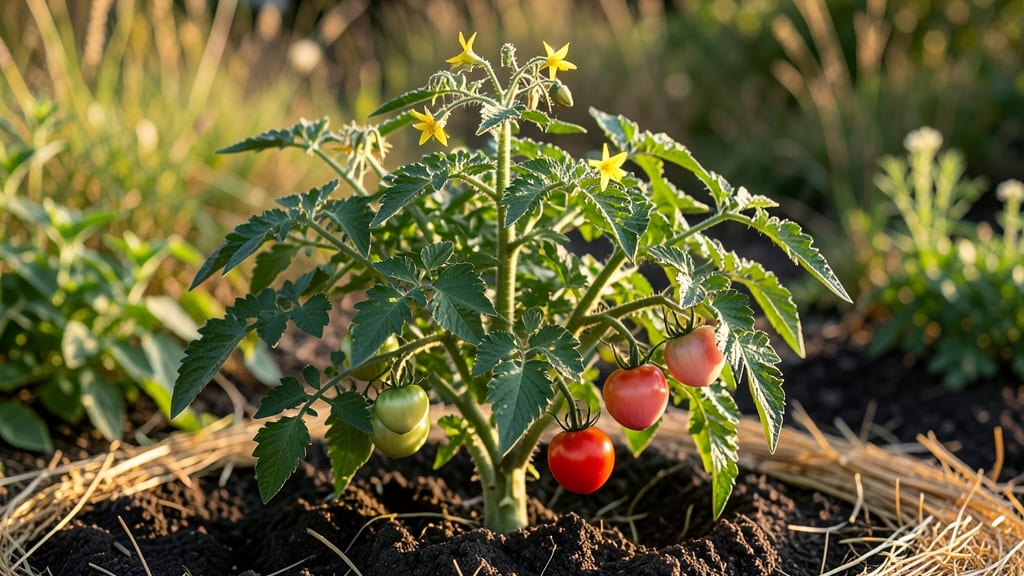
Choosing the right tomato fruit type means the difference between a garden full of juicy bites and a harvest that goes to waste. 🌱 I’ve grown every type—from tiny cherry tomatoes to beefsteak monsters—and each has its own perfect role in the kitchen and garden.
Cherry tomatoes are the crowd-pleasers: sweet, bite-sized, and perfect for snacking or salads. Slicing tomatoes (like ‘Celebrity’ or ‘Better Boy’) are the all-stars for sandwiches and burgers, while paste tomatoes (like ‘San Marzano’) turn into rich, velvety sauces.
Heirlooms? They’re the flavor showstoppers, often with deep, complex tastes but needing more care.
Determinate varieties (like ‘Roma’) grow in compact bushes, great for containers or small spaces, while indeterminate types (like ‘Sungold’) climb and produce all season—ideal for trellises. Your climate and space dictate your choices: heat-lovers like ‘Heatmaster’ thrive in the South, while cool-season ‘Stupice’ handles Northern summers.
Start with one type you’ll actually use—nothing beats the first bite of a homegrown tomato—then experiment. The key? Match the variety to how you’ll eat it, not just what it looks like in the catalog.
📚 In This Guide
- What you need
- Instructions
- Tips and common mistakes
- Wrapping up and next steps
What you need
- ● Tomato Seeds or Seedlings: Juicy varieties like Beefsteak, Cherry, Roma, or Heirloom (choose disease-resistant types if needed).
- ● Quantity: 4–6 seeds (or 2–3 seedlings per plant) for optimal yield.
- ● Growing Containers or Garden Bed: Containers: 5-gallon pots or fabric grow bags (minimum 12" deep) for determinate types; larger (10+ gallons) for indeterminate varieties.
- ● Garden Beds: Well-draining soil with full sun (6–8+ hours/day).
- ● Potting Mix: High-quality, sterile mix (e.g., Miracle-Gro Moisture Control or Fox Farm Ocean Forest). Avoid garden soil—it can harbor diseases!
- ● Fertilizer: Balanced 10-10-10 or organic options like compost or worm castings at planting.
- ● High-phosphorus 5-10-10 fertilizer (e.g., Espoma Tomato-Tone) when flowers appear.
- ● Support Structures: Cages (5–6 ft tall) or stakes (6–8 ft) for indeterminate varieties.
- ● Trellis or tomato clips for vining types (e.g., Brandywine).
- ● Tools: Pruning shears (sterilized with rubbing alcohol).
- ● Gloves (to protect from thorns and soil-borne pathogens).
- ● Watering can or drip irrigation system (with timer for consistency).
- ● Mulch: Straw or shredded leaves to retain moisture and suppress weeds.
- ● Row Covers: Lightweight fabric to protect seedlings from pests or frost.
- ● pH Test Kit: Ideal soil pH for tomatoes: 6.0–6.8.
- ● Epsom Salt: Magnesium boost (1 tbsp per plant every 2 weeks) for greener leaves and sweeter fruit.
- ● Companion Plants: Basil, marigolds, or onions to deter pests naturally.
Step-by-step guide to selecting and growing juicy tomato varieties
Here's how I choose and cultivate tomatoes that burst with flavor, not just size.
🌱 Step 1: Choose Juicy Varieties for Your Climate
Juiciness depends on the variety—look for types labeled "juicy," "sweet," or "meaty." Heirloom varieties like 'Brandywine' or 'Cherokee Purple' deliver rich, watery flesh, while modern slicers like 'Sweet 100' focus on burst-worthy juiciness. Check your USDA hardiness zone and select varieties bred for your region.
I always cross-reference seed packets with my local frost dates. If you're in Zone 8 or warmer, opt for heat-tolerant juicy types like 'Solar Fire'; cooler zones (Zones 4-7) thrive with early-maturing 'Early Girl' or 'Stupice.' The key is matching the tomato's natural juiciness to your growing season's length.
☀️ Step 2: Optimize Growing Conditions for Juiciness
Juicy tomatoes need full sun (8+ hours daily) and consistent moisture. Plant in well-draining soil with a pH between 6.0 and 6.8—acidic soil enhances flavor compounds. I amend my beds with composted manure before planting to boost organic matter, which improves water retention and nutrient availability.
Mulch heavily with straw or wood chips to keep roots cool and moisture levels stable. Fluctuating soil moisture dilutes juiciness, so aim for 1-1.5 inches of water weekly, adjusting for rain. You'll know you're on track when leaves stay deep green and stems feel firm—not brittle or wilted.
💧 Step 3: Water and Fertilize for Peak Juiciness
Deep, infrequent watering prevents blossom-end rot and concentrates sugars in the fruit. Water at the base early in the morning to reduce evaporation and fungal risks. Avoid wetting leaves—this invites diseases like early blight, which can turn fruit mealy and less juicy.
Fertilize with a balanced organic fertilizer (5-5-5 or 3-4-6 ratio) at planting, then switch to a low-nitrogen, high-phosphorus formula (0-10-10) when flowers appear. Too much nitrogen promotes leafy growth at the expense of fruit sweetness. You'll see juicier results when tomatoes develop a glossy sheen and burst with flavor when sliced.
✂️ Step 4: Prune and Support for Juicy Fruit Development
Prune suckers (the shoots that grow in the leaf axils) to redirect energy into fruit production. For indeterminate varieties, leave 1-2 main stems and prune leaves below the first flower cluster to improve airflow and sunlight penetration. Determinate varieties need minimal pruning—just remove diseased or yellowing leaves.
Use sturdy cages or stakes to support plants vertically. This prevents fruit from touching the soil (which causes rot) and ensures even ripening. You'll notice juicier tomatoes when they hang freely and develop a deep, even color. Harvest when fully colored but still slightly firm—overripe tomatoes lose juiciness and become mealy.
🍅 Step 5: Harvest and Store for Maximum Juiciness
Pick tomatoes in the morning when they're cool and firm. Use a sharp knife or pruners to avoid damaging the stem. Store unripe tomatoes at room temperature—never in the fridge, as cold temperatures destroy flavor compounds. Once ripe, refrigerate for up to 5 days to preserve juiciness.
For the juiciest experience, slice and eat within 24 hours of harvesting. The burst of flavor fades quickly after picking. If you notice tomatoes tasting bland or mealy, check your watering consistency—juiciness fades when plants experience drought stress or overwatering.
Tips & tricks for perfect juicy tomato cultivation
Between us, growing tomatoes that truly burst with juiciness isn't just about luck—it's about understanding what these plants need at every stage. Here's what I've learned after years of trial and error in my own garden.
Variety Selection Matters: Don't just grab any seeds from the store—look for varieties specifically bred for juiciness like 'Solar Fire' or 'Brandywine'. These heirlooms have been cultivated for generations to deliver that signature watery flesh we all crave. I've noticed that even within "juicy" varieties, some years produce more flavorful results than others, so I always cross-reference with my local climate data. The difference between a mealy tomato and one that practically drips juice often comes down to choosing the right genetic foundation.
Soil pH is Your Secret Weapon: That 6.0-6.8 pH range mentioned in the instructions isn't arbitrary—it's where tomatoes thrive by absorbing the maximum amount of flavor-enhancing compounds. I test my soil annually and amend with sulfur if it's too alkaline, or composted manure if it's too acidic. The right pH helps prevent blossom-end rot while maximizing that juicy sweetness. Think of it as the difference between a flat soda and one that actually fizzes—proper pH unlocks the tomato's full potential.
Watering Technique Makes All the Difference: The 1-1.5 inches weekly guideline is perfect, but timing matters just as much. I've found that watering at the base in the morning—when evaporation is lowest—prevents fungal diseases while maintaining consistent moisture levels. The key is to water deeply enough that it reaches the roots without creating soggy conditions. You'll know you're doing it right when your plants develop that glossy sheen and the stems feel firm to the touch. This consistency is what prevents that dreaded mealy texture we've all experienced.
Harvest Timing is Critical: That 24-hour window after harvesting is non-negotiable if you want peak juiciness. I've learned this the hard way—waiting too long in the fridge destroys those delicate flavor compounds. For maximum burst, I harvest in the morning when tomatoes are coolest and firmest, then slice and serve immediately. The flavor compounds degrade rapidly after picking, so timing your harvest with meal prep can make all the difference between a disappointing slice and a truly juicy experience.
Pro Tips for Tomato Fruit Type
- Between us, growing tomatoes that truly burst with juiciness isn't just about luck—it's about understanding what these plants need at every stage.
- Variety Selection Matters: Don't just grab any seeds from the store—look for varieties specifically bred for juiciness like 'Solar Fire' or 'Brandywine'.
- Soil pH is Your Secret Weapon: That 6.0-6.8 pH range mentioned in the instructions isn't arbitrary—it's where tomatoes thrive by absorbing the maximum amount of flavor-enhancing compounds.
Frequently asked questions
Got questions about tomato fruit types?
You’re not alone! Whether you're a first-time gardener or a seasoned grower, these answers will help you pick the perfect tomato variety for your needs—from flavor to yield.
What’s the difference between determinate and indeterminate tomato types?
Determinate tomatoes grow to a fixed size (like bushes) and produce fruit all at once—great for canning or sauces. Indeterminate types keep growing, yielding fruit over months (ideal for fresh eating or slicing). Choose based on your harvest goals!
How long does it take for tomato fruit to ripen after flowering?
Most tomato varieties take 70–85 days from transplant to ripe fruit, but ripening after flowering depends on the type. Cherry tomatoes ripen in 50–60 days, while heirlooms may take 85–100+ days. Warmth and sunlight speed things up!
Can I grow tomato fruit indoors, or do I need a garden?
Yes! With a sunny windowsill, grow lights, or a greenhouse, you can grow compact determinate varieties (like ‘Tiny Tim’ or ‘Patio Princess’) indoors. Just ensure 6–8 hours of light daily and pollinate by gently shaking plants or using a small brush.
Why aren’t my tomato fruits ripening on the vine?
Common culprits: cool temps (below 55°F), lack of sunlight, or overwatering. Try harvesting green tomatoes and ripening them indoors with a banana (ethylene gas speeds ripening!). If blight is the issue, remove infected fruit immediately.
What’s the best tomato fruit type for sauces vs. slicing?
| Use | Best Varieties | Why? |
|---|---|---|
| Sauces | San Marzano, Roma, Amish Paste | Low moisture, thick flesh, and sweet-tangy flavor. |
| Slicing | Beefsteak, Brandywine, Celebrity | Large, meaty slices with balanced sweetness. |
| Snacking | Sungold, Sweet 100, Cherry Tomatoes | Explosive sweetness and bite-sized convenience. |
Pro tip: Try growing a mix—sauce tomatoes early in the season, slicers mid-season, and snackers all summer!
Wrapping up and next steps
Choosing the right tomato fruit type can transform your garden into a juicy, flavorful paradise! Whether you prefer heirlooms, cherry tomatoes, or beefsteaks, each variety offers unique rewards—from vibrant colors to burst-of-flavor flesh.
With the right soil, sunlight, and care, you’ll be harvesting homegrown tomatoes that rival (or even surpass!) store-bought options.
Ready to dive in? Start small—pick one variety to grow this season, gather your supplies, and enjoy the journey from seed to slice! 🌱🍅 Your next tomato feast begins with a single seed.