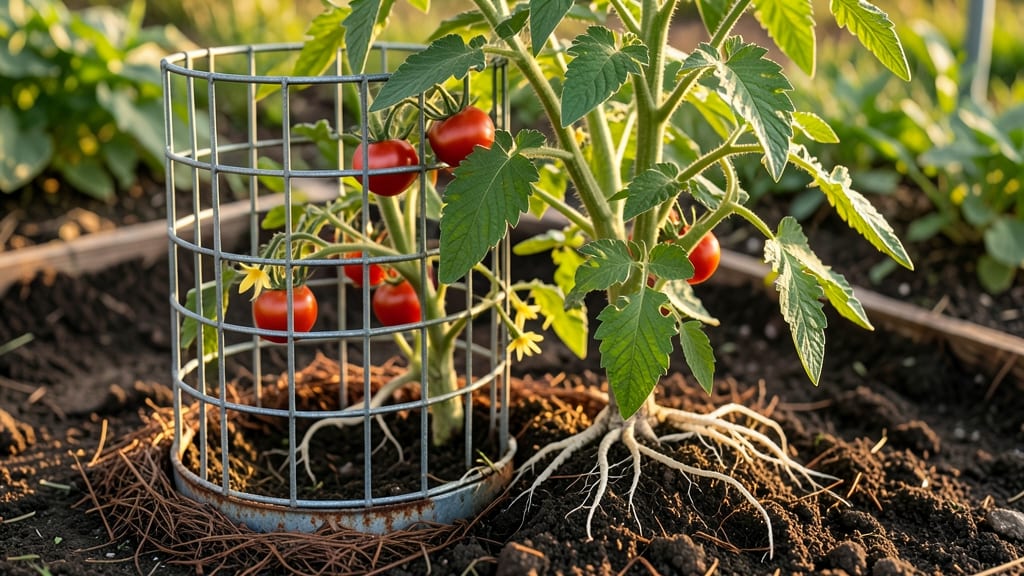
Buying guide: how to choose the right tomato cage planter
1. Material Durability 💡
Galvanized steel and reinforced plastic are the two top contenders, each with distinct advantages. Galvanized steel cages are the heavyweights—resistant to rust, wind, and heavy fruit loads, making them ideal for indeterminate varieties like heirloom tomatoes. However, they’re heavier and pricier. On the other hand, reinforced plastic cages offer a budget-friendly alternative that’s lightweight yet surprisingly durable, especially in windy conditions. Counter-intuitively, plastic cages often outlast basic wire options in harsh climates, but they may fade over time. If you’re growing in a high-wind area or expect heavy yields, steel is the safer bet. For smaller plots or lighter varieties, plastic strikes a great balance.
2. Height and Base Stability ⚡
Not all cages are created equal when it comes to height and stability. A 5- to 6-foot cage works well for most determinate varieties, while indeterminate tomatoes (like vining heirlooms) need 7-foot or taller cages to thrive.
Look for cages with a wide, sturdy base—this prevents tipping in windy conditions. I recommend avoiding cages with narrow bases, as they’re prone to toppling under heavy fruit loads. For container gardening, prioritize cages with a wider diameter to provide better support.
If you’re growing in a small space, collapsible cages save storage space but may sacrifice a bit of stability.
3. Weight Capacity for Heavy Fruit Loads ✅
One of the biggest mistakes gardeners make is underestimating how much weight their tomato cages need to support.
A fully laden tomato plant can weigh 15–25 pounds, depending on the variety. Galvanized steel cages typically handle 20+ pounds without issue, while plastic cages often max out at 15 pounds.
If you’re growing beefsteak or paste tomatoes, invest in a heavy-duty cage—flimsy wire cages will bend or snap under the weight. For cherry tomatoes or smaller varieties, a basic cage suffices.
Pro tip: Stake your cage at a slight angle in windy areas to distribute weight more evenly and prevent toppling.
4. Storage and Portability Features 🔍
After the growing season, storage becomes a key consideration. Fold-flat or collapsible cages are game-changers for small gardens or urban spaces, as they save valuable storage room. Galvanized steel cages often come with fold-flat designs, while plastic cages are usually rigid but lightweight.
If you’re short on space, prioritize collapsible models, even if it means sacrificing a tiny bit of stability. For long-term use, consider rust-proof coatings on steel cages to extend their lifespan.
If you move your cages frequently (e.g., between containers or raised beds), opt for lightweight plastic or aluminum options—they’re easier to transport without compromising durability.
Frequently asked questions
Q: What size tomato cage planter should I choose for my garden?
A 5- to 6-foot cage works well for most determinate tomato varieties (like Roma or cherry tomatoes), while indeterminate varieties (such as heirloom or beefsteak tomatoes) need 7-foot or taller cages to support their vining growth. If you're growing in containers or small spaces, opt for a 4- to 5-foot cage with a wide base for stability. Always match the cage height to your tomato variety’s mature size to avoid overcrowding or flopping.
Q: Can I use a tomato cage planter in windy conditions?
Yes, but reinforced materials and a wide base are key. Galvanized steel cages or wind-resistant plastic cages handle gusts best, while flimsy wire cages may bend or topple. For extra security, stake the cage at a slight angle or use additional supports like bamboo stakes. If you’re in a high-wind area, prioritize cages with a wide, sturdy base and thicker gauge wire (16-18 gauge) for better stability.
Q: How do I properly install a tomato cage planter?
Start by burying the base of the cage 6–8 inches deep into the soil to prevent tipping. For container gardening, secure the cage with stakes or ties to the pot. Place the cage right after transplanting (not later) to avoid disturbing roots. If using a fold-flat cage, unfold it fully and stake it at a 10–15° angle for better wind resistance. Avoid overcrowding—leave 18–24 inches of space between cages for airflow and sunlight.
Q: What’s the difference between a tomato cage and a tomato trellis?
Q: What’s the difference between a tomato cage and a tomato trellis?
A tomato cage is a self-supporting structure (usually cylindrical or rectangular) that encases the plant, while a trellis is a flat or angled frame that requires additional staking or tying. Cages are easier to install and work well for determinate tomatoes, but trellises are better for indeterminate varieties that need vertical guidance. Trellises also allow for better airflow, reducing disease risk, but require more maintenance (tying vines regularly). Choose a cage for simplicity and a trellis for vertical gardening efficiency.
Q: How long do tomato cage planters last?
1
Galvanized steel cages
with rust-proof coatings can last 5–10 years with proper care, while reinforced plastic cages typically last 3–5 years before fading or weakening. Basic wire cages may only last 1–2 seasons if exposed to harsh weather. To extend lifespan, store cages in a dry place after use, avoid leaving them in direct sunlight or moisture, and clean them at the end of the season. Investing in a high-quality cage upfront saves money long-term.
Q: Are there alternatives to traditional tomato cages?
For budget-friendly options, try DIY cages made from chicken wire or PVC pipes, or use bamboo stakes for support. For vertical gardening, tomato towers or A-frame trellises work well. If you’re short on space, container-specific cages or stackable planters with built-in supports are great. For heavy yields, consider wooden or metal frames for extra stability. Each alternative has trade-offs—cages offer convenience, while trellises provide better airflow but require more maintenance.
Q: Can I reuse tomato cages year after year?
Yes! Cleaning and storing your cages properly ensures long-term reuse. After harvest, remove all plant debris, scrub with soapy water, and rinse thoroughly to prevent pests or disease. Store in a dry, shaded area (like a garage or shed) to avoid rust or warping. Galvanized steel cages benefit from a light coat of oil to prevent corrosion. With care, a quality cage can last multiple seasons, making it a cost-effective investment for any garden.