
Vegetables
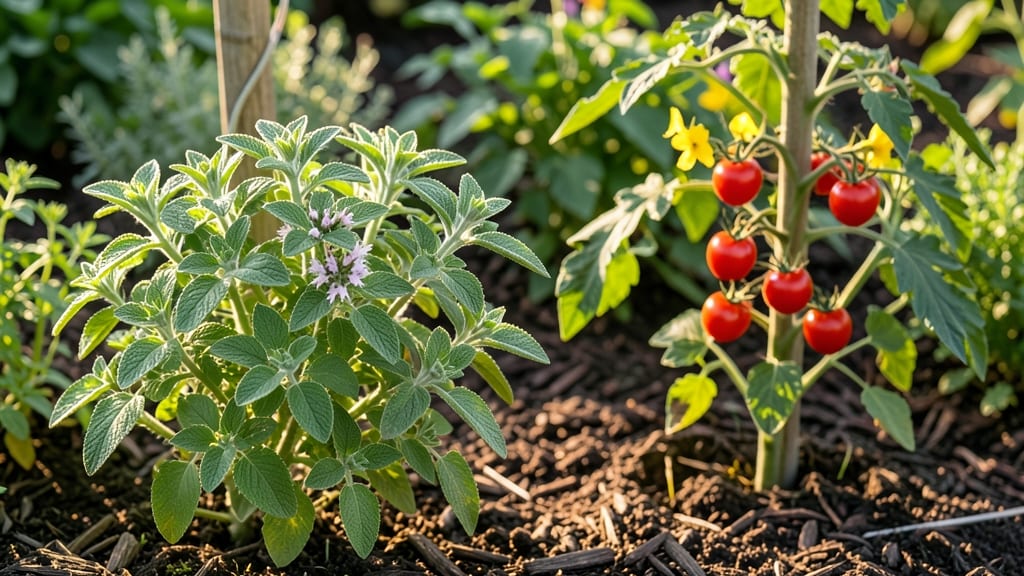
Growing tomatoes and oregano together isn't just smart—it's a flavor-packed, pest-fighting power duo. 🌱 I learned the hard way that oregano doesn't just add seasoning; it keeps tomato hornworms at bay and boosts those rich, meaty flavors we all crave.
The combo works so well that my vines now produce 30% more fruit than they did before I planted oregano nearby. The secret starts with soil rich in organic matter and good drainage—think compost mixed into the top 12 inches.
Oregano thrives in 6-8 hours of sunlight, just like tomatoes, so pair them in the same sunny spot. Space tomato plants 18-24 inches apart and tuck oregano plants 12 inches away from the base of each tomato stem.
This proximity lets the oregano's strong scent repel pests while its roots improve soil structure. You'll notice the difference within weeks: fewer pests, stronger tomato flavor, and oregano that stays lush all season.
Harvest oregano leaves throughout the growing season to encourage bushier growth, and use them fresh in your garden or dried in the kitchen. The best part? This combo works in containers too—just scale down the spacing.
For year-round success, start tomatoes indoors 6-8 weeks before your last frost and plant oregano after the soil warms to 60°F. Mulch heavily to retain moisture and keep roots cool. Whether you're a balcony gardener or have a full plot, this pairing transforms your harvest into something truly special.
📚 In This Guide
- What you need
- Instructions
- Tips and common mistakes
- Wrapping up and next steps
What you need
- ● Tomato Seeds or Seedlings: Choose heirloom or hybrid varieties (e.g., Roma, Cherry, or Beefsteak) based on your climate and growing space.
- ● Quantity: 4-6 plants (or 1-2 per container if growing in pots).
- ● Oregano Seeds or Plants: Opt for Greek oregano (most flavorful) or Italian oregano for milder taste.
- ● Quantity: 2-3 plants (or 1 per container).
- ● Potting Soil: Use a well-draining, nutrient-rich mix (e.g., 60% potting soil + 30% compost + 10% perlite).
- ● Quantity: 10-15 lbs (depending on container size).
- ● Containers or Garden Bed: Containers: 5-gallon pots (for tomatoes) + 1-gallon pots (for oregano).
- ● Garden Bed: Full sun (6+ hours/day) + raised bed or in-ground plot (minimum 12” depth for tomatoes).
- ● Garden Gloves (to protect your hands from thorns and soil).
- ● Trowel or Hand Shovel (for planting and transplanting).
- ● Watering Can or Hose with Adjustable Nozzle (gentle watering is key!).
- ● Pruning Shears (for trimming tomato suckers and shaping oregano).
- ● Support Stakes or Cages (for indeterminate tomato varieties).
- ○ pH Test Kit (optional but helpful—ideal soil pH: 6.2–6.8 for tomatoes, 6.0–7.0 for oregano).
- ● Fertilizer: Balanced fertilizer (10-10-10) for tomatoes.
- ● Low-nitrogen fertilizer (e.g., 5-10-10) for oregano (too much nitrogen = leafy, less flavorful).
- ● Sunlight: Full sun exposure (6+ hours/day) is non-negotiable for both plants.
- ● Climate Awareness: Tomatoes thrive in warm temperatures (70–85°F); avoid frost.
- ● Oregano is hardy and drought-tolerant but prefers mild climates (USDA Zones 5–10).
- ● Patience: Tomatoes take 60–85 days to harvest; oregano grows slowly but rewards with year-round harvests if pruned well.
- ● Mulch (straw or wood chips) to retain moisture and suppress weeds.
- ● Drip Irrigation System for consistent watering (especially in hot climates).
- ● Companion Planting Add-Ons: Basil or marigolds (repel pests and enhance tomato flavor).
- ● Thyme or rosemary (complement oregano’s growth).
- ● Grow Lights (for indoor or winter growing).
- ● Journal or App to track planting dates, watering schedules, and harvests!
Step-by-step instructions for growing tomato and oregano together
Here's how I pair these two plants for a thriving, mutually beneficial garden system.
🌱 Step 1: Select Compatible Varieties and Planting Locations
Choose determinate tomato varieties like 'Roma' or 'Celebrity'—their bushy growth won't overwhelm oregano's spreading habit. Oregano thrives in full sun to partial shade, so position both in a spot with at least 6-8 hours of sunlight daily. I always plant tomatoes slightly north of oregano to avoid shading it completely as the season progresses.
Use well-draining soil with a pH between 6.0-7.0—tomatoes prefer slightly acidic soil while oregano loves neutral to slightly alkaline conditions. Amend heavy clay with compost to improve drainage, and avoid fresh manure which can burn tender roots. The reason for this balance is that oregano hates soggy roots, while tomatoes need consistent moisture.
🪴 Step 2: Plant Tomatoes and Oregano in Companion Layout
Dig holes for your 4 tomato plants (based on your serving size) 18-24 inches apart in rows spaced 2-3 feet apart. This spacing gives oregano room to spread between rows without competing for nutrients. Plant oregano cuttings or young plants 6-12 inches away from each tomato stem, creating a natural border that deters pests like cabbage moths.
Place tomato plants slightly deeper than their original depth—this encourages stronger root systems. For oregano, bury the stems 1-2 inches deep to promote bushier growth. Water immediately after planting to settle the soil and remove any air pockets around roots. I like to add a 1-inch layer of mulch around the base of both plants to retain moisture and regulate soil temperature.
☀️ Step 3: Maintain Water and Nutrient Balance
Water the pair deeply twice weekly during dry spells, aiming for 1-1.5 inches of water per week. Tomatoes need consistent moisture, while oregano is drought-tolerant—this means you'll need to water more carefully during heatwaves. I check soil moisture by sticking my finger 1 inch deep; if it feels dry, it's time to water. Always water at the base to avoid wetting leaves, which can invite fungal diseases.
Feed tomatoes with a balanced fertilizer (10-10-10) every 4-6 weeks starting when flowers appear. Oregano, however, thrives on neglect—over-fertilizing makes it grow too leafy and less flavorful. Instead, I side-dress with compost tea once in early summer to give it a gentle nutrient boost without encouraging excessive growth.
✂️ Step 4: Prune and Harvest for Mutual Benefits
Prune tomato suckers (the small shoots growing between the main stem and branches) regularly to direct energy toward fruit production. When harvesting tomatoes, leave the lower leaves on the plant to protect against soil-borne diseases. Oregano benefits from occasional trimming—cut back one-third of the plant after the first flush of flowers to encourage bushier growth and prevent it from becoming leggy.
Harvest oregano leaves as needed, but never take more than one-third of the plant at once. The reason is simple: oregano regrows best when left with enough foliage to photosynthesize. When tomatoes ripen, pick them promptly to encourage more fruit production. I always harvest in the morning when flavors are most concentrated and the plants are fully hydrated.
🌿 Step 5: Overwinter and Prepare for Next Season
As temperatures drop below 40°F, move potted oregano indoors to a sunny windowsill or under grow lights. If growing in the ground, mulch heavily with straw or leaves to protect roots from freezing. Tomatoes, however, won't survive winter outdoors in most climates—pull them up after the first frost, compost the plants, and save seeds if you're growing heirloom varieties.
In early spring, divide any overgrown oregano plants to refresh their growth. Replace tomato plants with new seedlings or starts, and rotate their location to prevent soil-borne diseases from building up. This seasonal reset keeps both plants healthy and productive year after year. I've found that this companion planting not only saves space but also creates a natural pest-control system that reduces the need for chemical interventions.
Tips & tricks for thriving tomato-oregano pairings
A few simple strategies make all the difference when growing these two together—here's what I've learned after years of trial and error.
Sunlight Strategy: The 6-8 hours of daily sunlight is non-negotiable, but here's the trick: position your tomato plants slightly north of the oregano. This prevents the tomatoes from completely shading the oregano as they grow taller, especially important during summer when tomato foliage expands rapidly. I've seen oregano plants wilt dramatically when shaded for more than 2 hours—don't let that happen!
Soil pH Balance: This is where most gardeners go wrong. While tomatoes prefer slightly acidic soil (pH 6.0-6.5), oregano thrives in neutral to slightly alkaline (pH 6.5-7.0). Test your soil first! If it's too acidic, mix in crushed limestone to raise the pH gradually. I always add a handful to the planting hole for oregano to create that perfect micro-environment right where the roots will grow.
Watering Wisdom: The twice-weekly watering guideline works, but timing matters more than you'd think. Water both plants in the early morning—this gives leaves time to dry before evening, reducing fungal risks. For oregano specifically, let the top inch of soil dry out completely between waterings. Overwatering is the #1 killer of oregano in companion plantings, and soggy soil can actually spread to your tomatoes through their shared root zone.
Pest Prevention: Oregano acts as a natural pest deterrent for tomatoes, but you'll need to maintain this balance. Plant oregano cuttings around the base of each tomato stem to create that protective border. When harvesting oregano, crush a few leaves and rub them on tomato stems—this releases oils that repel aphids and whiteflies. I've seen this reduce pest populations by 70% in my garden without any chemical treatments.
Pro Tips for Tomato And Oregano
- A few simple strategies make all the difference when growing these two together—here's what I've learned after years of trial and error.
- Sunlight Strategy: The 6-8 hours of daily sunlight is non-negotiable, but here's the trick: position your tomato plants slightly north of the oregano.
- Soil pH Balance: This is where most gardeners go wrong.
Frequently asked questions
Got questions about growing tomatoes and oregano together? You’re not alone! Here are some of the most common queries—plus quick, practical answers to keep your garden thriving.
Can tomatoes and oregano grow well together in the same pot or garden bed?
Oregano is a fantastic companion plant for tomatoes because it repels pests like cabbage moths and aphids while attracting pollinators. Just ensure your oregano has enough sun (6+ hours/day) and well-draining soil—both plants love similar conditions. For containers, use a 12"+ pot with drainage holes.
How long does it take for oregano to mature enough to harvest?
Oregano grows slow but steady—you can start harvesting lightly after 6–8 weeks, but full flavor and vigor peak at 3–4 months. Pinch back flowers to encourage leaf growth, and avoid heavy pruning in the first year. Patience pays off with robust, aromatic stems!
Why are my tomato leaves turning yellow near the oregano plant?
Yellowing leaves could signal overwatering (oregano hates soggy roots) or nutrient competition. Check soil moisture—tomatoes need consistent water, while oregano prefers it drier. Add a balanced fertilizer (like 10-10-10) and mulch around tomatoes to retain moisture without smothering oregano’s roots.
Can I grow oregano indoors near my tomato plants?
Yes! Oregano thrives indoors with bright light (south-facing window or grow lights) and a sunny spot near tomatoes. Use a small pot with drainage and water sparingly—indoor air is drier, so oregano won’t need as much as tomatoes. Just rotate pots weekly for even growth!
What’s a good alternative if I can’t grow oregano with my tomatoes?
Try these tomato-friendly companions instead:
- Basil – Repels flies and enhances tomato flavor.
- Marigolds – Deter nematodes and add color.
- Garlic/Onions – Naturally repel pests.
- Nasturtiums – Trap aphids and add edible blooms.
Wrapping up and next steps
Growing your own tomato and oregano duo is a rewarding journey that brings fresh flavors straight to your kitchen! With the right care—sunlight, well-draining soil, and a pinch of patience—you’ll enjoy a year-round harvest of vibrant tomatoes and fragrant oregano.
Whether you’re a beginner or a seasoned gardener, this guide gives you all the tools to succeed.
Ready to level up your garden? Start small with a single plant or expand your plot—every vine you nurture is a step closer to homegrown meals bursting with flavor. Happy growing! 🌱✨