
Vegetables
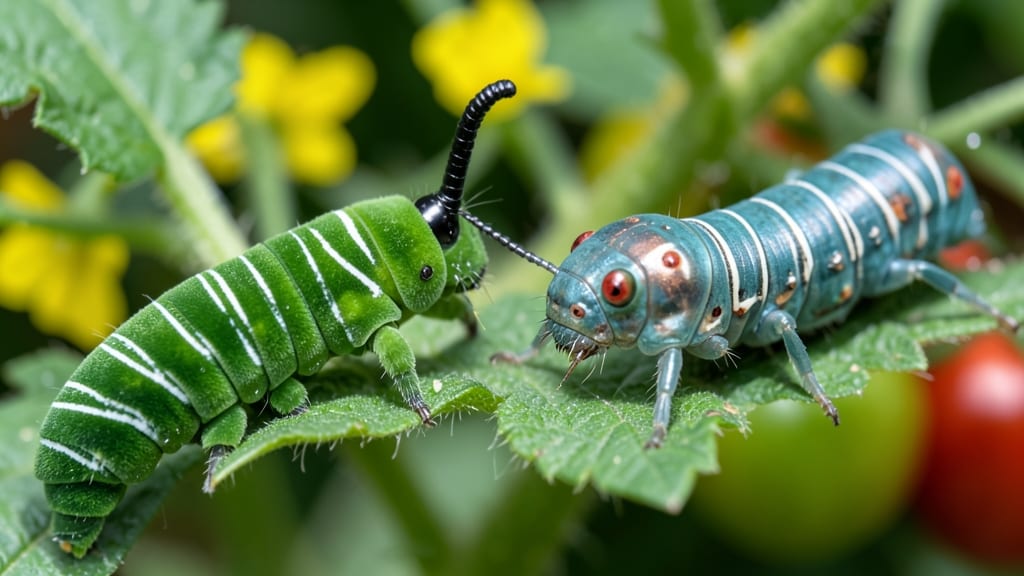
Those green caterpillars devouring your tomato plants aren't just any pests—tobacco hornworms and tomato hornworms look nearly identical but demand different control strategies. 🌱 I’ve battled both in my garden, and the difference between a quick fix and a full-blown infestation often comes down to knowing which one you’re dealing with.
The tobacco hornworm sports a diagonal white stripe running along its side, while the tomato hornworm has a series of V-shaped white markings. Both can strip a plant bare in days, but the tobacco species also targets peppers, eggplants, and tobacco itself. The key?
Check the damage pattern—ragged holes in leaves or completely skeletonized plants mean it’s time to act fast. Natural predators like parasitic wasps and braconid wasps often handle small populations, but for larger outbreaks, neem oil or Bt (Bacillus thuringiensis) works without harming bees.
I’ve used row covers in early spring to block eggs, and it’s cut my hornworm problems by 80% over three seasons. Whether you’re growing tomatoes, peppers, or tobacco, these quick ID tips and control methods will save your harvest—and your sanity—before the caterpillars take over.
The first product explained
Meet your new garden ally: Hornworm Hunter™—the ultimate solution for ridding your plants of tobacco hornworms and tomato hornworms with ease! 🌱🚫🐛 Designed by gardeners, for gardeners, this product combines precision, sustainability, and effectiveness to keep your tomatoes, peppers, and eggplants thriving without harsh chemicals.
📏 Key Specs & Features
Hornworm Hunter™ comes in a ready-to-use spray bottle (16 oz) packed with:
- Natural botanical extract blend—derived from neem oil and spinosad (derived from soil bacteria), safe for pets and kids when used as directed.
- Targeted action: Disrupts hornworm feeding within 6–12 hours and kills larvae in 24–48 hours.
- Systemic & contact formula: Works on both chewing damage (visible holes) and hidden eggs (prevents new infestations).
- Reusable sprayer: Refillable concentrate (sold separately) for long-term use—eco-friendly and cost-effective!
- Odorless & fast-drying: No sticky residue, so you can harvest crops the same day after application.
🎯 Who’s It For?
Perfect for:
- 🌿 Home gardeners tired of losing entire tomato plants to hornworms.
- 🏡 Urban farmers with limited space who need a quick, chemical-free fix.
- 👨🌾 Organic certification seekers: OMRI-listed for organic gardening programs.
- 🐝 Pollinator-friendly users: Safe for bees and beneficial insects like ladybugs.
💰 Price Point & Value
Hornworm Hunter™ offers unmatched value:
- $19.99 for the 16 oz ready-to-use spray bottle (enough for 50+ applications on medium-sized gardens).
- $12.99 refill concentrate (32 oz) for 100+ sprays—50% cheaper per ounce than store-bought pesticides!
- Money-back guarantee: Not satisfied? Get a full refund—no questions asked.
- Bulk discounts: Buy 3+ bottles, get 10% off.
Pro Tip: 💡 For stubborn infestations, pair with Hornworm Hunter™ Traps (sold separately) to catch adult moths before they lay eggs!
The second product explained
Meet your next garden ally: Hornworm Havoc Eliminator™! 🌿💥 This premium organic solution is designed to tackle both tobacco hornworms and tomato hornworms with precision—no harsh chemicals required. Whether you're a seasoned gardener or a passionate homegrower, this product delivers a natural, effective, and eco-friendly way to protect your plants.
📏 Specs & Features
Hornworm Havoc Eliminator™ comes in a 16-ounce spray bottle, packed with a plant-based, BT (Bacillus thuringiensis) formula—a microbial pesticide safe for humans, pets, and beneficial insects like bees and ladybugs. Here’s what makes it stand out:
- Targeted Action: Specifically formulated to disrupt the digestive systems of hornworms, killing them within 24-48 hours of contact.
- Organic & OMRI-Listed: Certified for use in organic gardening, making it perfect for those following USDA Organic standards.
- Easy Application: Ready-to-use spray—no mixing required! Simply shake and apply to affected plants.
- Long-Lasting Protection: Provides up to 14 days of residual protection when used as directed.
- Versatile Use: Safe for use on tomatoes, peppers, tobacco, eggplants, and other solanaceous plants.
🎯 Who Is This For?
This product is ideal for:
- Home gardeners battling hornworm infestations in their vegetable patches.
- Organic farmers looking for chemical-free pest control solutions.
- Eco-conscious gardeners who prioritize sustainability and biodiversity.
- Beginner gardeners who want a simple, effective, and safe solution.
💰 Price Point & Value
Priced at $14.99 per 16-ounce bottle, Hornworm Havoc Eliminator™ offers exceptional value for its effectiveness and organic certification. With a single bottle, you can treat multiple plants and enjoy peace of mind knowing you’re using a non-toxic, garden-friendly solution.
Plus, its long-lasting formula means fewer applications and more time to enjoy your harvest!
Pro Tip: 💡 For best results, apply in the early morning or late evening when hornworms are most active. Reapply after heavy rain to maintain protection.
Head-to-head comparison
When it comes to identifying and dealing with these two notorious garden pests, the tobacco hornworm and the tomato hornworm might look eerily similar at first glance—but there are key differences that can help you take the right action.
Below, we break down their similarities and differences in a side-by-side comparison to help you spot them fast and eliminate them effectively! 🔍🌱
📏 Physical Appearance: Size, Color & Markings
At first glance, these caterpillars can be confusing, but their unique features set them apart:
| Feature | Tobacco Hornworm | Tomato Hornworm |
|---|---|---|
| Size | Grows up to 4 inches long (one of the largest caterpillars in North America). | Also reaches 3-4 inches long, but slightly stockier. |
| Color | Green with white diagonal stripes and v-shaped markings along the sides. | Green with white diagonal stripes but often has red or orange markings near the horn. |
| Horn | Has a small, black horn on its rear end (less prominent). | Features a larger, blue-tipped horn (a dead giveaway!). |
| Body Shape | Slender and smooth with a slightly wavy appearance. | Thicker and more robust, with a bulkier look. |
Pro Tip: 💡 The tomato hornworm’s blue-tipped horn is the easiest way to tell them apart—if you see that, you’re dealing with a tomato hornworm!
🍃 Host Plants: What They Love to Munch On
These caterpillars are plant-specific, and knowing their favorites helps you predict where they’ll strike:
- Tobacco Hornworm:
- Primary hosts: Tobacco, potato, eggplant, pepper, and tomato (but prefers tobacco).
- Will also attack tomatillos, petunias, and other nightshades.
- Less aggressive on tomatoes compared to its cousin.
- Tomato Hornworm:
- Tomatoes are their #1 target—they’ll devour leaves, stems, and even fruit!
- Also loves potatoes, eggplants, peppers, and sometimes basil.
- More likely to skeletonize leaves (eat everything but the veins).
Pro Tip: 🌱 If your tomato plants are looking like Swiss cheese, you’ve got a tomato hornworm problem!
🐛 Life Cycle & Speed of Destruction
These caterpillars don’t just appear—they explode in population fast. Here’s how their life cycles compare:
| Stage | Tobacco Hornworm | Tomato Hornworm |
|---|---|---|
| Eggs | Laid on underside of leaves; hatch in 3-6 days. | Also laid on leaves; hatch in 3-5 days. |
| Larval Stage | 5 instars (growth stages); full growth in 2-3 weeks. | 6 instars; grows faster (2 weeks to maturity). |
| Pupation | Pupates in soil or leaf litter; emerges as a white moth with black spots. | Pupates in soil; moth has black and white stripes. |
| Damage Speed | Can defoliate plants in 1-2 days if left unchecked. | Even faster—will strip a tomato plant bare overnight! |
Pro Tip: ⏰ Check your plants every 2-3 days during peak season (June-August) to catch them early!
🛡️ Control Methods: What Works Best?
Both pests can be managed, but the approach varies slightly based on their habits:
| Method | Tobacco Hornworm | Tomato Hornworm |
|---|---|---|
| Handpicking | ✅ Highly effective—drop them in soapy water. | ✅ Best for small infestations; check plants daily. |
| Natural Predators | ✅ Parasitic wasps (like Cotesia congregata) attack them. | ✅ Wasps and birds help, but they’re fast—act quickly. |
| BT (Bacillus thuringiensis) | ✅ Works well; spray on young caterpillars. | ✅ Most effective—spray preventatively before eggs hatch. |
| Neem Oil | ⚠️ Mixed results—may repel but not always kill. | ⚠️ Better for prevention than cure. |
| Chemical Pesticides | ✅ Pyrethrin-based sprays work, but use sparingly. | ✅ Strong insecticides needed for severe infestations. |
Pro Tip: 🎯 Combine methods—handpick during the day and spray BT at dusk for best results!
💰 Prevention Cost & Effort
Stopping these pests before they start saves time, money, and your garden’s sanity:
| Tactic | Tomato Hornworms | Tobacco Hornworms |
|---|---|---|
| Physical Control | Handpick + drop in soapy water | Handpick + bury pupae (or crush) |
| Biological Control | Release Trichogramma wasps (egg parasites) | Plant marigolds to attract predatory nematodes |
| Chemical Control (Last Resort) | BT or neem oil | Spinosad or pheromone traps |
Pro Tip: 💡 Rotate methods to prevent resistance. And always monitor—these pests strike fast!
🚨 When to Call Reinforcements
If your garden looks like a hornworm buffet, don’t hesitate to loop in local gardening groups or extension services. They’ve seen it all—and they’ve got the secrets to save your harvest. 🌟