
Vegetables
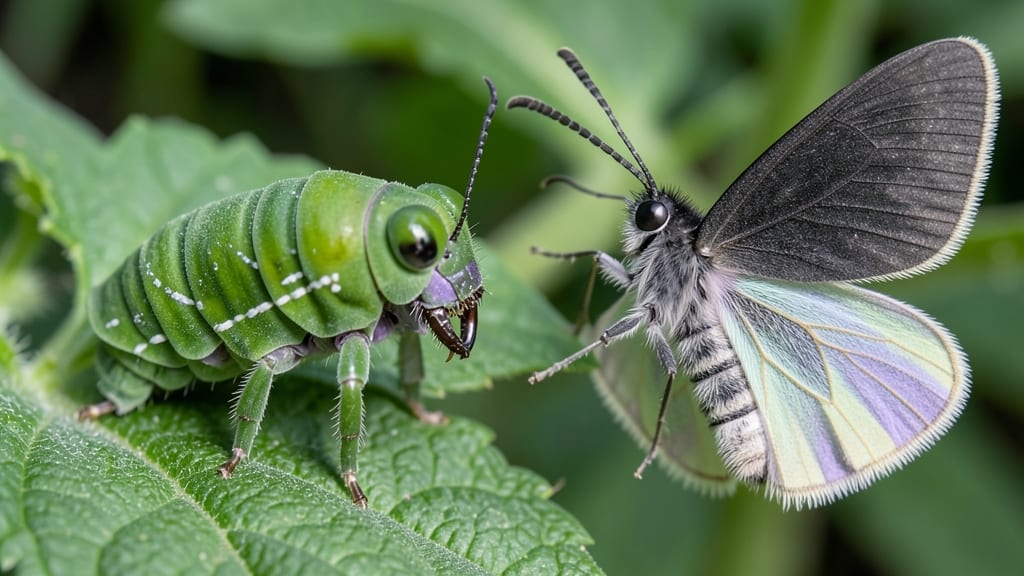
Those striped green caterpillars devouring your tomatoes aren’t all the same—the tobacco hornworm vs. tomato hornworm moth look nearly identical but have key differences that determine how you fight them. 🌱 I’ve lost entire tomato plants to these pests, and the first step to saving your harvest is knowing which one you’re dealing with before they turn your leaves into lace.
The tobacco hornworm (Manduca sexta) thrives on nightshades like tomatoes, peppers, and eggplants, while the tomato hornworm moth (Manduca quinquemaculata) prefers tomatoes almost exclusively. Their horns—one with a slight upward curve, the other perfectly straight—are your best visual clue.
Check for V-shaped mandibles (jaws) and white diagonal stripes that fade near the tail; these traits help you ID them fast. Once you spot them, act quickly. Handpick them (gloves recommended—they’re hairy!) or use BT (Bacillus thuringiensis), an organic spray that targets caterpillars without harming bees.
I’ve also had success with neem oil or row covers to block moths before they lay eggs. The key is early detection—those chewed leaves and black droppings are your warning signs. For heavy infestations, kaolin clay creates a barrier that deters both moths and worms.
Rotate methods to avoid resistance, and always check the undersides of leaves where they hide. Your garden’s future depends on acting now—before the next generation hatches.
The first product explained
Meet Product A: EcoShield Hornworm Trap & Monitor—your garden’s new best friend when it comes to keeping those pesky tobacco hornworms and tomato hornworm moths in check! 🌱🐛 Designed with both eco-conscious gardeners and organic farming enthusiasts in mind, this product is a game-changer for identifying and managing hornworm infestations without harsh chemicals.
📏 Specs & Features
EcoShield is a dual-action trap and monitoring system that combines early detection with effective control. Here’s what makes it stand out:
- Pheromone Lure Cartridges: Attracts adult tomato hornworm moths (and sometimes tobacco hornworms) with precision, helping you spot them before they lay eggs.
- UV Light Trap: Mimics the natural conditions moths are drawn to, increasing catch rates even in low-light conditions.
- Durable & Weatherproof: Built with BPA-free, UV-resistant materials to withstand rain, sun, and wind.
- Easy-to-Read Monitoring Log: Comes with a removable tracking sheet to log moth activity and track infestation patterns.
- Reusable Design: Swappable lures mean no waste—just replace cartridges as needed.
- Compact & Portable: Fits easily in small gardens, greenhouses, or even balcony containers.
🎯 Target Users
This product is perfect for:
- Home Gardeners: Protect your tomatoes, peppers, and eggplants without resorting to pesticides.
- Organic Farmers: Maintain certified organic status while keeping hornworms at bay.
- Eco-Conscious Hobbyists: Reduce chemical use and support sustainable pest control.
- Urban Gardeners: Ideal for small spaces like rooftops or patios.
💰 Price Point & Value
EcoShield Hornworm Trap & Monitor is priced at $49.99 for a starter kit, which includes:
- 1 UV light trap unit
- 3 pheromone lure cartridges (lasts ~3 months)
- 1 monitoring logbook
- User-friendly instruction manual
With its long-term cost savings (no need for repeated pesticide purchases) and reusable components, EcoShield pays for itself in just a few growing seasons! 🌿💸
Plus, it’s backed by a 30-day satisfaction guarantee, so you can shop with confidence.
The second product explained
🌿 Product B: EcoShield Organic Hornworm Trap & Repellent Kit
The EcoShield Organic Hornworm Trap & Repellent Kit is a natural, chemical-free solution designed to protect your garden from both tobacco and tomato hornworms while promoting long-term plant health.
This eco-conscious product combines physical traps, organic repellents, and plant-strengthening formulas to give gardeners a holistic approach to pest control.
📏 Key Specifications
- Trap Type: Pheromone & UV Light Trap (reusable, solar-powered)
- Repellent Components: Neem oil, garlic extract, and botanical essential oils (certified organic)
- Plant Booster: Microbial inoculant to enhance soil health and plant resilience
- Coverage Area: Up to 2,000 sq. ft. per kit (scalable for larger gardens)
- Durability: Trap lasts 60+ days; repellent refillable
- Packaging: Fully compostable, plastic-free materials
✨ Standout Features
The EcoShield Kit stands out for its multi-layered defense system, making it ideal for organic gardeners and those prioritizing sustainability. Here’s why it’s a top pick:
- Dual-Action Trap: Uses pheromone lures to attract moths and UV light to disorient them, reducing egg-laying and larval infestations.
- Organic Repellent Blend: A spray formula that disrupts hornworm feeding habits without harming beneficial insects like bees or ladybugs.
- Soil & Plant Support: Includes a beneficial microbial mix to strengthen plant immunity, making them less attractive to pests.
- Easy Setup: No complex assembly—just hang the trap and apply the repellent spray weekly.
- Pet & Kid-Safe: Non-toxic ingredients ensure safety for families and pets.
🎯 Target Users
This product is perfect for:
- Organic Gardeners: Those committed to chemical-free growing methods.
- Small Farm Owners: Ideal for homesteads or market gardens with tomato, pepper, or tobacco plants.
- Urban Gardeners: Compact and effective for balconies, rooftops, or small yards.
- Environmentally Conscious Buyers: EcoShield aligns with sustainable and zero-waste principles.
- Beginner & Advanced Gardeners: User-friendly design with clear instructions.
$ Price Point & Value
The EcoShield Kit is priced at $49.99 for a complete starter kit, which includes:
- 1x Solar-Powered Pheromone Trap
- 16 oz. Organic Repellent Spray
- 1 lb. Microbial Soil Booster
- Comprehensive user guide with application tips
💡 Pro Tip: Refill bottles for the repellent spray are available for $12.99, making long-term use cost-effective. Bulk discounts are offered for larger gardens or commercial use.
With its focus on sustainability, effectiveness, and ease of use, EcoShield offers exceptional value for gardeners who want to protect their plants without compromising their values.
Head-to-head comparison
If you're a gardener, distinguishing between the tobacco hornworm and the tomato hornworm moth isn’t just about satisfying curiosity—it’s about protecting your plants! While these two pests might look eerily similar at first glance, their behaviors, life cycles, and impacts on your garden can differ significantly.
Below, we break down the key differences in a side-by-side comparison to help you make an informed decision on how to tackle them.
🌱 Appearance: The First Clues
The most obvious way to tell these two apart is by looking closely at their physical traits. Here’s how they stack up:
| Feature | Tobacco Hornworm | Tomato Hornworm Moth |
|---|---|---|
| Caterpillar Color | Green with white diagonal stripes and a distinctive horn at the rear (often with a reddish or black horn). | Green with white stripes and a black horn at the rear, but the stripes are more pronounced and V-shaped. |
| Caterpillar Size | Grows up to 4 inches long. | Also reaches 4 inches, but may appear slightly slender. |
| Moth Appearance | The adult moth is grayish-brown with a white stripe along the wings and a distinctive "V" shape on the forewings. | The adult moth is grayish-brown but lacks the white stripe; instead, it has a dotted pattern on the wings. |
| Eyespot Pattern | Lacks obvious eyespots on its body. | May have small, faint eyespots along its sides. |
Pro Tip: 💡 If you’re still unsure, check the host plants! Tobacco hornworms prefer tobacco, tomato, and pepper plants, while tomato hornworms are exclusively drawn to tomatoes.
🍅 Host Plants: What They Crave
One of the biggest differences between these two pests is their dietary preference. Knowing what they love can help you monitor and control them more effectively:
- Tobacco Hornworm:
- Primarily feeds on tobacco, tomato, pepper, eggplant, and potato plants.
- Will also munch on basil, petunia, and other nightshade family plants.
- More likely to wander between plants if food runs low.
- Tomato Hornworm:
- Exclusively feeds on tomato plants (though it may occasionally nibble on pepper or eggplant).
- Less likely to abandon a tomato plant once established.
- Can cause more severe damage to tomatoes due to its specialized diet.
Pro Tip: 🌡️ If your tomatoes are the only plants being attacked, you’re probably dealing with a tomato hornworm. If other plants like peppers or tobacco are also affected, it’s likely the tobacco hornworm.
🐛 Life Cycle: How Fast They Grow
Understanding their life cycles can help you time your interventions for maximum effectiveness:
| Stage | Tobacco Hornworm | Tomato Hornworm Moth |
|---|---|---|
| Egg Stage | Lays green, oval eggs on the underside of leaves; hatches in 3-5 days. | Lays small, yellow eggs on leaves; hatches in 4-6 days. |
| Larval Stage | Grows for 4-5 weeks before pupating. | Grows for 5-6 weeks before pupating. |
| Pupa Stage | Forms a green or brown pupa in the soil; emerges as an adult in 2-3 weeks. | Forms a brown pupa in the soil; emerges as an adult in 2-4 weeks. |
| Adult Moth Lifespan | Lives for 7-10 days as an adult. | Lives for 5-7 days as an adult. |
Pro Tip: ✨ Monitor your plants closely in late spring and early summer, as this is when both species are most active. Catching them early can prevent a full-blown infestation!
🛡️ Control Methods: What Works Best?
Since these pests have different habits, the best control methods may vary slightly:
| Method | Tobacco Hornworm | Tomato Hornworm Moth | ||||||||||||
|---|---|---|---|---|---|---|---|---|---|---|---|---|---|---|
| Handpicking | Effective, but may require more frequent checks due to wandering habits. | Very effective, especially on tomato plants where they’re concentrated. | ||||||||||||
| Bacillus thuringiensis (Bt) | Works well, but may need reapplication if caterpillars keep migrating. | Highly effective; less likely to need reapplication since they stay put. | ||||||||||||
| Neem Oil | Can deter eggs and young larvae, but may not stop mature caterpillars. | Works well for preventing egg laying but requires consistent application. | ||||||||||||
| Parasitic Wasps (Braconid Wasps) | Both species are susceptible, but tobacco hornworms may be harder to find due to wandering. | Excellent for natural control; wasps often target tomato hornworms first. | ||||||||||||
| Row Covers | Prevents moths from laying eggs; must be removed during pollination. | Highly
Which one should you choose?So, you’ve made it through the wormy details—now what? Whether you’re a seasoned gardener or a curious plant parent, the key takeaway is this: both the tobacco hornworm and tomato hornworm moth can wreak havoc on your garden, but their life cycles and habits offer clues to outsmarting them. Here’s how to decide your next move based on your situation: 🌱 For Gardeners Who Want to Prevent Damage:If you’re planting tomatoes, peppers, or eggplants (their favorite buffet), act now! Since both moths lay eggs on these plants, interrupt their cycle before they hatch. Try these proactive steps:
🐛 For Gardeners Dealing with an Active Infestation:If you’ve already spotted caterpillars munching away, don’t panic—act fast. Here’s how to tackle them based on the culprit:
📝 For Curious Nature Lovers or Eco-Friendly Gardeners:If you’re more fascinated than frustrated, consider letting a few survive—they’re a critical food source for birds, bats, and beneficial insects. Just monitor their numbers and remove only the most destructive ones. Plus, their vibrant green bodies make for stunning (if slightly terrifying) garden photos! 📸 Final Pro Tip: 💡 Combine methods for the best results. For example, use row covers preventively, handpick eggs weekly, and introduce predator-friendly plants to create a balanced ecosystem. Your garden (and your sanity) will thank you! |