
Pests and Diseases
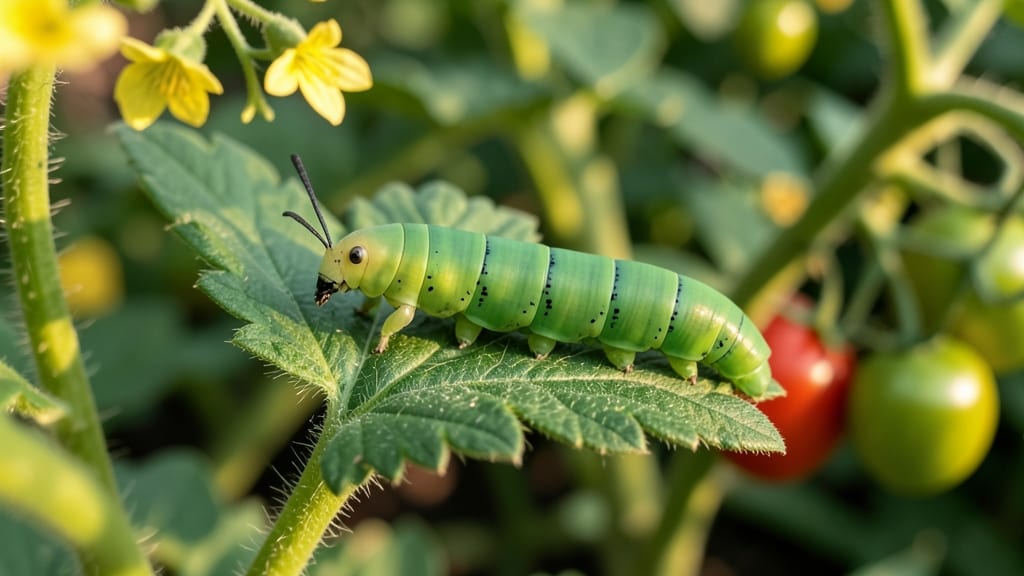
That tiny green caterpillar on your tomato plant could wipe out your harvest faster than you think. 🌱 I’ve watched hornworms and loopers turn lush tomato plants into skeleton leaves in just a few days—until I learned their telltale signs and quick fixes.
The key is acting fast, before the damage spreads beyond repair.
These caterpillars leave behind chewed leaves, droppings, and sometimes even hollow stems. Hornworms are the worst offenders—they can grow over 3 inches long and devour entire plants overnight.
The good news? They’re easy to spot if you check your plants every 2-3 days, especially after rain when they’re most active.
You’ll stop the damage with simple, effective methods: handpicking (drop them in soapy water), introducing parasitic wasps (nature’s pest control), or spraying neem oil at dusk. The right approach depends on how bad the infestation is—some plants bounce back in days, while others need extra care to recover.
Prevention is easier than cleanup: plant basil or marigolds nearby, remove eggs by hand, and keep your garden healthy with balanced fertilization. Once you’ve dealt with one outbreak, you’ll spot them early next time—and save your tomatoes before they’re gone.
Root Causes Of Caterpillar Infestations
Understanding why green caterpillars invade your tomato plants starts with recognizing their natural behaviors and the conditions that attract them. These tiny pests aren’t just random visitors—they’re drawn by specific environmental and agricultural factors. Let’s break down the key reasons behind their presence in your garden.
Tomato plants are a prime caterpillar buffet because they’re rich in nutrients and soft foliage.
Many caterpillar species, including the tomato hornworm (Manduca sexta) and loopers (Beauveria bassiana), target tomatoes because: - Sap-rich leaves provide easy nourishment. - Young, tender shoots are especially vulnerable to feeding. - Tomatoes belong to the nightshade family (Solanaceae), which includes other caterpillar favorites like peppers, eggplants, and potatoes.
💡 Pro Tip: If you notice chewed leaves with frass (caterpillar droppings), it’s a dead giveaway that your plants are already a caterpillar hotspot.
Caterpillars thrive in dense, unmanaged gardens where:
- Limited natural predators (like birds, lacewings, or parasitic wasps) can’t patrol effectively.
- Weeds and debris provide hiding spots for eggs and young larvae.
- Poor air circulation creates humid microclimates, which caterpillars love.
🌡️ Key Factor: Gardens with high humidity (especially in warm climates) accelerate caterpillar growth, leading to faster infestations.
Most caterpillars start as tiny eggs laid by adult moths.
If you see green caterpillars, chances are: - Female moths were attracted to your garden by tomato plant odors (especially at dusk). - They prefer undersides of leaves for egg-laying, where humidity protects the eggs. - Hatch rates spike in warm weather (above 70°F/21°C), leading to rapid population explosions.
✨ Did You Know? Some moths, like the tomato hornworm moth, can lay up to 2,000 eggs in a season—meaning one moth can trigger a full-blown outbreak.
Caterpillars are highly seasonal, with peaks during:
- Spring to early summer (when tomato plants are lush and young).
- Late summer (when heat-stressed plants are weaker).
- Humid climates (like the Southeast U.S. or tropical regions), where caterpillars develop faster.
📊 Data Insight: Studies show that tomato hornworm populations surge in years with mild winters (fewer natural freezes to kill eggs).
Healthy gardens naturally control caterpillar populations through:
- Birds (like robins and sparrows) that eat eggs and small larvae.
- Parasitic wasps (e.g., Cotesia congregata) that lay eggs inside caterpillars.
- Ground beetles and spiders that prey on young caterpillars.
🔥 Red Flag: If your garden lacks diverse plantings (like marigolds, basil, or dill), predator populations drop, giving caterpillars free rein.
Stressed tomato plants are easier targets because:
- Drought or overwatering weakens leaves, making them more palatable.
- Nutrient deficiencies (like low nitrogen) reduce plant resilience.
- Diseased plants (e.g., early blight) attract pests looking for easy meals.
💪 Prevention Tip: Healthy plants = tougher defenses. Use balanced fertilizer and mulch to keep tomatoes strong.
Sometimes, gardener habits unintentionally invite caterpillars:
- Over-fertilizing with nitrogen leads to soft, tender leaves.
- Using broad-spectrum pesticides kills beneficial insects first, leaving caterpillars unchecked.
- Planting tomatoes too close together creates a caterpillar-friendly canopy.
🎯 Smart Move: Crop rotation and interplanting with pest-repelling herbs (like mint or thyme) disrupt caterpillar life cycles.
Caterpillar infestations aren’t random—they’re the result of perfect storm conditions (food, shelter, warmth, and lack of predators). By addressing these root causes, you can prevent outbreaks before they turn your tomato plants into a caterpillar salad bar. 🚜🌿
Quick Fixes for Caterpillar Chaos
Spotting a green caterpillar munching on your tomato plant can feel like a nightmare—especially when you’ve poured so much care into your garden. But don’t panic! With the right approach, you can save your harvest and keep those pesky critters in check.
Below, we’ve mapped out practical solutions tailored to the most common causes of caterpillar infestations, plus prevention tips to stop them before they start.
Before diving into fixes, confirm what you’re dealing with. Common tomato-munching caterpillars include:
- Hornworms (green with white stripes, 3-4 inches long)
- Tomato Fruitworms (small, green or brown, hide in fruit)
- Loopers (green with a looping gait, often found on leaves)
- Cutworms (pale green or brown, attack stems at night)
Pro tip: 💡 Check the undersides of leaves and inside tomato fruits—these are favorite hiding spots!
For small infestations, your hands (and a little elbow grease) can work wonders.
👨🍳 Handpick the Pests
- Timing is key: Early morning or late evening when caterpillars are sluggish.
- Wear gloves: Some gardeners (like me!) find squishing them satisfying, but gloves keep it sanitary.
- Drop them in soapy water: A bucket of 1 tablespoon dish soap + 1 gallon water ensures they don’t wiggle back to your plants.
🥘 Trap Crops & Distractions
- Plant basil or dill nearby: These attract caterpillars away from your tomatoes.
- Crush egg masses: Look for tiny white clusters on leaves—squish them before they hatch!
If the problem persists, try these eco-friendly methods:
🌿 Bacillus Thuringiensis (Bt)
- What it is: A natural bacteria that targets caterpillars but harms no other insects.
- How to use: Spray on leaves (follow package instructions). Reapply after rain.
- Best for: Hornworms and fruitworms.
🌡️ Neem Oil Spray
- Mix: 1 tablespoon neem oil + 1 teaspoon mild soap + 1 quart water.
- Spray: Cover both sides of leaves and tomato fruits. Reapply every 5–7 days.
- Bonus: Deters eggs from hatching.
🎯 Diatomaceous Earth (DE)
- How it works: A fine powder that dehydrates caterpillars (safe for humans and pets).
- Apply: Dust lightly on leaves and soil (avoid overusing—it can harm beneficial insects).
- Reapply: After watering or rain.
Stop caterpillars before they become a problem with these proactive strategies:
🌱 Garden Hygiene
- Remove debris: Clear fallen leaves and plant waste where caterpillars hide.
- Rotate crops: Avoid planting tomatoes in the same spot yearly to disrupt life cycles.
🐝 Encourage Natural Predators
- Ladybugs, lacewings, and parasitic wasps love caterpillars. Plant marigolds or alyssum to attract them.
- Bird-friendly garden: Install a bird feeder—birds adore munching on hornworms!
🌙 Light Traps (For Night Feeders)
- DIY trick: Place a white sheet over a light bulb at night. Cutworms and loopers will gather on it—just shake them into soapy water in the morning.
🍅 Physical Barriers
- Row covers: Lightweight fabric over young plants blocks adult moths from laying eggs.
- Collars: Wrap cardboard or foil around stems to stop cutworms from chewing.
If your tomato plants are severely damaged (e.g., skeletonized leaves, fruit holes), consider:
- Pyrethrin-based sprays (derived from chrysanthemums, organic but effective).
- Consult a local extension office for region-specific recommendations.
Remember: 🌱 Consistency is key. Check your plants regularly, especially during warm months when caterpillars thrive. With these fixes, you’ll be enjoying juicy tomatoes in no time!
Frequently asked questions
What do green caterpillars on tomato plants look like?
Most common ones include tomato hornworms (large, green with white stripes) and loopers (smaller, green with a looping movement). Hornworms can grow up to 4 inches long, while loopers are usually 1-2 inches. Check both leaf tops and undersides—eggs are tiny white clusters that hatch quickly in warm weather.
How fast can caterpillars destroy a tomato plant?
A single hornworm can devour an entire tomato plant in just 2-3 days if left unchecked. Young plants are especially vulnerable, while mature ones may recover if you remove the pests early. The key is daily inspections during warm, humid months when caterpillars multiply fastest.
Is neem oil safe to use around tomato fruits?
Yes, but apply it carefully! Neem oil is organic and safe for edible plants when used correctly. Spray only the leaves (not directly on ripening fruit) and reapply every 5-7 days after rain. Always follow package instructions—some concentrated versions need dilution.
Will my tomato plants recover after caterpillar damage?
It depends on how severe the damage is. If only leaves are chewed, plants often regrow quickly. However, if stems are hollowed or fruit is heavily damaged, recovery may be slower. Prune damaged leaves and focus on keeping the plant healthy with proper watering and fertilization.
Can I use coffee grounds to deter caterpillars?
Coffee grounds can help as a mild deterrent when sprinkled around plant bases, but they won't eliminate an infestation. The caffeine acts as a natural repellent for some pests, though it works best as part of a larger prevention strategy (like handpicking and companion planting).