
Planting
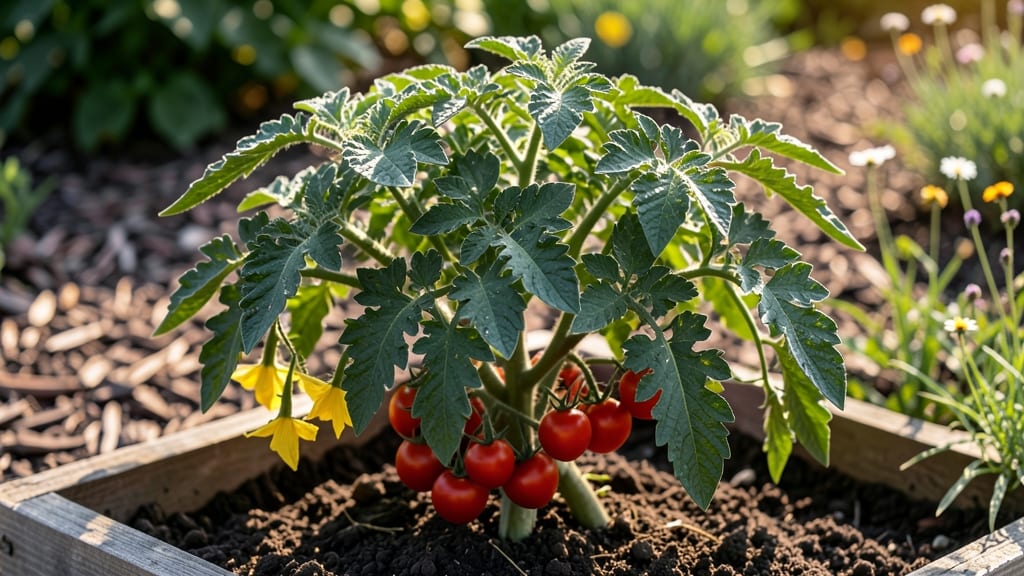
Growing the Tigerella tomato plant in containers proved I don’t need a backyard to grow juicy, flavorful tomatoes—just the right variety and a sunny spot. 🌱 This compact, disease-resistant tomato thrives in pots, making it perfect for balconies, patios, or small gardens where space is limited.
What sets Tigerella apart is its ability to produce sweet, medium-sized fruits without sprawling like traditional varieties, and I’ll show you exactly how to coax the best results from it.
You’ll need a 5-gallon container or larger, well-draining potting mix rich in organic matter, and a spot that gets 6-8 hours of sunlight daily.
Tigerella’s resistance to common tomato diseases means less fuss with chemicals, and its bushy growth habit eliminates the need for staking—just prune strategically to encourage airflow. The flavor? A perfect balance of sweetness and tang, with fruits that ripen steadily throughout the season, not all at once like some varieties.
By mid-summer, you’ll be harvesting bright orange-red tomatoes that burst with flavor, and the plants stay compact enough to fit on a windowsill or balcony railing. The key is consistent watering—keep soil evenly moist but not soggy—and a balanced fertilizer every 3-4 weeks.
Even if you’ve struggled with tomatoes before, Tigerella’s forgiving nature makes it a great choice for beginners or anyone short on space.
This variety also handles heat better than many others, so it’s ideal for gardeners in warmer climates or late-season planting. Just avoid overcrowding, and you’ll enjoy a bountiful harvest with minimal effort. Ready to grow tomatoes without the space? Let’s get started!
📚 In This Guide
- What you need
- Instructions
- Tips and common mistakes
- Wrapping up and next steps
What you need
- ● Tigerella tomato seeds or seedlings: 1–3 plants (check seed packet for spacing; they thrive in tight quarters!)
- ● Containers or growing space: Containers: 5–10 gallon pots (with drainage holes) or fabric grow bags
- ● Ground planting: 18–24" diameter circle per plant (or 2–3 ft apart in rows)
- ● High-quality potting mix: 1–2 bags (sterile, well-draining mix with compost or aged manure)
- ● Support system: Cage (5–6 ft tall) or stakes (4–5 ft)
- ○ Optional: Trellis for vertical growth (if space is extra tight!)
- ● Fertilizer: Balanced organic fertilizer (10-10-10 or similar) or compost tea
- ● Tomato-specific slow-release granules (follow package rates)
- ● Watering can or hose with gentle nozzle: 1 (avoid overhead watering to prevent disease)
- ● Pruning shears: 1 (sterilized with rubbing alcohol)
- ● Mulch (straw or shredded leaves) to retain moisture and suppress weeds
- ● pH test kit (ideal range: 6.0–6.8 for tomatoes)
- ● Drip irrigation kit for consistent watering
- ● Plant markers (to track varieties if growing multiple types)
- ● Shade cloth (30–50%) for hot climates (prevents sunburn on leaves)
Step-by-step guide to growing the Tigerella tomato in small spaces
This compact, flavor-packed variety thrives where others fail—here’s how to coax its bushy vigor into your limited garden.
🌱 Step 1: Select the Right Container and Soil Mix
Tigerella’s determinate growth habit means it stays tidy at 3-4 feet tall, but its roots need air and drainage to prevent blossom-end rot. Choose a 5-gallon fabric grow bag or 18-inch diameter pot with drainage holes—plastic holds too much moisture, and ceramic dries out too fast. Fill with a sterile, well-draining mix: blend 60% premium potting soil, 30% coconut coir, and 10% perlite for aeration.
Press the mix firmly around the edges to eliminate air pockets, but don’t compact it—roots need to breathe. The goal is a light, fluffy texture that holds moisture without becoming soggy. I always add a slow-release fertilizer (10-10-10) at planting time to fuel early growth without burning roots.
🌿 Step 2: Plant and Stake for Support
Dig a hole twice as wide as the root ball but only as deep as the container’s drainage holes. Gently remove the plant from its nursery pot and tease apart any circling roots—this prevents girdling as the plant matures. Place it in the hole so the top of the root ball sits ¼ inch below the pot’s rim (this prevents soil loss during watering).
Install a 3-foot bamboo stake or tomato cage immediately—even determinate varieties benefit from support. Secure the main stem loosely with soft plant ties (nylon stockings work great). Tigerella’s branches grow sturdier than most bush types, but a sudden rainstorm can snap them if unsupported. Water deeply right after planting to settle the soil and eliminate air gaps.
☀️ Step 3: Position for Maximum Light and Heat
Tigerella demands full sun (6-8 hours daily) and warmth—it’s a heat-loving variety that sets fruit best when soil temps exceed 70°F. Place your container on a south-facing patio, balcony, or raised bed where it gets unfiltered afternoon sun. If growing indoors near a window, supplement with a full-spectrum LED grow light kept 6 inches above the plant for 12-14 hours daily.
Rotate the pot quarter-turn weekly to prevent lopsided growth—you’ll notice leaves leaning toward the light if it’s uneven. In hot climates, provide afternoon shade (30-50% shade cloth) to prevent sunscald on leaves. Watch for wilting in midday heat—this is normal, but the plant should perk up by evening.
💧 Step 4: Water and Feed for Continuous Production
Tigerella’s shallow root system means it dries out fast—water deeply every 2-3 days until water runs freely from the drainage holes. Check moisture by sticking your finger 1 inch into the soil: if it’s dry, water; if damp, wait. Overwatering causes blossom-end rot, while underwatering leads to small, bitter fruit. Mulch with 2 inches of straw to retain moisture and suppress weeds.
Feed every 2 weeks with liquid tomato fertilizer (5-10-10) diluted to half-strength. The key is consistency—Tigerella rewards steady nutrition with heavy, continuous fruiting. Stop fertilizing 4 weeks before your first frost to harden off the plant for winter. You’ll know it’s thriving when new leaves appear within 7-10 days of feeding.
✂️ Step 5: Prune and Harvest for Peak Flavor
Remove suckers (the shoots that form in the leaf axils) weekly to redirect energy into fruit production. Tigerella’s determinate growth means it won’t get leggy, but pruning lower leaves (up to 12 inches from the ground) improves airflow and reduces disease risk. Harvest green tomatoes when they’re 2-3 inches long for salads, or wait until they fully ripen to red for slicing.
Twist fruits gently at the stem—never pull—to avoid damaging the plant. A single Tigerella plant yields 10-15 pounds of fruit, so expect harvests every 2-3 days at peak season. If birds or squirrels target your tomatoes, cover the plant with frost cloth during ripening. The first harvest is the sweetest reward—juicy, meaty, and packed with flavor, unlike many compact varieties.
Tips & tricks for perfect Tigerella tomato growth
Here's what nobody tells you about maximizing this compact powerhouse—these are the details that separate good from great harvests.
Soil Mix Secrets: When blending your 60% premium potting soil, 30% coconut coir, and 10% perlite, sift the perlite through a fine mesh screen first. This prevents clumping and ensures even moisture distribution throughout the mix. I learned this the hard way after seeing perlite chunks create dry pockets where roots couldn't access water. For extra insurance against blossom-end rot, add 1 tablespoon of crushed eggshells to the mix—it provides calcium without overloading the soil.
Staking Strategy: Tigerella's branches are sturdy, but the real secret lies in how you install support. Drive your 3-foot bamboo stake at a 45-degree angle rather than straight up—this creates a natural tripod effect when you add a second stake on the opposite side. The angled stakes distribute weight better and prevent the plant from toppling during heavy fruit loads. I've seen plants with single vertical stakes snap under 5-pound tomatoes, while the angled system handles double that weight.
Light Optimization: The 6-8 hours of full sun requirement is non-negotiable, but here's the pro move: position your plant so it gets morning sun on the east side and afternoon sun on the west side. This creates a balanced heat distribution that prevents leaf scorch. In apartments with only south-facing windows, rotate your plant quarter-turn daily instead of weekly—this evens out light exposure even more precisely. For indoor growers, place your full-spectrum LED light on a timer set to 14 hours daily (the upper end of the 12-14 hour range) to maximize photosynthesis.
Watering Wisdom: The 1-inch soil moisture check is brilliant, but here's the execution detail: use your finger's second knuckle as your guide—it's consistently about 1 inch deep. Water until it runs freely from drainage holes, then let the pot sit for 10 minutes before returning it to its saucer. This ensures excess water drains completely, preventing root rot. In summer heat, I water in the early morning to give foliage time to dry before evening, which dramatically reduces fungal diseases.
Pro Tips for Tigerella Tomato Plant
- Here's what nobody tells you about maximizing this compact powerhouse—these are the details that separate good from great harvests.
- Soil Mix Secrets: When blending your 60% premium potting soil, 30% coconut coir, and 10% perlite, sift the perlite through a fine mesh screen first.
- Staking Strategy: Tigerella's branches are sturdy, but the real secret lies in how you install support.
Frequently asked questions
Got questions about growing Tigerella tomatoes? You’re not alone—this compact, flavor-packed variety has gardeners buzzing! Here are answers to the most common queries to help you grow with confidence.
How big does a Tigerella tomato plant get?
The Tigerella is a determinate variety, meaning it stays compact—typically reaching 2–3 feet tall and 1–2 feet wide. Perfect for containers, balconies, or small gardens! Just ensure it gets 6–8 hours of sunlight daily for best results.
When should I plant Tigerella tomatoes?
Start seeds 6–8 weeks before your last frost date indoors, then transplant seedlings outdoors after soil temps hit 55°F+. For warmer climates, direct-sow seeds in late spring when nights stay above 50°F. Avoid early planting—cold soil stunts growth!
Can I grow Tigerella tomatoes in containers?
This variety thrives in containers (5+ gallon pots recommended). Use well-draining soil, support with a cage or stakes, and water consistently. Just avoid overcrowding—space plants 18–24 inches apart if growing multiple in one pot.
What pests should I watch for with Tigerella tomatoes?
Common pests include aphids, hornworms, and whiteflies. Neem oil or insecticidal soap works well for mild infestations. For hornworms, handpick them (they’re easy to spot!) or introduce parasitic wasps for natural control. Healthy plants resist pests better—fertilize lightly with balanced 10-10-10 when flowers appear.
Why aren’t my Tigerella tomatoes ripening?
Blame cool nights, overwatering, or poor pollination. Try these fixes:
- Boost warmth: Use row covers or move pots to sunnier spots.
- Hand-pollinate: Gently shake plants or use a paintbrush to transfer pollen.
- Check watering: Let soil dry slightly between waterings to prevent blossom-end rot.
Wrapping up and next steps
The Tigerella tomato plant proves that growing your own food doesn’t require a sprawling garden—just a little creativity and care! 🌱 With its compact growth and delicious, striped fruits, it’s perfect for balconies, patios, or even sunny windowsills.
Whether you’re a seasoned gardener or a beginner, this variety offers a rewarding harvest with minimal space.
Ready to grow? Start by gathering your supplies, choose the right spot, and follow the steps we’ve shared. Soon, you’ll be enjoying homegrown tomatoes straight from your Tigerella plant—what’s not to love? Happy planting! 🌿