
Vegetables
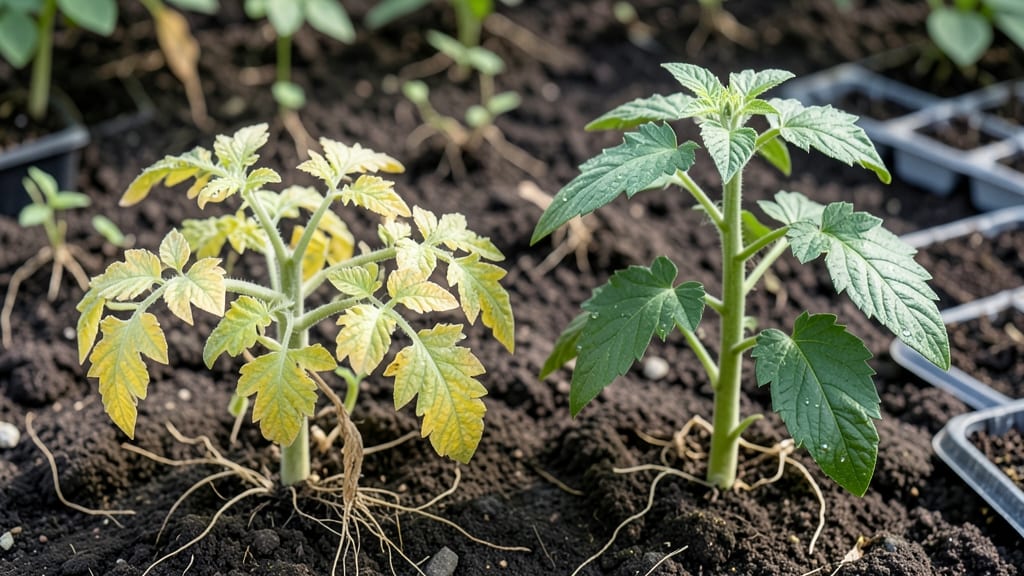
Stunted tomato seedlings can feel like a setback, but I’ve nursed back dozens of leggy, weak starts with just three targeted fixes—each one a game-changer for your future harvest. 🌱 The first step is diagnosing whether your plants are drowning, starving, or simply desperate for light, because the fix depends entirely on what’s holding them back.
Most stunted seedlings suffer from one of three issues: overwatering (which rots roots before they can grow), poor soil nutrition (like nitrogen deficiency that leaves them yellow), or insufficient light (causing that classic "reaching" stretch toward the window).
I’ve seen seedlings bounce back in as little as 5-7 days once the right fix is applied—no fancy tools or expensive products required.
Here’s the good news: 90% of stunted seedlings can be revived with simple adjustments to water, soil, and light. You’ll notice new growth within a week if you act fast, and those weak stems will thicken into sturdy plants ready for transplanting.
The key is checking the roots first—healthy roots mean a healthy plant.
For stubborn cases, I’ll walk you through when to call in backup (like a soil test or pest inspection) and how to prevent this from happening again next season. Trust me, your future tomatoes will thank you for the rescue.
Root Causes Of Weak Starts
Understanding why your tomato seedlings are stunted begins with examining the hidden factors sabotaging their growth. These tiny plants may look fragile, but their struggles often stem from avoidable—yet common—mistakes. Let’s break down the key culprits holding them back, so you can diagnose and fix the issue fast.
Healthy roots need loose, nutrient-rich soil packed with organic matter.
If your seedlings are planted in: - Clay-heavy or compacted soil, roots suffocate and can’t absorb water or nutrients efficiently. - Sterile potting mix (lacking compost, worm castings, or aged manure), seedlings starve for essential micronutrients like nitrogen, phosphorus, and potassium. - Overly sandy soil, water drains too quickly, leaving roots dehydrated.
🔍 What to watch for: Stunted seedlings with yellowing leaves (chlorosis) or a top-heavy, wobbly stem (like a toothpick plant) often signal poor soil structure.
Tomato seedlings are sun-worshippers—they need 12–16 hours of bright light daily to photosynthesize properly.
Common lighting mistakes: - Insufficient light (e.g., placing seedlings near a north-facing window or under weak grow lights) leads to leggy, weak stems as they stretch toward any available light. - Direct, scorching midday sun (especially in hot climates) can burn tender leaves, causing stunting and stress.
🔍 What to watch for: Seedlings growing tall and spindly (like a marathon runner) or with bleached, crispy leaf edges are crying out for better light management.
Water is the lifeblood of seedlings, but too much or too little can stunt growth: - Overwatering leads to root rot (fungal infections like Pythium or Fusarium), cutting off oxygen and nutrients.
Soil stays soggy, and seedlings wilt despite excess water. - Underwatering causes wilting, dry soil crust, and nutrient uptake failure, leaving seedlings weak and stunted.
🔍 What to watch for:
- Overwatered? Seedlings turn mushy at the base, leaves yellow, and soil smells foul.
- Underwatered? Soil pulls away from the pot edges, leaves curl inward, and stems feel hollow or brittle.
Tomato seedlings thrive in consistent warmth (ideal daytime temps: 70–80°F / 21–27°C; nighttime: 60–65°F / 15–18°C).
Deviations cause stress: - Cold drafts (from AC vents, open windows, or early spring chills) slow metabolism, leading to purple-tinged leaves (a sign of phosphorus deficiency from stress). - Heat stress (above 90°F / 32°C) causes wilting, leaf scorch, or blossom drop in older plants—but even seedlings can’t handle it.
🔍 What to watch for: Seedlings growing slowly, with leaves curling upward or discoloration (red/purple hues) often indicate temperature shock.
Tiny invaders or pathogens can sap energy before seedlings even sprout:
- Fungal diseases (like damping-off) create a gray, fuzzy mold at the soil line, causing seedlings to collapse at the base.
- Pests such as aphids, spider mites, or cutworms suck sap or chew roots, leaving seedlings stunted, spotted, or missing leaves.
🔍 What to watch for:
- Damping-off? Seedlings topple over like a felled tree.
- Pests? Check undersides of leaves for sticky residue (aphids), fine webbing (spider mites), or notched leaves (cutworms).
Even after germination, rough handling can stunt growth:
- Overcrowded trays lead to competition for light/nutrients, causing seedlings to grow weak and pale.
- Root-bound seedlings (circling roots in small pots) strangle themselves, limiting water/nutrient absorption.
- Sudden temperature/light changes post-transplant (e.g., moving from a warm windowsill to a cold greenhouse) causes shock stunting.
🔍 What to watch for: Seedlings with roots growing in tight circles or sudden wilting after repotting are suffering from transplant trauma.
Seedlings need a balanced diet of macronutrients (N-P-K) and micronutrients (iron, calcium, magnesium).
Common deficiencies: - Nitrogen (N) deficiency → Pale yellow leaves (oldest leaves first). - Phosphorus (P) deficiency → Dark green/purple leaves, slow root growth. - Potassium (K) deficiency → Yellowing leaf edges, weak stems. - Calcium deficiency → Blossom-end rot (in older plants) or stunted, brittle stems in seedlings.
🔍 What to watch for:
- Yellowing between veins? Likely iron or magnesium deficiency.
- Stems cracking or splitting? Could be calcium deficiency.
Not all stunting is avoidable! Some issues stem from:
- Old or low-quality seeds (poor germination rate, weak seedlings).
- Hybrid vigor issues (some F1 hybrids struggle in suboptimal conditions).
- Disease-resistant traits (some varieties grow slower to prioritize defense).
🔍 What to watch for: If every seedling in a batch is stunted—even with perfect care—seed quality may be the culprit.
💡 Pro Tip: Keep a seedling growth journal! Track light hours, soil moisture, temps, and fertilizing to spot patterns. Often, stunting is a combo of factors—fixing one (like light) may reveal another (like pests) hiding in the shadows.
Revive Weak Seedlings Fast
Stunted tomato seedlings can feel like a setback, but with the right approach, you can turn things around quickly. The key is identifying the root cause (literally!) and applying targeted fixes. Below, we’ve mapped common issues to practical, step-by-step solutions—plus prevention tips to keep your plants thriving long-term.
Cause: Seedlings competing for nutrients, water, and space. Fix:
- 🔥 Gently Remove Excess Plants Use clean scissors or your fingers to snip or pull seedlings at soil level, leaving the strongest 1–2 per pot or 12–18 inches apart in the ground.
- 🍳 Repot If Needed If roots are circling the pot, transplant into larger containers (5–7 inches deep) with fresh potting mix.
- 👨🍳 Boost Growth with Fertilizer Use a balanced liquid fertilizer (10-10-10) diluted to half-strength. Apply every 2 weeks until seedlings harden off.
💡 Pro Tip: Top-dress with compost after thinning to replenish nutrients without shocking the roots.
Cause: Leggy, weak stems (too little light) or scorched leaves (too much direct sun). Fix:
- 🌡️ Gradually Acclimate Seedlings Move them outdoors slowly (1–2 hours/day) over 5–7 days to avoid sunburn. Use shade cloth (30–50%) if temps exceed 85°F.
- ✨ Optimize Light Exposure
- Indoors: Place under grow lights (14–16 hours/day) 2–4 inches above seedlings.
- Outdoors: Choose a spot with 6+ hours of morning sun (avoid harsh afternoon rays in hot climates).
- 🎯 Rotate Pots Weekly Turn containers 180° daily to prevent uneven growth toward light.
💡 Pro Tip: Yellowing leaves? It’s often a light issue—check for etiolation (elongated, weak stems) and adjust immediately.
Cause: Overwatering (root rot) or underwatering (stress). Fix:
- 🔥 Check Soil Moisture Stick your finger 1 inch deep—if dry, water; if soggy, hold off. Tomato seedlings prefer consistently moist (not waterlogged) soil.
- 🍳 Water at the Base Avoid overhead watering (causes fungal diseases). Use a watering can with a narrow spout or drip irrigation.
- ⏰ Establish a Routine Water early morning (6–9 AM) to reduce evaporation and disease risk. Let the top inch dry between waterings.
💡 Pro Tip: Mulch with straw after watering to retain moisture and regulate soil temp.
Cause: Cold soil, drafts, or poor drainage slowing growth. Fix:
- 🔥 Warm Up the Soil
- Indoors: Place pots on a heat mat (70–75°F) until germination.
- Outdoors: Wait until night temps stay above 50°F before transplanting.
- 🍳 Improve Drainage Ensure pots have drainage holes and use a mix of 50% potting soil + 50% perlite/compost.
- 👨🍳 Protect from Drafts Avoid placing seedlings near AC vents, doors, or windows that open to cold air.
💡 Pro Tip: Use a thermometer to monitor soil temp—tomatoes thrive in 60–85°F soil.
- Start seeds indoors 6–8 weeks before the last frost (varies by zone).
- Use seedling heat mats for faster, stronger starts.
- Hardening off (acclimating to outdoor conditions) takes 1–2 weeks—don’t rush it!
- Rotate crops annually to prevent soil-borne diseases.
Remember: Stunted seedlings aren’t a death sentence—they’re a sign your plants need a little TLC. With these fixes, you’ll see plump stems, vibrant leaves, and soon—juicy tomatoes! 🍅🌿
Frequently asked questions
Why are my tomato seedlings growing so tall and thin?
This "leggy" growth happens when seedlings get too little light, causing them to stretch toward any available source. Move them to a sunnier spot (south-facing window) or under grow lights 2-4 inches away for 14-16 hours/day. Rotate pots daily to prevent uneven growth.
Can I save seedlings with yellow leaves?
Yellow leaves usually mean overwatering or nutrient deficiency. Let the top inch of soil dry out before watering again, and fertilize with a balanced 10-10-10 solution (half-strength). If leaves are yellow between veins, it could be iron deficiency—add chelated iron or compost.
How do I know if my seedlings are root-bound?
Check for roots circling the pot or growing out of drainage holes. Gently remove the seedling and inspect—if roots are densely packed, repot into a container 2-3 inches larger with fresh potting mix. Avoid disturbing roots too much during transplanting to prevent shock.
What's the best way to harden off stunted seedlings?
Acclimate seedlings to outdoor conditions over 7-10 days by gradually increasing exposure: start with 1 hour/day in shade, then add 1-2 hours daily. Avoid direct sun until the last 2-3 days. Harden off in the morning or evening when temps are mild (60-75°F).
Are my stunted seedlings too far gone to transplant?
Not at all! Even weak seedlings can recover if they have healthy roots. Before transplanting, trim any damaged leaves and bury stems deeper than before (up to the first leaves) to encourage stronger growth. Water thoroughly after planting and keep soil consistently moist for the first 2 weeks.