
Plants
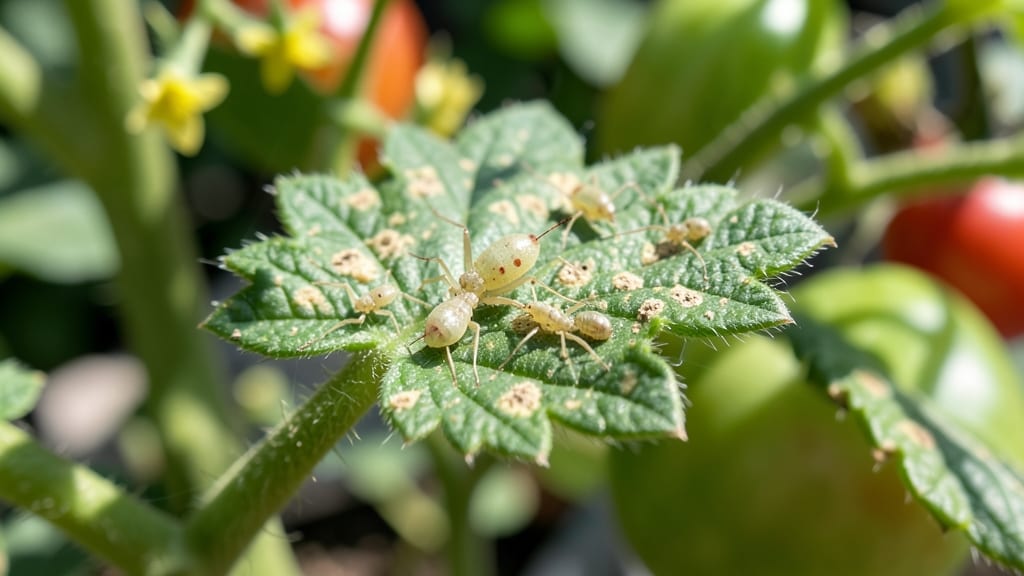
Spider mites on tomato plants can turn lush foliage into a dusty mess in days—unless you act fast. 🌱 I’ve seen these tiny pests strip entire plants bare in just a week, but neem oil creates a protective barrier that stops them dead in their tracks.
The key is catching them early, when you spot the first fine webbing between leaves or tiny yellow stippling on the undersides. Most gardeners grab chemical sprays first, but that’s overkill for a problem neem oil solves in 24-48 hours.
You’ll need a spray bottle, a bit of dish soap, and a quiet evening to apply the mix—no fancy equipment, just elbow grease. The secret? Reapplying every 5-7 days until the mites disappear completely, which usually takes about two weeks of consistent treatment.
What you’ll end up with is tomato plants that stay vibrant green, free of webbing, and producing fruit like nothing happened. The leaves stay crisp, the vines grow strong, and you’ll finally get those heirloom tomatoes you planted for—without the pest battle.
This method works for greenhouse tomatoes, container plants, and in-ground gardens alike. Once you’ve used it, you’ll never reach for harsh chemicals again.
Root Causes Of Tomato Plant Infestations
Spider mites may seem like tiny, harmless pests, but they thrive on tomato plants due to a mix of environmental and biological factors. Understanding these causes is the first step to preventing and controlling them effectively. Let’s break down why these pests choose your tomato plants as their next meal.
Spider mites are desert-dwelling arachnids—they prefer warm, dry environments with low humidity. When temperatures rise above 80°F (27°C) and air becomes arid, these pests become more active. Here’s why:
- Faster reproduction: Heat accelerates their life cycle, allowing females to lay 20-30 eggs per day instead of just 5-10 in cooler conditions.
- Thinner plant defenses: High heat causes tomato leaves to transpire (lose moisture) faster, weakening their protective waxy coating. This makes plants more vulnerable to mite feeding.
- Reduced natural predators: Beneficial insects like lacewings and predatory mites struggle in extreme heat, leaving spider mites unchecked.
Pro tip: 🌡️ Monitor your garden’s microclimate—shade cloth or drip irrigation can create a cooler, more humid zone where mites hesitate to settle.
Healthy tomato plants produce sticky resins and strong cell walls that deter spider mites. But when plants are stressed, they become easy targets. Common stressors include:
| Stressor | How It Attracts Mites |
|---|---|
| 💧 Underwatering | Drought-stressed plants release volatile organic compounds (VOCs) that signal mites to feed. Their webbing also traps heat, making leaves even more inviting. |
| 🌱 Overcrowding | Poor air circulation creates high humidity pockets on leaves—ideal for mite eggs to hatch and thrive. Crowded plants also compete for nutrients, weakening defenses. |
| 🍄 Nutrient deficiencies (e.g., nitrogen or magnesium) | Yellowing leaves (chlorosis) reduce chlorophyll, making plants less able to photosynthesize and more prone to mite damage. |
| 🐛 Previous pest damage (e.g., aphids, whiteflies) | Honeydew from sap-sucking pests creates a sticky film that attracts mites. Plus, damaged plants are easier for mites to penetrate. |
Actionable fix: 💡 Prune plants for airflow and water deeply at the base (avoid overhead spraying) to keep leaves dry and resilient.
Spider mites don’t invade healthy ecosystems—they explode in numbers when their predators disappear. In a balanced garden, these natural enemies keep mite populations in check:
- Predatory mites (Phytoseiulus persimilis): Hunt spider mites 20:1 (one predator can eat 20 mites daily!). They thrive in moderate humidity (50-70%).
- Lacewings (Chrysoperla spp.): Their larvae devour mites and eggs. They prefer nectar-rich flowers like dill or marigolds.
- Ladybugs (Hippodamia spp.): Adults and larvae consume spider mites but need alternative prey (like aphids) to stay.
- Birds and spiders: They snack on mites but are less effective in dense foliage.
Why they fail: 🔥 Pesticides (even organic ones) can kill these predators faster than mites. Monoculture gardens (e.g., only tomatoes) offer no habitat diversity for beneficials.
Solution: 🌱 Plant companion flowers (e.g., nasturtiums, alyssum) and avoid broad-spectrum sprays to preserve the food chain.
Sometimes, our own gardening habits create the perfect conditions for spider mites. Here’s how:
- Over-fertilizing with nitrogen: Lush, soft new growth is a mite buffet. Mites prefer tender, succulent leaves over tough, mature ones.
- Ignoring webbing: Mites spin silk to trap moisture and protect their colonies. If you spot webbing, infestation is already advanced.
- Bringing infected plants indoors: Mites hitchhike on new plants, tools, or even clothing. Quarantine new additions for 2 weeks.
- Using plastic mulch: It traps heat and reflects sunlight, creating a greenhouse effect that mites love.
Quick fix: ✨ Inspect plants before introducing them to your garden, and use reflective mulch (like aluminum) to deter mites.
How to Treat and Prevent Spider Mites
Spider mites may be tiny, but they’re no match for a strategic, multi-step approach! Whether your tomato plants are already battling these pests or you’re looking to fortify your garden against future invasions, these targeted solutions will help you reclaim healthy, thriving plants.
Below, we break down fixes by cause, from quick fixes to long-term prevention—so you can act fast and stay ahead.
Spider mites thrive in crowded, stressed-out tomato plants where airflow is poor. Solution: Give your plants room to breathe and reduce stress factors.
- 🌱 Prune aggressively: Trim overgrown branches to improve airflow. Focus on inner leaves where mites love to hide. - 💧 Water deeply and consistently: Drought-stressed plants attract mites.
Water at the base (not overhead) to avoid wetting foliage, which can spread mites. - 🌿 Mulch properly: Use organic mulch (like straw or wood chips) to retain moisture and regulate soil temperature, reducing plant stress.
💡 Pro Tip: If your plants are already infested, avoid pruning during peak mite activity (like hot afternoons) to prevent spreading mites via tools.
For active infestations, knock mites off plants physically and smother them with natural, plant-safe sprays.
- 💦 Water blast method: Use a strong hose stream (not pressure washer) to dislodge mites from leaves.
Do this early in the morning for best results. - 🥣 Neem oil spray (best for prevention + treatment): - Mix 1 tsp neem oil + 1 tsp mild soap (like Castile) + 1 quart water. - Spray under and on top of leaves every 5–7 days until mites vanish. - Why it works: Neem oil disrupts mites’ life cycle and repels future infestations. - 🍋 Vinegar spray (quick knockdown): - Combine 1 cup white vinegar + 1 gallon water + 1 tsp dish soap. - Spray directly on mites (test on a small leaf first—vinegar can burn some plants). - Best for: Light infestations; repeat every 3–4 days.
⚠️ Warning: Avoid harsh chemicals like miticides unless infestations are severe—many kill beneficial insects too.
Let nature do the work! Predatory insects like ladybugs, lacewings, and phytoseiulus persimilis (a mite-eating mite) can erase spider mite populations in weeks.
- 🐞 Buy beneficial insects: Purchase lacewing eggs or ladybugs from garden centers and release them near infested plants. - 🌿 Plant companion flowers: Attract predators with marigolds, dill, or cosmos—these flowers lure helpful bugs to your garden. - 🌱 Avoid broad-spectrum pesticides: These kill both pests and predators.
Stick to targeted sprays (like neem oil) to protect your ecosystem.
💡 Pro Tip: Release predators at dusk when they’re most active and temperatures are cooler.
Spider mites love heat and dryness. Tweak your garden’s microclimate to make it less hospitable for them.
- 🌧️ Increase humidity: Mites hate moisture.
Use a fine mist sprayer on hot days or place a shade cloth over plants. - 🌿 Shade cloth: Reduce direct sun exposure (especially in hot climates) to lower stress on plants. - 🌱 Rotate crops: Avoid planting tomatoes in the same spot yearly—mites overwinter in soil.
Move them to a new bed.
Once your plants are mite-free, keep them that way with these easy habits:
- 🔍 Inspect weekly: Check undersides of leaves (mite hotspots) with a magnifying glass or flashlight.
- 🚫 Quarantine new plants: Keep newly purchased tomatoes separate for 2 weeks to spot hitchhiking pests.
- 🌿 Use reflective mulch: Aluminum foil or silver mulch confuses mites and deters them from settling.
- 🍅 Strengthen plants: Healthy tomatoes resist pests better. Use balanced fertilizer (like 10-10-10) and compost for robust growth.
- 🌱 Companion planting: Grow basil, garlic, or onions near tomatoes—their scents repel mites naturally.
✨ Final Thought: Spider mites are a nuisance, but with consistent monitoring and these targeted fixes, you’ll keep your tomato plants lush and bite-free all season. Act fast, and you’ll enjoy juicy, pest-free tomatoes in no time! 🍅💚
Frequently asked questions
What do spider mites look like on tomato leaves?
Spider mites are nearly invisible to the naked eye—just tiny yellow or red dots on leaf undersides. Look for fine webbing between leaves (like dust) and speckled yellow/brown patches where they've fed. Use a magnifying glass to spot their oval, red bodies (about 1/50th inch) moving quickly when disturbed.
How often should I spray neem oil for spider mites?
Apply neem oil spray every 5-7 days until mites disappear (usually 2-3 weeks total). For prevention, switch to every 2 weeks during hot, dry weather. Always spray early morning or late evening to avoid harming bees and let leaves dry before direct sunlight.
Will my tomato plants recover if I get rid of spider mites?
Yes! Tomato plants are resilient. Once mites are gone, new growth will emerge green and healthy in 1-2 weeks. Severely damaged leaves won't recover, but prune them away to redirect energy to new foliage. Keep plants well-watered and shaded during recovery to prevent reinfestation.
Can I use dish soap to kill spider mites on tomatoes?
Yes, but use it carefully! Mix 1 tablespoon mild dish soap + 1 quart water and spray directly on mites. Test on a small leaf first—too much soap can damage plants. This works best for light infestations and should be reapplied every 3-4 days. Combine with neem oil for better results.
Why do spider mites keep coming back after treatment?
Mites often return due to unfavorable growing conditions you haven't fixed. Check for: dry soil, poor airflow, or lack of natural predators. Also, mites can hitchhike on new plants or tools. For long-term control, increase humidity, prune regularly, and plant companion flowers like marigolds to attract beneficial insects.