
How To
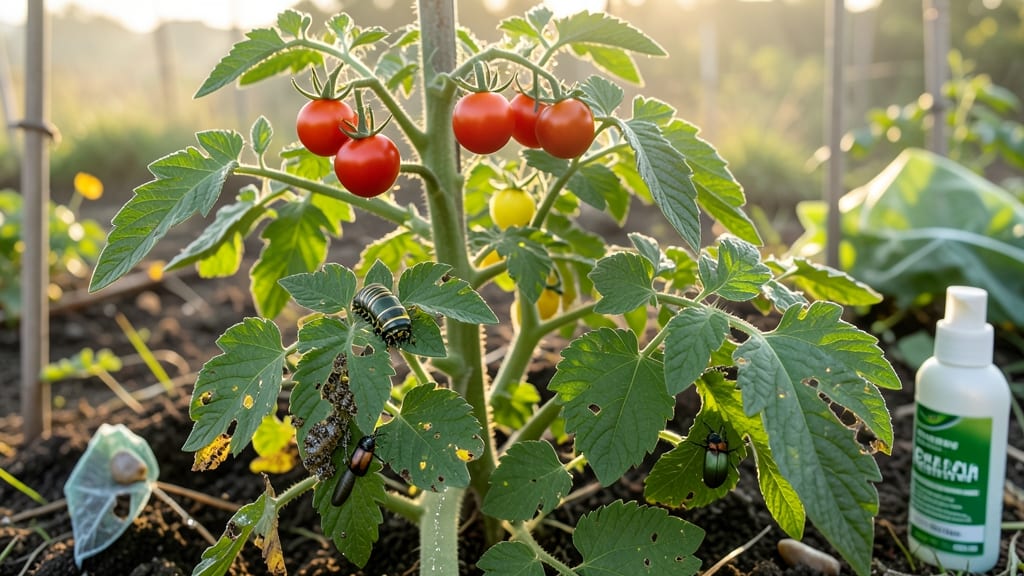
My tomato plants looked like Swiss cheese after a single night—something was eating tomato leaves, and I wasn’t about to lose another harvest to mystery munchers. 🌿 The culprits could be anything from hungry slugs to ravenous deer, but the damage pattern tells the story if you know what to look for.
First, check for jagged edges (likely deer or rabbits), smooth holes (slugs or snails), or skeletonized leaves (caterpillars). I’ve seen all three in my garden, and each needs a different fix—no chemicals required. The key is acting fast before the pests move on to your peppers or basil.
Within 24 hours, you can set up barriers, introduce beneficial insects, or handpick the offenders. My go-to trio of solutions—copper tape for slugs, neem oil for caterpillars, and motion-activated lights for deer—has saved my tomatoes every time. The best part? These methods work without harming bees or other pollinators.
Even if you’ve had this happen before, the damage doesn’t have to be permanent. With the right approach, your plants bounce back faster than you think—and next year, they’ll be even more resilient. Let’s get those leaves back in shape.
Common Culprits Behind Bite Marks
When you spot tomato leaves suddenly riddled with holes, chewed edges, or disappearing overnight, the culprits are almost always small but mighty creatures. Understanding why this happens starts with identifying the who and how behind the damage.
Here’s a breakdown of the most likely reasons your tomato plants are becoming a buffet:
Most leaf damage in tomato gardens comes from insects with a taste for tender foliage. These pests don’t just nibble—they can devastate plants quickly if left unchecked. Here’s how they do it:
- Caterpillars (e.g., Hornworms, Tomato Loopers):
- These leaf-eating machines can consume entire leaves in a single night. Hornworms, in particular, are green with white stripes and blend into tomato plants, making them hard to spot until it’s too late.
- They prefer young, soft leaves and often leave behind black droppings (frass) on the soil below.
- Scientific note: Caterpillars are the larval stage of moths and butterflies. Their mandibles (jaw-like mouthparts) are designed for tearing plant tissue, unlike sucking insects.
- Japanese Beetles:
- These metallic green-and-gold beetles skeletonize leaves by eating the soft tissue between veins, leaving a lacy, web-like pattern.
- They’re highly social—once one finds your plants, dozens follow, stripping leaves in hours.
- Fun fact: Adult beetles can fly up to 3 miles per day, so they’re not just a local problem.
- Aphids & Spider Mites:
- While they don’t chew large holes, these tiny sap-suckers weaken leaves, causing them to curl, yellow, or fall off prematurely.
- Aphids excrete sticky honeydew, which attracts mold (sooty mold) and other pests.
- Microscopic damage: Spider mites create fine webbing on the undersides of leaves, leading to bronzing or stippling.
💡 Pro Tip: Check the undersides of leaves and early morning for pests—they’re most active when it’s cool and damp.
If your tomato leaves have large, irregular holes with slime trails, slugs and snails are likely the guilty parties. These mollusks thrive in moist conditions and are most active after dark.
| Signs of Slug/Snail Damage | Why It Happens |
|---|---|
|
|
🌡️ Climate Connection: Slugs are most active in humid, rainy weather (ideal conditions for their slimy bodies). Drought can actually reduce their numbers temporarily.
While we often blame insects, larger creatures can also turn your tomato plants into a salad bar. Here’s how:
- Rabbits & Deer:
- They browse leaves and stems up to 6 feet high, often leaving clean, straight cuts.
- Rabbits prefer young, tender shoots, while deer may trample plants while feeding.
- Science note: Their herbivorous digestion relies on fermenting plant matter in a multi-chambered stomach.
- Birds (e.g., Sparrows, Starlings):
- They peck at leaves for insects or seeds, creating small, punctured holes.
- Some species, like European Starlings, are known to strip entire plants bare in orchards and gardens.
- Behavior tip: Birds are often drawn to shiny or reflective surfaces—old CDs or wind chimes can deter them.
🔥 Actionable Insight: If you see large bite marks or broken stems, check for droppings, tracks, or fur near the damage. Mammals leave clear signs that insects don’t.
Now that you know who’s behind the leaf loss, the next step is identifying the damage patterns to tailor your pest control strategy. Stay tuned for actionable solutions in the following sections!
Quick Fixes for Chewed Tomato Plants
If you’ve spotted ragged leaves, missing chunks, or tiny holes in your tomato plants, it’s time to act fast! The good news? Most leaf-munching pests can be controlled naturally without harsh chemicals. Below are targeted solutions based on the most common culprits—plus prevention tips to keep your tomatoes thriving.
Signs: Slimy trails, irregular holes, entire leaves skeletonized overnight.
🔥 Immediate Action: Trap & Remove
- 🍺 Beer Trap: Bury a shallow dish (like a yogurt container) filled with beer near the plants.
The scent will lure slugs/snails in—dispose of them in the morning. - 🥬 Copper Barrier: Wrap copper tape around pots or create a ring in the soil. The mild electric shock (from their slime) deters them. - 🌙 Night Patrol: Handpick pests after dark when they’re most active.
Drop them in soapy water (humane and effective).
💡 Prevention Tips
- 🌡️ Mulch Strategically: Use coarse mulch (like pine straw or crushed eggshells) to create a barrier slugs hate.
- 🌞 Water Wisely: Avoid overhead watering at night—slugs thrive in damp conditions.
- 🌿 Plant Sacrifices: Surround tomatoes with slug-magnet plants like lettuce or basil to divert their attention.
Signs: Curled leaves, sticky residue (honeydew), tiny green/black clusters on undersides.
🍳 Homemade Spray (Safe & Fast)
Mix 1 tsp mild liquid soap + 1 tsp neem oil + 1 quart water in a spray bottle. Test on a few leaves first, then spray directly on pests (early morning or evening to avoid burning plants). Reapply every 3–4 days.
👨🍳 Beneficial Bugs to the Rescue
- Ladybugs & Lacewings: Release or attract them by planting dill, fennel, or marigolds nearby.
- 🌿 Companion Planting: Interplant tomatoes with garlic, chives, or nasturtiums to repel aphids naturally.
🎯 Prevention Tips
- ✨ Inspect New Plants: Quarantine newly purchased plants for 1–2 weeks to catch hitchhiking pests.
- 🌿 Prune Regularly: Remove heavily infested leaves and dispose of them in sealed bags.
Signs: Large, chewed holes, frass (poop-like droppings), or silken webs.
🔪 Manual Removal (Best for Small Infestations)
- 🕵️♂️ Scout Daily: Check leaves (especially undersides) for eggs or tiny caterpillars. Drop them into soapy water.
- 🌿 Burlap Bands: Wrap tree trunks or stems with burlap to trap climbing caterpillars (like tomato hornworms).
🌿 Natural Deterrents
- 🌼 Plant Basil: Its scent confuses caterpillars and attracts predatory wasps.
- 🧂 Diatomaceous Earth (DE): Sprinkle food-grade DE around the base of plants. It’s non-toxic but deadly to soft-bodied pests (reapply after rain).
💡 Prevention Tips
- 🌡️ Row Covers: Use lightweight fabric to block egg-laying moths early in the season.
- 🌿 Rotate Crops: Avoid planting tomatoes in the same spot yearly to disrupt caterpillar life cycles.
Signs: Leaves rolled into tubes, tiny black insects hiding under mulch.
⏰ Trap & Relocate
- 🍎 Apple Cider Vinegar Trap: Fill a shallow dish with ACV and a drop of dish soap. Earwigs drown overnight—dispose of them in the morning.
- 🌿 Cardboard Roll-Up: Place damp cardboard near plants; earwigs will hide inside—shake them into soapy water.
🌿 Prevention Tips
- 🌡️ Reduce Moisture: Earwigs love damp soil—water plants at the base during the day.
- 🌿 Mulch Alternatives: Use gravel or sharp sand instead of organic mulch to deter them.
- 🌿 Healthy Soil = Strong Plants: Amend soil with compost and worm castings to boost plant resilience.
- 🌞 Sunlight & Airflow: Space plants properly to reduce humidity (pests love shaded, damp areas).
- 🌿 Regular Checks: Spend 5–10 minutes weekly inspecting leaves—early detection = easier fixes!
Pro Tip: 🔥 Rotate your methods—pests adapt quickly! Combine traps, sprays, and prevention for long-term success. With these steps, your tomato plants will bounce back stronger (and tastier!) than ever. 🍅✨
Frequently asked questions
What are the most common signs that slugs are eating my tomato leaves?
Look for irregular, jagged holes along leaf edges and shiny slime trails on stems or soil. Slugs leave behind no clean cuts—their damage is messy and uneven. Check near the base of plants first, as they prefer low-hanging leaves.
How do I tell if deer or rabbits are eating my tomato leaves instead of insects?
These larger pests leave clean, straight cuts and often browse entire plants up to 6 feet high. Look for droppings, tracks, or fur near the damage. Deer may also trample stems, while rabbits prefer young, tender shoots.
Will neem oil really work on caterpillars like hornworms?
Yes! Neem oil disrupts caterpillar growth hormones and makes leaves less appealing to them. Mix 1 tsp neem oil + 1 tsp mild soap + 1 quart water and spray directly on pests (early morning or evening). Reapply every 3-4 days—it’s safe for plants and non-toxic to humans.
Can I use coffee grounds to repel slugs from my tomato plants?
Sprinkle used coffee grounds around the base of plants—the caffeine acts as a natural deterrent. The coarse texture also creates an uncomfortable barrier. For best results, reapply after rain or watering, as the effects wash away.
How long does it take for tomato plants to recover from heavy leaf damage?
Healthy tomato plants can regrow leaves in 2-3 weeks if the stems remain intact. Focus on removing damaged foliage and providing consistent water + nutrient-rich soil. Young plants may need extra support, while established ones often bounce back quickly.