
Plants
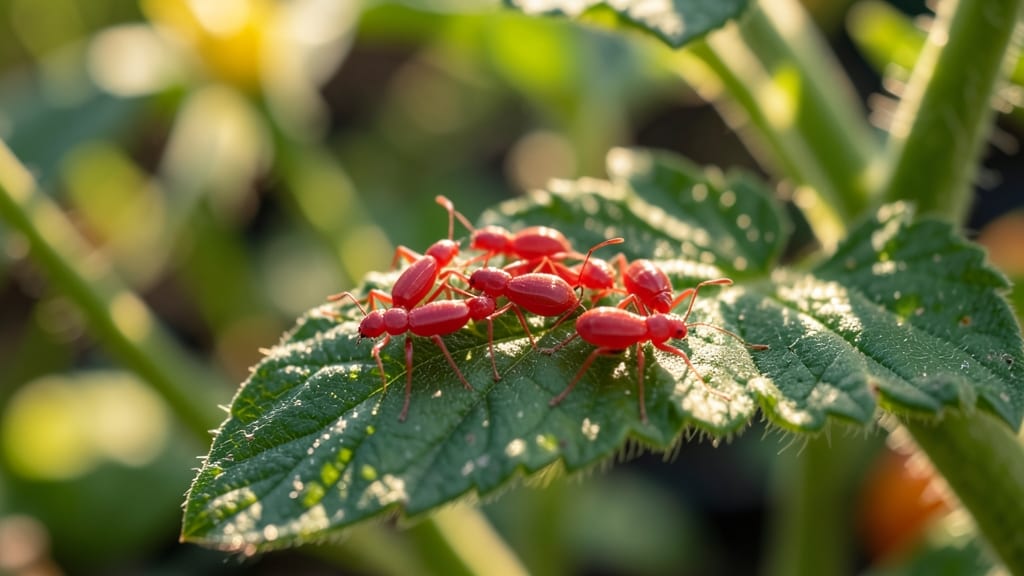
Those small red bugs on your tomato plants aren’t just annoying—they can strip leaves faster than you can say "harvest." 🌱 I’ve battled them every summer, and the key to saving your plants isn’t panic, but knowing exactly what you’re dealing with and how to stop them before they ruin your crop.
Most of the time, these red bugs are either red spider mites (so small you’ll need a magnifying glass) or tomato hornworm larvae (big enough to see but still sneaky).
Mites leave behind a fine webbing on the undersides of leaves, while hornworms chew clean holes that look like Swiss cheese. Either way, your plants start wilting, yellowing, or dropping fruit faster than you’d expect.
Here’s the good news: both problems have simple fixes. For mites, a strong spray of water or neem oil disrupts their life cycle, while hornworms fall for BT spray or a quick handpick in the morning.
The secret is acting fast—once these bugs get a foothold, your tomatoes won’t recover without intervention.
Prevention is easier than cleanup: row covers for mites, handpicking for hornworms, and healthy soil to keep plants strong enough to fight back. Trust me, once you spot the first red bug, you’ll want to move fast—but knowing the right steps keeps your garden (and your sanity) intact.
Common Culprits Behind Tiny Invaders
When you spot small red bugs crawling on your tomato plants, they’re rarely just a random annoyance—they’re usually there for a reason. Understanding why these pests show up is the first step to stopping them before they wreak havoc.
Let’s break down the most common causes, from environmental triggers to plant vulnerabilities, so you can tackle the root of the problem.
Tomato plants under stress are like open invitations to pests. When plants are crowded, overwatered, or nutrient-deficient, their natural defenses weaken, making them more appealing to hungry insects like aphids, spider mites, or thrips (some of which appear red or reddish when disturbed).
- Why it happens: Healthy plants produce sticky resins and strong foliage that deter pests. When stressed, they can’t maintain this defense, and pests detect the "weakness" through volatile organic compounds (VOCs) released by the plant.
- Actionable fix:
- Space tomato plants 18–24 inches apart for airflow.
- Avoid overwatering—let the top inch of soil dry between waterings.
- Fertilize with a balanced, organic fertilizer (like 5-5-5) to boost resilience.
Pests thrive in cluttered, neglected spaces. Leaves, debris, and even old plant matter create hiding spots and breeding grounds for red bugs like harlequin bugs or chiggers. If your garden is a buffet of easy meals and cozy shelters, expect repeat visits.
- Why it happens: Many small red bugs overwinter in soil, mulch, or plant residues. If you don’t clean up, they simply re-infest the same plants year after year.
- Actionable fix:
- Remove fallen leaves, weeds, and plant debris from around tomato plants weekly.
- Rotate crops annually to disrupt pest life cycles.
- Use straw or clean mulch (not wood chips, which retain moisture and pests).
In a balanced ecosystem, predators like ladybugs, lacewings, or parasitic wasps keep red bug populations in check. But if these helpers are missing—due to pesticide overuse, lack of biodiversity, or monoculture gardening—the pests multiply unchecked.
- Why it happens: Broad-spectrum pesticides (like neonicotinoids) kill both pests and their natural enemies. Without predators, red bugs like Russian wheat aphids or minute pirate bugs explode in numbers.
- Actionable fix:
- Avoid chemical pesticides—opt for neem oil or insecticidal soap instead.
- Plant companion plants like basil, marigolds, or dill to attract beneficial insects.
- Install bug hotels or native plant borders to support predator populations.
Red bugs love warm, dry conditions—especially during late spring to early summer. If your garden is a toasty haven, you’ll see more of these pests than in cooler, humid climates. Even indoor tomato plants near heaters or sunny windows can attract them.
- Why it happens: Many red bugs (e.g., thrips) thrive in temperatures above 75°F (24°C) and low humidity. Drought-stressed plants also release sugars that attract them.
- Actionable fix:
- Mulch heavily to retain soil moisture and regulate temperature.
- Water deeply in the morning to reduce evaporation and humidity loss.
- Use shade cloth (30–50%) if growing in hot climates.
💡 Pro Tip: If you’re dealing with persistent red bugs, check for secondary infestations—like fungal issues or viral diseases (e.g., tomato mosaic virus) that weaken plants and attract more pests. A quick soil test or plant inspection can reveal hidden problems!
How to solve it
Discovering small red bugs feasting on your tomato plants can feel like a nightmare—but don’t panic! These pests, whether they’re aphids, thrips, or red spider mites, can be tackled with simple, effective strategies.
Below, we break down the best solutions based on the likely culprit, along with prevention tips to keep your plants thriving.
If the tiny red invaders are aphids (often clustered on new growth), they’re soft-bodied and vulnerable to natural remedies.
- 🍳 Homemade Soap Spray: Mix 1 tbsp mild liquid soap (like Castile soap) with 1 quart warm water in a spray bottle. Shake well and spray directly on pests (avoid oversaturating leaves). Repeat every 3–5 days until gone. Why it works: Soap disrupts their waxy coating, dehydrating them.
- 👨🍳 Neem Oil Solution: Combine 1 tsp neem oil, 1 tsp dish soap, and 1 quart water. Spray on both sides of leaves at dusk to avoid harming bees. Reapply weekly for 2–3 weeks.
- 🔪 Manual Removal: For small infestations, knock them off with a sharp stream of water from a hose. Check undersides of leaves—their favorite hiding spot!
💡 Pro Tip: Introduce ladybugs or lacewings (natural predators) to your garden. Release them in the early morning or evening when temps are cooler.
If the red bugs are thrips (tiny, fast-moving, and often leaving silver streaks on leaves), they’re harder to spot but respond well to trapping and habitat changes.
- 🌡️ Blue Sticky Traps: Place blue sticky cards near plants—thrips are attracted to the color. Check traps daily and replace when saturated. Bonus: Helps monitor future infestations!
- 🎯 Reflective Mulch: Cover the soil with aluminum foil or reflective plastic. The glare disorients thrips, making it harder for them to find your plants.
- 🔪 Prune & Destroy: Remove heavily infested leaves and drop them in soapy water (not compost). Thrips lay eggs in plant debris!
- ⏰ Adjust Watering: Thrips love dry conditions. Water plants deeply at the base in the morning to encourage healthy growth and deter them.
💡 Pro Tip: Diatomaceous earth (DE) (food-grade only!) can work for thrips. Sprinkle a thin layer around the base of plants and on leaf undersides. Reapply after rain—it needs to stay dry to kill pests.
If the red bugs are spider mites (often found in dry, dusty conditions), they thrive in heat and low moisture. Combat them with humidity and targeted sprays.
- 🌧️ Increase Humidity: Mist plants daily or use a hose to rinse off webs in the morning. Spider mites hate moisture—this disrupts their life cycle.
- 🔪 Neem Oil or Horticultural Oil: Spray a 2% solution directly on webs and leaf undersides. Reapply every 5–7 days for 3 weeks.
- 💡 Predatory Mites: Release phytoseiulus persimilis (beneficial mites) to hunt spider mites. They’re specific to the problem and won’t harm your plants.
- 🚫 Avoid Over-Fertilizing: Too much nitrogen attracts spider mites. Use a balanced fertilizer (like 10-10-10) and reduce frequency.
💡 Pro Tip: Yellow sticky traps can also catch spider mites. Place them near plants to reduce their numbers quickly.
Once you’ve eliminated the pests, prevent future invasions with these long-term strategies:
| Action | How to Do It |
|---|---|
| 🌿 Healthy Soil | Amend soil with compost before planting. Healthy plants resist pests better. |
| 💦 Consistent Watering | Water deeply at the base (not overhead) to avoid fungal issues and deter thrips. |
| 🌡️ Monitor Humidity | Use a hygrometer to keep humidity between 40–60%. Spider mites love dry air. |
| 🕵️ Regular Inspections | Check undersides of leaves and new growth weekly. Early detection = easier fixes! |
| 🌱 Crop Rotation | Rotate tomato plants annually to break pest life cycles. |
💡 Pro Tip: Plant basil, marigolds, or nasturtiums near tomatoes—their scents repel many pests naturally!
Frequently asked questions
Are those tiny red bugs on my tomato plants harmful?
Yes, they can be! Most small red bugs like red spider mites or thrips suck plant juices, causing yellowing leaves, stunted growth, and even fruit damage. If ignored, they can kill your plants. Act fast—check leaf undersides for webbing or tiny specks.
How do I tell if they’re mites or aphids?
Mites are microscopic (need a magnifier) and leave fine webbing, while aphids are slightly larger and cluster on new growth. Mites thrive in dry conditions, while aphids prefer soft, tender leaves. Tap leaves over soapy water to see which falls out.
Will neem oil work on all red bugs?
Neem oil is effective against aphids, mites, and thrips but works best as a preventive spray. For established infestations, combine it with insecticidal soap and reapply every 5-7 days. Always spray at dusk to protect bees.
Can I use chemical pesticides safely?
Use chemicals like pyrethrin only as a last resort—they kill beneficial insects too. For tomatoes, opt for organic sprays first. If you must use chemicals, apply in the early morning and avoid spraying flowers to protect pollinators.
How long until my plants recover after treatment?
With proper care, tomato plants can recover in 2-4 weeks after eliminating pests. Focus on removing damaged leaves, maintaining consistent watering, and fertilizing with compost tea to rebuild strength. New growth should appear within 10-14 days.